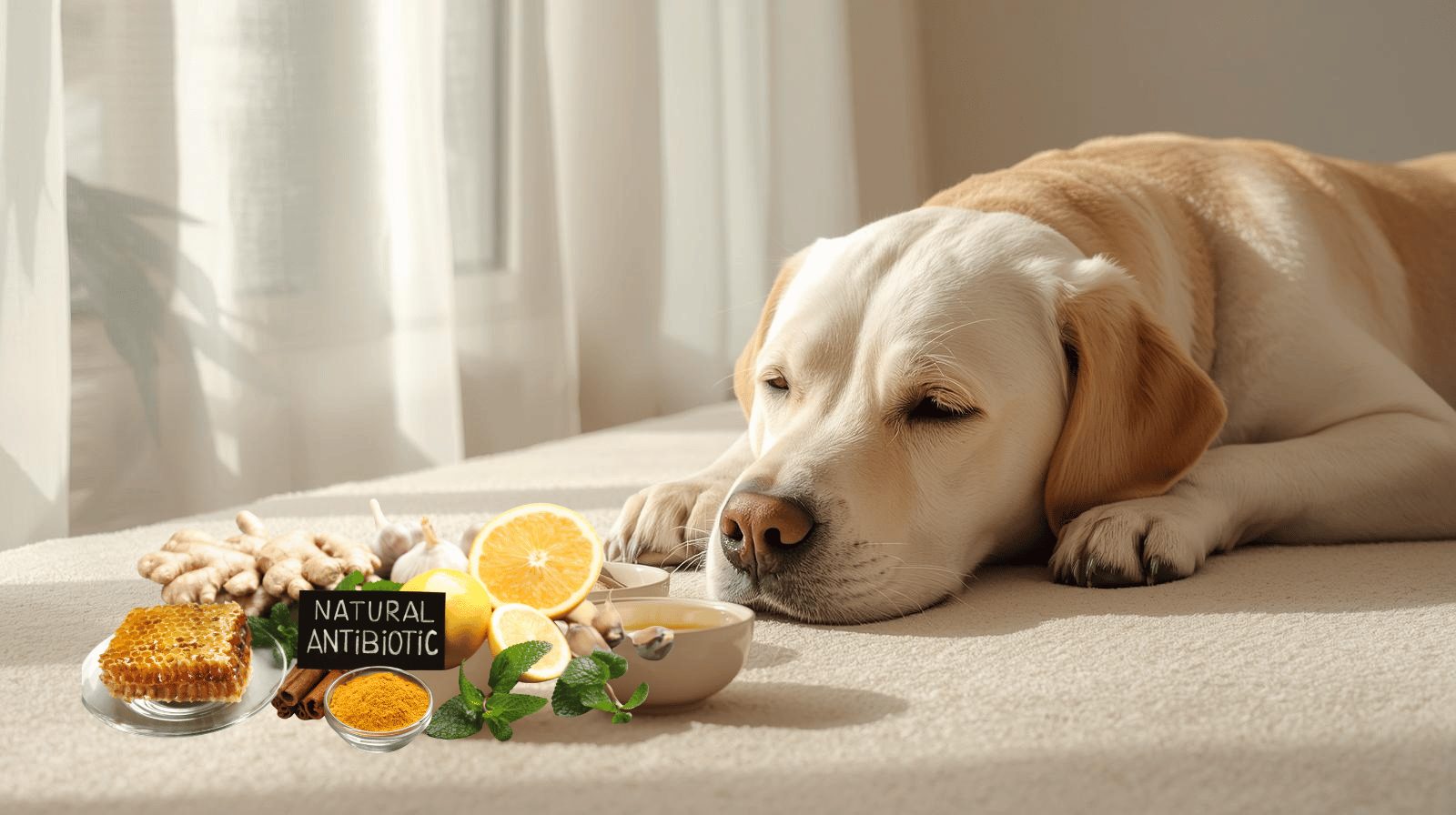
If your dog ever gets sick, you want the best care possible—without rushing to strong chemicals or prescription drugs. What if there were natural ways to help your furry friend fight infections safely and gently?
Natural antibiotics for dogs can support your pet’s health while reducing side effects and keeping their body in balance. You’ll discover simple, effective natural remedies that you can trust to protect your dog’s wellbeing. Keep reading to find out how these natural options can make a real difference in your dog’s recovery and overall health.
Benefits Of Natural Antibiotics
Natural antibiotics offer many benefits for dogs. They support healing without harsh chemicals. These remedies can help fight infections gently and effectively. Using natural options often reduces side effects seen with synthetic drugs. They also promote overall health and strengthen the immune system.
Safe And Gentle On Dogs
Natural antibiotics are less likely to cause allergies or upset stomachs. They work softly without harming healthy cells. Dogs often tolerate these remedies better than strong medicines. This safety makes them ideal for long-term use.
Supports Immune System
Many natural antibiotics boost the immune system. This helps dogs fight infections faster. They improve the body’s natural defense without weakening it. Strong immunity means fewer illnesses over time.
Reduces Risk Of Antibiotic Resistance
Using natural antibiotics lowers the chance of resistance. Overuse of synthetic antibiotics can make bacteria stronger. Natural options help avoid this problem. They keep treatments effective for future needs.
Promotes Overall Health
Natural antibiotics often contain vitamins and antioxidants. These nutrients improve skin, coat, and energy levels. They support healing beyond just fighting infection. Dogs feel better inside and out.
Common Natural Antibiotics For Dogs
Natural antibiotics can help support your dog’s health safely. Many plants and foods have properties that fight infections. These natural options may boost your dog’s immune system. They also help reduce inflammation and heal wounds. Use them with care and always check with a vet first.
Garlic
Garlic has natural compounds that kill bacteria. It may help stop infections and parasites. Use only small amounts, as too much can harm dogs. Fresh, crushed garlic works best for health benefits.
Honey
Honey is a natural antibacterial agent. It soothes wounds and fights germs. Raw honey contains enzymes that kill bacteria. Apply it to cuts or give a small spoon to your dog.
Turmeric
Turmeric contains curcumin, which reduces inflammation. It also fights bacteria and helps heal wounds. Mix turmeric powder with food for easy use. Keep the dose low to avoid stomach upset.
Coconut Oil
Coconut oil has antibacterial and antifungal properties. It helps skin infections and boosts immunity. Apply it on your dog’s skin or add it to meals. Use virgin coconut oil for best results.
Echinacea
Echinacea is a plant known to boost the immune system. It helps fight infections and speeds healing. Give echinacea in tea or supplement form. Always follow vet advice on the right amount.
How Natural Antibiotics Work
Natural antibiotics help fight infections in dogs without harsh chemicals. They support the immune system and target harmful bacteria. These remedies work gently and often cause fewer side effects than synthetic drugs.
Understanding how natural antibiotics work helps pet owners make better choices for their dogs’ health. These substances either kill bacteria or stop their growth. They also boost the dog’s natural defense mechanisms.
Targeting Harmful Bacteria
Natural antibiotics contain compounds that attack bad bacteria directly. These compounds break down bacteria walls or block their ability to reproduce. This stops infections from spreading inside the dog’s body.
Supporting The Immune System
Some natural antibiotics strengthen the dog’s immune response. They help the body recognize and fight infections faster. A strong immune system reduces illness duration and severity.
Reducing Inflammation
Many natural antibiotics also reduce swelling and pain. Lower inflammation helps dogs feel better quicker. This support is important during infections and healing processes.
Promoting Healing
Natural antibiotics aid tissue repair and recovery. They improve blood flow and cell regeneration. This speeds up healing after infections or wounds.
Safe Dosages And Administration
Natural antibiotics can help dogs fight infections safely. Proper dosages and correct administration are very important. Giving too much or too little can cause problems. Follow clear guidelines to keep your dog healthy and avoid side effects.
Always start with the lowest effective dose. Watch your dog’s reaction carefully. Adjust the amount only if needed and under expert advice. Use the right form, such as liquid, powder, or capsules, for easy giving.
How To Measure Safe Dosages
Use a small measuring spoon or syringe for accuracy. Check the product label for recommended doses based on your dog’s weight. Never guess the amount. Too much can harm your dog’s organs. Too little may not work well.
Best Methods To Administer Natural Antibiotics
Mix powders or liquids with food for easy swallowing. Use treats to hide pills or capsules. Hold your dog gently but firmly to avoid stress. Give the medicine at the same time every day. Consistency helps the treatment work better.
Signs Of Overdose Or Side Effects
Watch for vomiting, diarrhea, or unusual tiredness. Swelling or itching may also occur. Stop the medicine if these signs appear. Call your vet immediately for advice. Quick action can prevent serious health issues.
Potential Risks And Side Effects
Natural antibiotics for dogs seem safe and gentle. Yet, they carry some risks and side effects. Knowing these helps protect your dog’s health and avoid problems.
Natural does not always mean safe. Dogs react differently to herbs and supplements. Some may cause allergies or stomach upset. Careful use and monitoring are important.
Possible Allergic Reactions
Dogs can develop allergies to natural antibiotics. Symptoms include itching, swelling, and redness. Watch for sneezing or breathing trouble. Stop use and consult a vet if these appear.
Digestive Upset
Natural antibiotics may cause vomiting or diarrhea. Some herbs are strong and irritate the stomach. Give small doses first. Provide fresh water to keep your dog hydrated.
Interactions With Medications
Natural antibiotics can interact with prescription drugs. This changes how medicines work or increases side effects. Always tell your vet about any supplements you use.
Incorrect Dosage Risks
Giving too much natural antibiotic can harm your dog. Overdose may cause liver or kidney damage. Follow recommended doses carefully. Consult a vet before starting any treatment.
When To Use Natural Antibiotics
Natural antibiotics can help dogs in many cases. They support healing and fight infections without harsh chemicals. Knowing when to use them keeps your dog safe and healthy.
Not all infections need natural antibiotics. Some require vet care and medicines. Use natural options for mild issues and as a first step.
Minor Skin Infections And Irritations
Small cuts, scrapes, or rashes often heal with natural antibiotics. Ingredients like honey or coconut oil can reduce bacteria and soothe skin. These help avoid strong drugs unless the problem worsens.
Digestive Upsets And Mild Infections
Natural antibiotics support the gut during mild infections. They calm inflammation and fight bad bacteria. Options such as garlic or turmeric work gently for digestion problems.
After Vet Approval For Complementary Care
Always check with your vet before starting natural antibiotics. They can guide proper use alongside prescribed treatment. This avoids risks and ensures the best care for your dog.
Preventive Care During Vulnerable Times
Some dogs need extra support when weak or stressed. Natural antibiotics can boost immunity and prevent infections. Use them carefully as part of a healthy routine.
Combining Natural And Veterinary Treatments
Combining natural and veterinary treatments offers a balanced approach to dog health. Natural antibiotics can support healing and reduce side effects. Veterinary care ensures accurate diagnosis and proper medicine. Together, they provide a safer path to recovery.
This method helps protect dogs from antibiotic resistance. It also respects the body’s natural ability to fight infections. Careful use of both options leads to better results.
Consult Your Veterinarian Before Using Natural Antibiotics
Always talk to your vet before starting natural treatments. Some herbs and supplements may interact with prescribed medicines. Your vet can guide safe choices for your dog’s condition.
Veterinary advice ensures proper dosage and timing. It prevents complications and supports healing. Never replace vet care with natural remedies alone.
Use Natural Antibiotics As Supportive Therapy
Natural antibiotics work best as a support, not a replacement. They can boost the immune system and reduce inflammation. This support helps the body heal faster.
Examples include honey, garlic, and coconut oil. These have mild antibacterial properties and promote health. Use them alongside vet-prescribed treatments for best effect.
Monitor Your Dog’s Response Closely
Watch your dog carefully during combined treatment. Look for changes in behavior, appetite, or symptoms. Report any concerns to your veterinarian immediately.
Close monitoring helps catch problems early. It ensures the treatment is working well. Adjustments may be needed to improve care.

Credit: www.ebay.com
Signs Of Infection To Watch For
Dogs cannot tell us when they feel sick. We must watch their behavior closely. Early signs of infection help catch problems fast. This keeps dogs healthy and safe.
Infections can start small. They grow if not treated. Knowing what to watch for protects your dog. Some signs are easy to miss.
Changes In Appetite And Energy
Infected dogs often eat less than normal. They may seem tired or weak. Sudden loss of energy is a red flag. Watch for less interest in play.
Swelling And Redness
Infections cause swelling in affected areas. The skin may look red or warm. Check wounds or scratches for changes. Swollen spots hurt your dog when touched.
Unusual Discharge Or Smell
Infected wounds may leak pus or fluid. This discharge often has a bad smell. Clean wounds should not have any smell. Notice any new or strange odors from your dog.
Fever And Shaking
Fever is a common infection sign. Dogs may shake or shiver without cold. Touch their nose or ears to check heat. A warm body can mean infection.
Behavioral Changes
Infections affect mood and behavior. Dogs may hide or avoid contact. They could grow irritable or restless. Watch for sudden changes in how they act.
Preparing Natural Remedies At Home
Preparing natural remedies at home for dogs can be safe and effective. It gives control over ingredients and avoids harmful chemicals. Simple herbs and kitchen staples often provide healing benefits. Careful preparation ensures the remedy works well and stays fresh. Always use clean tools and store remedies properly.
Choosing Safe Ingredients
Pick ingredients known to help dogs. Garlic in small amounts fights bacteria. Honey soothes wounds and fights germs. Coconut oil works as an antifungal and moisturizer. Avoid toxic plants like onions, grapes, and chocolate. Research each ingredient for dog safety.
Making Herbal Infusions
Herbal infusions extract healing from leaves or flowers. Use dried herbs like chamomile or thyme. Pour hot water over herbs and steep 10 minutes. Cool the infusion before giving to your dog. Use a clean cloth to strain leaves out. Infusions help with skin infections and digestion.
Creating Natural Salves
Natural salves protect and heal wounds on dogs. Mix beeswax with oils like olive or coconut oil. Melt ingredients gently on low heat. Add herbs like calendula for extra healing. Pour into small containers and let cool. Apply salves to cuts or dry skin.
Storing Remedies Safely
Store remedies in clean, airtight containers. Keep them in a cool, dark place. Label each with the date of preparation. Use homemade remedies within a week or two. Discard if smell or color changes. Freshness maintains effectiveness and safety for your dog.

Credit: cpigroup.hu

Credit: www.amazon.com
Frequently Asked Questions
What Are Natural Antibiotics For Dogs?
Natural antibiotics for dogs include herbs like garlic, turmeric, and honey. They help fight infections without synthetic chemicals. These remedies support your dog’s immune system and reduce inflammation safely.
How Do Natural Antibiotics Benefit Dogs?
Natural antibiotics boost immunity, reduce side effects, and support healing. They avoid antibiotic resistance and maintain healthy gut flora in dogs. These benefits make them a safer alternative for mild infections.
Can I Use Natural Antibiotics Instead Of Vet Medicine?
Natural antibiotics can complement vet treatments but not replace them entirely. Always consult your vet before use. Severe infections need professional medical care to avoid complications.
Are Natural Antibiotics Safe For All Dog Breeds?
Most natural antibiotics are safe for all breeds when used correctly. Dosage depends on size, age, and health condition. Always check with your vet to prevent adverse reactions.
Conclusion
Natural antibiotics can help keep dogs healthy and fight infections. They often cause fewer side effects than medicines from the store. Always watch your dog closely when using natural remedies. Talk to your vet before starting any new treatment. Each dog is different and needs the right care.
Using natural options with care supports your dog’s well-being. Keep learning about safe, gentle ways to help your pet. Your dog deserves the best care every day.