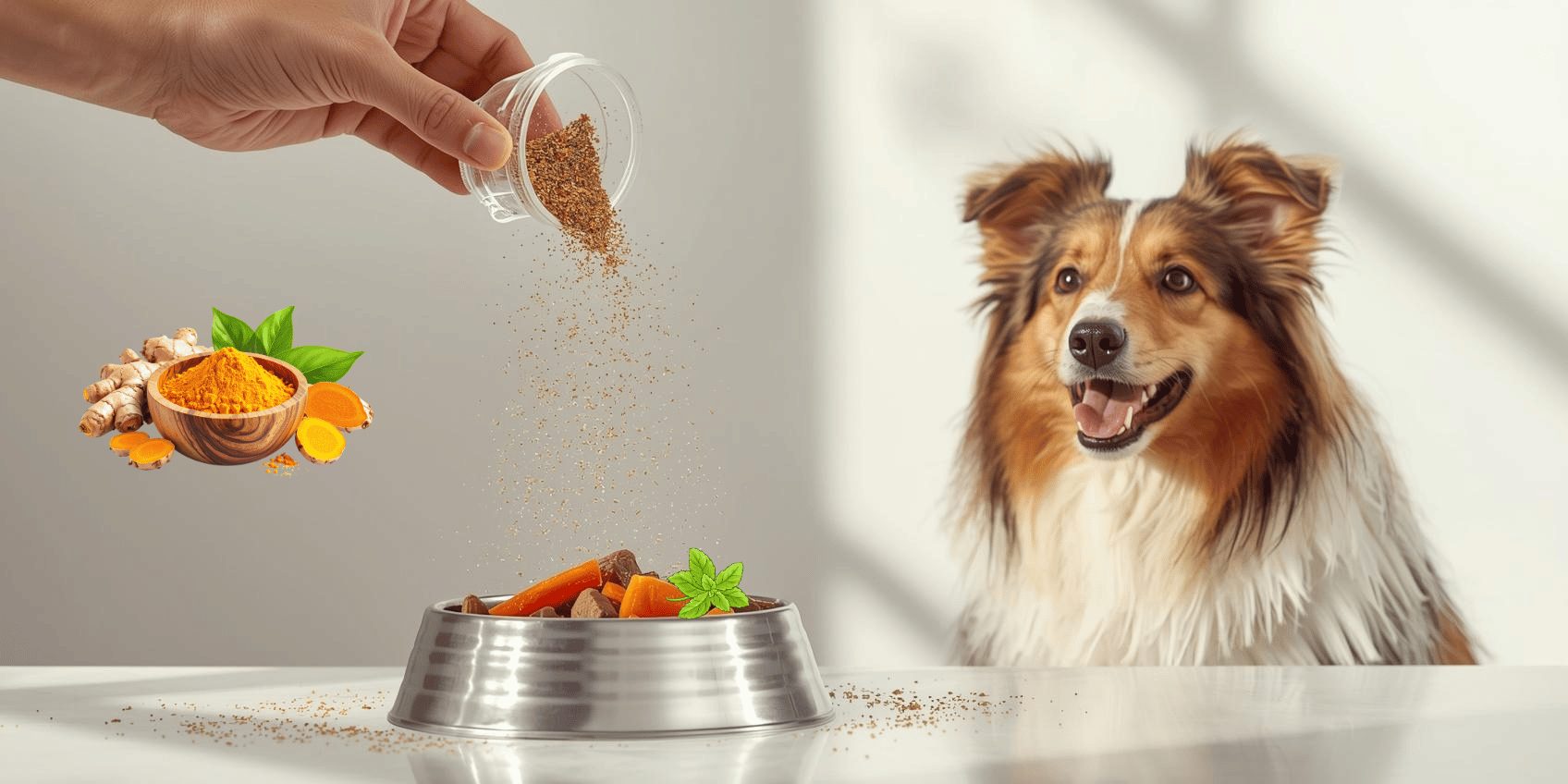
Are you looking for a simple way to make your dog’s meals tastier and healthier? Homemade dog food seasoning might be exactly what you need.
You want to give your furry friend food that’s both delicious and safe, but store-bought seasonings often contain ingredients that aren’t good for dogs. Imagine being able to add flavor and nutrition using natural, dog-friendly spices and herbs. You’ll discover easy recipes and tips to create your own homemade dog food seasoning that your pet will love.
Keep reading to find out how to make mealtime exciting and nutritious for your best friend!

Credit: spoiledhounds.com
Benefits Of Homemade Seasoning
Homemade dog food seasoning offers many benefits for your pet’s meals. It allows you to control what goes into your dog’s food. This helps keep your dog healthy and happy. Using homemade seasoning means you avoid many risks found in store-bought options. Your dog enjoys fresh, tasty food that suits their needs.
Health Advantages
Homemade seasoning supports your dog’s health by using natural ingredients. You can add herbs that help digestion and reduce inflammation. Avoiding salt and sugar keeps your dog’s heart and kidneys safe. Fresh spices provide vitamins and antioxidants that boost immunity.
Customizable Flavors
You choose flavors that your dog likes and tolerates well. Some dogs prefer mild tastes, others enjoy stronger herbs. You can try different combinations to keep meals interesting. Custom seasoning helps picky eaters enjoy their food more. Adjust the mix based on your dog’s age and health.
Avoiding Harmful Additives
Many commercial seasonings contain chemicals and preservatives. These can harm your dog’s health over time. Homemade seasoning is free from artificial colors and flavors. You know exactly what goes into every batch. This reduces the risk of allergies and digestive problems.
Safe Ingredients For Dogs
Choosing safe ingredients for homemade dog food seasoning is very important. Dogs have sensitive stomachs. Many common spices and herbs for humans can harm them. Using the right ingredients keeps your dog healthy and happy. It also makes meals tastier without risks.
Herbs To Use
Parsley is great for fresh breath and digestion. Basil helps fight inflammation and supports the immune system. Rosemary adds flavor and acts as a natural preservative. Thyme can improve digestion and reduce bacteria. Always use fresh or dried herbs in small amounts.
Spices To Avoid
Avoid onion and garlic powders. Both can cause anemia in dogs. Nutmeg is toxic and can cause seizures. Salt should be very limited to prevent kidney problems. Avoid spicy peppers like cayenne or chili. They can upset your dog’s stomach badly.
Nutritional Boosters
Ground flaxseed adds omega-3 fatty acids for a shiny coat. Turmeric helps with joint pain and inflammation. Ginger aids digestion and reduces nausea. A small amount of coconut oil can improve skin and coat health. Always introduce boosters gradually and watch for reactions.
Simple Seasoning Recipes
Simple seasoning recipes help make homemade dog food tastier and healthier. These blends use safe ingredients that dogs enjoy. They add flavor without harmful chemicals or salt. You can mix and match them easily.
Try these three easy seasoning ideas. They suit different tastes and needs. Each recipe uses natural herbs and spices that support your dog’s health.
Basic Blend
This simple mix adds flavor to any dog meal. Use 1 teaspoon of dried parsley, 1/2 teaspoon of turmeric, and 1/4 teaspoon of ground ginger. Parsley helps freshen breath. Turmeric reduces inflammation. Ginger aids digestion.
Herb Mix
Herbs add a fresh taste and boost nutrition. Combine 1 teaspoon of dried basil, 1 teaspoon of dried oregano, and 1/2 teaspoon of dried rosemary. These herbs provide antioxidants and support the immune system. Great for dogs with sensitive stomachs.
Protein Enhancer
This blend enhances protein flavor in homemade meals. Mix 1 teaspoon of powdered bone broth, 1/2 teaspoon of dried kelp, and 1/4 teaspoon of garlic powder. Bone broth adds collagen. Kelp supplies minerals. Garlic powder in small amounts can improve heart health.
Credit: thismessisours.com
How To Store Seasoning
Proper storage of homemade dog food seasoning keeps it fresh and tasty. It stops the spices from losing flavor or going bad. Simple steps help maintain the seasoning’s quality for longer. Store it right to keep your dog’s meals flavorful and healthy.
Storage Tips
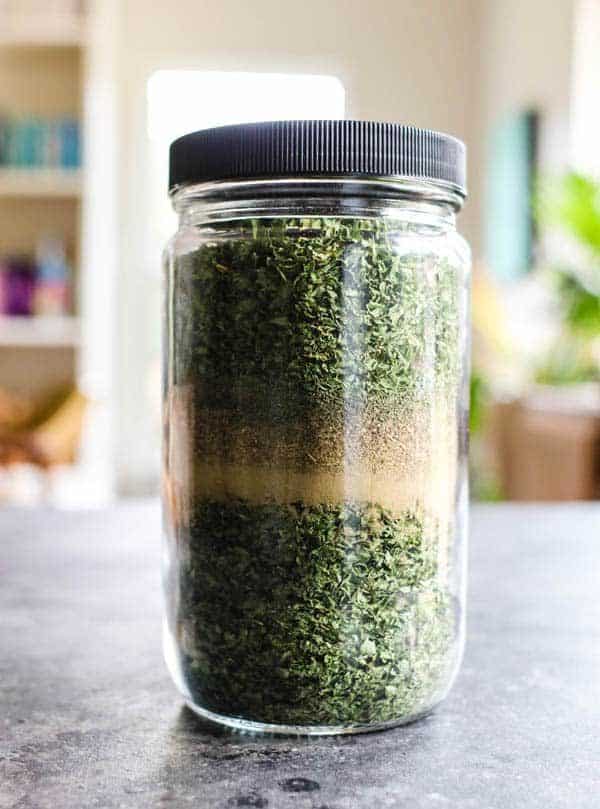
Use airtight containers to keep moisture out. Glass jars with tight lids work well. Store the seasoning in a cool, dark place. Avoid sunlight and heat, which reduce flavor. Keep containers away from strong smells that can mix with the seasoning.
Shelf Life
Homemade dog food seasoning lasts about 3 to 6 months. Ground spices lose strength faster than whole spices. Check the seasoning smell before use. If it smells weak or off, make a new batch. Proper storage helps extend the shelf life.
Maintaining Freshness
Shake the container before each use to mix the spices. Avoid dipping wet spoons into the seasoning to stop moisture. Label the container with the date made. Use smaller batches to keep the seasoning fresh. Store seasoning away from heat sources like stoves.
Tips For Introducing Seasoning
Introducing seasoning to your dog’s homemade food can improve flavor and nutrition. Start carefully to avoid upsetting their stomach or taste buds. Watch your dog’s response closely as you add new flavors.
Gradual Introduction
Begin with a small amount of seasoning. Mix it well into the food. Use mild herbs like parsley or basil first. Increase the amount slowly over several days. This helps your dog adjust to the new taste.
Monitoring Reactions
Observe your dog after each meal. Check for any signs of allergy or upset stomach. Look for itching, vomiting, or diarrhea. Also, watch if your dog refuses the food. Stop seasoning if any problem appears.
Adjusting Flavors
Change the seasoning based on your dog’s preference. Use less salt or spice if needed. Try different herbs to find what your dog likes. Keep flavors simple and natural. Avoid strong or spicy ingredients that may harm your dog.
Frequently Asked Questions
What Ingredients Are Safe For Homemade Dog Food Seasoning?
Safe ingredients include turmeric, parsley, ginger, cinnamon, and rosemary. Avoid onions, garlic, salt, and artificial spices as they harm dogs.
How Do I Make Dog-friendly Seasoning Blends?
Mix dog-safe herbs like parsley and turmeric with a pinch of cinnamon. Use small amounts and store in an airtight container.
Can Homemade Seasoning Improve My Dog’s Appetite?
Yes, natural herbs can enhance flavor and stimulate appetite. They also offer health benefits like anti-inflammatory and digestive support.
How Much Seasoning Should I Add To Dog Food?
Use a small pinch per serving. Too much seasoning can upset digestion or cause allergic reactions.
Conclusion
Homemade dog food seasoning adds flavor and nutrition to meals. It keeps your dog happy and healthy every day. Using simple ingredients makes cooking easy and safe. You can control what goes into your dog’s food. Fresh herbs and spices bring natural taste without chemicals.
Try different blends to find what your dog likes best. Cooking at home shows love and care for your pet. Small changes can make a big difference in their diet. Start seasoning today and enjoy mealtime with your dog.