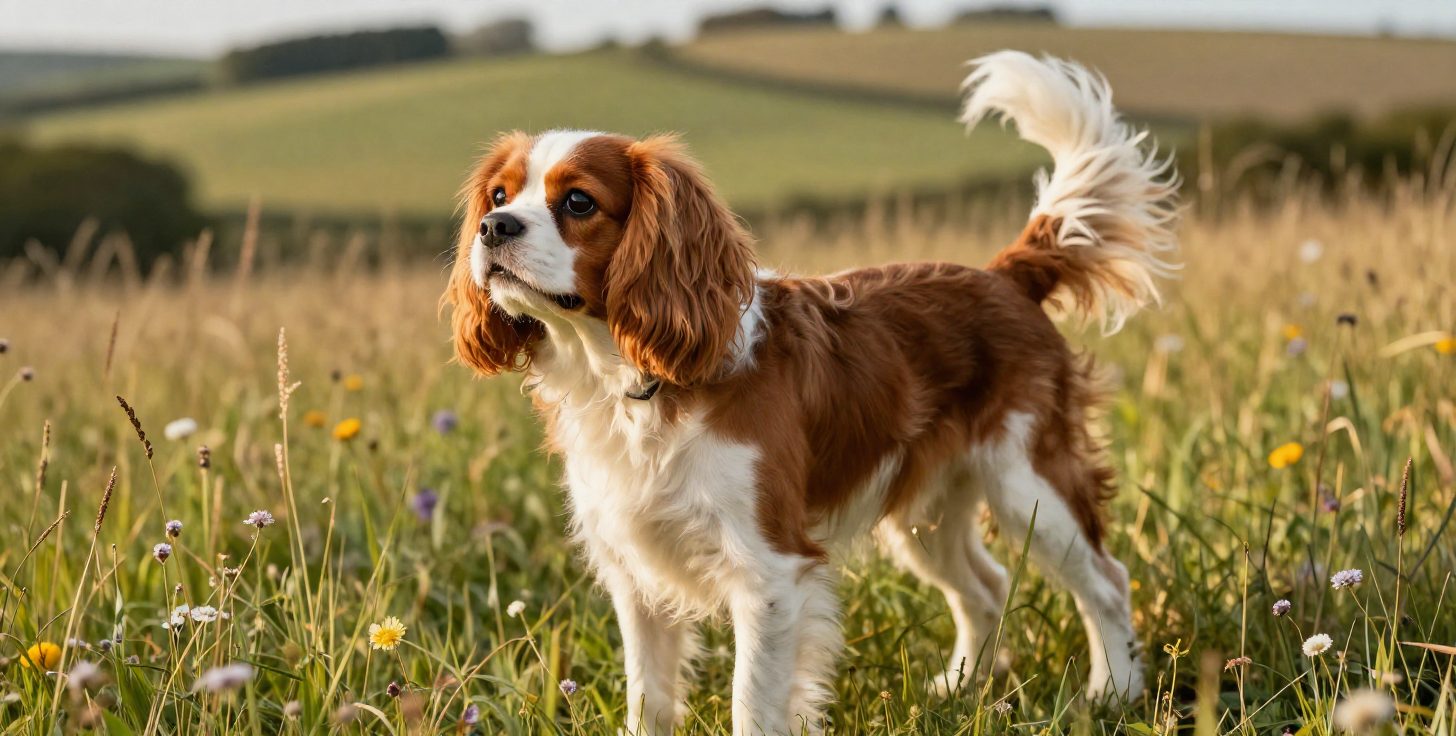
Are you curious if your Cavalier King Charles Spaniel has a hidden hunting instinct? You might be surprised to learn how much this charming little dog shares with traditional hunting breeds.
Understanding whether your furry friend has hunting roots can help you meet their needs and strengthen your bond. Keep reading to discover the truth about Cavalier King Charles Spaniels and their connection to hunting.
Road more to learn Are Cavalier King Charles Spaniels Hunting Dogs.
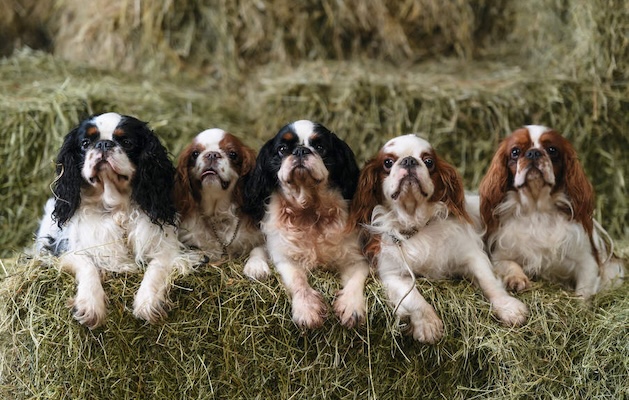
Credit: www.thefield.co.uk
Origins Of Cavalier King Charles Spaniels
Cavalier King Charles Spaniels have a rich history tied to British royalty. These small dogs were companions to kings and queens. Their gentle nature and elegant looks made them popular among nobility. Understanding their origins helps clarify if they were ever used as hunting dogs.
The breed we know today developed from older spaniels. These dogs were originally used for hunting. Over time, the focus shifted from hunting to companionship. This change shaped the Cavalier King Charles Spaniel’s role in society.
Historical Background
The Cavalier King Charles Spaniel traces back to the 16th and 17th centuries. Spaniels were common hunting dogs during this time. They helped hunters flush out birds and small game. The breed’s name comes from King Charles II of England. He adored small spaniels and kept many at his court.
These dogs became symbols of status and elegance. Paintings from that era show them sitting beside royalty. Their hunting skills became less important as they gained favor as lap dogs. By the 18th century, the breed started to change in appearance and purpose.
Breeding And Development
In the 1920s, breeders aimed to bring back the old-style spaniel look. They focused on dogs that resembled those from King Charles II’s time. Breeders mixed several spaniel types to revive the breed’s classic features. This effort gave birth to the modern Cavalier King Charles Spaniel.
Breeding focused on temperament as much as looks. The goal was a friendly, gentle companion dog. Hunting skills were not a priority. Today, Cavaliers are primarily family pets. They have kept some hunting traits but are not active hunting dogs.

Credit: www.akc.org
Physical Traits And Abilities
Cavalier King Charles Spaniels have unique physical traits. These traits affect their hunting skills and abilities. Understanding their size, build, senses, and agility helps to know if they fit as hunting dogs.
Size And Build
Cavaliers are small dogs, weighing between 13 to 18 pounds. Their compact size makes them easy to carry. They have a sturdy but delicate frame. Their legs are short and strong. This build suits gentle activities more than tough hunts. They do not have the muscular strength of typical hunting dogs.
Senses And Agility
These dogs have good eyesight and a keen sense of smell. They can track scents but not as sharply as hunting breeds. Cavaliers move gracefully and quickly. They show good agility in small spaces. Their speed is moderate, not fast like some hunting dogs. They are more suited for family play than rigorous hunting tasks.
Hunting Instincts And Skills
Cavalier King Charles Spaniels have a gentle nature but also show some hunting skills. Their history as hunting companions influences their behavior today. Understanding these instincts helps to see if they fit as hunting dogs.
They have certain natural traits that connect to hunting. These traits include chasing small animals and using their nose. Their skills are not as sharp as traditional hunting breeds but still present.
Natural Prey Drive
Cavaliers have a mild prey drive. They may chase birds, squirrels, or small animals in the yard. Their drive is less intense than that of hunting breeds like Beagles or Spaniels bred for hunting.
This breed enjoys play that mimics hunting, like fetch or chase games. Their prey drive is more about fun than serious hunting work. This makes them good pets but less reliable as hunting dogs.
Tracking And Retrieval Capabilities
Cavaliers can track scents but are not expert trackers. Their nose is good for finding treats or toys at home. Hunting dogs have stronger tracking skills to follow game over long distances.
They can learn to retrieve small items during play. Their soft mouth helps in gentle carrying. Yet, their retrieval skills are limited compared to trained hunting dogs.
Overall, Cavaliers show some hunting traits but are mainly companion dogs. Their skills suit family life more than hunting tasks.
Comparison With Traditional Hunting Breeds
Cavalier King Charles Spaniels differ from traditional hunting dogs in many ways. Comparing them helps understand their role and abilities better. Both belong to the spaniel group, but their hunting skills vary greatly.
Traditional hunting breeds are bred for specific tasks in the field. Cavaliers are more companion dogs with some hunting traits. Knowing these differences helps set clear expectations for each breed.
Spaniel Family Traits
Spaniels share traits like a strong sense of smell and good swimming skills. They often have floppy ears and soft, wavy coats. Most spaniels enjoy fetching and pointing to game. Cavaliers have these traits but are less driven to hunt. They are gentle and love human company more than chasing prey.
Differences In Purpose And Use
Traditional hunting spaniels work in fields and woods. They flush out birds or retrieve game after a shot. Cavaliers were bred mainly as lap dogs for nobility. Their small size and calm nature suit homes, not hunting grounds. Cavaliers may follow scents but lack stamina for long hunts. Their main purpose is companionship, not fieldwork.
Modern Roles And Activities
The Cavalier King Charles Spaniel is not a typical hunting dog today. Its role has changed over the years. This breed now shines in many other activities and tasks. They bring joy and comfort in homes and communities. Their gentle nature suits modern lifestyles well.
These dogs still carry some traits from their hunting past. Yet, they mostly serve as loving companions and helpers. They adapt easily to different environments and tasks. Understanding their modern roles helps appreciate their unique qualities.
Companion And Therapy Roles
Cavalier King Charles Spaniels are excellent companion dogs. Their friendly and calm nature makes them great family pets. They love being close to people and enjoy attention. Many serve as therapy dogs in hospitals and nursing homes. Their presence helps reduce stress and anxiety. They provide comfort with gentle behavior and soft eyes. These dogs offer emotional support to those in need. Their small size and quiet demeanor suit therapy work well.
Participation In Field Trials
Some Cavaliers still join field trials today. These events test hunting skills like tracking and retrieving. Their natural instincts help in this type of work. Field trials keep their hunting heritage alive in a fun way. Training for trials strengthens the dog’s mind and body. It also builds a strong bond between dog and owner. Cavaliers may not be top hunting dogs, but they enjoy these activities. Field trials give them a chance to use their energy and skills.
Training And Exercise Needs
Cavalier King Charles Spaniels need proper training and exercise to stay happy and healthy. Their energy levels are moderate, but they still require daily activities. These dogs enjoy learning new things and playing. Training sessions should be short and fun. Exercise helps them stay fit and calm.
Mental Stimulation
These dogs love challenges that make their brain work. Puzzle toys and simple obedience training keep them sharp. Mental exercise stops boredom and unwanted behavior. Teaching tricks or commands can be very rewarding for them. Short training sessions work best to hold their attention.
Physical Activity Requirements
Cavaliers need about 30 minutes to one hour of exercise daily. Walks, playtime, and gentle runs are ideal. They enjoy chasing balls and exploring new places. Avoid very hard exercise because of their small size. Regular activity helps control weight and improves mood.

Credit: cuea.edu
Frequently Asked Questions
Are Cavalier King Charles Spaniels Considered Hunting Dogs?
Cavalier King Charles Spaniels are not traditional hunting dogs. They were bred primarily as companion dogs, though they have some hunting ancestry. Their small size and gentle nature make them better suited for family pets than for rigorous hunting tasks.
Do Cavaliers Have Natural Hunting Instincts?
Cavaliers have mild hunting instincts due to their spaniel heritage. They may enjoy tracking scents and retrieving small objects. However, these instincts are less pronounced compared to typical hunting breeds, making them more suited for casual play than serious hunting.
Can Cavaliers Be Trained For Hunting Activities?
While Cavaliers can learn basic hunting skills, they are not ideal for hunting training. Their temperament and size limit their effectiveness in the field. They perform better in obedience, agility, and as loving companions rather than hunting roles.
What Hunting Roles Did Cavaliers Historically Have?
Historically, Cavaliers had limited hunting roles such as flushing small game. Their primary purpose was companionship for nobility rather than working as hunting dogs. Their gentle temperament and appearance reflect their role as lap dogs rather than hunters.
Conclusion
Cavalier King Charles Spaniels are not typical hunting dogs. They enjoy being pets and family companions. Their small size and gentle nature make them less suited for hunting tasks. They may have some hunting instincts but do not perform like traditional hunting breeds.
These dogs thrive on love, play, and comfort. Choosing a Cavalier means choosing a friendly, loyal friend, not a hunting partner. Understanding their nature helps owners give them the best care. Their charm lies in their sweet personality, not in hunting skills.