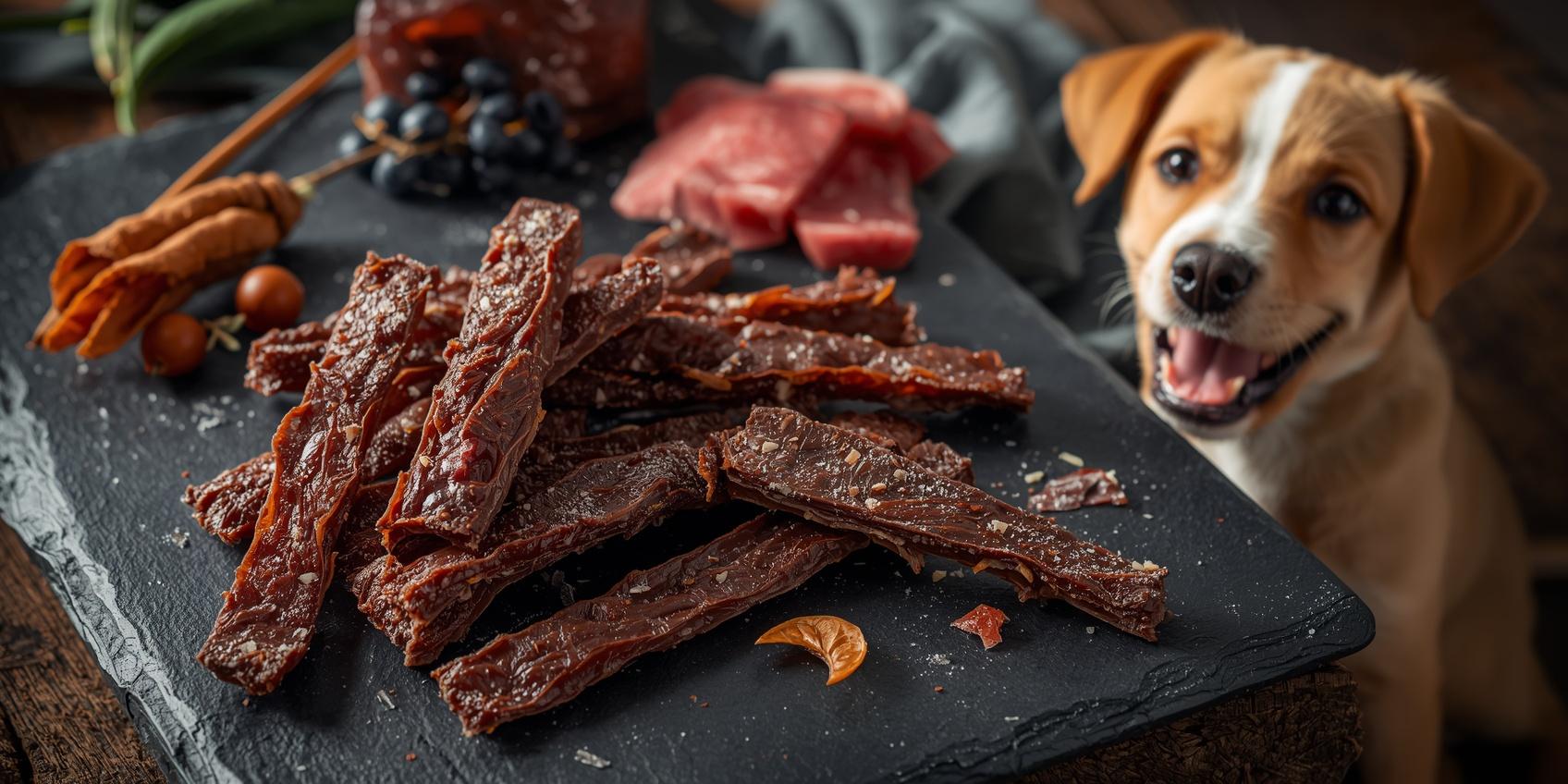
If you love treating your dog to something special, homemade beef jerky for dogs might just be the perfect snack. You want something healthy, tasty, and safe for your furry friend, right?
Making beef jerky at home lets you control exactly what goes into it—no mystery ingredients or preservatives. Plus, it’s a fun way to show your dog some extra love with a crunchy, protein-packed treat they’ll adore. Keep reading, and you’ll discover easy steps to make delicious, dog-friendly beef jerky that will have your pup begging for more!

Credit: userealbutter.com
Benefits Of Beef Jerky For Dogs
Beef jerky is a popular treat for dogs. It offers many benefits beyond just taste. Giving your dog homemade beef jerky can support their health in different ways. This treat is easy to digest and packed with nutrients. It also helps keep dogs busy and happy.
Homemade jerky allows control over ingredients. No harmful additives or preservatives. Just pure, natural meat your dog will love.
Nutritional Value
Beef jerky contains high protein. Protein helps build strong muscles. It also supports energy and healthy skin. Jerky has important vitamins like B12 and iron. These nutrients help keep your dog active. It is low in fat, making it a healthy snack choice.
Healthy Treat Alternative
Many store treats have fillers and sugar. Jerky made at home is free from these. It is a natural option for training or rewarding. This treat helps avoid weight gain. It reduces the risk of allergies caused by artificial ingredients. A simple, healthy snack your dog will enjoy.
Improved Dental Health
Chewing jerky helps clean teeth. It removes plaque and tartar buildup. This reduces bad breath in dogs. The chewy texture also massages gums. Strong gums mean fewer dental problems. A tasty way to support your dog’s oral health.
Choosing The Right Beef Cuts
Choosing the right beef cuts is key to making safe and tasty jerky for dogs. The cut affects texture, flavor, and health benefits. Good cuts have less fat and no chemicals. Picking the best meat helps keep your dog happy and healthy.
Lean Meat Selection
Lean beef cuts work best for homemade jerky. Fat can spoil quickly and cause stomach issues. Choose cuts like top round, eye of round, or sirloin. These have less fat and dry evenly. Lean meat makes jerky chewy and easy to digest.
Avoiding Additives And Fillers
Always pick fresh, plain beef without additives. Avoid meat with added salt, spices, or preservatives. These can harm your dog’s health. Check labels carefully if buying pre-cut meat. Pure beef ensures the jerky stays natural and safe for dogs.
Preparing Beef For Jerky
Preparing beef for jerky is a key step in making healthy treats for dogs. The right preparation ensures the jerky is safe, tasty, and easy to chew. It starts with choosing the right cut of beef and ends with slicing it properly.
Proper preparation helps keep the jerky lean and preserves nutrients. It also makes the drying process faster and more even. Follow these steps to prepare beef perfectly for your dog’s jerky.
Trimming Fat
Remove all visible fat from the beef before slicing. Fat can spoil quickly and cause the jerky to go bad. Use a sharp knife to cut away any white or yellow fat parts. Keep only the lean meat for the best results. This helps the jerky last longer and stay fresh.
Slicing Techniques
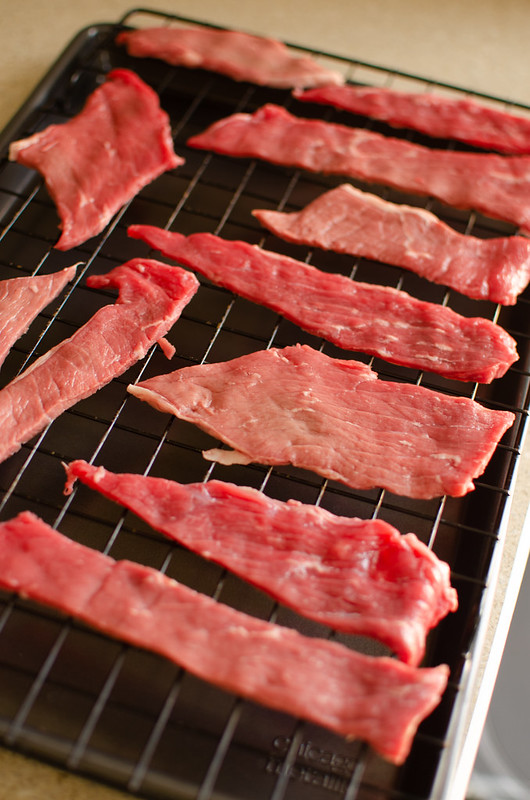
Slice the beef into thin, even strips. Aim for about 1/8 to 1/4 inch thick pieces. Cut against the grain for tender jerky that is easier to chew. Cutting with the grain makes the jerky tougher. Use a sharp knife or meat slicer for clean cuts. Even slices dry evenly and prevent soft spots.

Credit: www.dalmatiandiy.com
Safe Seasoning Options
Making homemade beef jerky for dogs is a great treat idea. Choosing safe seasonings is very important. Some spices are good for dogs, while others can harm them. Using the right ingredients keeps your dog healthy and happy. Simple, dog-friendly spices add flavor without risk.
Dog-friendly Spices
Many common spices are safe for dogs in small amounts. Cinnamon is a gentle spice that dogs often enjoy. It can help with digestion and freshen breath. Ginger is another good option; it soothes the stomach and reduces nausea. Turmeric supports joint health and has anti-inflammatory effects. Parsley adds a fresh taste and helps with bad breath. Use these spices lightly to avoid upsetting your dog’s tummy.
Avoiding Harmful Ingredients
Some seasonings can be dangerous to dogs. Avoid onion and garlic powder. Both can cause anemia and digestive issues. Salt should be very limited or left out completely. Too much salt harms a dog’s kidneys and heart. Avoid spicy peppers and hot seasonings. These can irritate the mouth and stomach. Stick to plain meat and safe spices for the best homemade jerky.
Drying Methods
Drying beef jerky is the key step to make a tasty, chewy treat for your dog. It removes moisture so the jerky lasts longer and stays safe. Several drying methods work well at home. Each method has its own benefits and tips to get the best results.
Using A Dehydrator
A dehydrator is a simple tool made for drying food. It uses low heat and air circulation to dry the meat evenly. Cut the beef into thin strips for faster drying. Place the strips on dehydrator trays without overlapping. Set the temperature around 160°F (70°C). Dry for 4 to 6 hours. Check the jerky often to avoid over-drying. The dehydrator keeps a steady temperature, which helps kill bacteria.
Oven Drying Tips
You can dry beef jerky in your oven if you don’t have a dehydrator. Use the lowest heat setting, usually between 160°F and 175°F. Place the meat strips on a wire rack over a baking sheet. This allows air to flow around the strips. Keep the oven door slightly open with a wooden spoon to let moisture escape. Dry for 4 to 8 hours. Turn the strips halfway through drying to ensure even texture. Watch closely to avoid burning.
Air Drying
Air drying is a natural way to dry jerky without heat. It takes longer and needs a dry, warm place with good airflow. Hang thin strips of beef on hooks or a clean rack. Avoid humid or cold areas to prevent spoilage. Air drying can take several days. Check the jerky daily and cover it with a fine mesh to protect from bugs. This method keeps the jerky chewy but requires patience and care.
Storage And Shelf Life
Proper storage keeps homemade beef jerky fresh and safe for dogs. It helps keep the jerky tasty and stops it from spoiling. Knowing how to store jerky extends its shelf life and saves waste.
Proper Packaging
Store beef jerky in airtight containers or resealable bags. Remove as much air as possible before sealing. Use vacuum-sealed bags for the best freshness. Keep the jerky dry to prevent mold growth. Label packages with the date made to track freshness easily.
Refrigeration And Freezing
Refrigerate jerky to keep it fresh longer, especially in warm weather. Store it in a sealed container to avoid moisture and odors. Freeze jerky for very long storage, up to six months. Thaw frozen jerky slowly in the fridge before use. Avoid refreezing thawed jerky to keep quality high.
Feeding Guidelines
Feeding homemade beef jerky to dogs requires care and attention. Proper guidelines help keep your pet safe and healthy. It is important to control how much and how often you feed jerky treats. This section explains the best feeding practices for your dog’s homemade beef jerky.
Portion Control
Start with small pieces to avoid choking. The size depends on your dog’s weight and size. Small dogs need smaller portions than large dogs. Too much jerky can cause stomach upset. Treats should not replace regular dog food. Always watch your dog after giving jerky.
Frequency Of Treats
Limit jerky treats to a few times a week. Daily treats can lead to weight gain or health issues. Use jerky as a reward during training or playtime. Give treats in moderation to keep your dog eager. Balance treats with regular meals and exercise.
Potential Risks And Precautions
Making homemade beef jerky for dogs can be a healthy treat option. It allows control over ingredients and avoids harmful additives. Yet, some risks need careful attention to keep dogs safe and happy. Knowing these risks helps prevent accidents and health problems.
Choking Hazards
Beef jerky pieces can be tough and chewy. Small or large chunks may cause choking. Always cut jerky into small, bite-sized pieces. Supervise your dog while eating jerky treats. Avoid giving jerky to puppies or dogs that eat too fast. Softening jerky slightly can reduce choking risks.
Allergy Considerations
Dogs can be allergic to beef or other ingredients. Watch for itching, swelling, or digestive upset after jerky treats. Introduce homemade jerky slowly and in small amounts. Consult your vet if your dog has known allergies. Choose simple recipes with limited ingredients to spot allergies easily.
Credit: fakeginger.com
Frequently Asked Questions
What Ingredients Are Safe For Homemade Beef Jerky For Dogs?
Use lean beef, no seasoning, salt, or preservatives. Avoid onions, garlic, and spices. Keep it simple and natural for dog safety.
How Long Should Homemade Beef Jerky Be Dried?
Dry beef jerky for dogs between 4 to 6 hours at 160°F. Ensure it’s fully dried to prevent spoilage and bacteria.
Can Homemade Beef Jerky Harm My Dog?
Properly made jerky is safe in moderation. Avoid additives and store it well to prevent mold and contamination.
How To Store Homemade Beef Jerky For Dogs?
Store jerky in an airtight container in the fridge up to two weeks. For longer storage, freeze in sealed bags.
Conclusion
Making homemade beef jerky for dogs is simple and safe. You control the ingredients and avoid harmful additives. Dogs enjoy the chewy texture and tasty flavor. It’s a great treat for training or rewards. Always use lean beef and dry it well to keep it fresh.
Store jerky properly to keep your dog healthy. This treat shows your dog love in a healthy way. Try making some jerky and watch your dog enjoy every bite.