Doggy Scout

Homemade Dog Cake With Meat – Delicious Easy Recipe
Homemade Dog Cake With Meat

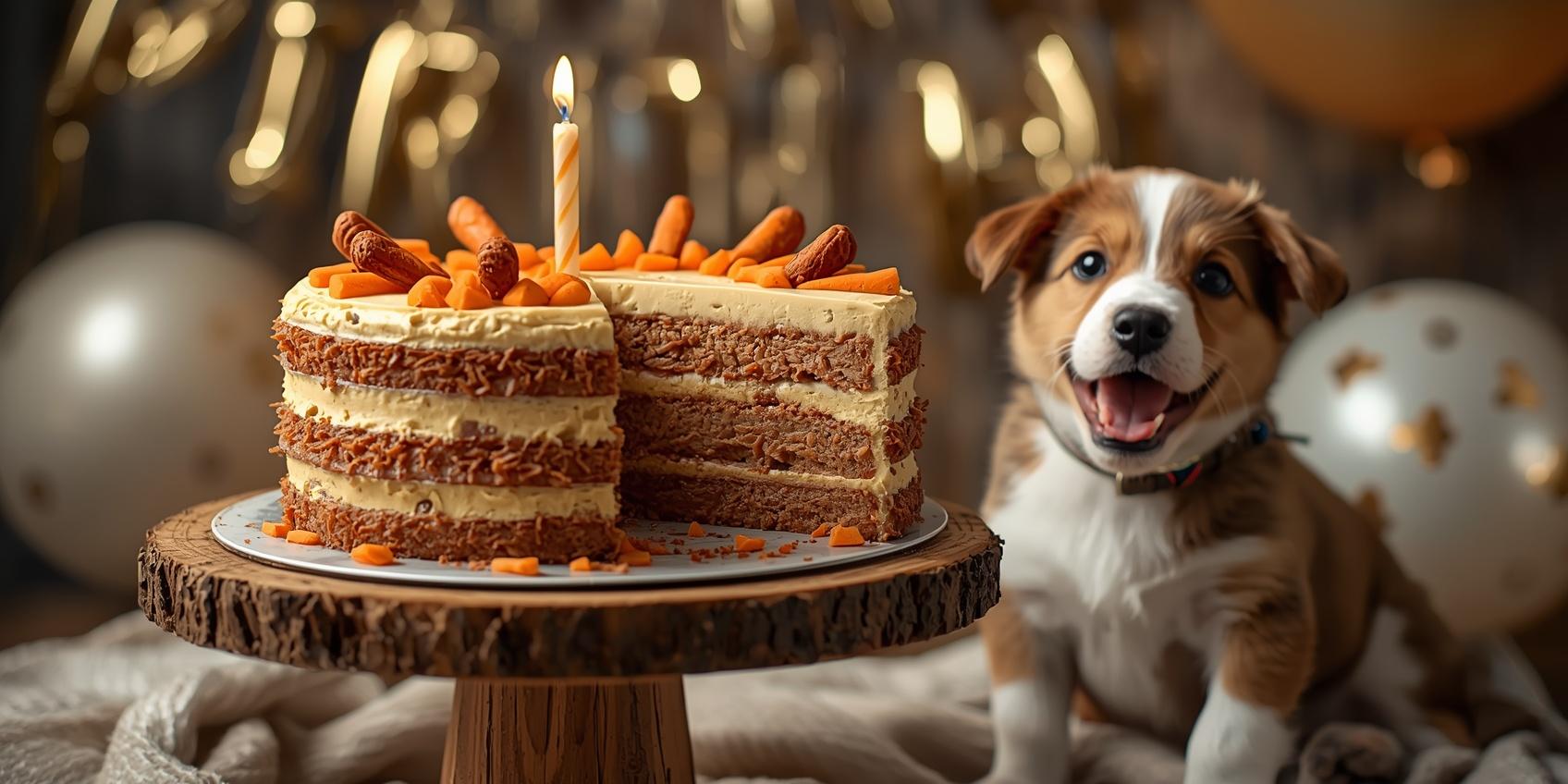
If you want to treat your furry friend to something extra special, a homemade dog cake with meat is the perfect choice. Imagine your dog’s tail wagging with excitement as they enjoy a tasty, healthy treat made just for them. You don’t need fancy ingredients or complicated steps to make a cake that’s both delicious and good for your pet. Keep reading to discover an easy recipe that will make your dog feel loved and spoiled on any occasion. Your dog deserves it! Credit: www.theflavorbender.com Ingredients For Dog-friendly Meat Cake Creating a dog-friendly meat cake starts with the right ingredients. Choosing safe and tasty components keeps your dog happy and healthy. This guide helps you pick meats, vegetables, and flavors that suit your dog’s diet. Each ingredient adds nutrition and taste to the cake. Let’s explore what works best for your furry friend. Selecting Safe Meats Pick meats that are lean and easy to digest. Chicken, turkey, and lean beef are great choices. Avoid processed or seasoned meats. Raw or cooked meats must be fresh and clean. Remove bones to prevent choking hazards. These meats provide protein and essential nutrients. They form the base of your dog’s meat cake. Choosing Dog-safe Vegetables Vegetables add fiber and vitamins to the cake. Carrots, peas, and sweet potatoes work well. Avoid onions, garlic, and mushrooms as they are toxic. Cook vegetables lightly for easy digestion. Chop them into small pieces for better mixing. These veggies improve taste and boost health. Additional Flavor Enhancers Use natural flavor enhancers that dogs enjoy. Plain yogurt adds creaminess and good bacteria. A small amount of parsley helps freshen breath. Avoid salt, sugar, and artificial spices. Bone broth can add moisture and flavor. These extras make the cake more appealing without harm. Preparing The Meat Base Preparing the meat base is the first step in making a homemade dog cake with meat. The meat provides protein and flavor that dogs love. Choosing the right cooking method helps keep the meat tender and safe. Mixing meat with other ingredients creates a balanced and tasty base for your dog’s cake. Cooking Techniques For Meat Use simple cooking methods like boiling, baking, or steaming. Avoid frying or using oil. Boiling keeps the meat soft and easy to digest. Baking helps retain flavor without adding fat. Steaming preserves nutrients and moisture. Cook the meat fully to kill any bacteria. Let the meat cool before mixing it with other ingredients. Mixing Meat With Other Ingredients Choose dog-safe ingredients like eggs, vegetables, and oats. Eggs add binding and extra protein. Vegetables like carrots and peas add fiber and vitamins. Oats provide healthy carbs and texture. Mix the cooked meat with these ingredients evenly. Avoid using salt, sugar, or spices. Stir the mixture gently to keep it soft. The result is a tasty, nutritious base for your dog cake. Baking The Cake Baking the homemade dog cake with meat is a fun and rewarding step. It brings all the ingredients together into a tasty treat your dog will love. Careful baking keeps the flavors fresh and the texture just right. Follow simple tips to bake the perfect cake for your furry friend. Choosing The Right Bakeware Select bakeware that fits the cake size. Small round or square pans work well. Avoid metal pans that can overheat and dry the cake. Use silicone or glass pans for even baking. These materials help keep the cake moist and soft. Grease the pan lightly to prevent sticking. Ideal Baking Temperature And Time Set the oven to a moderate temperature, around 350°F (175°C). This heat cooks the cake evenly without burning the meat. Bake the cake for 25 to 30 minutes. Check doneness by inserting a toothpick; it should come out clean. Let the cake cool before removing it from the pan. Cooling helps the cake firm up and stay moist. Decorating The Dog Cake Decorating a homemade dog cake with meat makes it special. It adds fun and makes your dog excited to eat. Simple decorations also keep the cake healthy and safe. Healthy Frosting Options Use plain yogurt as a smooth, tasty frosting. It is gentle on your dog’s stomach. Cream cheese works well too but choose low-fat types. Mashed pumpkin is another good choice. It adds color and nutrition without sugar or harmful ingredients. Avoid sugary or artificial frostings that hurt dogs. Toppings Safe For Dogs Choose toppings that are safe and add texture. Small pieces of cooked meat fit perfectly on top. Carrot slices or green beans give a crunchy touch. Blueberries and apple bits add sweetness without sugar. Avoid chocolate, nuts, or grapes. These are toxic to dogs and can cause serious harm. Serving And Storage Tips Serving and storing homemade dog cake with meat needs care. Proper portion and storage keep your dog safe and happy. This section explains easy tips for serving and storing the cake. Portion Sizes For Dogs Portion size depends on your dog’s weight and age. Small dogs need smaller pieces to avoid overeating. Large dogs can have bigger slices but not too much. Start with a small amount to check your dog’s reaction. Avoid feeding the whole cake at once. Break the cake into daily servings for better digestion. Storing Leftovers Safely Store leftover dog cake in an airtight container. Keep it in the fridge to stay fresh for 3-4 days. For longer storage, freeze the cake in portions. Thaw frozen pieces in the fridge before serving. Never leave the cake out too long. Bacteria can grow quickly and harm your dog. Credit: spoiledhounds.com Benefits Of Homemade Dog Cakes Homemade dog cakes with meat offer many benefits for your pet. They provide a healthy treat that you control. You know exactly what goes into each cake. This helps keep your dog safe and happy. Making cakes at home lets you use fresh ingredients. Your dog enjoys real flavors and textures. This makes the treat more exciting and tasty. It also helps build a stronger bond between you … Read more
Small Dogs That Don’t Shed – Amazing Low-Shed Breeds

Small Dogs That Don't Shed

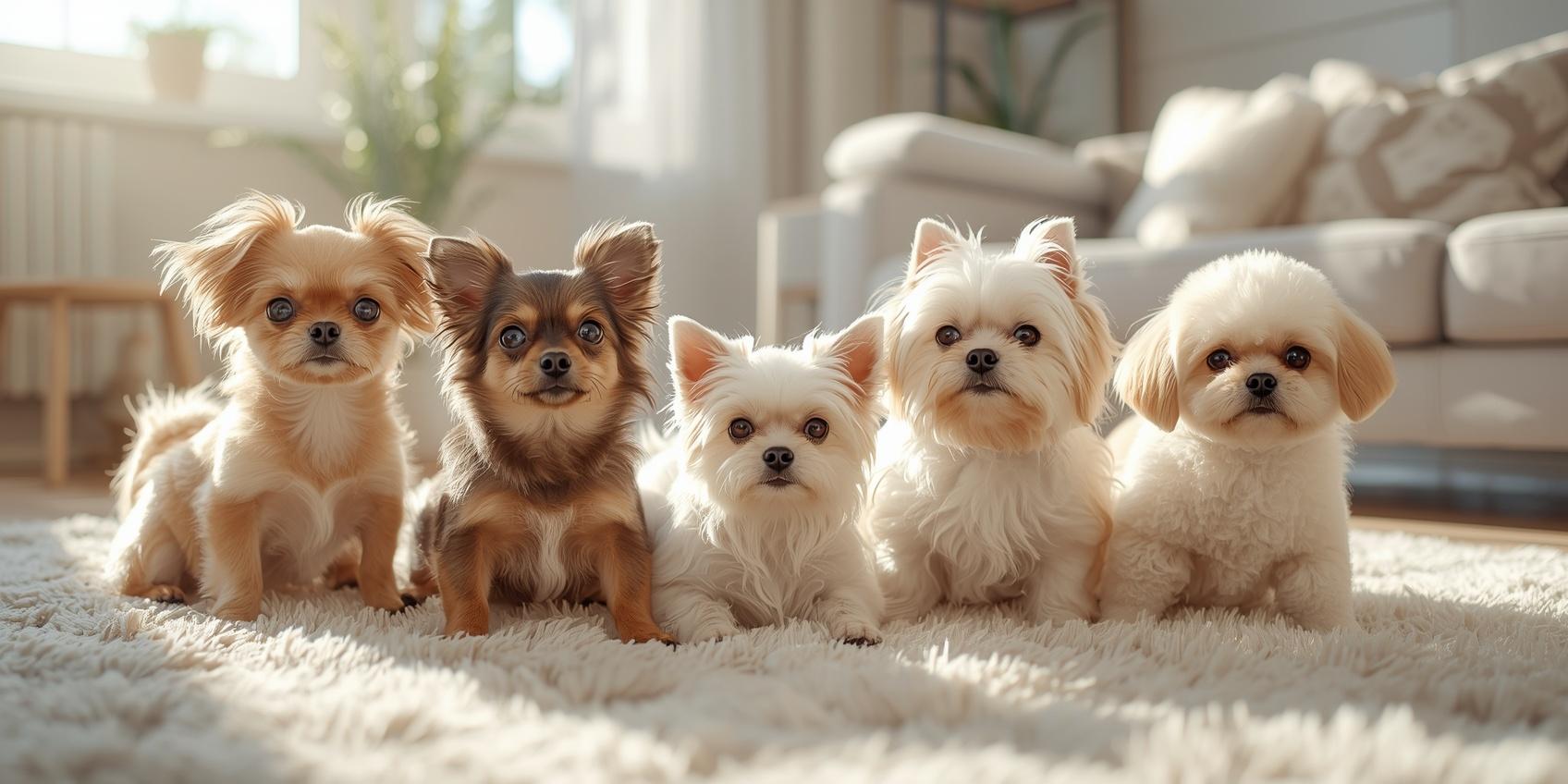
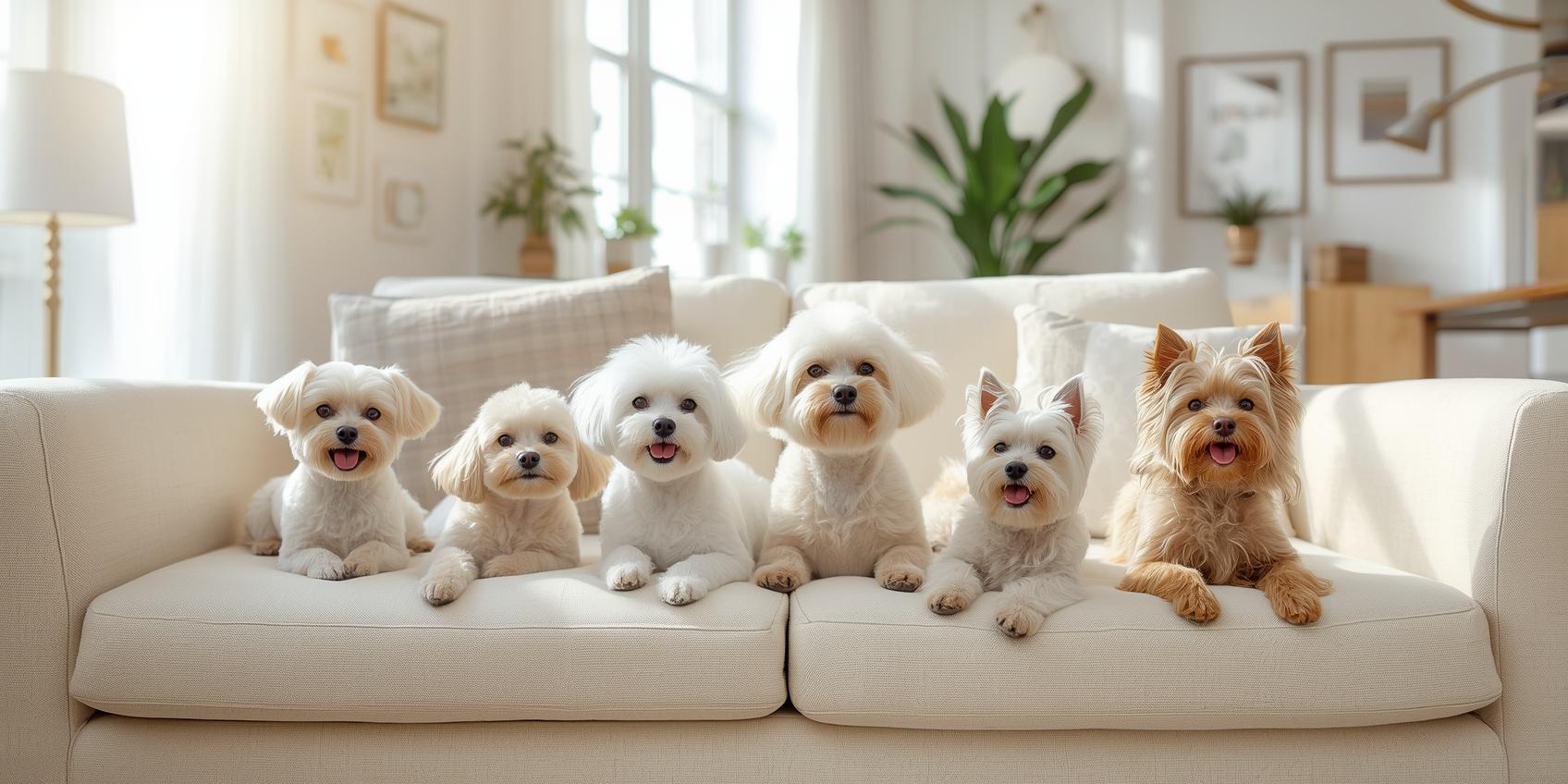
Are you tired of dealing with pet hair all over your clothes and furniture? If you love dogs but hate the constant shedding, you’re not alone. Finding small dogs that don’t shed much can make a huge difference in your daily life. Imagine having a furry friend who stays by your side without leaving a trail of hair everywhere. You’ll discover the best small dog breeds that keep shedding to a minimum. Keep reading to find the perfect low-shedding companion for your home and lifestyle. Credit: www.akc.org Best Small Non-shedding Breeds Small dogs that do not shed are perfect for many homes. These breeds keep your space cleaner. They also cause less trouble for people with allergies. Small size means they fit well in apartments or small houses. These dogs bring joy without extra mess. Bichon Frise The Bichon Frise has soft, curly fur that traps loose hair. This breed rarely sheds, making it great for clean homes. It is friendly and loves to play. Bichons enjoy being around people and other pets. They need regular grooming to stay healthy. Maltese The Maltese has long, silky hair that sheds very little. This small dog is gentle and affectionate. It adapts well to indoor life. Maltese dogs like quiet environments and soft beds. They require careful grooming to avoid tangles. Toy Poodle Toy Poodles have tight curly coats that keep hair in. They shed almost nothing. These dogs are smart and easy to train. They enjoy activities and mental challenges. Regular grooming is important to keep their coat clean. Shih Tzu Shih Tzus have dense, long hair that sheds very little. This breed is calm and loving. They like to be close to their owners. Shih Tzus need daily brushing to prevent mats. Their friendly nature makes them great companions. Yorkshire Terrier Yorkshire Terriers have fine, silky hair that sheds minimally. They are lively and brave despite their size. Yorkies enjoy short walks and playtime. Regular grooming keeps their coat shiny and neat. They bond strongly with their families. Benefits Of Non-shedding Small Dogs Small dogs that do not shed offer many advantages. They are perfect for people who want a pet without the mess. These dogs keep homes cleaner and reduce allergy problems. Their size makes them ideal for many living spaces. Choosing a non-shedding small dog brings comfort and convenience. Allergy-friendly Pets Non-shedding dogs produce fewer allergens. This helps people with allergies feel better around pets. They do not spread fur all over the house. Breeds like the Maltese or Shih Tzu cause fewer allergy issues. These dogs allow more people to enjoy pet companionship. Easier Home Maintenance Homes stay cleaner with dogs that do not shed. Less fur means less cleaning on floors and furniture. Vacuuming and dusting become quicker and easier tasks. These dogs save time and effort in daily chores. They keep living spaces neat without extra work. Suitable For Apartment Living Small, non-shedding dogs fit well in apartments. Their size suits limited space perfectly. They do not leave fur on small furniture or carpets. These dogs adapt well to indoor life. They make apartment living more enjoyable and tidy. Grooming Needs For Small Non-shedding Dogs Small non-shedding dogs need special grooming to stay healthy and clean. Their coats do not drop much hair, but they still need care. Proper grooming keeps their skin healthy and fur soft. It also helps avoid mats and tangles. Regular attention to grooming makes these dogs happy and neat. Regular Brushing Techniques Brush your small dog’s coat at least two to three times a week. Use a soft-bristle brush or a comb made for small dogs. Brush gently to remove dirt and loose hair. Pay close attention to areas behind ears and under legs. Brushing prevents mats and spreads natural oils. This keeps the coat shiny and smooth. Professional Grooming Frequency Visit a professional groomer every 6 to 8 weeks. Groomers trim the coat to keep it tidy and comfortable. They also check for skin problems or parasites. Grooming sessions may include nail clipping and ear cleaning. Regular professional care helps keep your dog healthy and neat. Bathing And Coat Care Bath your small dog every 4 to 6 weeks. Use gentle shampoo made for dogs to avoid skin dryness. Rinse well to remove all soap residue. Dry the coat completely to prevent skin irritation. Regular baths keep your dog fresh and reduce odors. Clean skin supports a soft, healthy coat. Health Considerations Small dogs that do not shed are great for many homes. Caring for their health is very important. These dogs have some special health needs. Understanding these needs helps keep them happy and strong. Good care starts with knowing common health problems. Diet and exercise play a big role too. Preventive care helps avoid illness and injury. Let’s explore these key health considerations. Common Health Issues Small, non-shedding dogs may face certain health problems. Dental issues are common because of their small mouths. They may develop tooth decay or gum disease. Some breeds have breathing problems due to short noses. Joint problems like patellar luxation affect many small dogs. Allergies can cause skin irritation and itching. Watch for signs like coughing, limping, or scratching. Early visits to the vet help catch problems soon. Diet And Exercise Tips Feeding a balanced diet keeps small dogs healthy. Choose food made for small breeds. Avoid overfeeding to prevent obesity. Obesity causes joint and heart problems. Exercise is needed but should be gentle. Short walks and playtime suit small dogs well. Regular activity helps keep their weight in check. It also improves mood and energy. Adjust exercise based on your dog’s age and health. Preventive Care Preventive care protects your dog from many illnesses. Vaccinations are crucial to prevent diseases. Regular vet check-ups detect health issues early. Dental cleanings keep teeth and gums healthy. Parasite control stops fleas, ticks, and worms. Grooming supports skin health and comfort. Trim nails to avoid pain or injury. Preventive steps save money and stress … Read more

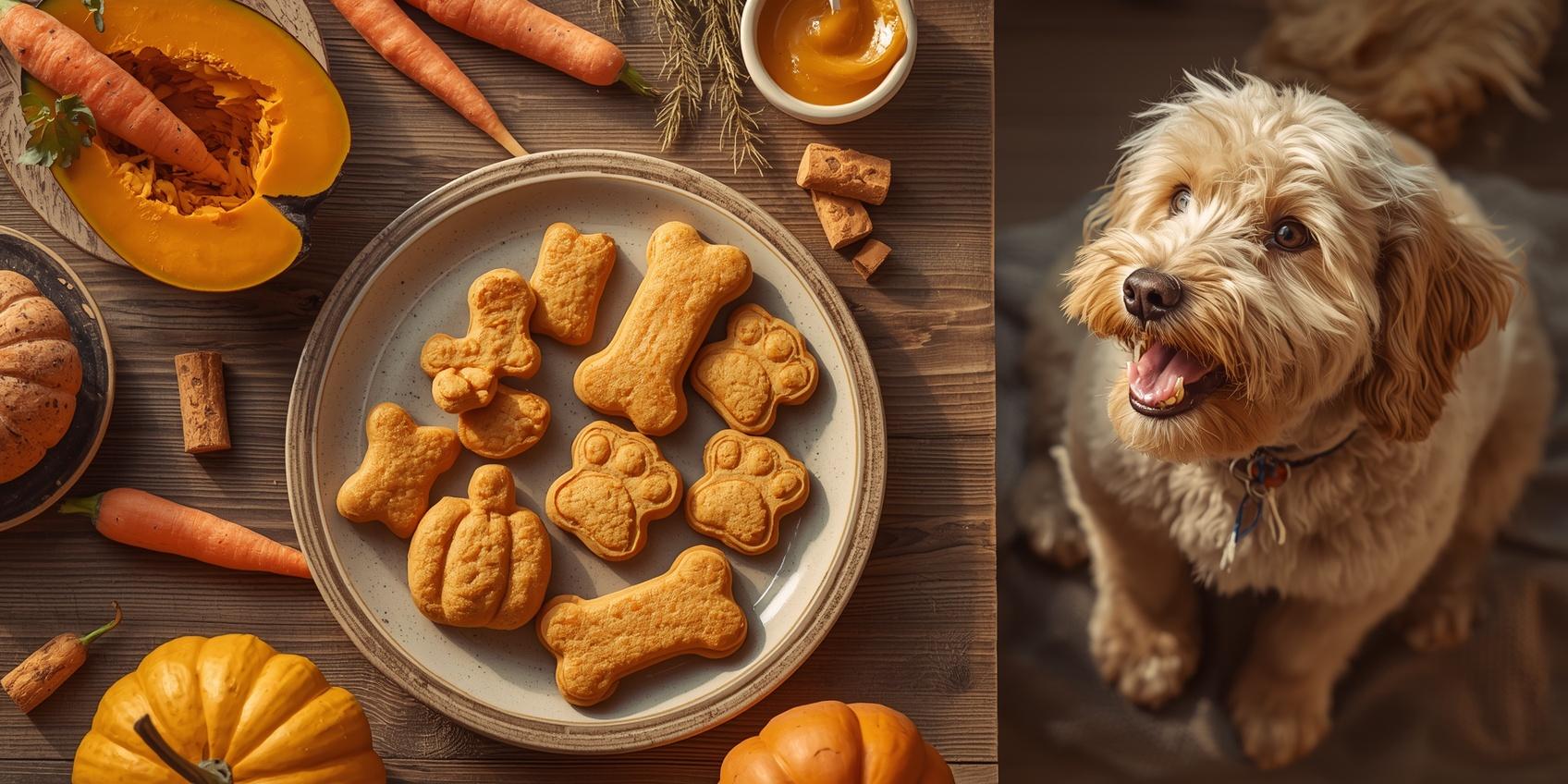
Homemade Pumpkin Carrot Dog Treats: Best Easy Recipe

Homemade Pumpkin Carrot Dog Treats

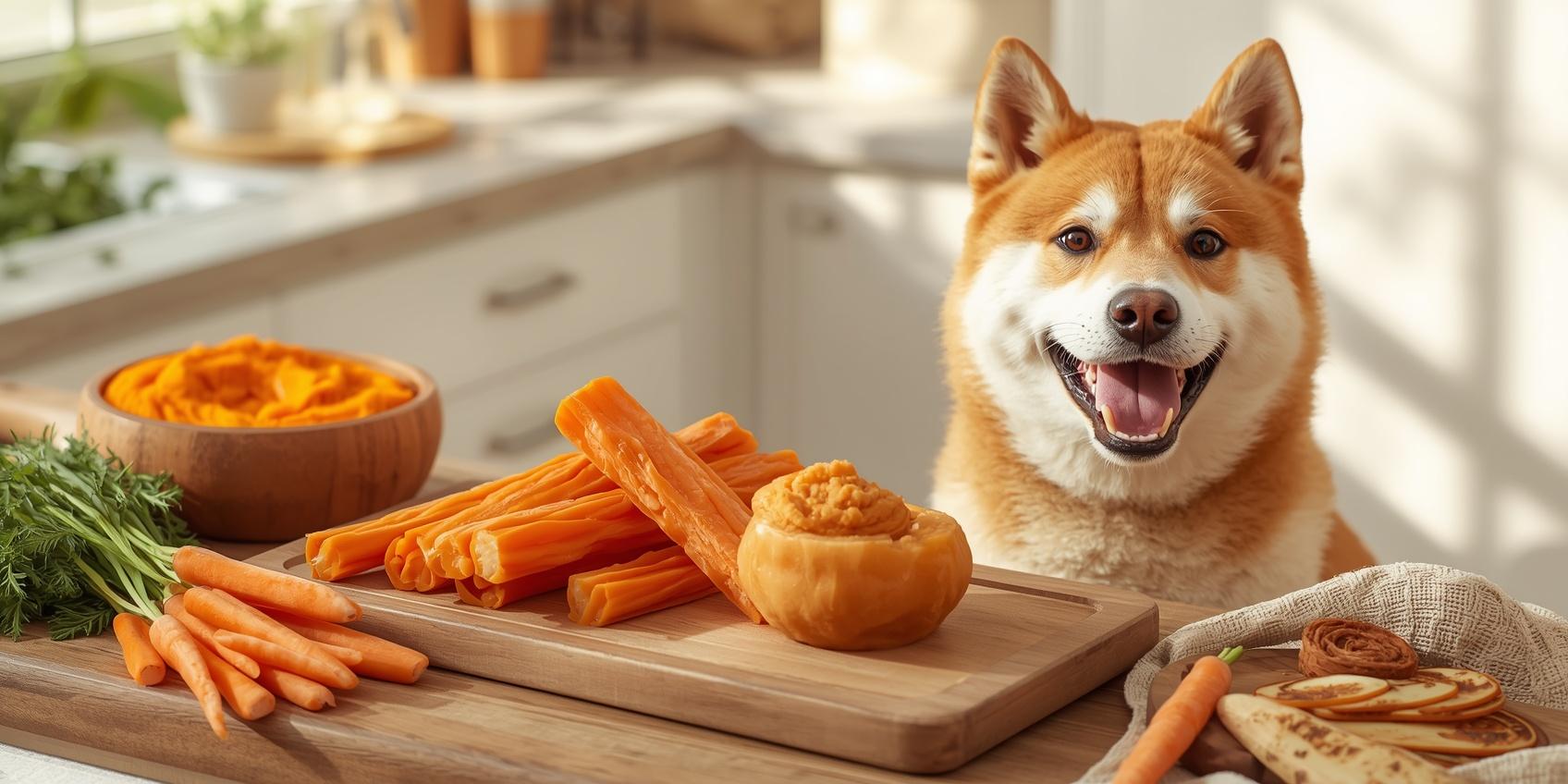
If you want to give your furry friend a tasty treat that’s healthy and made with love, homemade pumpkin carrot dog treats are the perfect choice. You’ll know exactly what’s inside, avoiding any hidden ingredients or additives. Plus, your dog will love the natural flavors of pumpkin and carrot, packed with nutrients that support their health. Keep reading, and you’ll discover an easy recipe that anyone can follow to make delicious, wholesome treats your dog will wag their tail for every time. Benefits Of Homemade Treats Making pumpkin carrot dog treats at home has many benefits. You know exactly what goes into each treat. This control helps keep your dog safe and healthy. It also means treats can be fresh and tasty every time. Homemade treats can fit your dog’s unique needs. You can change ingredients to avoid allergies or add extra nutrients. This flexibility gives your dog the best care possible. Healthier Ingredients Store-bought treats often contain fillers and preservatives. Homemade treats use fresh, natural ingredients. Pumpkin and carrots provide vitamins and fiber. These ingredients support digestion and a strong immune system. Your dog gets real food without harmful additives. Customizable Recipes Adjust recipes to match your dog’s preferences and needs. Add ingredients like oats for energy or peanut butter for taste. Avoid anything your dog cannot eat. Custom recipes help manage allergies and dietary restrictions with ease. Cost-effective Options Homemade treats cost less than many store options. You use simple, everyday ingredients found in your kitchen. Making treats in batches saves money over time. It also reduces waste with leftover ingredients used wisely. Key Ingredients Making homemade pumpkin carrot dog treats starts with simple, healthy ingredients. Each one adds flavor and nutrition. These treats are not only tasty but also good for your dog’s health. Understanding the key ingredients helps you make the best treats at home. Pumpkin Nutritional Value Pumpkin is rich in fiber and vitamins. It supports digestion and keeps your dog’s stomach healthy. The high vitamin A content helps with vision and immune health. Pumpkin is low in calories, making it a perfect treat base. It also adds natural sweetness without sugar. Carrots And Their Benefits Carrots are crunchy and full of vitamins. They provide vitamin A, which helps keep your dog’s eyes strong. Carrots also have antioxidants that protect cells from damage. Their natural crunch supports dental health by cleaning teeth. Dogs often enjoy the mild, sweet taste of carrots. Additional Ingredients Needed Other ingredients improve texture and taste. Whole wheat flour or oat flour creates a sturdy dough. Eggs bind the mix and add protein. A small amount of water or broth helps blend ingredients. A pinch of cinnamon can add flavor and has health benefits too. Preparation Tips Preparing homemade pumpkin carrot dog treats needs care and attention. Good preparation helps make treats tasty and safe for your dog. Follow these tips to get the best results. Selecting Fresh Produce Choose fresh pumpkin and carrots for better flavor and nutrients. Avoid soft or moldy vegetables. Look for firm, bright orange pumpkins and crisp carrots. Fresh produce makes treats healthier and more enjoyable for dogs. Proper Measuring Techniques Measure ingredients carefully to keep the recipe balanced. Use standard measuring cups and spoons for accuracy. Too much or too little of an ingredient can change the dough texture. Precise measuring helps maintain the right taste and consistency. Mixing And Dough Consistency Mix ingredients well until the dough is smooth and even. The dough should be firm but not dry. Add small amounts of water if the dough feels too stiff. Proper dough consistency makes shaping and baking easier. Credit: itdoesnttastelikechicken.com Baking Instructions Baking your homemade pumpkin carrot dog treats is simple and fun. Follow these steps to get perfect treats every time. Proper baking helps keep the treats crunchy and tasty for your dog. Oven Settings And Timing Preheat the oven to 350°F (175°C). Place the treats on a baking sheet lined with parchment paper. Bake for 20 to 25 minutes. Watch for a golden-brown color. Avoid overbaking to keep treats from becoming too hard. Shaping And Portioning Treats Roll the dough to about 1/4 inch thick. Use cookie cutters or a knife to cut shapes. Keep treats small or medium to suit your dog’s size. Space them evenly on the baking sheet. This helps them cook evenly and prevents sticking. Cooling And Storage Let the treats cool completely on a wire rack. This keeps them crunchy and fresh. Store in an airtight container at room temperature. Use within two weeks or freeze for longer storage. Always check treats before giving to your dog. Safety Considerations Making homemade pumpkin carrot dog treats is fun and healthy. Safety is key to keep your dog happy and well. Using safe ingredients and proper serving sizes helps avoid health problems. Know what to watch for before giving treats to your dog. Avoiding Harmful Ingredients Always check ingredients for anything toxic to dogs. Avoid onions, garlic, chocolate, and artificial sweeteners. Use fresh pumpkin and carrots without added sugar or salt. Choose natural and dog-safe ingredients only. This keeps your dog safe and healthy. Allergy Awareness Dogs can have food allergies or sensitivities. Introduce new treats slowly to spot any reactions. Watch for itching, swelling, or upset stomach. If any signs appear, stop feeding the treats. Consult a vet if allergies seem serious. Serving Size Guidelines Give treats in small amounts. Too many treats can cause weight gain and stomach issues. Follow recipes and adjust portions based on your dog’s size. Treats should not replace regular meals. Keep treats as a special reward only. Creative Variations Creative variations make homemade pumpkin carrot dog treats exciting and tasty. They help keep your dog’s snacks fresh and enjoyable. Small changes in ingredients can add new flavors and health benefits. Experimenting with different add-ins lets you customize treats for your dog’s needs and preferences. Try these ideas to keep your dog interested in every bite. Mix and match to find your … Read more

Cavalier King Charles Spaniel Litter: Ultimate Guide

Cavalier King Charles Spaniel Litter

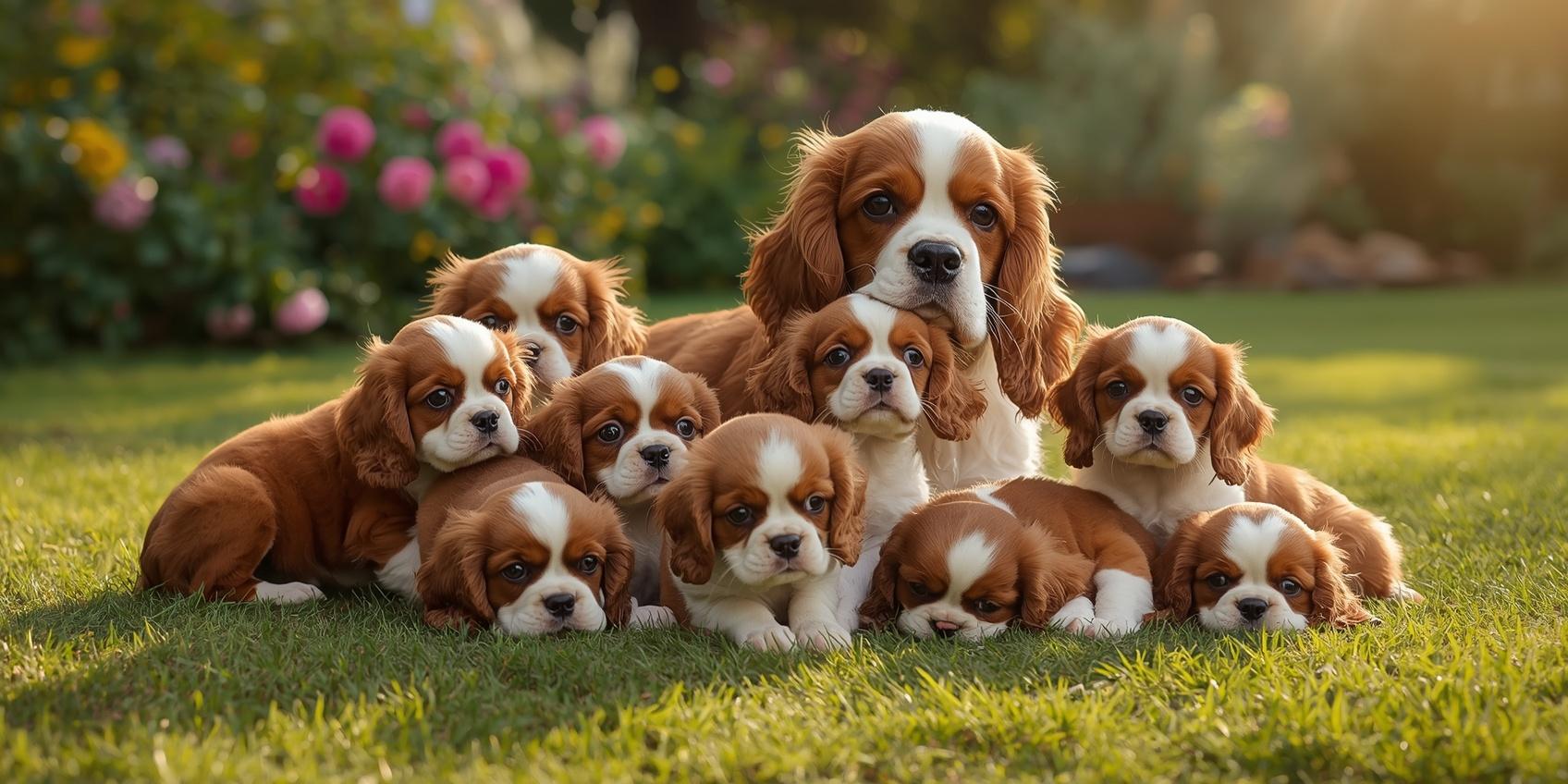
Are you thinking about adding a Cavalier King Charles Spaniel puppy to your family? A Cavalier King Charles Spaniel litter is full of adorable, loving pups just waiting to bring joy into your home. But before you choose your new furry friend, it’s important to know what to expect—from the puppy’s early days to their unique personality traits. This guide will help you understand everything about these charming puppies, so you can make the best choice for you and your loved ones. Keep reading to discover what makes a Cavalier King Charles Spaniel litter truly special and how to prepare for your new companion. Credit: www.dogbreedinfo.com Breed Traits The Cavalier King Charles Spaniel has many traits that make it a popular pet. This breed is known for its friendly nature and charming look. Understanding its breed traits helps in caring for a litter properly. These dogs fit well in many homes. They are gentle and love being close to people. Their needs are simple but important to know. Appearance And Size Cavaliers have soft, wavy fur that shines. Their coats come in four colors: Blenheim, tricolor, ruby, and black & tan. They have large, dark eyes that express warmth and kindness. Adults usually weigh between 13 and 18 pounds. Their height is about 12 to 13 inches at the shoulder. Small but sturdy, they look elegant and friendly. Temperament This breed is very gentle and loving. They enjoy playing with children and other pets. Cavaliers are social dogs that dislike being alone for long. They are calm but happy to join family activities. Their affectionate nature makes them great companions. Training is easy because they want to please. Exercise Needs Cavaliers need moderate exercise to stay healthy. Daily walks and playtime keep them happy and fit. They enjoy running in safe, enclosed spaces. Too little exercise can cause weight gain and boredom. Short bursts of activity suit their energy well. They adapt easily to both apartments and larger homes. Preparing For A Litter Preparing for a Cavalier King Charles Spaniel litter takes careful thought and planning. It means making sure the mother and father dogs are healthy and ready. It also involves knowing the right timing for breeding. This preparation helps ensure happy, healthy puppies. It keeps both the dogs and their future puppies safe. Health Checks Health checks are the first step before breeding. Both dogs need full vet exams. Tests for heart, eyes, and hips are important. These checks prevent passing on genetic problems. Vaccines must be up to date. Regular parasite treatments are essential. Healthy parents give puppies a strong start. Choosing A Mate Choose a mate with care. Look for good temperament and health. The mate should complement the mother’s traits. Avoid dogs with known genetic issues. A good match improves the chances of strong puppies. Both dogs should be at least two years old. Age affects fertility and puppy health. Breeding Timeline Know the right time to breed your dog. The female dog’s heat cycle lasts about three weeks. The best breeding time is usually days 10 to 14. Track her cycle carefully. Plan visits to the male dog during this window. After breeding, watch for signs of pregnancy. Timing helps ensure a successful litter. Pregnancy And Whelping Pregnancy and whelping are critical phases in the life of a Cavalier King Charles Spaniel and her litter. Understanding these stages helps ensure the health and safety of both the mother and her puppies. Each step requires careful attention and preparation. Signs Of Pregnancy Early signs include a change in appetite and behavior. The dog may become more tired and seek quiet places. Around three weeks, her belly starts to swell. Nipples grow larger and pinker. Some dogs may vomit or show mild nausea. A vet can confirm pregnancy with an ultrasound after 25 days. Whelping Environment Prepare a clean, warm, and quiet area for whelping. Use soft blankets or towels to create comfort. The spot should be away from noise and traffic. Keep the temperature around 75°F (24°C). Have clean water and food nearby for the mother. A whelping box with low sides helps puppies stay safe. Labor Stages Labor has three stages. The first stage lasts 6 to 12 hours. The mother may pace, pant, or refuse food. The second stage is the actual birth. Puppies come out one by one, usually every 30 to 60 minutes. The third stage is the delivery of placentas. This stage ends the birthing process. Watch for signs of distress and call a vet if needed. Credit: www.shutterstock.com Puppy Care Caring for a Cavalier King Charles Spaniel litter starts with careful attention. Puppies need love, care, and proper guidance for healthy growth. Early care shapes their behavior and health for life. Each puppy has unique needs. Meeting these needs helps them thrive and become happy pets. Focus on feeding, socializing, and health checks for best results. Feeding And Nutrition Feed puppies high-quality food made for their age. Proper nutrition supports growth and strong bones. Divide meals into small portions, four to six times daily. Fresh water must always be available. Avoid human food or treats that can harm puppies. Consult a vet for diet advice tailored to the breed. Socialization Start socializing puppies early. Introduce them to different people, sounds, and places. Socialization helps reduce fear and builds confidence. Gentle playtime with siblings and humans teaches good behavior. Positive experiences during this stage create friendly adult dogs. Health Monitoring Regular health checks catch problems early. Watch for signs like coughing, vomiting, or lethargy. Keep vaccination schedules and deworming up to date. Check puppies’ eyes, ears, and teeth often. Clean and care for them to avoid infections. A healthy puppy grows into a happy dog. Common Health Issues Cavalier King Charles Spaniel litters face some health challenges. Knowing common health issues helps owners care better for their puppies. This breed has specific risks that need attention from the start. Early care can improve their quality of life and lifespan. … Read more

Peanut Butter Applesauce Dog Treats: Irresistible Recipe

Peanut Butter Applesauce Dog Treats

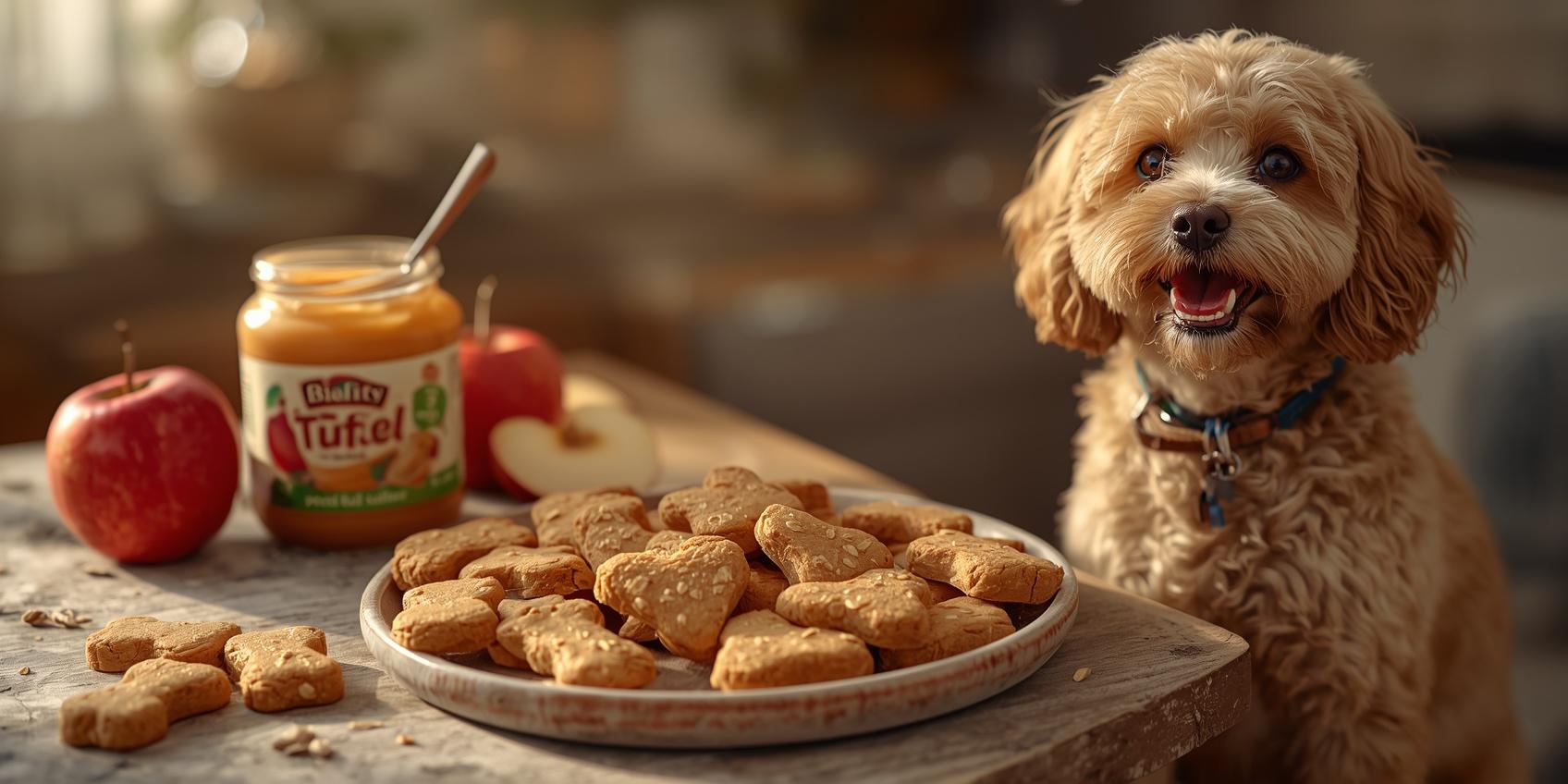
If you want to give your dog a tasty treat that’s both healthy and homemade, peanut butter applesauce dog treats are a perfect choice. You’ll love how simple it is to make these snacks with just a few ingredients you probably already have. Plus, your furry friend will thank you with wagging tails and happy eyes. Keep reading to discover an easy recipe and tips that will make treat time even more special for your dog. Ingredients Needed Making peanut butter applesauce dog treats needs a few simple ingredients. Each one plays a role in taste and texture. Using the right ingredients keeps your dog safe and happy. Here are the main ingredients you need for these tasty treats. Peanut Butter Selection Choose peanut butter without added sugar or salt. Natural or unsweetened peanut butter works best. Avoid peanut butter with xylitol, as it is toxic to dogs. Look for creamy or crunchy types based on your dog’s preference. Applesauce Types Use unsweetened applesauce with no added sugar or spices. Homemade applesauce is great for control over ingredients. Canned applesauce is fine if it is pure and natural. Avoid applesauce with cinnamon or artificial flavors. Additional Ingredients Flour helps bind the treats and gives structure. Whole wheat or oat flour works well for dogs. Baking powder is optional but helps the treats rise. A little water or egg can improve the dough’s texture. Health Benefits Peanut Butter Applesauce Dog Treats offer more than just taste. They bring health benefits that support your dog’s well-being. These treats combine natural ingredients that help keep your dog happy and strong. Choosing treats with good nutrition is important. It helps your dog stay active and healthy for a long time. These treats contain nutrients that support energy, digestion, and a shiny coat. Nutritional Value These treats have protein from peanut butter, which helps build muscles. Applesauce adds vitamins like vitamin C, which supports the immune system. They also contain fiber, which helps with digestion. The treats have healthy fats that keep your dog’s skin soft. Low sugar content makes them good for dogs who need to watch their weight. They provide a balanced snack without extra chemicals or fillers. Safe Ingredients For Dogs Peanut Butter Applesauce Dog Treats use only dog-safe ingredients. They do not contain harmful sweeteners like xylitol. Natural peanut butter and pure applesauce are gentle on your dog’s stomach. These treats avoid artificial colors and preservatives. This reduces the risk of allergies or stomach upset. They are a safe choice for dogs of all ages and sizes. Step-by-step Preparation Making Peanut Butter Applesauce Dog Treats is simple and fun. Follow clear steps to create tasty snacks for your dog. Each step ensures the treats turn out soft, healthy, and delicious. Let’s start with mixing ingredients. Mixing Ingredients Gather peanut butter, unsweetened applesauce, whole wheat flour, and an egg. Use a large bowl to combine these. First, mix peanut butter and applesauce well. Add the egg and stir until smooth. Slowly add flour and blend to form dough. The dough should feel soft but firm. Too sticky? Add a little more flour. Ready for shaping. Shaping Treats Lightly flour your surface to prevent sticking. Roll the dough to about 1/4 inch thickness. Use cookie cutters or a knife to cut shapes. Small bones or circles work great. Place shapes on a baking sheet lined with parchment paper. Leave space between treats for even baking. Shapes can be any size your dog likes. Baking Tips Preheat the oven to 350°F (175°C). Bake treats for 15 to 20 minutes. Watch for golden edges but keep the center soft. Let treats cool completely before giving them to your dog. Store leftovers in an airtight container. Freeze extras for longer freshness. Baking low and slow keeps treats safe and tasty. Credit: www.mustlovehome.com Storage And Shelf Life Peanut Butter Applesauce Dog Treats are tasty and healthy snacks for your dog. Proper storage keeps these treats fresh and safe. Knowing how long they last helps you plan treat time better. Store them correctly to keep their flavor and texture. Refrigeration Guidelines Store the treats in an airtight container. Keep them in the fridge to slow spoilage. They last about one week in the refrigerator. Avoid leaving them out for too long. Cold storage keeps the peanut butter and applesauce fresh. Freezing Options Freeze treats for longer storage. Place them in a freezer-safe bag or container. They stay good for up to three months frozen. Thaw treats in the fridge before serving. Freezing keeps treats fresh without changing taste or texture. Variations And Add-ins Peanut Butter Applesauce Dog Treats are simple to make. They also allow many changes to fit your dog’s taste and needs. Variations and add-ins make these treats fun and unique. You can try different flavors or textures. This keeps your dog interested and happy. Adding Flavors Try adding cinnamon for a warm, sweet taste. Pumpkin puree works well and adds nutrition. A bit of grated carrot adds natural sweetness and crunch. You can also mix in a small amount of honey for extra flavor. Always use dog-safe ingredients to keep your pet healthy. Texture Modifications To make treats crunchier, bake them longer at low heat. For softer treats, reduce baking time or add more applesauce. Mixing in oats or ground flaxseed adds chewiness and fiber. Small pieces of cooked sweet potato can give a soft, tasty texture. Adjust textures to match your dog’s chewing habits. Credit: dessertdonelight.com Feeding Tips Feeding your dog Peanut Butter Applesauce Treats is a fun way to reward them. These treats are tasty and healthy, but they need to be given with care. Proper feeding helps keep your dog happy and healthy. Portion Control Keep treat portions small. Too many treats can cause weight gain. A few bites are enough as a reward. Adjust the amount based on your dog’s size and activity. Treats should not replace regular meals. Use treats to train or show love. Allergy Precautions Check for … Read more

Dog First Birthday Party Ideas – Unforgettable Celebration

Dog First Birthday Party Ideas

Your dog’s first birthday is a special milestone worth celebrating in a big way. You want to make this day fun, memorable, and full of tail-wagging joy. But planning a party for your furry friend can feel overwhelming. What treats will they love? How do you invite their doggy pals? And how can you make sure everyone, including you, has a great time? Keep reading, because you’re about to discover simple, creative dog first birthday party ideas that will make your pup’s big day unforgettable. Let’s make this celebration one you and your dog will both cherish! Credit: www.fun365.orientaltrading.com Theme Ideas Choosing the right theme makes a dog’s first birthday party special. Themes help set the mood and make planning easier. They create fun memories for you and your furry friend. Themes can be simple or creative, matching your dog’s personality and interests. Paw-ty Themes Paw-ty themes focus on dogs and their love for play. Think bone-shaped decorations and paw print banners. Use dog-friendly colors like brown, tan, or pastel shades. Add party hats and bandanas for all the pups attending. Serve treats shaped like bones or paws for a cute touch. Seasonal Themes Seasonal themes bring nature into the celebration. Spring parties can have flower crowns and fresh green decor. Summer parties shine with beach balls and water bowls. Autumn themes use leaves, pumpkins, and cozy blankets. Winter parties glow with snowflakes and warm scarves. Pick colors and decorations that match the season. Favorite Toy Themes Base the party on your dog’s favorite toy. A ball-themed party can have colorful balls everywhere. A stuffed animal theme uses plush toys as decor. Tug toys inspire fun games for all dogs. Use the toy’s colors for decorations and treats. This theme shows what your dog loves most. Credit: www.lemonthistle.com Invitations Invitations set the tone for your dog’s first birthday party. They tell guests what to expect and get them excited. A well-made invitation shows your care and makes the event special. Choosing the right invitation style helps spread the word clearly. It also reflects your dog’s personality and the party theme. Start planning your invites early to avoid last-minute stress. Creative Invite Designs Choose fun and playful designs. Use paw prints, bones, or cute dog illustrations. Bright colors catch attention. Add a photo of your dog for a personal touch. Keep text clear and simple. Make sure all details are easy to read. Use fonts that fit the party mood. Guest List Tips Invite close friends and family who love dogs. Include neighbors with pets for a friendly vibe. Keep the number manageable for space and comfort. Think about dogs that get along well. Mention if guests should bring their pets. This helps avoid surprises on party day. Digital Vs. Printed Invites Digital invites are quick and eco-friendly. They allow easy RSVP tracking. Use email or social media to send them. Printed invites feel more special and lasting. They work well for formal or themed parties. Choose based on your budget and guest preferences. Both options can look great and share all details clearly. Decorations Decorations set the mood for your dog’s first birthday party. They create a fun and festive space for your furry friend and guests. Choose decorations that are safe and suit the party theme. Bright colors and playful items make the event lively. Keep everything simple and pet-friendly for a happy celebration. Pet-safe Decor Select decorations that will not harm your dog. Avoid small items that can be swallowed. Use non-toxic balloons and banners. Skip sharp or breakable objects. Soft fabrics and plush toys work well. Make sure all decorations are secure and out of reach. Your dog’s safety is the top priority. Color Schemes Pick colors that match the party theme. Bright colors like blue, red, and yellow bring energy. Pastel colors create a calm and cute vibe. Use colors that look good in photos. Coordinate balloons, tablecloths, and party hats. Keep the palette simple with two or three colors. This makes the decorations look neat and stylish. Diy Decoration Ideas Make your own decorations to add a personal touch. Use paper to cut out paw prints or bones. Create banners with your dog’s name. Decorate jars with ribbons for treats. Craft simple photo props for fun pictures. DIY projects save money and bring creativity. Your dog’s party will feel extra special this way. Credit: www.twotwentyone.net Food And Treats Celebrating your dog’s first birthday is special. Food and treats make the party fun and tasty. Dogs love snacks that are safe and delicious. Preparing the right food keeps everyone happy and healthy. Here are some ideas for dog-friendly cakes, healthy snacks, and treats for humans too. Dog-friendly Cake Recipes Dog cakes use simple, safe ingredients. Common choices include peanut butter, pumpkin, and oats. These ingredients are gentle on a dog’s stomach. You can bake a small cake or cupcakes. Avoid chocolate, sugar, and artificial sweeteners. Many recipes use yogurt or applesauce for moisture. Decorating with dog treats adds a fun touch. Your dog will enjoy the special, homemade treat. Healthy Snacks Healthy snacks keep the energy up during the party. Sliced carrots, green beans, and apple pieces work well. Freeze small bits of watermelon or blueberries for a cool treat. Choose snacks low in salt and sugar. Avoid onions, grapes, and anything toxic to dogs. These snacks support digestion and keep dogs active. Portion control is important to avoid upset stomachs. Human Snacks Options Guests also need tasty snacks to enjoy. Simple finger foods work best. Cheese cubes, veggie sticks, and crackers suit most people. Keep sweets separate from dog treats. Offer water and juice for drinks. Label dog-friendly and human snacks clearly. This helps avoid mix-ups during the party. Everyone will appreciate the clear choices and care. Activities And Games Planning activities and games for your dog’s first birthday makes the party lively and fun. These moments create happy memories for both pets and owners. Dogs enjoy playing with friends and exploring new challenges. … Read more

Low Maintenance Small Dog Breeds – Effortless Companions

Low Maintenance Small Dog Breeds

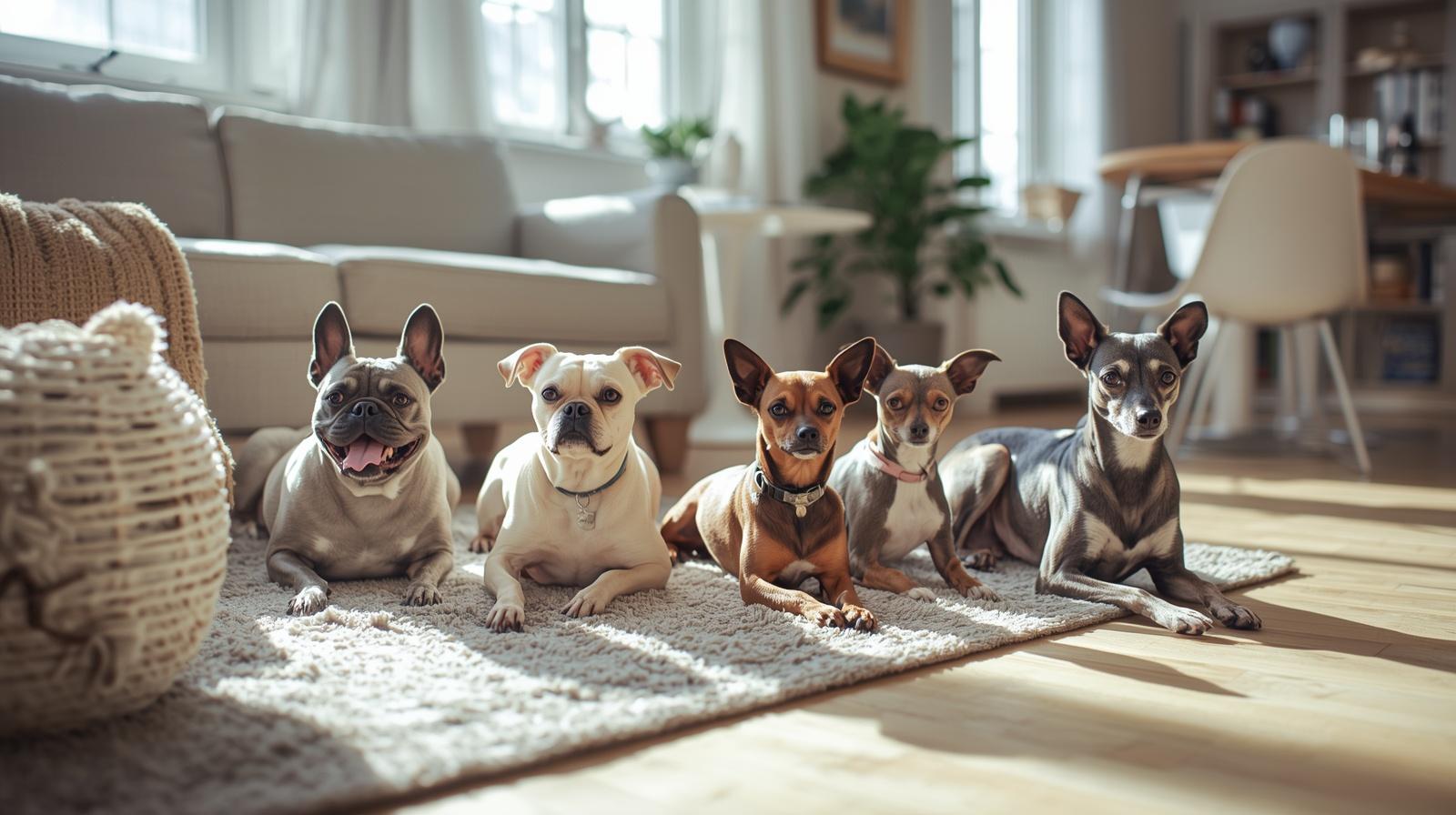
Looking for a furry friend that fits perfectly into your busy life? You want a dog that’s lovable, small, and easy to care for. But with so many breeds out there, it can be tough to know which ones won’t demand too much time or effort. Imagine having a loyal companion who doesn’t need constant grooming, long walks, or endless attention—sounds ideal, right? You’ll discover the best low maintenance small dog breeds that can bring joy without overwhelming your schedule. Keep reading to find the perfect match for your lifestyle and make your decision easier than ever. Credit: www.thesprucepets.com Top Low Maintenance Small Breeds Small dog breeds can fit well into busy lives. They need less space and less exercise than bigger dogs. Some small breeds also require less grooming and health care. These are perfect for people who want a pet without too much work. Here are some top low maintenance small breeds. They are easy to care for and friendly companions. Chihuahua Chihuahuas are tiny but full of energy. They need little grooming because their coat is short. These dogs do well in small homes or apartments. They enjoy short walks and indoor playtime. Chihuahuas bond closely with their owners and stay alert. French Bulldog French Bulldogs have a calm and friendly nature. Their short coat needs minimal grooming. They like short walks and relaxing at home. French Bulldogs adapt well to apartment living. They enjoy attention but don’t require much exercise. Dachshund Dachshunds have a unique long body and short legs. They need regular but simple grooming, especially the short-haired type. These dogs love to play but don’t need long walks. Dachshunds are loyal and enjoy being close to family. Pug Pugs have a short, smooth coat that is easy to care for. They are playful but calm, needing only moderate exercise. Pugs love socializing with people and other pets. Their friendly nature makes them great companions for small homes. Boston Terrier Boston Terriers are small, smart, and gentle. They have a short coat that needs little grooming. These dogs enjoy moderate exercise and are good for city living. Boston Terriers are friendly and get along well with children. Key Traits Of Low Maintenance Dogs Low maintenance small dog breeds are perfect for busy owners. They need less time and effort daily. Knowing their key traits helps you choose the right dog. These traits include grooming, exercise, temperament, and health. Each trait affects how easy the dog is to care for. Grooming Needs Low maintenance dogs have simple grooming needs. They shed less and rarely need trimming. Brushing once or twice a week is enough. Baths are needed only when the dog is dirty. This saves time and keeps the dog comfortable. Avoid breeds with long or thick coats. They require more care and attention. Exercise Requirements Small low maintenance dogs need moderate exercise. A daily walk or playtime suffices. They do not demand long runs or intense activities. This suits apartment living or busy schedules. These dogs enjoy short walks and indoor games. Exercise helps keep them healthy and happy. Temperament Calm and friendly temperaments define low maintenance dogs. They adapt well to different homes and families. These dogs are less likely to bark excessively. They enjoy quiet time and gentle play. They usually get along with children and other pets. Easy-going dogs reduce stress for owners. Health Considerations Healthy breeds need fewer vet visits and less care. Low maintenance dogs often have fewer genetic problems. Regular check-ups and vaccinations keep them well. Watch for breed-specific issues and address them early. Good nutrition and hygiene support long, happy lives. Grooming Tips For Small Dogs Grooming small dogs keeps them healthy and happy. Small dogs need care that fits their size and coat type. Regular grooming stops mats, bad smells, and skin problems. Here are easy grooming tips for small dogs. Brushing Frequency Brush small dogs at least twice a week. Dogs with longer hair may need daily brushing. Use a soft brush to avoid skin irritation. Brushing removes dirt and loose fur. It also helps check for ticks or skin issues. Bathing Guidelines Bath small dogs once a month or as needed. Use a gentle dog shampoo to protect their skin. Avoid using human shampoo; it can dry their coat. Make sure water is warm, not hot. Dry dogs well to prevent chills and skin problems. Nail Trimming Trim nails every 3 to 4 weeks. Long nails can cause pain and walking issues. Use small nail clippers made for dogs. Cut just the tip to avoid hitting quicks. If unsure, ask a vet or groomer for help. Dental Care Brush small dogs’ teeth 2 to 3 times a week. Use a dog toothbrush and toothpaste. Healthy teeth prevent bad breath and gum disease. Offer dental chews to keep teeth clean. Regular vet check-ups can catch dental problems early. Credit: scala-santa.com Exercise And Activity Levels Small dog breeds often need less exercise than larger dogs. Their activity levels vary, but most enjoy short walks and playtime. Understanding their exercise needs helps keep them happy and healthy. It also prevents behavior problems caused by boredom or excess energy. Daily Walks Short daily walks suit most small dog breeds. A 15 to 30-minute walk provides good exercise. It helps them explore and use their energy. Walking also strengthens the bond between dog and owner. Choose quiet routes to avoid stress for shy dogs. Indoor Play Ideas Indoor play keeps small dogs active on bad weather days. Simple games like fetch or tug-of-war work well. Puzzle toys can challenge their minds and prevent boredom. Rotate toys often to keep playtime fresh and fun. Managing Energy Small dogs have bursts of energy but tire quickly. Let them rest after active play sessions. Regular short activities suit their energy levels best. Watch for signs of tiredness or overexertion. Balance activity with calm time to keep them content. Feeding And Nutrition Basics Feeding small dog breeds needs simple but careful planning. Their … Read more

Balanced 3 Ingredient Dog Food Recipe – Powerful Meal

Balanced 3 Ingredient Dog Food Recipe

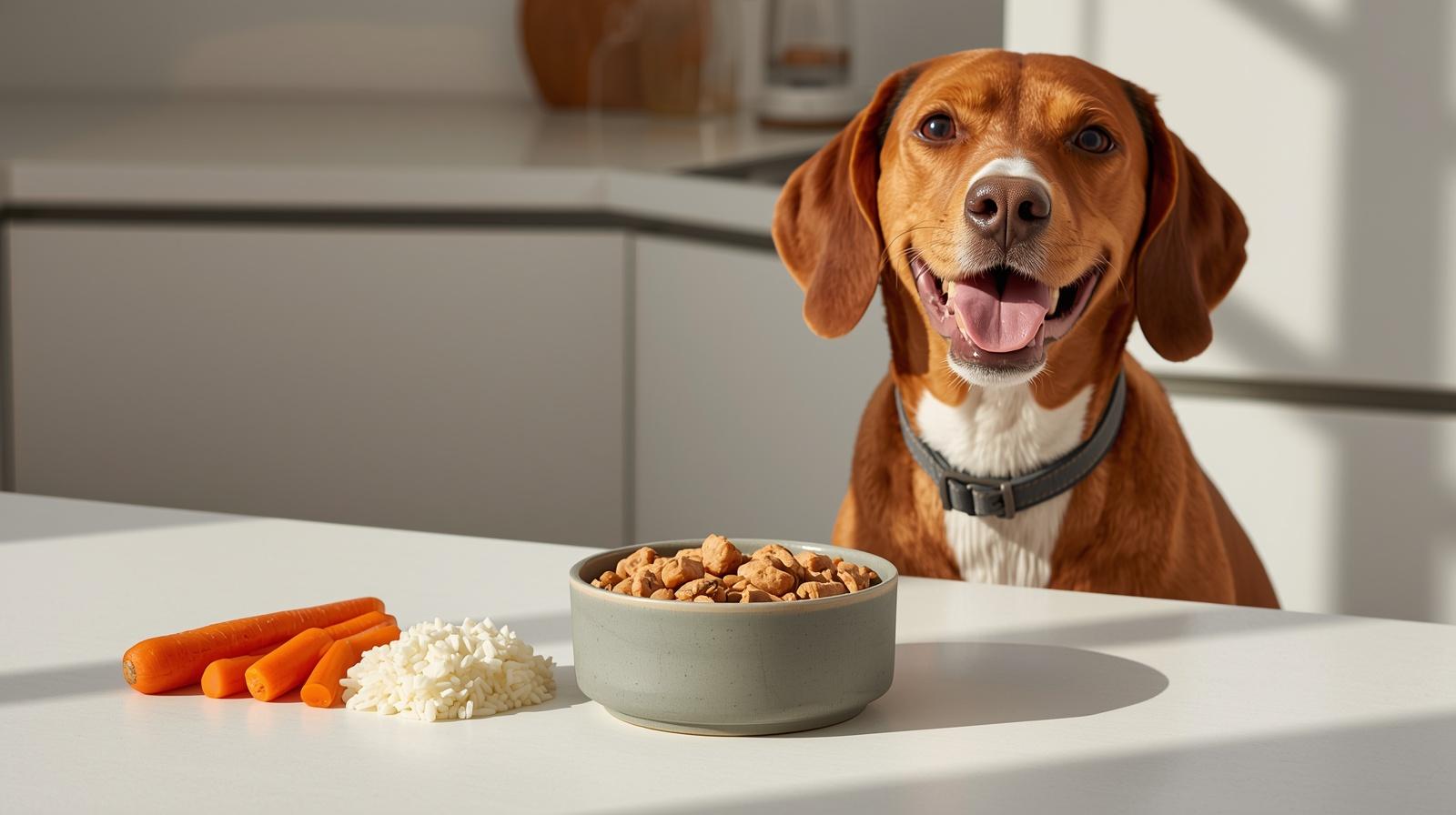
Are you looking for a simple way to give your dog healthy, homemade meals without spending hours in the kitchen? You’re in the right place. This balanced 3 ingredient dog food recipe is easy to make, uses ingredients you can trust, and provides the nutrition your furry friend needs. Keep reading to discover how just three simple ingredients can make a big difference in your dog’s health and happiness. Your dog will thank you! Choosing Ingredients Choosing the right ingredients is key for a balanced dog food recipe. Each ingredient must provide essential nutrients for your dog’s health. Simple recipes with just three ingredients can still meet your dog’s needs. Focus on protein, carbohydrates, and fats. These are the building blocks of a healthy diet. Protein Options Protein helps build strong muscles and supports the immune system. Good sources include chicken, turkey, and lean beef. Fish like salmon also offer protein plus important omega-3 fats. Choose fresh, high-quality meat or fish without added spices or sauces. Healthy Carbohydrates Carbohydrates supply energy and fiber for digestion. Sweet potatoes, brown rice, and oats are great choices. These carbs digest slowly and keep your dog full longer. Avoid simple carbs like white rice or corn, which offer less nutrition. Essential Fats Fats provide energy and keep the skin healthy. Sources like fish oil, flaxseed oil, or chicken fat work well. Healthy fats also help absorb vitamins and support brain function. Use fats in small amounts to balance the recipe correctly. Credit: www.walmart.com Nutritional Benefits Choosing a balanced 3 ingredient dog food recipe can boost your dog’s health. It helps provide essential nutrients in simple, natural ways. These nutrients support growth, energy, and overall well-being. Understanding the key nutritional benefits helps you see why this recipe works. Protein For Muscle Health Protein builds strong muscles and repairs tissues. It supports your dog’s strength and activity. Good sources include chicken, beef, or fish. Protein keeps your dog active and fit every day. Carbs For Energy Carbohydrates give quick and lasting energy. Ingredients like rice or sweet potatoes fuel play and walks. Carbs help your dog stay lively and alert. They are easy to digest and keep energy steady. Fats For Skin And Coat Healthy fats improve skin and coat shine. Oils from fish or flaxseed add omega fatty acids. These fats reduce itching and dryness. They keep your dog’s fur soft and healthy. Preparation Steps Preparing a balanced 3 ingredient dog food recipe is simple and quick. Follow these clear steps for a healthy meal your dog will love. Focus on measuring, cooking, and mixing for best results. Measuring Ingredients Start by weighing each ingredient carefully. Use a kitchen scale for accuracy. Measure protein, vegetables, and grains in the right amounts. Proper portions ensure balanced nutrition for your dog. Cooking Techniques Cook the protein first. Boil or bake it until fully done. Steam or lightly cook the vegetables to keep nutrients. Cook grains separately until soft. Avoid adding salt or spices. Mixing And Serving Combine all cooked ingredients in a large bowl. Mix well to spread flavors evenly. Let the food cool to room temperature before serving. Serve fresh or store leftovers in the fridge. Storage Tips Proper storage keeps your dog’s food fresh and safe. It helps keep nutrients intact. It also stops bacteria from growing. Follow these simple tips to store your balanced 3 ingredient dog food recipe well. Refrigeration Guidelines Store the dog food in an airtight container. Keep it in the refrigerator below 40°F (4°C). Use the food within 3 to 4 days. Avoid leaving it out at room temperature. This prevents spoilage and harmful bacteria growth. Freezing Options Freezing extends the food’s shelf life. Portion the food into small, sealed containers or bags. Label each with the date before freezing. Use frozen food within 2 to 3 months. Thaw it in the refrigerator before serving to your dog. Shelf Life Fresh homemade dog food lasts 3 to 4 days in the fridge. Frozen portions keep well for 2 to 3 months. Always check for strange smells or colors before feeding. Discard any food that looks or smells off. Customizing The Recipe Customizing your dog’s 3 ingredient food recipe helps meet their unique needs. Each dog is different in size, health, and preferences. Adjusting the recipe ensures your pet gets the right nutrition. This section explains simple ways to tailor the food for your dog. Adjusting For Dog Size Small dogs need less food than large dogs. Use smaller portions for tiny breeds to avoid overfeeding. Larger dogs require more calories and nutrients. Increase ingredient amounts to match their energy needs. Always watch your dog’s weight and health. Incorporating Supplements Supplements add extra nutrition to the basic recipe. Fish oil or flaxseed oil can improve coat health. Calcium powder supports strong bones and teeth. Use vitamins only if your vet agrees. Mix supplements carefully for balanced meals. Addressing Allergies Some dogs have allergies to common ingredients. Replace meats or grains that cause reactions with safe alternatives. Try novel proteins like rabbit or duck. Use hypoallergenic vegetables if needed. Test new ingredients slowly to monitor your dog’s response. Credit: www.thefreshgrocer.com Credit: www.amazon.com Frequently Asked Questions What Are The Three Ingredients In Balanced Dog Food? The three ingredients typically include a protein source, a carbohydrate, and a vegetable. This combination provides essential nutrients, energy, and fiber. It supports overall dog health and maintains balanced nutrition in a simple recipe. How Do I Prepare This 3 Ingredient Dog Food? Cook the protein thoroughly, steam or boil the vegetable, and cook the carbohydrate. Mix all ingredients well and let it cool before serving. This ensures safety and proper digestion for your dog. Is This Homemade Dog Food Nutritionally Complete? Yes, if balanced correctly with protein, carbs, and vegetables, it meets basic nutritional needs. However, consult your vet to add supplements for vitamins and minerals if needed. Can This Recipe Suit All Dog Breeds And Ages? This recipe suits most adult dogs but may need … Read more

Tiny Dogs That Stay Small – Adorable Tiny Breeds

Tiny Dogs That Stay Small

Are you looking for a furry friend that fits perfectly in your lap, your purse, or even your tiny apartment? Tiny dogs that stay small might be exactly what you need. These pint-sized pups bring big hearts and endless charm without growing too big to handle. If you want a dog that’s easy to carry, easy to care for, and full of personality, keep reading. You’ll discover the best small dog breeds that stay small, plus tips to help you find the perfect little companion for your lifestyle. Credit: hutchpaving.com Popular Small Dog Breeds Small dog breeds are loved for their size and big personalities. They fit well in apartments and small homes. Many tiny dogs stay small throughout their lives. They need less space but still offer lots of love and fun. Chihuahua The Chihuahua is one of the smallest dog breeds. It weighs around 2 to 6 pounds. Chihuahuas are brave and alert. They form strong bonds with their owners. Their small size makes them easy to carry everywhere. Pomeranian Pomeranians are fluffy and full of energy. They weigh about 3 to 7 pounds. These dogs are curious and playful. Their thick coat needs regular brushing. Pomeranians enjoy attention and love to be part of the family. Yorkshire Terrier Yorkshire Terriers, or Yorkies, are small but bold dogs. They weigh 4 to 7 pounds. Yorkies have silky fur that needs care. They are smart and loyal. These dogs enjoy playing and being close to their owners. Maltese The Maltese is a gentle and friendly breed. It usually weighs under 7 pounds. Maltese dogs have long, white hair. They are good with kids and other pets. Their calm nature makes them great companions. Credit: www.belleforestanimalhospital.com Health Benefits Of Small Dogs Small dogs offer many health benefits for their owners. Their size makes caring easier and less stressful. These dogs often live longer and fit well in busy homes. Small dogs need less exercise. They are easier to groom. These factors help keep both dog and owner happy and healthy. Longer Lifespan Small dogs usually live longer than large breeds. Their bodies face less strain over time. This means fewer health problems as they age. Owners can enjoy many years with their tiny pets. Lower Exercise Needs Small dogs require less physical activity daily. Short walks or playtime inside can be enough. This suits people with limited time or space. It also reduces the risk of over-exertion for the dog. Easier Grooming Grooming small dogs takes less time and effort. Their coats are easier to manage and clean. Bathing and brushing fit well into daily routines. This keeps dogs comfortable and looking good. Living With Tiny Dogs Living with tiny dogs offers a unique and joyful experience. Their small size makes daily care easier for many owners. These little companions fit well in various homes and lifestyles. Understanding how to live with them helps create a happy environment for both owner and pet. These dogs bring warmth and fun. Their gentle nature suits quiet spaces. They need care that matches their size and energy. Let’s explore how tiny dogs adapt to life at home and beyond. Apartment Friendly Tiny dogs are perfect for apartment living. They need less space to move and play. Noise levels are usually low with them. They do not require large yards or fields. Small areas still allow them to stay active. Owners must provide regular walks and indoor playtime. This keeps them healthy and happy. Their size makes them easy to manage indoors. Apartment life can be cozy and safe for these pets. Travel Considerations Tiny dogs travel well on cars and planes. Their small size fits easily into carriers. This makes trips less stressful for pets and owners. Carrying them is simple during walks or public transport. Always bring water and snacks for short stops. Check pet policies at hotels and airlines first. Protect them from cold or heat during travel. Planning helps tiny dogs stay calm and secure. Training Tips Training tiny dogs requires patience and gentle methods. Use small treats to reward good behavior. Short training sessions keep their attention. Consistency is key in teaching commands. Positive reinforcement builds trust and confidence. Avoid harsh corrections that can scare them. Socialize them early to reduce anxiety. Training helps tiny dogs become well-mannered companions. Feeding And Nutrition Feeding and nutrition are key to keeping tiny dogs healthy and happy. Small dogs have fast metabolisms and need the right food amounts. Overfeeding can cause weight gain and health problems. Underfeeding can lead to weakness and lack of energy. Understanding their special diet needs helps maintain their size and strength. Quality food and proper portions support their active lifestyle. Careful feeding keeps them playful and full of life. Portion Control Small dogs need small, frequent meals. Large portions can lead to obesity quickly. Use a measuring cup for accuracy. Feeding twice or thrice daily works well. Watch their weight and adjust portions as needed. Avoid free feeding to prevent overeating. Suitable Diets Choose food made for small breeds. These have the right nutrient balance and size. High protein supports muscle and energy. Healthy fats keep their coat shiny. Avoid fillers like corn and soy. Fresh water should always be available. Common Dietary Issues Small dogs may face allergies or sensitivities. Watch for itching, upset stomach, or diarrhea. Some dogs need grain-free or limited ingredient diets. Dental problems are common; dry food helps clean teeth. Consult a vet if problems persist. Early care prevents bigger issues later. Common Health Issues Tiny dogs bring joy with their small size and big hearts. Their small bodies can face some health problems. Knowing these common health issues helps owners give better care. Watch for signs and keep regular vet visits. Some health issues are more common in small dog breeds. Early detection can make a big difference. Learn about dental problems, joint issues, and breathing troubles that tiny dogs may face. Dental Problems Small dogs often have crowded teeth. … Read more

Pumpkin Carrot Chews for Dogs – Amazing Healthy Treat

Pumpkin Carrot Chews for Dogs

Are you looking for a tasty and healthy treat your dog will love? Pumpkin carrot chews for dogs might be exactly what you need. These simple, natural snacks offer more than just great flavor—they support your dog’s digestion and overall well-being. If you want to give your furry friend a chew that’s both delicious and nutritious, keep reading. You’ll discover why pumpkin carrot chews could become your dog’s new favorite treat. Benefits Of Pumpkin Carrot Chews Pumpkin carrot chews offer many benefits for dogs. They are tasty treats that also support health. These chews combine two natural ingredients known for their nutritional value. Dogs enjoy the flavor, and owners appreciate the health perks. These chews help keep dogs happy and well-nourished. Nutritional Value For Dogs Pumpkin is rich in vitamins A, C, and E. Carrots provide beta-carotene and fiber. Both support a strong immune system and good eyesight. These chews contain minerals like potassium and iron. They help keep muscles and blood healthy. The natural sugars in carrots give gentle energy. Digestive Health Support Pumpkin is known for aiding digestion. It soothes the stomach and regulates bowel movements. Carrots add fiber that helps food move smoothly. These chews can reduce diarrhea or constipation issues. They promote healthy gut bacteria. This keeps dogs feeling comfortable and active. Natural Ingredients And Safety These chews use real pumpkin and carrots. No artificial flavors, colors, or preservatives are added. This makes them safe for most dogs. Natural ingredients reduce allergy risks. They provide a gentle treat for sensitive dogs. Always check the ingredient list before giving any new chew. Choosing Quality Ingredients Choosing quality ingredients is key to making healthy pumpkin carrot chews for dogs. Good ingredients mean better taste and more nutrition. Dogs need treats that support their health and energy. Poor ingredients can cause allergies or upset stomachs. Focus on fresh and natural items to create safe and tasty chews. Selecting Fresh Pumpkin Choose pumpkin that is firm and bright orange. Fresh pumpkin has more vitamins and fiber. Avoid pumpkins that are soft, bruised, or moldy. Organic pumpkin is a good choice to avoid chemicals. Fresh pumpkin helps keep your dog’s digestion smooth and healthy. Picking The Right Carrots Pick carrots that are crisp and vibrant orange. Fresh carrots are crunchy and sweet, perfect for chews. Avoid carrots that are wilted or have spots. Organic carrots reduce exposure to pesticides. Fresh carrots add natural sweetness and important nutrients to the treat. Avoiding Harmful Additives Check labels carefully for added sugars or preservatives. Avoid artificial colors and flavors that can harm dogs. Use only natural, simple ingredients in your chews. Harmful additives may cause allergies or stomach problems. Keep treats pure to protect your dog’s health and happiness. Homemade Pumpkin Carrot Chews Homemade pumpkin carrot chews are a healthy treat for dogs. They combine the sweetness of pumpkin and carrots with a chewy texture dogs enjoy. These chews are easy to make at home using simple ingredients. They provide fiber, vitamins, and natural flavor without added chemicals. Making your own treats lets you control what your dog eats. It also saves money compared to store-bought snacks. Simple Preparation Steps Start with fresh pumpkin and carrots. Peel and chop them into small pieces. Blend the pieces until smooth to form a thick paste. Add a little water if the mixture is too thick. Spread the paste thinly on a baking sheet lined with parchment paper. Keep the thickness even for uniform drying. Baking And Drying Techniques Preheat your oven to a low temperature, around 175°F (80°C). Bake the pumpkin carrot paste slowly for 2 to 3 hours. Check often to avoid burning. The goal is to dry the mixture, not cook it fully. Let it cool before cutting into strips or bite-size pieces. For a chewier texture, dry longer at low heat. Storage Tips For Freshness Store the chews in an airtight container to keep moisture out. Keep the container in a cool, dry place. Avoid storing in direct sunlight or warm areas. For longer storage, refrigerate or freeze the chews. Thaw frozen chews before giving them to your dog. Proper storage keeps the treats fresh and tasty. Credit: fakeginger.com Feeding Guidelines And Portions Feeding pumpkin carrot chews to your dog can be a healthy treat option. Proper portions and timing keep your dog happy and safe. Knowing how much and how often to feed these chews is important. This guide helps you serve the right amount and watch your dog’s response. Recommended Serving Sizes Start with a small chew for puppies or small dogs. One or two small pieces work well for dogs under 20 pounds. Medium dogs can have two to three chews. Large dogs may enjoy three to five pieces. Adjust portions based on your dog’s size and appetite. Frequency Of Treats Feed pumpkin carrot chews as a treat, not a meal. Limit treats to once or twice a day. Avoid giving too many to prevent stomach upset. Spread treats out to keep your dog interested. Use chews as rewards during training or playtime. Monitoring Dog’s Reaction Watch your dog after first feeding the chews. Look for signs of allergies like itching or swelling. Check for digestive issues such as diarrhea or vomiting. Stop giving treats if your dog shows discomfort. Consult your vet if any problems occur. Comparing Store-bought Vs Homemade Choosing between store-bought and homemade pumpkin carrot chews for dogs can be tricky. Both have benefits and drawbacks. Understanding the differences helps you decide what fits your dog’s needs and your lifestyle. Here is a clear comparison of the two options. Cost Considerations Store-bought chews usually cost more per treat. They include packaging and shipping fees. Homemade chews cost less overall. You pay for fresh ingredients only. Making treats at home can save money over time. However, homemade treats require time and effort. Ingredient Transparency Store-bought treats list ingredients on the package. Yet, some may contain preservatives or fillers. It is hard to know exact quality. Homemade chews … Read more