Doggy Scout

How to Potty Train a Puppy: Tips for Quick Success
How to Potty Train a Puppy

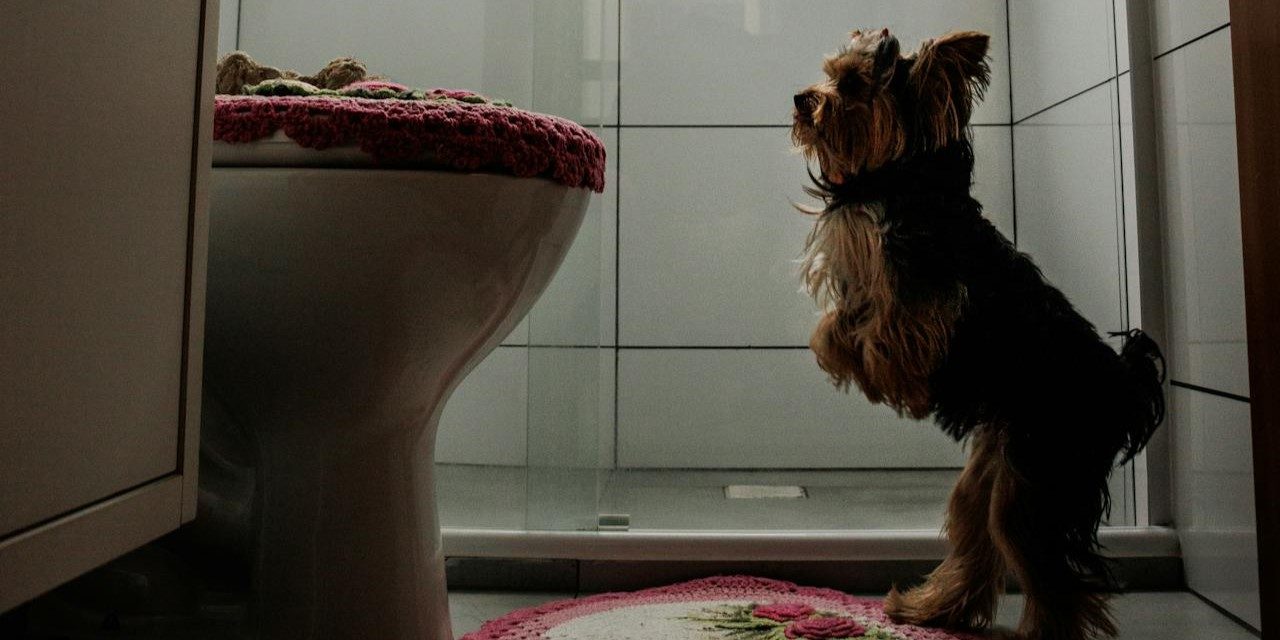
Bringing a puppy into your home is an exciting adventure, but it also comes with its challenges—especially when it comes to potty training. You might find yourself wondering how to effectively teach your furry friend where to go. How to potty train a puppy is a common challenge, but the good news is that you’re not alone, and it’s easier than you think! You’ll discover practical tips and techniques that will help you and your furry friend succeed quickly and efficiently. Imagine enjoying a clean home and a well-trained pet, all while building a strong bond with your new companion. Ready to say goodbye to accidents and hello to a happy, potty-trained pup? Let’s dive in! Set A Routine Establishing a routine is key to successful puppy potty training. Regularly taking your puppy outside at the same times helps them learn where to go. Consistent schedules make it easier for them to understand and reduce accidents indoors. Setting a routine is essential when it comes to potty training your puppy. Dogs thrive on consistency, and having a structured schedule helps them understand when and where they should do their business. With a clear routine, you can reduce accidents and make the training process smoother for both you and your furry friend. Establish Regular Feeding Times Feeding your puppy at the same times each day is a crucial part of setting a routine. This consistency will help regulate their digestive system. – Choose specific times for meals, like 7 AM and 5 PM. – Avoid free feeding, which can lead to unpredictable bathroom habits. When your puppy eats at regular intervals, you can better anticipate when they will need to go outside. Schedule Frequent Potty Breaks Take your puppy outside frequently, especially after meals, playtime, or naps. A good rule of thumb is to take them out every hour or so. – Watch for signs that they need to go, like sniffing around or circling. – Praise and reward them immediately after they potty outside. This not only reinforces good behavior but also helps them associate going outside with positive experiences. Stick To A Consistent Bedtime Just like feeding times, having a regular bedtime is vital. A set bedtime allows your puppy to establish a sleep pattern, which influences their bathroom habits. – Take them out right before bed to minimize the chances of accidents overnight. – Be patient during the night; young puppies may need to go out once or twice. Creating a calming bedtime routine can help your puppy relax and sleep better, which will also help them feel secure in their environment. Adjust The Routine As They Grow Your puppy’s needs will change as they grow. Adjusting their routine will help accommodate these changes. – As they get older, you can gradually extend the time between potty breaks. – Keep an eye on their progress and adapt the schedule accordingly. This flexibility shows your puppy that you’re attuned to their needs, strengthening your bond. Setting a routine may require some effort at first, but the results are worth it. How do you plan to structure your puppy’s day to ensure effective potty training? Choose A Spot Choosing the right spot for potty training your puppy is essential. It helps establish a routine and encourages them to go in the same area. Consistent location and positive reinforcement will make the process easier for both you and your puppy. Choosing the right spot for your puppy to do their business is a crucial step in the potty training process. It sets the foundation for their routine and helps them understand where it’s acceptable to relieve themselves. A designated spot can make the training smoother and more efficient for both you and your furry friend. Consistency Is Key Select a specific area in your yard or outside that will be the go-to spot for potty breaks. Consistency helps your puppy connect the dots. Each time you take them out, lead them to this location. This reduces confusion and reinforces the idea that this is where they should go. Consider Accessibility Make sure the spot is easily accessible for your puppy. If your puppy struggles to reach the area, they may hold it in longer than necessary. Choose a location close to your home, especially for those late-night bathroom trips. Use Familiar Scents Puppies are attracted to familiar scents. If possible, take them to a spot that other dogs frequently use. This could encourage them to go as they’ll be drawn to the smells of their peers. Keep It Clean A clean potty area is essential. Clear away any waste promptly to keep the area inviting. A tidy spot promotes good habits and makes the training process more pleasant. Be Patient And Observant Watch your puppy’s behavior closely. Look for signs that they need to go, like sniffing around or circling. Being attentive allows you to guide them to the right spot before any accidents occur. Choosing the right location for potty training can make a significant difference in your puppy’s success. Have you already picked a spot for your new furry friend? Use Positive Reinforcement Positive reinforcement is key in potty training a puppy. Rewarding your pup with treats or praise when they go outside encourages good behavior. This simple method helps build a strong connection and makes the training process enjoyable for both you and your puppy. Using positive reinforcement is one of the most effective strategies for potty training your puppy. This method encourages desired behaviors by rewarding your puppy when they succeed, creating a positive association with those actions. Instead of focusing on punishment for accidents, you create a supportive environment that motivates your puppy to learn. Understand Positive Reinforcement Positive reinforcement involves rewarding your puppy for good behavior. This can be done through treats, praise, or playtime. The key is to act immediately after your puppy does something right, so they make the connection between the action and the reward. Choose The Right Rewards Not all puppies … Read more
How Do You Train Your Dog to Sit: Simple Tips That Work

How Do You Train Your Dog to Sit Simple Tips That Work

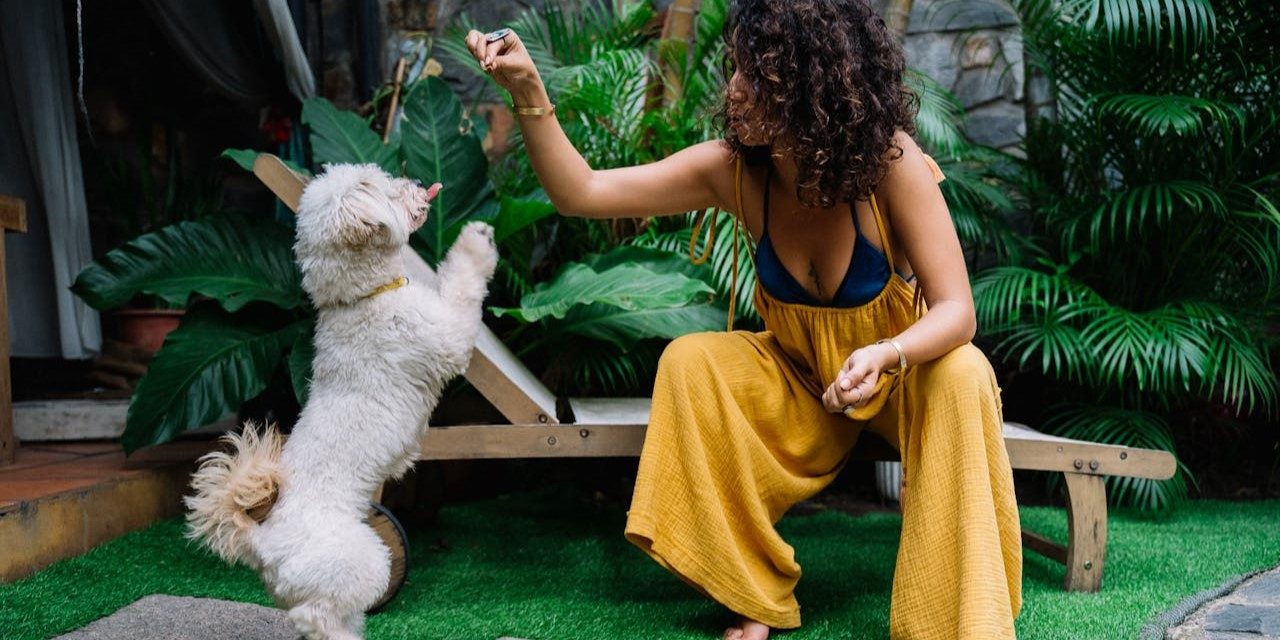
Training your dog to sit is one of the most essential skills you can teach. It’s not just about impressing your friends; it’s about creating a solid foundation for good behavior. Imagine the joy of having your furry friend respond to your command quickly and easily, making walks and playtime more enjoyable. You’ll discover simple, effective techniques that will help you teach your dog to sit. Whether you’re a first-time dog owner or looking to brush up on your training skills, you’ll find practical tips that fit your lifestyle. You’ll learn how do you train your dog to sit and to communicate clearly with your dog and strengthen your bond in the process. Are you ready to take the first step towards a well-behaved pup? Keep reading to find out how to make training fun and rewarding for both you and your dog! Credit: www.ebay.com Choosing The Right Training Environment Creating a suitable training environment is key for teaching your dog to sit. Choose a quiet space with minimal distractions. This helps your dog focus on your commands and rewards, making learning easier and more effective. Choosing the right training environment is crucial for effectively teaching your dog to sit. A well-chosen space can minimize distractions, enhance focus, and create a positive atmosphere for learning. Here’s how to set the stage for successful training sessions. Minimize Distractions Start by selecting a quiet area. A calm environment helps your dog concentrate. – Choose a room in your house or a quiet corner of your yard. – Avoid busy parks or crowded places for initial training. When I first trained my dog, I mistakenly chose a park filled with other dogs and people. My dog was too excited and couldn’t focus. It taught me to prioritize a distraction-free zone for effective training. Utilize Familiar Spaces Using familiar settings can increase comfort for your dog. – Your living room or backyard can be excellent choices. – The familiar scents and surroundings help your dog feel secure. Think about how you feel in a new place versus your home. Your dog experiences the same anxiety. Familiar places allow them to focus on learning without added stress. Gradually Introduce New Environments Once your dog masters sitting in a familiar space, slowly introduce new environments. – Start with slightly busier areas, like a quiet park. – Observe how your dog reacts and adjust the training accordingly. This gradual approach helps your dog adapt without becoming overwhelmed. Each new location should still have minimal distractions to reinforce learning. Time Of Day Matters Consider the time of day for your training sessions. – Early mornings or late afternoons are often quieter. – Avoid busy times when other dogs might be around. Finding the right time ensures fewer interruptions. This strategy worked wonders for me; training in the morning allowed my dog to focus better. Choosing the right environment sets the stage for success. Take time to evaluate the space around you, and remember: your dog’s comfort and focus are paramount in the training process. What challenges have you faced when training your dog in different environments? Using Treats For Motivation Using treats is a great way to motivate your dog. Dogs love food. This makes treats an effective training tool. They help your dog learn commands faster. Treats keep your dog focused and engaged during training. Choosing the right treat is essential. Pick something your dog loves. Small treats work best. They are easy to give and won’t fill your dog up. Use soft treats for quick rewards. This helps your dog stay interested. Timing Is Key Timing matters in dog training. Reward your dog immediately when they sit. This helps them connect the action with the treat. Quick rewards make learning faster. Your dog will understand what you want. Consistency Is Crucial Be consistent with your commands. Use the same word every time. For example, say “sit” each time you want your dog to sit. This helps your dog learn faster. Consistency builds trust and understanding between you and your dog. Gradually Reduce Treats Over time, reduce the number of treats. Start giving treats every other time. Then, give treats less often. This helps your dog learn to sit without expecting a treat every time. Praise your dog instead. Positive words can motivate them. Use Treats As A Reward, Not A Bribe Make sure treats are a reward, not a bribe. Show the treat only after your dog sits. This way, they will work for the treat. Avoid showing treats before the command. This can confuse your dog. Mastering The Lure Method The Lure Method is an effective way to teach your dog to sit. It uses food as a guide to help your dog understand what you want. This method is simple and works well for most dogs. With patience and practice, your dog will learn quickly. Gather Your Supplies Start with some tasty treats. Choose small, soft treats your dog loves. These will help keep your dog focused. You will also need a quiet space for training. This helps limit distractions. Get Your Dog’s Attention Call your dog over to you. Show them the treat in your hand. Let them sniff it to get excited. This will grab their attention right away. Make sure your dog is eager to follow your next move. Use The Lure To Guide Your Dog Hold the treat close to your dog’s nose. Slowly move the treat up and back over their head. As they look up, their bottom will lower. This is what you want. Praise them as soon as they sit. Reward Immediately When your dog sits, give them the treat right away. This helps them connect the action to the reward. Use a happy tone to praise your dog. This makes learning fun for them. Practice Consistently Practice this method several times a day. Keep sessions short, around 5 to 10 minutes. Dogs learn best with frequent, short training sessions. Consistency will help your dog learn … Read more

How to Teach Your Dog to Stay: Simple Training Tips

How to Teach Your Dog to Stay

Teaching your dog to stay is one of the most essential commands you can master together. Imagine the peace of mind you’ll feel knowing your furry friend can sit patiently while you handle daily tasks or navigate busy environments. Not only does this skill enhance your dog’s safety, but it also strengthens your bond through positive reinforcement and trust. In this guide on how to teach your dog to stay, you’ll discover straightforward techniques that make learning enjoyable for both you and your dog. You’ll find tips to overcome common challenges and ways to keep your dog engaged throughout the process. Get ready to transform your pup into a well-behaved companion, and enjoy the rewarding experience of training together. Keep reading to unlock the secrets to a successful “stay”! Choosing The Right Environment Choosing the right environment is key for teaching your dog to stay. A calm space helps your dog focus. Avoid busy areas that can distract your dog. Start in a quiet room at home. This allows your dog to learn without interruptions. As your dog becomes comfortable, gradually introduce new locations. A backyard is a great next step. It offers some outdoor freedom while staying controlled. Keep distractions minimal at this stage. This ensures your dog can concentrate on the command. Consider the time of day too. Choose a moment when your dog is calm. Early mornings or late evenings often work well. The environment should feel safe and familiar. A positive setting encourages learning. Once your dog masters the stay command at home, venture out. Start in a quiet park. This helps your dog adapt to new surroundings. Gradually add more distractions, like other dogs or people. Remain patient as your dog learns to focus. Credit: savoryprimepet.com Starting With Basic Commands Teaching your dog basic commands is essential. It lays the groundwork for more complex behaviors. Commands like “sit” and “come” build trust and understanding. This foundation helps when teaching the “stay” command. Begin with simple commands. Use clear words and consistent gestures. Your dog will learn faster this way. Start in a quiet place without distractions. This helps your dog focus on you. Choose A Quiet Space Select a calm environment for training. This reduces distractions. A quiet room or backyard works well. Avoid busy parks or areas with many people. Your dog can concentrate better in a peaceful setting. Use Positive Reinforcement Reward your dog for following commands. Use treats, praise, or toys. This encourages good behavior. Make sure rewards are immediate. This helps your dog connect the command to the reward. Teach The “sit” Command First The “sit” command is a great starting point. It’s simple and effective. Help your dog sit by holding a treat above their head. Move the treat back. Your dog will naturally sit to reach it. Reward them when they do. Introduce The “stay” Command Once your dog can sit, introduce “stay.” Ask your dog to sit first. Then, hold your hand up and say “stay.” Take a step back. If your dog remains in place, reward them. Gradually increase the distance. Practice Regularly Practice every day for short periods. Consistency is key in dog training. Short sessions are better than long ones. Keep training fun and engaging. Your dog will enjoy learning with you. Using Hand Signals Teaching your dog to stay using hand signals can be effective. Dogs are great at reading body language. Hand signals provide a clear visual cue for them. This method can be especially helpful for dogs that are more visually oriented. Hand signals can also help reinforce verbal commands. Dogs often respond better to gestures. This can make your training sessions more engaging for both of you. Here are some steps to use hand signals effectively. Choose Your Signal Select a simple hand signal for “stay.” A raised palm works well. This gesture is clear and easy to remember. Make sure everyone uses the same signal. Consistency is key for effective training. Start With Basic Commands Begin by teaching your dog basic commands. Use the command “sit” or “down” first. These positions are natural for dogs. They help your dog understand what you want. Once your dog is in position, use the hand signal. Combine Verbal And Hand Signals Use the verbal command “stay” along with your hand signal. This helps your dog connect the two. Start close to your dog. Gradually increase the distance as your dog learns. Always reward your dog for staying in place. Practice In Different Locations Practice the hand signal in various places. Start in a quiet room, then move to a yard. Challenge your dog with distractions later on. This helps your dog learn to focus on you. Be Patient And Consistent Training takes time. Be patient as your dog learns. Repeat the hand signal often. Keep training sessions short and fun. Always end on a positive note. Gradually Increasing Duration Teaching your dog to stay requires patience. Gradually increasing the duration helps your dog learn. This method builds their ability to hold the stay position. Start with short intervals and slowly extend them. Begin with just a few seconds. Ask your dog to stay. Reward them immediately if they remain in place. This builds a positive association with the command. Keep it simple at first. As your dog understands the command, increase the time. Add an extra second or two each session. Be consistent with your timing. Use a stopwatch if needed to track progress. Always reward your dog for staying longer. Use treats or praise to encourage them. This helps reinforce good behavior. Your dog will want to stay longer for the reward. Watch for signs of impatience. If your dog breaks the stay, don’t scold them. Simply reset and try again. Keep training sessions short and fun. This maintains your dog’s interest. Practice in various locations. Different places can help your dog adapt. Start in a quiet area, then gradually add distractions. This builds their focus and confidence. Be patient as you … Read more

Positive Reinforcement Dog Training: Transform Your Pup Today

Positive Reinforcement Dog Training

Are you struggling with your dog’s behavior? Do you wish for a happier, more obedient companion? Positive reinforcement dog training could be the solution you’ve been looking for. This method focuses on rewarding good behavior rather than punishing mistakes. Imagine your dog responding eagerly to commands, wagging their tail, and looking to you for guidance. You’ll discover how positive reinforcement works, why it’s effective, and how you can start implementing it today. Whether you’re training a puppy or trying to correct an older dog’s behavior, the techniques you learn here will help you build a stronger bond with your furry friend. Keep reading to unlock the secrets of creating a well-behaved and happy dog! Credit: www.animalbehaviorcollege.com Benefits Of Positive Reinforcement Positive reinforcement dog training offers many advantages. This method focuses on rewarding good behavior. Rewards can be treats, praise, or playtime. It builds a strong bond between the dog and the owner. Dogs learn faster when they feel happy and safe. Builds Trust And Confidence Positive reinforcement helps dogs trust their owners. They feel safe knowing good behavior leads to rewards. This trust encourages dogs to explore and try new things. A confident dog is more likely to follow commands and engage with others. Encourages Good Behavior Using rewards encourages dogs to repeat good behavior. They learn what actions lead to positive outcomes. This can reduce unwanted behaviors over time. Owners see progress quickly, making training enjoyable for both. Strengthens The Human-dog Bond Positive reinforcement creates a strong relationship. Dogs enjoy training sessions filled with rewards. They associate training with fun and positive experiences. A strong bond leads to better communication between owner and dog. Promotes A Happy Learning Environment A positive training environment fosters learning. Dogs feel less stressed and more eager to learn. They are more focused during training sessions. This leads to quicker and more effective training results. Reduces Fear And Anxiety Training without punishment reduces fear. Dogs are less likely to associate training with negative experiences. A calm dog is more open to learning. This approach promotes mental well-being and reduces anxiety. Key Principles Of Training Positive reinforcement dog training is a kind and effective method. It focuses on rewarding good behavior rather than punishing mistakes. Understanding its key principles is essential for successful training. These principles create a supportive environment for dogs. They help build trust and strengthen the bond between you and your pet. Here, we will explore the main principles of positive reinforcement training. Consistency Is Crucial Consistency helps dogs learn faster. Use the same commands and signals each time. This clarity helps your dog understand what you expect. Consistent rewards reinforce desired behaviors. Dogs thrive on routine, so keep training sessions regular. Timing Of Rewards Immediate rewards work best. Offer praise or treats right after the desired behavior. This connection helps your dog associate the action with the reward. Delayed rewards may confuse them. Quick feedback makes training more effective. Choose The Right Rewards Different dogs respond to different rewards. Treats are popular, but some dogs prefer toys or praise. Find what motivates your dog. Use high-value rewards for challenging tasks. Simple rewards can work for basic commands. Tailor rewards to your dog’s preferences. Encourage Gradual Progress Start with simple commands and gradually increase difficulty. Break tasks into smaller steps. Celebrate small victories along the way. This approach builds confidence in your dog. Patience is key during the training process. Avoid overwhelming your pet with too much at once. Positive Environment A positive environment promotes learning. Keep training sessions fun and engaging. Avoid harsh corrections or negative tones. Create a space free from distractions. This helps your dog focus on you and the task. A happy dog is more likely to learn. End On A Positive Note Always finish training sessions with a success. End with a fun game or a favorite trick. This leaves your dog excited for the next session. Ending positively reinforces the desire to learn. Each session should feel rewarding for both of you. Building Trust With Your Dog Building trust with your dog is essential for a strong bond. Trust creates a safe space for learning. Positive reinforcement training helps develop this trust. It focuses on rewarding good behavior. This makes training enjoyable for both you and your dog. Understanding Your Dog’s Needs Every dog has unique needs and preferences. Pay attention to your dog’s body language. Look for signs of stress or happiness. Understanding these signals helps create a trusting relationship. Use treats your dog loves as rewards. This encourages positive interactions. Consistency Is Key Consistency builds trust. Use the same commands and signals every time. This helps your dog know what to expect. Keep your training sessions short and fun. Short sessions prevent frustration. Reward your dog immediately after a good behavior. This reinforces learning effectively. Be Patient And Gentle Patience is vital in dog training. Dogs learn at their own pace. Avoid yelling or harsh corrections. This can damage trust. Use a calm voice and gentle touch. Encourage your dog with positive words. Celebrate small successes to build confidence. Creating A Safe Environment A safe space promotes trust. Make sure your training area is free from distractions. A quiet space helps your dog focus. Allow your dog to explore while training. This fosters a sense of security. Provide a cozy spot for your dog to relax after training. Building A Positive Association Positive experiences strengthen trust. Use treats, praise, and playtime as rewards. Create fun activities during training. This builds a positive association with learning. Your dog will look forward to training sessions. Trust grows through enjoyable interactions. Reward Strategies That Work Positive reinforcement dog training relies on rewards. These rewards motivate dogs to repeat good behavior. Understanding effective reward strategies is key. Simple methods can create lasting results. Here are some proven strategies to consider. Use Treats Wisely Treats can be powerful motivators. Choose small, tasty treats. Soft treats work best for quick rewards. Keep treats handy during training sessions. Always reward … Read more

Aggressive Dog Training: Transform Behavior Fast

Aggressive Dog Training

When it comes to our furry friends, aggression can be one of the most challenging behaviors to manage. If you’re dealing with an aggressive dog, you might feel overwhelmed and uncertain about what to do next. You’re not alone. Many dog owners face similar struggles, and the good news is that aggressive behaviors can often be managed with the right training techniques. This is where aggressive dog training comes into play. You’ll discover effective strategies to help you understand your dog’s aggression and address it head-on. Whether your dog displays fear-based aggression, territorial instincts, or simply needs to learn better social skills, you have the power to make a change. Imagine enjoying peaceful walks without worrying about unexpected reactions. Picture a calmer, happier dog that can confidently interact with other pets and people. Ready to turn your dog’s behavior around? Let’s dive into the essential training methods and insights that can transform your relationship with your dog for the better. Your journey to a more harmonious life with your canine companion starts here. Common Causes Of Aggression Aggression in dogs can arise from various factors. Understanding these causes is crucial for effective training. Each dog’s background and experiences shape its behavior. Identifying triggers can lead to better training strategies. Fear-based Aggression Fear is a common cause of aggression. Dogs may react aggressively if they feel threatened. This can occur due to past trauma or lack of socialization. Fearful dogs often display warning signs. Growling and barking are common responses. Protective Behavior Some dogs show aggression to protect their territory. They may feel the need to guard their home or family. This protective instinct can lead to aggressive actions. Proper training helps manage this behavior effectively. Pain Or Discomfort Aggression can stem from pain or discomfort. Dogs in pain may react aggressively when touched. This can happen during medical issues or injuries. It’s important to rule out health problems before addressing aggression. Resource Guarding Resource guarding is another cause of aggression. Dogs may become aggressive over food, toys, or space. They see these resources as valuable. Training can help dogs feel secure and reduce this behavior. Genetic Factors Some dogs may have a genetic predisposition to aggression. Certain breeds are more prone to aggressive behavior. Understanding this can help in training. Responsible breeding practices can also play a role. Lack Of Socialization Insufficient socialization during puppyhood can lead to aggression. Dogs need to interact with different people and animals. This helps them learn appropriate behaviors. Early socialization is key to preventing aggressive responses. Frustration Or Redirected Aggression Frustration can cause aggressive behavior in dogs. When they cannot reach a target, they may redirect aggression. This can happen during leash walks or playtime. Training can help manage these feelings. Credit: leaderofthepackdogtraining.org Recognizing Early Warning Signs Understanding early warning signs in dogs is vital. Recognizing these signs can help prevent aggressive behavior. Early detection allows for timely intervention. This can lead to better outcomes for both dog and owner. Dogs often give subtle hints before showing aggression. Knowing these signs helps you respond appropriately. It creates a safer environment for everyone. Body Language Indicators Watch your dog’s body language closely. Signs of stress include stiff posture and tucked tails. Ears pinned back also indicate discomfort. These signals often mean your dog feels threatened. Vocalizations To Note Listen for specific sounds your dog makes. Growling is a clear warning. Barking can also show distress. Snarling is another serious signal of potential aggression. Behavioral Changes Look for changes in your dog’s usual behavior. A friendly dog may become withdrawn or anxious. Increased aggression towards other animals is another warning. Changes like these often indicate underlying issues. Triggers To Identify Identify situations that lead to aggressive behavior. Common triggers include strangers, loud noises, or other pets. Recognizing these triggers helps you manage your dog’s environment. Avoiding triggers can reduce stress for your dog. The Importance Of Early Recognition Early recognition of warning signs is key. It allows for effective training and management. Addressing issues early can prevent escalation. This creates a safer space for your dog and others. Role Of Professional Trainers Aggressive dog training is a serious task. It requires skill and knowledge. Professional trainers play a vital role in this process. They help owners manage and reduce aggressive behaviors effectively. Understanding dog behavior can be challenging. Trainers have the experience to assess individual situations. They can identify triggers that cause aggression. This insight is essential for developing a tailored training plan. Expertise In Behavior Modification Professional trainers use proven methods. They apply behavior modification techniques. These methods include desensitization and counterconditioning. This approach helps dogs respond better to their triggers. Trainers also teach owners how to handle situations. They provide clear instructions and support. This helps owners feel more confident in managing their dogs. Safe Training Environment Training aggressive dogs can be risky. Professional trainers create a safe environment. They ensure that the training area is secure. This reduces the risk of incidents during training sessions. With proper supervision, trainers can manage aggressive behaviors. They can intervene quickly if necessary. This level of control is crucial for safety. Support For Dog Owners Dog owners often feel overwhelmed. Professional trainers provide emotional support. They guide owners through the training process. This support helps build a strong bond between the dog and owner. Trainers also educate owners about dog behavior. Understanding why a dog acts aggressively can ease stress. Knowledge empowers owners to make better decisions. Long-term Solutions Training does not offer quick fixes. Professional trainers focus on long-term solutions. They help owners set realistic goals. This approach ensures sustainable progress in behavior. Trainers often follow up with owners. They assess progress and make adjustments as needed. Continuous support is key for lasting change. Behavior Modification Techniques Behavior modification techniques are essential in aggressive dog training. These methods help reshape a dog’s reaction to certain triggers. They focus on changing negative behaviors into positive ones. Understanding these techniques can create a safer environment for everyone. … Read more

Tips for Training Your Dog Using Rewards: Proven Techniques

Tips for Training Your Dog Using Rewards

Training your dog can be a rewarding experience for both of you, but it doesn’t have to be a struggle. If you want your furry friend to learn and behave well, using rewards is one of the most effective methods. Imagine your dog eagerly responding to your commands, wagging their tail with excitement, and enjoying the training process just as much as you do. This article will guide you through simple yet powerful tips for training your dog using rewards. You’ll discover how to choose the right rewards, create a positive training environment, and strengthen your bond with your pet. Get ready to transform your training sessions into fun and engaging experiences that lead to lasting results. Keep reading to unlock the secrets of successful dog training! Credit: www.oneminddogs.com Reward-based Training Benefits Reward-based training focuses on positive reinforcement. This method encourages good behavior through rewards. Dogs learn faster when they associate actions with rewards. This can be treats, praise, or playtime. The benefits of this training method are significant and impactful. Strengthens The Bond Between You And Your Dog Using rewards builds trust. Your dog sees you as a source of good things. This connection makes your dog more willing to learn. A strong bond leads to better communication. Enhances Learning And Retention Dogs remember what earns them rewards. This helps them repeat desired behaviors. Positive reinforcement makes learning enjoyable. Your dog will be eager to participate in training sessions. Reduces Behavioral Problems Reward-based training can decrease unwanted behaviors. Dogs learn what actions bring rewards. This shifts their focus from negative actions to positive ones. It encourages good habits over time. Promotes A Positive Training Environment A positive environment leads to better results. Dogs feel safe and happy during training. This reduces stress for both the dog and the owner. Enjoyable training sessions motivate your dog to engage. Supports Overall Well-being Reward-based training contributes to your dog’s happiness. Engaged dogs are less likely to feel bored or anxious. This leads to a healthier and more balanced lifestyle. Dogs thrive when they feel loved and rewarded. Choosing The Right Rewards Choosing the right rewards is crucial for effective dog training. Rewards motivate dogs and reinforce good behavior. Different dogs respond to different types of rewards. Understanding your dog’s preferences can make training smoother and more enjoyable. Some dogs love treats, while others prefer toys or praise. Observing your dog’s reactions can help you identify what excites them. Tailoring rewards to your dog’s tastes enhances their learning experience. Types Of Rewards There are three main types of rewards: treats, toys, and praise. Treats are often the most popular choice. Use small, tasty morsels that your dog loves. Toys can also be effective. Choose toys that are interactive and engaging. Praise is another powerful reward. Use a happy tone and affectionate gestures. Dogs thrive on positive feedback. A simple “good boy” or “good girl” can go a long way. Timing Is Key Timing is crucial when giving rewards. Offer the reward immediately after your dog performs the desired behavior. This helps the dog connect the action with the reward. Quick rewards enhance learning and understanding. Be consistent with your timing. This builds trust and clarity in training. Dogs learn best when they know what to expect. Experiment And Adjust Every dog is unique. What works for one dog may not work for another. Experiment with different rewards to see what your dog responds to best. Adjust your approach based on your dog’s preferences. Observe your dog’s behavior during training. If they seem less interested, try a different reward. Keep the training sessions fun and engaging. Use High-value Rewards For Difficult Tasks Some commands are harder for dogs to learn. Use high-value rewards for these tasks. High-value treats are those your dog loves the most. Save these special rewards for challenging training moments. Using high-value rewards encourages your dog to focus and put in effort. This can lead to better results and a happier training experience. Timing Of Rewards Timing is everything in dog training, especially when using rewards. Getting the timing right can significantly impact how quickly your dog learns and how effectively they respond to commands. By understanding when to give rewards, you can reinforce positive behavior and create a strong bond with your furry friend. Immediate Rewards Delivering rewards immediately after your dog performs a desired behavior is crucial. This helps them make a clear connection between the action and the reward. For instance, if your dog sits on command, offer a treat right away. This instant feedback reinforces their understanding of the command. Consistency Is Key Being consistent with the timing of your rewards helps your dog learn faster. If you reward them sometimes but not others, they may get confused. Stick to a routine. Reward every time they follow a command correctly, especially during the learning phase. Adjusting Based On The Situation Sometimes, the environment can affect your dog’s focus. If you’re training in a noisy park, you might need to reward them faster to maintain their attention. In quieter settings, you can take a moment to praise them before giving the treat. Observing your dog’s reactions and adjusting accordingly is vital. Using A Variety Of Rewards Mixing up your rewards can keep your dog engaged and eager to learn. Treats are great, but also consider using toys or playtime as rewards. My dog, Max, loves fetch. When he follows commands well, I reward him with a game of fetch. This variety keeps training fun and exciting. Gradually Fading Rewards As your dog becomes more proficient, start to fade the rewards gradually. Instead of rewarding every single time, offer treats intermittently. This method helps maintain their interest and encourages them to keep working for the reward. It’s like turning training into a game of chance. Have you noticed how your dog responds to different reward timings? Adjusting your approach can make a world of difference in their training journey. Credit: www.instagram.com Scaling Reward Value Scaling reward value is … Read more

Dog Training Treats: Top Picks for Happy Pups

Dog Training Treats

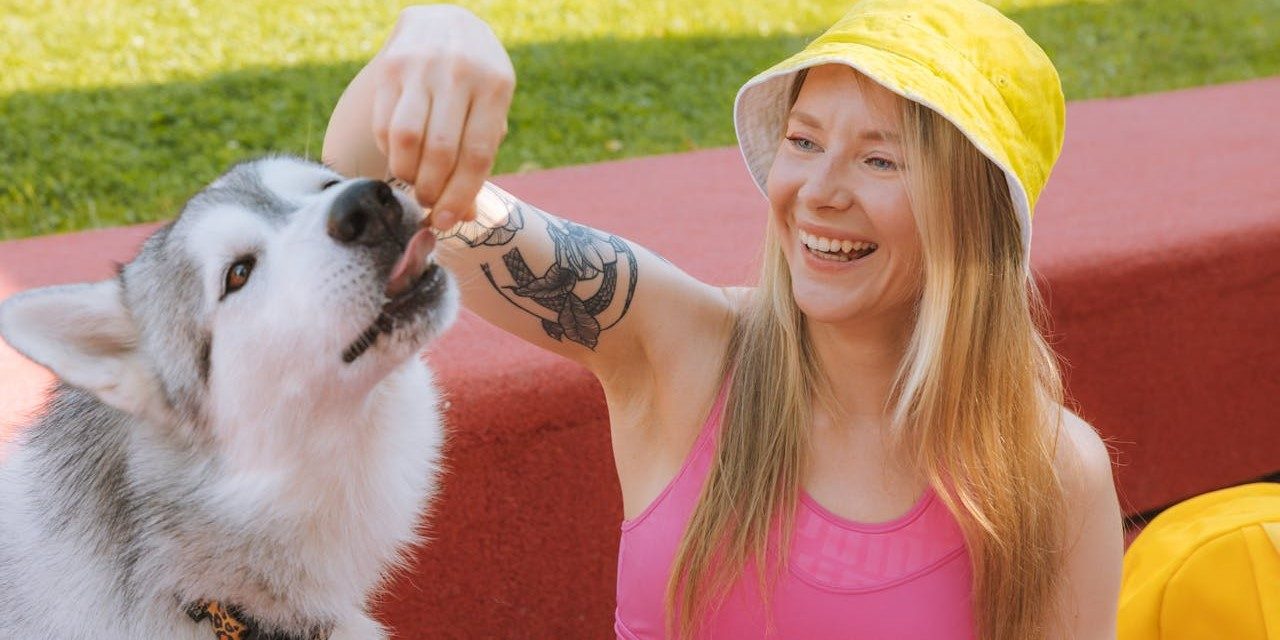
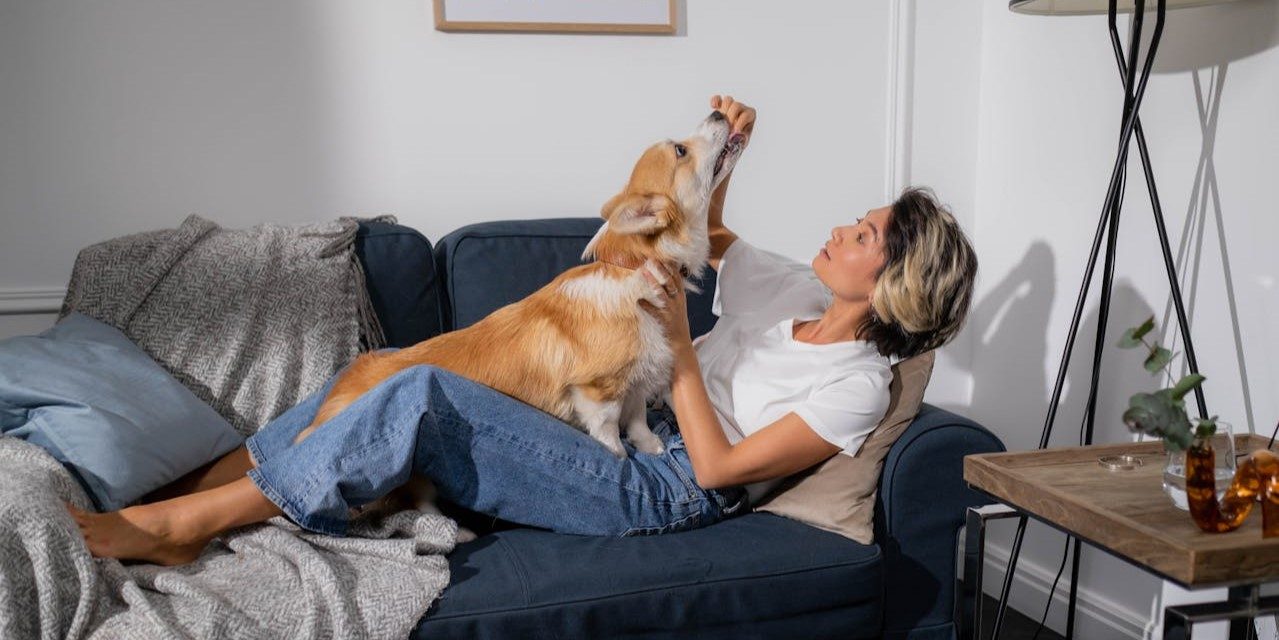
Training your dog can be a rewarding experience, but it often comes with its challenges. One of the most effective ways to motivate your furry friend is through the use of dog training treats. These tasty rewards not only capture your dog’s attention but also reinforce positive behaviors. Imagine watching your pup learn commands and tricks while eagerly anticipating that delicious treat! We’ll explore the best dog training treats available, tips for using them effectively, and how they can transform your training sessions into enjoyable bonding moments. Whether you’re teaching basic commands or advanced tricks, the right treats can make all the difference. Are you ready to enhance your dog’s training experience? Let’s dive in! Best Treats For Training Choosing the right treats for dog training is vital. Treats motivate dogs to learn and obey commands. They should be tasty and easy to chew. The best training treats are small and flavorful. This helps keep your dog’s attention during training sessions. Consider the dog’s preferences. Each dog has different tastes. Some may love chicken, while others prefer peanut butter. Testing a few flavors can help find the best fit. Focus on healthy options, too. Treats should support your dog’s overall health. Soft Treats Soft treats are easy for dogs to chew and swallow. They work well for quick training sessions. Dogs can enjoy these tasty bites without distractions. Look for options that are moist and flavorful. Soft treats are often lower in calories, too. Crunchy Treats Crunchy treats provide a satisfying texture. Dogs enjoy the sound and feel of crunchy bites. They can be great for longer training sessions. Choose small-sized crunchy treats. This helps prevent overfeeding during training. Healthy Options Healthy training treats support your dog’s diet. Look for treats with natural ingredients. Avoid treats with artificial flavors or preservatives. Many brands offer low-calorie or grain-free options. This ensures your dog stays fit and healthy. High-value Treats High-value treats are special rewards for tough training tasks. These treats are often more flavorful or unique. Use them for challenging commands or new tricks. They motivate dogs to work harder and learn faster. Freeze-dried Treats Freeze-dried treats are lightweight and portable. They are easy to carry in your training pouch. These treats maintain flavor and nutrients. Many dogs find them irresistible. They can be a great addition to your training routine. Affordable Options Finding affordable dog training treats doesn’t have to be a daunting task. With so many options available, you can keep your pup motivated without breaking the bank. Here are some budget-friendly choices that can help make training a fun and rewarding experience for both you and your furry friend. Homemade Treats Making your own dog treats is a cost-effective way to ensure quality and flavor. Simple ingredients like peanut butter, oats, and pumpkin can create tasty snacks. Not only will your dog love them, but you’ll save money too. 1 cup peanut butter 2 cups oats 1/2 cup pumpkin puree Mix these ingredients and bake at 350°F for 20 minutes. Cut them into small pieces for training rewards! Store Brands Many store brands offer quality dog training treats at a lower price. You can find great options at places like Walmart or Target. Brands like Golden Rewards and Buddy Biscuits often provide good deals without skimping on taste. When shopping, check for sales or discounts. You might be surprised at how much you can save! Bulk Buying Buying treats in bulk can also help you save. Look for bulk options at stores or online retailers like Chewy. Not only do you get a lower price per treat, but you also ensure you always have enough on hand for training sessions. Consider splitting a bulk purchase with a friend. This way, you both save money while keeping your dogs happy! Online Coupons And Discounts Before you make a purchase, search for online coupons. Websites often provide discounts for first-time buyers or loyalty programs. Taking a few minutes to find a deal can lead to significant savings. Have you ever tried using a discount app? They can help you find the best deals on dog treats nearby. Affordable dog training treats are within your reach. With a little creativity and smart shopping, you can keep your dog motivated and happy without overspending. What are some of your favorite budget-friendly treats for training? Share your experiences! Flavor Variety Flavor variety in dog training treats is not just a fun addition; it’s essential for keeping your dog engaged and motivated. Just like humans, dogs have preferences. A treat that excites your dog can make all the difference in training sessions. Why Variety Matters Dogs can quickly become bored with the same flavor. Offering a variety of flavors keeps their interest piqued and makes training sessions more enjoyable. Imagine your dog’s excitement when they get a different treat each time—it’s an instant mood booster! Popular Flavor Options Peanut Butter: Most dogs adore the rich taste of peanut butter. It’s a great reward after a successful command. Chicken: Chicken-flavored treats are a classic favorite. Their savory scent draws dogs in every time. Bacon: Who can resist bacon? This flavor often brings out your dog’s playful side. Beef: Beef treats are hearty and satisfying. They make for excellent high-value rewards during training. Mixing It Up Consider rotating flavors throughout the week. For example, start the week with peanut butter, switch to chicken midweek, and finish with bacon. This not only keeps your dog guessing but also keeps their training sessions fresh and exciting. Size And Texture The size and texture of treats also play a role in flavor variety. Soft, chewy treats might be preferred in some situations, while crunchy options can be better for others. Experimenting with different textures can enhance the overall experience for your dog. Have you noticed your dog reacting differently to various flavors? It’s fascinating how a simple change can lead to increased enthusiasm. Keep your training sessions lively by paying attention to what flavors your furry friend enjoys … Read more

Best Dog Breeds for Kids: Friendly and Playful Companions

Best Dog Breeds for Kids

Are you considering adding a furry friend to your family? Choosing the right dog breed is crucial, especially when you have kids. The best dog breeds for kids are not just about cuteness; they also need to be friendly, patient, and adaptable. Imagine your children playing joyfully with a loyal companion by their side, creating memories that last a lifetime. We’ll explore the top dog breeds that are perfect for families. You’ll discover which breeds are gentle with little ones and which ones can keep up with your active lifestyle. The right dog can enhance your family dynamic and provide endless love and companionship. Keep reading to find out which breeds could be the perfect fit for your home! Golden Retrievers Golden Retrievers are one of the most beloved dog breeds, especially for families with children. Their friendly demeanor and playful nature make them stand out as ideal companions for kids. If you’re considering adding a furry friend to your family, Golden Retrievers could be the perfect fit. Friendly And Affectionate Nature Golden Retrievers are known for their gentle and affectionate temperament. They thrive on human interaction and often enjoy being part of family activities. Your kids will love how these dogs greet them with wagging tails and warm cuddles. Patient And Tolerant These dogs are exceptionally patient, even with energetic children. Golden Retrievers handle rough play and excitement with ease. You can feel confident letting your children play with them, knowing they are tolerant and calm. Easy To Train Training a Golden Retriever is generally a straightforward process. They are intelligent and eager to please, making them quick learners. Teaching your kids how to train their dog can be a fun bonding experience that also instills responsibility. Active Lifestyle Companions If your family enjoys outdoor activities, Golden Retrievers are perfect companions. They love to run, fetch, and swim, providing endless fun for your kids. This breed encourages a healthy lifestyle, as you’ll find yourselves spending more time outdoors together. Health Considerations While Golden Retrievers are generally healthy, they can be prone to certain conditions like hip dysplasia and obesity. Regular vet check-ups and a balanced diet are essential for keeping them healthy. Consider these factors when deciding if a Golden Retriever is right for your family. Bringing a Golden Retriever into your home can enhance your family’s life. Their loving nature, patience, and playful spirit create lasting memories. Are you ready to welcome a new furry family member? The joy they bring to your kids is immeasurable! Credit: www.petinsurance.com Labrador Retrievers Labrador Retrievers are a beloved breed among families, especially those with children. Their friendly demeanor and playful nature make them a perfect fit for a lively household. If you’re considering a furry friend for your kids, a Labrador might just be the ideal choice. Friendly Temperament Labrador Retrievers are known for their gentle and friendly temperament. They are incredibly social dogs who thrive on interaction, making them great companions for kids. You’ll often find them wagging their tails and ready to play at any moment! Playful Energy This breed is full of energy and loves to engage in activities. Whether it’s a game of fetch at the park or a swim in the pool, Labradors are always up for fun. Their enthusiasm can keep your children entertained for hours. Easy To Train Training a Labrador is typically a straightforward process. They are eager to please and respond well to positive reinforcement. Teaching your kids how to train their Labrador can also foster a strong bond between them. Patient And Tolerant Labradors are known for their patience and tolerance, especially with younger kids. They handle rough play and loud noises better than many other breeds. This makes them an excellent choice for families with energetic children. Health Considerations While Labradors are generally healthy, they can be prone to obesity. Regular exercise and a balanced diet are crucial to keep them fit. Consider involving your kids in the dog’s daily walks to teach them responsibility and promote a healthy lifestyle. A Perfect Family Companion Having a Labrador Retriever can bring immense joy to your family. Their loyalty and affection create a loving atmosphere at home. Can you imagine the laughter and fun your family will share with a Labrador by your side? Beagles Beagles are a delightful breed that often captures the hearts of families with children. Their friendly disposition and playful nature make them perfect companions for kids. With their boundless energy and curious spirit, Beagles can provide hours of fun and laughter. Friendly And Social Nature Beagles are known for their friendly temperament. They thrive on social interactions, whether with family members or other dogs. Your kids will find a loyal and loving friend in a Beagle. These dogs are naturally curious and enjoy being part of the family’s activities. They are great with children and often exhibit a gentle demeanor, which is crucial when it comes to playtime. Active And Playful Beagles are energetic dogs that require regular exercise. They love to run, play fetch, and explore their surroundings. This makes them an ideal match for active families. Daily walks are a must to keep them happy. Games in the backyard can be a fun way to bond. They often enjoy chasing after balls or their favorite toys. Engaging your Beagle in outdoor activities can also encourage your children to be more active, promoting a healthy lifestyle for the entire family. Easy To Train With Consistency Beagles are intelligent but can sometimes be stubborn. Consistent training methods work best with this breed. You’ll find that positive reinforcement, such as treats and praise, is effective. In my experience, my Beagle quickly learned commands with a little patience and enthusiasm. Teaching your kids to participate in training can also foster responsibility and strengthen their bond with the dog. Considerations For Beagle Owners While Beagles are fantastic companions, they do have a few quirks. Their strong sense of smell can lead them to follow scents, sometimes wandering off if … Read more

Hypoallergenic Dog Breeds: Perfect Pets for Allergy Sufferers

Hypoallergenic Dog Breeds

Are you dreaming of having a furry friend but worried about allergies? You’re not alone. Many people love dogs but find it challenging to welcome one into their homes due to allergy concerns. The good news is that some dog breeds are known for being hypoallergenic, making them a great option for allergy sufferers like you. You’ll discover the top hypoallergenic dog breeds that could fit seamlessly into your life. We’ll also share important tips to consider before bringing a new pup home. By the end, you’ll have the knowledge you need to choose the perfect companion without compromising your health. So, keep reading to find your future four-legged friend! Credit: bcvet.org What Makes A Dog Hypoallergenic Understanding what makes a dog hypoallergenic can help you find a furry companion that fits your lifestyle, especially if you suffer from allergies. Hypoallergenic dogs aren’t completely free of allergens, but they tend to produce fewer allergens than other breeds. Let’s dive into the factors that contribute to this unique classification. Genetic Factors The genetics of a dog play a significant role in its hypoallergenic traits. Certain breeds produce less dander, saliva, and urine, which are the main sources of allergens. For instance, breeds like the Poodle have a unique coat structure that minimizes shedding and dander release. Coat Type The type of coat a dog has can greatly impact its hypoallergenic qualities. Curly and wavy coats tend to trap dander and hair, preventing them from scattering in your home. Breeds such as Bichon Frises and Maltese have such coats, making them ideal for allergy sufferers. Grooming Requirements Regular grooming is essential for maintaining a hypoallergenic dog. Consistent brushing helps to remove loose hair and dander from their coat. This not only keeps your home cleaner but also contributes to your dog’s overall health. Individual Sensitivities It’s crucial to remember that individual sensitivities vary. Just because a breed is labeled as hypoallergenic doesn’t mean you won’t react to it. Spending time with a specific breed before making a commitment can help you gauge your reaction. Environmental Factors Other environmental factors also influence allergic reactions. Dust, pollen, and mold can exacerbate symptoms, so maintaining a clean living space is important. Consider using air purifiers and regularly cleaning your home to minimize allergens. Choosing a hypoallergenic dog requires careful consideration of these factors. Have you thought about how these elements can influence your decision? Finding the right balance can lead to a harmonious relationship between you and your new furry friend. Top Breeds For Allergy Sufferers Finding the perfect furry companion can be a challenge, especially for allergy sufferers. Luckily, several dog breeds are known for being hypoallergenic, meaning they are less likely to trigger allergic reactions. Here’s a closer look at some of the top breeds that can make great pets for those with sensitivities. Poodles Poodles are among the most popular hypoallergenic breeds. Their curly, dense coats trap dander and allergens effectively, minimizing the spread of irritants. They come in various sizes: standard, miniature, and toy. This variety allows you to choose a Poodle that fits your living space and lifestyle. Bichon Frises Bichon Frises are known for their fluffy, white, curly coats that hardly shed. This makes them an excellent hypoallergenic choice for those with allergies. With their cheerful disposition, these small dogs can brighten up your home without compromising your health. Maltese The Maltese breed features long, silky hair that surprisingly doesn’t trigger allergies as much as other breeds. Their coat requires regular grooming but is worth it for allergy sufferers. These affectionate little dogs are known for their playful personality and can fit well into any family setting. Portuguese Water Dogs Portuguese Water Dogs have a unique, water-repellent coat that sheds minimally. They gained popularity after the Obama family chose this breed due to their daughter’s allergies. These intelligent and energetic dogs require regular exercise, making them perfect for active families. Important Considerations Individual sensitivities vary:Even hypoallergenic breeds can trigger reactions in some people. Grooming is essential:Regular grooming helps to control dander and keep allergens at bay. Before bringing a dog home, spend time with the breed you’re considering. This way, you can gauge how your allergies react and ensure a good match for your household. Your health is just as important as finding a new friend! Poodle Varieties And Benefits Poodles are not just adorable; they’re also among the best hypoallergenic dog breeds. Their unique coat structure and variety in size make them a popular choice for many families. Let’s dive deeper into the different varieties of Poodles and the benefits they offer. Poodle Varieties Poodles come in three distinct sizes, allowing you to choose one that fits your lifestyle: Standard Poodle:The largest of the three, they usually weigh between 40-70 pounds. They are excellent for active families who enjoy outdoor activities. Miniature Poodle:Weighing around 15-17 pounds, these dogs are perfect for smaller living spaces. They still have plenty of energy and love to play. Toy Poodle:The smallest variety, typically weighing 4-6 pounds. They are great companions and can easily adapt to apartment living. Benefits Of Poodles Poodles are known for their intelligence and trainability. They excel in obedience training and can learn tricks quickly. This makes them a joy to have around and a wonderful option for families. Another significant benefit is their hypoallergenic qualities. Their curly, dense coats trap dander and allergens, reducing the chances of allergic reactions. This feature makes them a favorite among allergy sufferers. Grooming your Poodle is essential for maintaining its coat and minimizing allergens. Regular brushing and professional grooming help keep their coats in top shape. How often do you think you could commit to grooming a Poodle? Each Poodle variety offers distinct personality traits. Standard Poodles are often more laid-back, while Miniature and Toy Poodles can be more playful and energetic. Which variety do you think would match your lifestyle the best? Owning a Poodle can be a rewarding experience, especially when you find the right size for your home. … Read more

Calm Dog Breeds: Perfect Companions for Stress-Free Living

Calm Dog Breeds

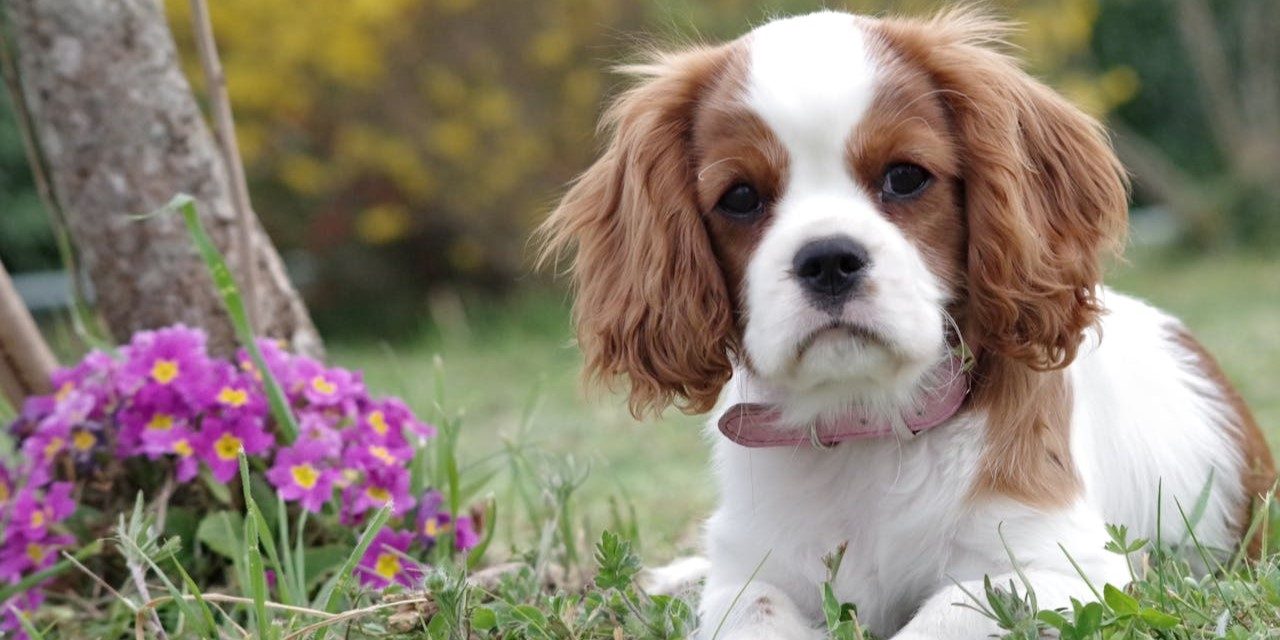
Finding the perfect dog can be a life-changing decision, especially if you value a calm and peaceful home. If you’re looking for a furry friend that won’t add to your stress, exploring calm dog breeds may be just what you need. These breeds are known for their gentle temperaments, making them ideal companions for families, seniors, or anyone who appreciates a relaxed lifestyle. Imagine coming home to a dog that is easygoing, loving, and content to snuggle by your side or quietly watch the world go by. You’ll discover a variety of calm dog breeds, each with unique traits that make them perfect for your tranquil living environment. We’ll delve into their characteristics, care needs, and why they might be the perfect addition to your family. Whether you’re a seasoned dog owner or a first-time pet parent, understanding these breeds will help you make an informed choice. Keep reading to find your future best friend! Credit: www.countryliving.com Calm Dog Breeds For Stress-free Living Finding a calm dog breed can bring peace to your home. These dogs are gentle and easygoing. They help create a stress-free environment. Their calm nature allows families to relax and enjoy life together. Calm dog breeds are perfect for all kinds of owners. They are great for families, singles, and seniors. A calm dog can make a wonderful companion. They often adapt well to different living situations. 1. Basset Hound Basset Hounds are laid-back and friendly. They enjoy lounging around the house. Their gentle nature makes them great with children. Regular walks keep them healthy, but they are not overly energetic. 2. Cavalier King Charles Spaniel Cavalier King Charles Spaniels are affectionate and sweet. They love to cuddle and stay close to their owners. Their calm demeanor is comforting. They adapt well to small spaces and can be happy in apartments. 3. Saint Bernard Saint Bernards are large but gentle giants. They are known for their patience and calmness. These dogs are great with kids and other pets. They require moderate exercise and enjoy a relaxed lifestyle. 4. Great Dane Great Danes are surprisingly calm for their size. They are friendly and good-natured. These gentle giants enjoy being around people. Their loyal nature makes them excellent family dogs. 5. Irish Wolfhound Irish Wolfhounds are known for their calm temperament. They are gentle and friendly with everyone. Despite their size, they prefer to relax indoors. Regular walks keep them healthy but do not require intense exercise. 6. Shih Tzu Shih Tzus are small but full of love. They are affectionate and enjoy being pampered. Their calm nature makes them great companions. They do well in apartments and need moderate exercise. 7. Bulldog Bulldogs are known for their easygoing personality. They are friendly and great with kids. Bulldogs enjoy short walks but are not very active. Their calm demeanor brings a sense of peace to any home. 8. Newfoundland Newfoundlands are gentle giants with a calm disposition. They are very good with children. Their loving nature makes them excellent family pets. Regular exercise is important, but they enjoy relaxing too. Traits Of Calm And Gentle Dogs The traits of calm and gentle dogs make them wonderful companions for families, individuals, and seniors alike. These dogs often exhibit behavior that promotes a peaceful environment, making them ideal for anyone seeking a relaxed atmosphere at home. Understanding these traits can help you choose the right dog for your lifestyle. Friendly Temperament Calm dogs usually have a friendly demeanor. They tend to be approachable, creating a welcoming vibe in your home. Their gentle nature allows them to get along well with kids and other pets. Low Energy Levels Many calm breeds have lower energy levels compared to their more active counterparts. They enjoy leisurely walks and short play sessions rather than intense exercise. This characteristic makes them perfect for people with a more laid-back lifestyle. Adaptability Gentle dogs are often adaptable to various living situations. Whether you live in a small apartment or a spacious house, they adjust well. Their ability to fit into different environments means you don’t have to worry about them feeling overwhelmed. Affectionate Nature Calm dog breeds are generally very affectionate. They thrive on love and attention, seeking out your company. This emotional connection enriches your relationship, making every moment spent together special. Trainability Many calm dogs are easy to train due to their intelligence and willingness to please. They respond well to positive reinforcement methods. This makes it easier for you to teach them commands and good behavior. Reflect on your experience with dogs. Have you ever met a dog that instantly made you feel relaxed? That’s the power of calm and gentle breeds. Their soothing presence can transform your home into a peaceful sanctuary. Choosing a calm dog breed can lead to a happier, more serene life. Think about the traits that matter most to you and how they align with your lifestyle. Are you ready to welcome a gentle companion into your home? Top Large Calm Dog Breeds Calm dog breeds are ideal for families seeking gentle companions. Large breeds like the Saint Bernard and Irish Wolfhound offer a relaxed demeanor and loving nature. These dogs thrive in peaceful environments, making them perfect for laid-back households. Enjoy the serenity they bring to your life. When searching for a dog that embodies calmness, large breeds often stand out. Their gentle demeanor and relaxed nature make them ideal companions for families and individuals alike. If you’re considering adding a large dog to your home, here’s a look at some of the top large calm dog breeds that can fit seamlessly into your lifestyle. 1. Great Dane Great Danes are known for their impressive size and gentle hearts. Despite their towering stature, they are often called “gentle giants.” Their calm demeanor makes them great for families and those who appreciate a relaxed canine presence. These dogs enjoy lounging around the house and are generally good with children and other pets. 2. Bernese Mountain Dog Bernese Mountain … Read more