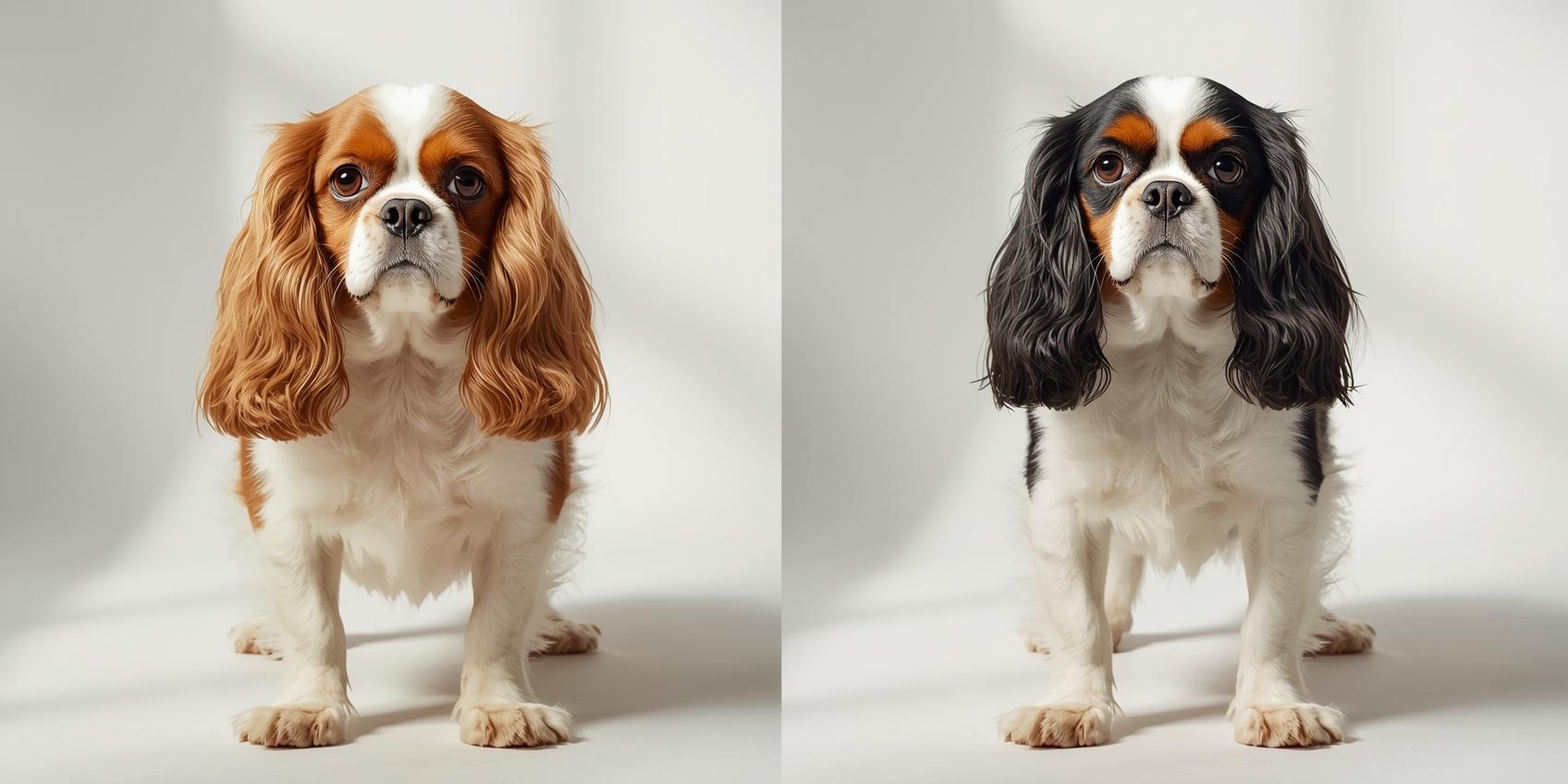
Is your Cavalier overweight and starting to look a little rounder than usual? You might be wondering if your furry friend is carrying a few extra pounds.
Keeping your Cavalier at a healthy weight is not just about looks—it affects their energy, happiness, and how long they stay by your side. You’ll discover simple ways to tell if your dog is overweight and what steps you can take right now to help them feel their best.
Don’t wait until it’s too late your Cavalier’s health depends on you. Keep reading to learn how to spot the signs and take action today.
Signs Of Overweight Cavaliers
Noticing signs of overweight in your Cavalier helps keep them healthy. Weight gain can cause health problems and reduce their life quality. Spotting early signs allows quick action and better care for your dog.
Physical Appearance Changes
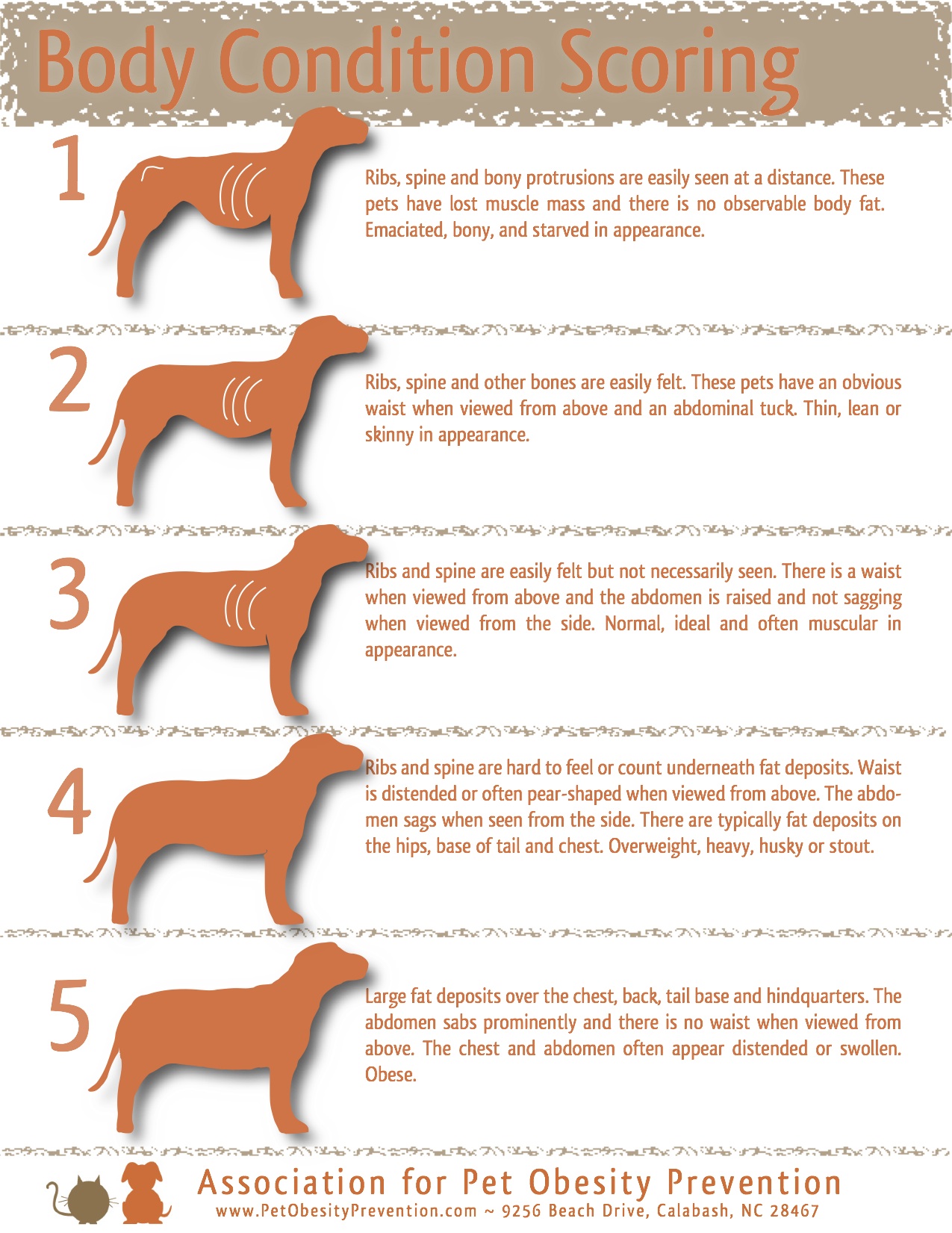
Check if your Cavalier’s ribs are hard to feel. A thin dog’s ribs should be easy to touch without fat covering. Look at their waist from above. It should be visible and narrow behind the ribs. If the waist looks wide or missing, the dog may be overweight. Notice if the belly hangs lower than usual. Extra fat can make the belly bulge or sag. Watch for a rounder face and thicker neck too.
Behavioral Indicators
Observe your dog’s energy during playtime. Overweight Cavaliers often tire quickly or avoid activity. Notice if your dog breathes hard after little exercise. Heavy breathing can signal extra weight stress. Also, check how easily they move. Stiff joints or slow steps can be signs. Sometimes, overweight dogs eat more but still feel hungry. Watch for changes in sleep patterns or mood. A less active, grumpy dog might be carrying too much weight.
Credit: www.cavalierhealth.org
Health Risks Linked To Excess Weight
Excess weight can cause serious health problems for your Cavalier. It puts extra stress on their body. This can lead to many diseases that reduce their quality of life. Knowing these risks helps you take action early.
Being overweight affects more than just appearance. It impacts how your dog moves, breathes, and functions every day. Watch for signs and keep your pet healthy.
Joint And Mobility Issues
Extra weight adds pressure on joints and bones. This causes pain and stiffness. Your Cavalier may move slower or avoid exercise. Over time, arthritis can develop. This makes walking and running hard.
Heart And Respiratory Concerns
Fat around the heart makes it work harder. This can cause heart disease. Breathing also becomes difficult. Your dog may pant more and tire quickly. This lowers their energy and happiness.
Diabetes And Other Conditions
Overweight dogs have a higher chance of diabetes. This disease needs special care and medicine. Weight gain also raises the risk of other illnesses. These include liver and kidney problems. Keeping weight normal helps avoid these dangers.
Assessing Your Dog’s Weight
Assessing your Cavalier’s weight is important for their health. Overweight dogs face risks like joint pain, diabetes, and heart problems. Checking their weight regularly helps catch any issues early. Use simple methods to see if your dog is at a healthy weight. This section explains easy ways to assess your dog’s weight safely.
Body Condition Scoring
Body Condition Scoring (BCS) is a quick way to check your dog’s weight. You look at the ribs, waist, and belly shape. Feel your dog’s ribs with light pressure. You should feel ribs but not see them. From above, your dog should have a clear waist. From the side, the belly should tuck up. A score from 1 to 9 shows if your dog is thin, ideal, or overweight. Aim for a score around 4 or 5 for a healthy Cavalier.
Weighing Techniques
Use a regular scale to weigh your dog. Small dogs like Cavaliers can be weighed in your arms. First, weigh yourself alone. Then, weigh yourself holding your dog. Subtract your weight from the combined weight. This gives your dog’s weight. Weigh your dog at the same time each week. Track weight changes to notice any gain or loss. Keep a record to share with your vet.
Consulting A Veterinarian
Veterinarians provide the best advice on your dog’s weight. They can perform a full health check. Vets use precise scales and body condition tools. They suggest diet plans if your dog is overweight. Regular vet visits help catch weight problems early. Share your weight records with the vet for better guidance. Trust your vet to keep your Cavalier healthy and happy.

Credit: www.youtube.com
Diet Adjustments For Weight Control
Adjusting your Cavalier’s diet is key to managing weight. Proper food choices and meal sizes help keep your dog healthy. Small changes can make a big difference in their energy and overall well-being.
Understanding what to feed and how much can prevent extra pounds. Healthy eating supports a happy, active Cavalier for years to come.
Choosing The Right Food
Select high-quality dog food with balanced nutrients. Look for options made for small breeds or weight control. Avoid foods with fillers like corn or wheat. Protein should be the main ingredient. Fresh, natural ingredients support good health and weight.
Portion Control Tips
Measure your Cavalier’s food at every meal. Use a standard cup or scale for accuracy. Feed smaller portions more often to boost metabolism. Avoid free feeding or leaving food out all day. Stick to a set feeding schedule to control calorie intake.
Avoiding Harmful Treats
Limit treats to no more than 10% of daily calories. Choose low-calorie, healthy treats like small veggies. Avoid human snacks, especially those with sugar or fat. Use treats only for training or special rewards. This prevents extra weight gain and supports good habits.
Exercise Plans For Cavaliers
Exercise is key to keeping your Cavalier healthy and fit. A good plan helps control weight and boosts energy. Cavaliers need regular movement to stay happy and avoid health problems.
Creating the right exercise plan depends on your dog’s age, health, and preferences. Balanced daily activity supports muscle strength and heart health. It also helps reduce stress and bad behaviors.
Daily Activity Recommendations
Aim for at least 30 minutes of exercise each day. Split this time into two or three short walks. Gentle walking suits most Cavaliers well. Avoid intense or long sessions that cause tiredness. Watch your dog’s energy and stop if it seems tired.
Safe Exercises For All Ages
Young Cavaliers enjoy playful running and chasing balls. Older dogs benefit from slow, calm walks and gentle play. Swimming is a low-impact option for all ages. Avoid high jumps or rough play to protect joints. Always check your dog’s reaction to new exercises.
Incorporating Play And Training
Mix playtime with basic training for fun and learning. Use toys to encourage movement and focus. Short sessions of fetch or tug-of-war keep your dog active. Training commands during play improve obedience and mental skills. Reward your dog often with praise or treats.
Credit: upandawaypups.com
Monitoring Progress And Staying Motivated
Monitoring your Cavalier’s weight loss progress helps keep you focused. It shows how well the plan works and what needs change. Staying motivated is key to helping your dog reach a healthy weight. Celebrate small wins and track details to stay on track.
Tracking Weight And Measurements
Weigh your Cavalier once a week at the same time. Use a small scale or a pet scale for accuracy. Record the weight in a notebook or app. Measure the chest, waist, and neck every two weeks. These numbers show real progress beyond the scale. Small changes add up over time.
Recognizing Small Victories
Notice when your dog moves more or plays longer. Look for looser collars or better energy levels. Praise your Cavalier with gentle words or extra petting. Celebrate every pound lost or inch trimmed. These small wins keep you and your pet motivated. Progress is not just about numbers.
When To Seek Professional Help
Contact your vet if weight loss stops or your dog seems weak. A vet can check for health problems or adjust the diet plan. Professional advice is important for safe and steady weight loss. Do not wait if your dog shows pain or breathing issues. Expert help keeps your Cavalier healthy and happy.
Frequently Asked Questions
How Can I Tell If My Cavalier Is Overweight?
Check if your Cavalier has visible ribs or a waistline. Overweight dogs often lack these features and may have a round belly. Use a body condition scoring chart for accuracy. Regularly monitoring weight helps maintain their health and prevent obesity-related issues.
What Health Risks Does An Overweight Cavalier Face?
Overweight Cavaliers risk heart disease, diabetes, joint problems, and shorter lifespans. Excess weight strains their organs and mobility. Maintaining a healthy weight through diet and exercise reduces these risks and promotes overall wellbeing.
How Much Should A Healthy Cavalier King Charles Weigh?
A healthy adult Cavalier King Charles typically weighs between 13 and 18 pounds. Weight varies by age, sex, and build. Consult your vet for ideal weight guidance specific to your dog’s condition.
What Diet Changes Help Reduce Cavalier’s Excess Weight?
Feed a balanced, portion-controlled diet rich in protein and low in fat. Avoid high-calorie treats and table scraps. Consult your vet for specialized weight management food options suited for Cavaliers.
Conclusion
Keeping your Cavalier at a healthy weight helps them live longer and feel better. Watch their meals and exercise daily. Small changes make a big difference over time. Check their body shape often. A fit dog is a happy dog.
Stay patient and consistent with care. Your Cavalier will thank you with more energy and joy. Healthy habits start now.