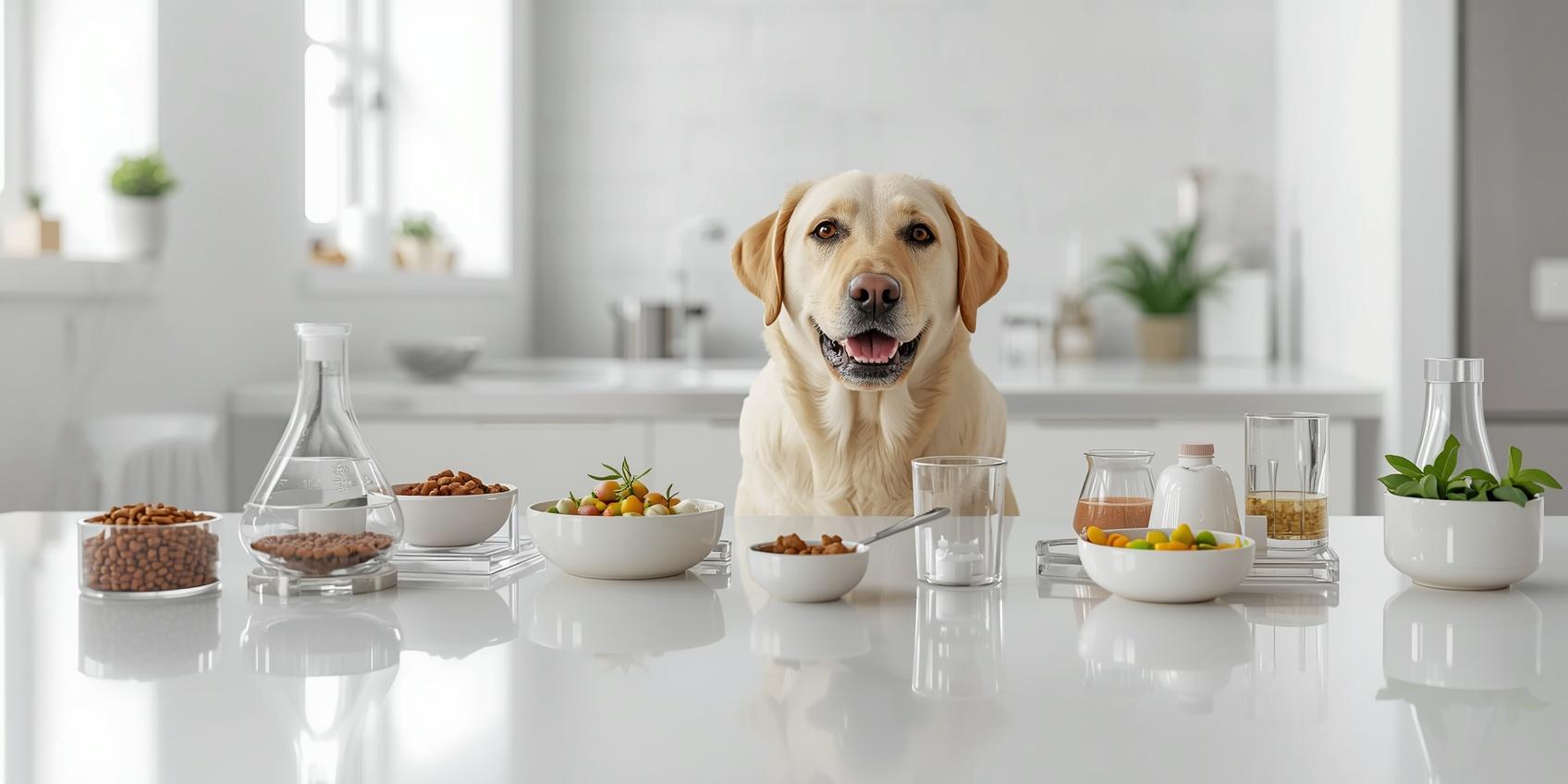
Have you ever wondered what goes into the pet food you buy for your furry friend? Knowing how pet food is made can help you make smarter choices for your pet’s health and happiness.
From the ingredients used to the process behind the packaging, understanding the steps can give you peace of mind about what’s on your pet’s plate (How Is Pet Food Made). Keep reading, and you’ll discover exactly how your pet’s meals come to life—and why it matters to you and your companion.
Credit: europeanpetfood.org
Ingredients Selection
Choosing the right ingredients is key to making good pet food. Each ingredient plays a role in keeping pets healthy and happy. Producers focus on quality and nutrition. They pick ingredients that provide energy, support growth, and maintain health.
Protein Sources
Protein is the main part of pet food. It helps build muscles and repair tissues. Common protein sources include chicken, beef, fish, and lamb. Some recipes use eggs or plant proteins like soy. The choice depends on what pets need and what they like to eat.
Grains And Vegetables
Grains add energy and fiber to pet food. Rice, corn, barley, and oats are popular grains. Vegetables bring vitamins and minerals. Carrots, peas, and sweet potatoes often appear in recipes. These ingredients help digestion and keep pets full.
Additives And Supplements
Small amounts of additives improve pet food quality. Vitamins and minerals support overall health. Fatty acids like omega-3 boost skin and coat condition. Preservatives keep food fresh longer. Producers use only safe additives approved by experts.
Credit: truthaboutpetfood.com
Processing Methods
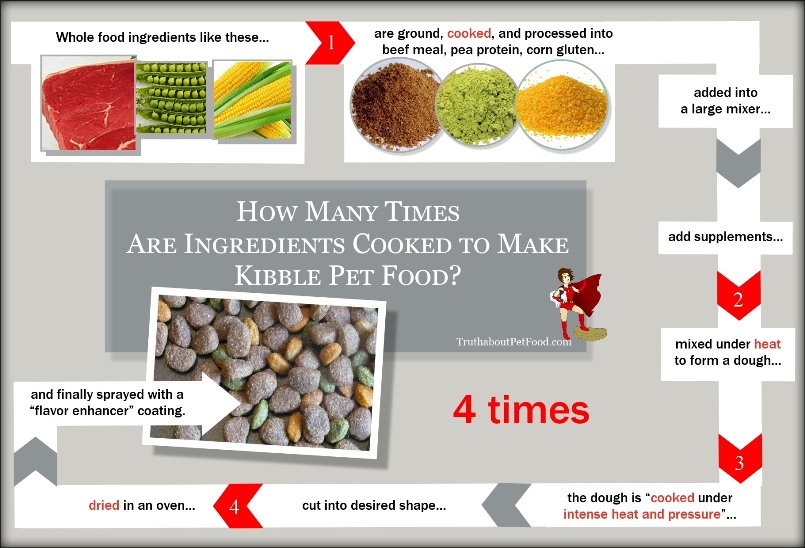
Pet food goes through several important steps before it reaches your pet’s bowl. These steps ensure the food is safe, tasty, and nutritious. The main processing methods include mixing, cooking, and shaping. Each step changes the raw ingredients into the final product.
Mixing And Grinding
First, all ingredients are mixed together. This includes proteins, grains, vitamins, and minerals. Mixing makes sure every bite has the right balance of nutrients. After mixing, the ingredients are ground into smaller pieces. Grinding helps create a smooth texture. It also makes the food easier to cook and shape.
Cooking Techniques
Cooking kills harmful bacteria and improves digestibility. Different cooking methods are used depending on the type of pet food. Some foods are baked, while others are steamed or boiled. Cooking also changes the flavor and texture. This makes the food more appealing to pets.
Extrusion And Shaping
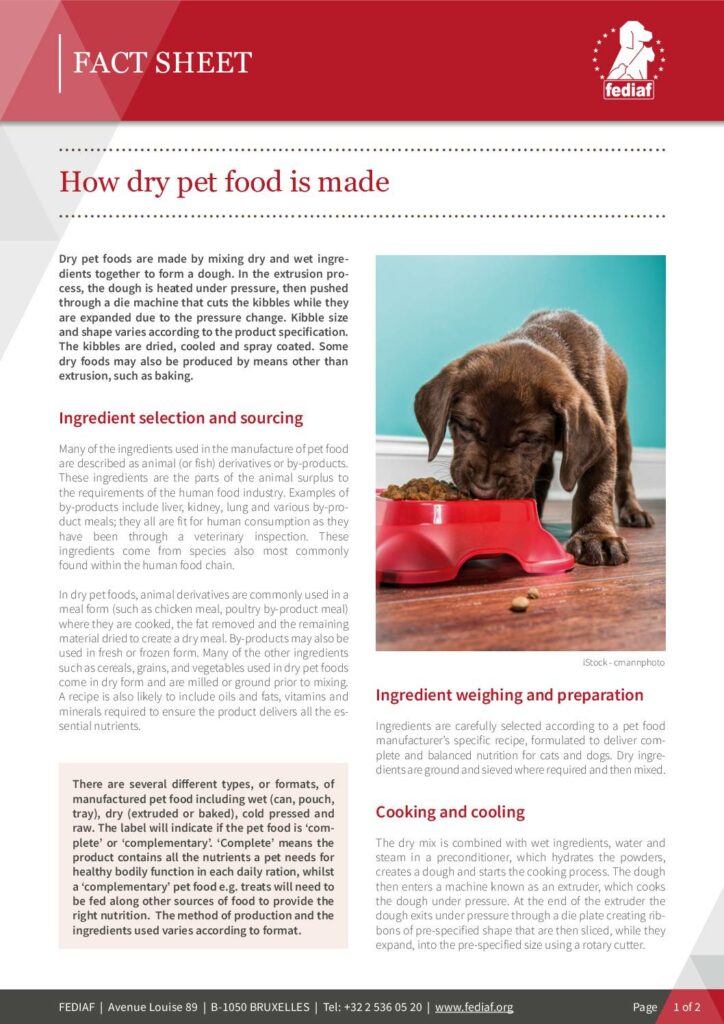
Extrusion is a common method to shape dry pet food. The mixed and cooked ingredients are pushed through a machine. This machine forms the food into specific shapes like kibbles. The food then cools and dries to keep its shape. Shaping helps with portion control and makes feeding easier.
Quality Control
Quality control is a key step in making pet food. It ensures every product is safe and healthy for pets. Companies test each batch carefully. They check ingredients, nutrition, and packaging. This process helps keep pets safe and happy.
Safety Testing
Safety testing checks for harmful bacteria and toxins. Samples from each batch go to the lab. Experts test for salmonella, mold, and other dangers. Only food that passes these tests moves forward. This step stops bad food from reaching pets.
Nutritional Analysis
Nutritional analysis measures vitamins, proteins, and minerals. Labs confirm the food meets pet dietary needs. This keeps pets strong and healthy. If something is missing, the recipe is adjusted. The goal is balanced nutrition in every bite.
Packaging Inspection
Packaging inspection ensures the food stays fresh and safe. Workers check seals and labels for accuracy. Packaging must protect food from air and moisture. Clear labels help pet owners understand ingredients. This step prevents contamination and spoilage.
Credit: europeanpetfood.org
Packaging And Distribution
Packaging and distribution are key steps in making pet food. After production, pet food must be packed safely to keep it fresh. Then, it moves through a network to reach stores and homes. Each step ensures the food stays good and safe for pets to eat.
Sealing And Labeling
Sealing pet food stops air and moisture from entering. This helps keep the food fresh longer. Machines seal bags or cans tightly and quickly. Labels provide important information like ingredients and expiration dates. Clear labels help owners choose the right food for their pets.
Storage Conditions
Pet food needs cool, dry places for storage. Heat or humidity can spoil the food or cause mold. Warehouses keep food at steady temperatures to protect quality. Proper storage reduces waste and keeps pets healthy.
Shipping Logistics
Shipping pet food involves careful planning. Trucks and containers move food from factories to stores. Routes are chosen to deliver food fast and safely. Proper handling during transport prevents damage and contamination.
Trends In Pet Food Production
Pet food production has changed a lot in recent years. Many pet owners want healthier and safer food for their pets. Producers now focus on better ingredients and new ways to meet pets’ needs. These trends help pets live longer and feel better.
Organic And Natural Options
More pet foods use organic and natural ingredients today. These foods avoid artificial chemicals and preservatives. They come from plants and animals raised without harmful pesticides. Pets get cleaner, safer meals with real nutrition. Many owners trust these foods more than traditional options.
Sustainable Ingredients
Using sustainable ingredients is growing in pet food production. Producers choose resources that protect the environment. Ingredients like insects, algae, and plant proteins reduce the need for meat. This helps save water and land. It also lowers pollution from farming and transport.
Customized Pet Diets
Pet food now fits individual pets better. Companies create diets based on age, size, and health needs. Some foods help pets with allergies or weight problems. Custom diets keep pets healthy and active for longer. Owners appreciate this personal approach to feeding.
Frequently Asked Questions
How Is Dry Pet Food Manufactured?
Dry pet food is made by mixing ingredients into a dough. The dough is cooked, shaped into kibble, and then dried. This process preserves nutrients and extends shelf life. Extrusion is the common method used to create consistent texture and flavor.
What Ingredients Are Used In Pet Food Production?
Pet food includes proteins, grains, vitamins, minerals, and fats. Meat or meat meals are primary protein sources. Grains provide carbohydrates, while added supplements ensure balanced nutrition. Ingredients vary by brand and formula to meet pets’ dietary needs.
How Is Wet Pet Food Processed?
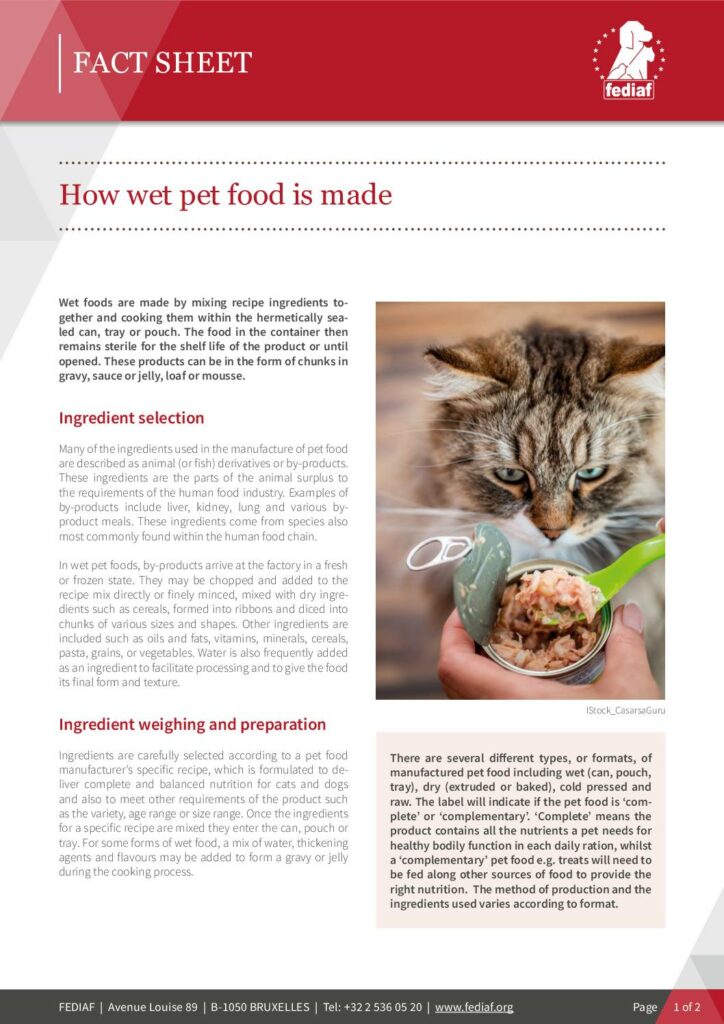
Wet pet food is cooked, mixed with gravy or broth, and canned. It undergoes sterilization to kill bacteria and preserve freshness. This method maintains moisture and enhances palatability for pets needing softer diets.
Are Pet Food Ingredients Tested For Safety?
Yes, manufacturers test ingredients for contaminants and nutritional quality. They follow strict regulations to ensure pet food is safe and nutritious. Quality control includes ingredient sourcing, microbial testing, and final product checks.
Conclusion
Pet food starts with selecting quality ingredients carefully. These ingredients mix and cook to keep pets healthy. Factories follow strict rules to ensure safety and nutrition. Every step aims to give pets tasty, balanced meals. Understanding this process helps you trust what you feed your pet.
Feeding pets well supports their growth and happiness. Always choose pet food made with care and good standards. Simple steps create meals that pets enjoy every day.