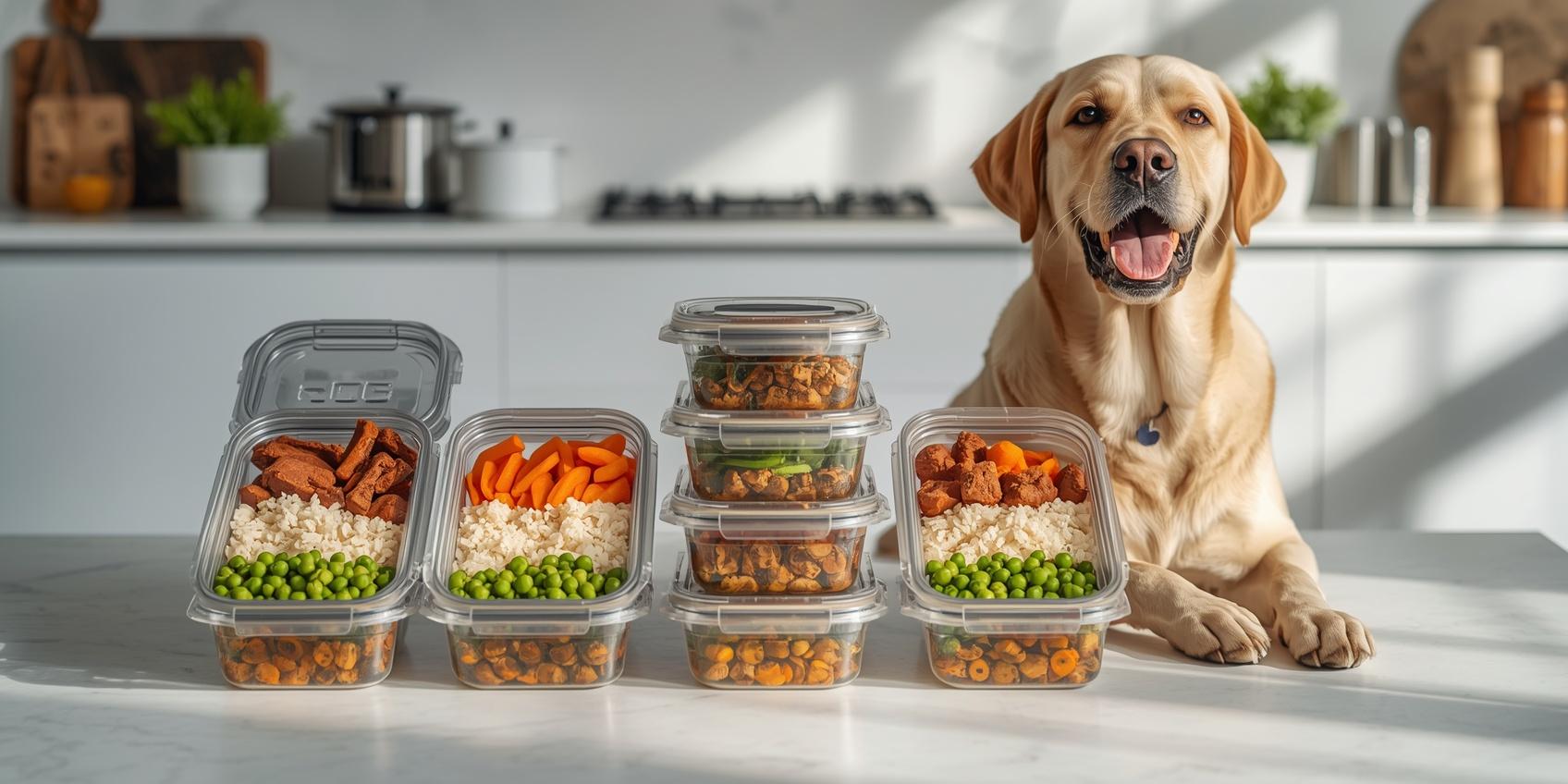
If you want to give your dog healthy, tasty meals without the hassle every day, making large batch homemade dog food is the way to go. Imagine saving time and money while knowing exactly what’s in your dog’s bowl.
You’ll have fresh, nutritious food ready whenever your furry friend is hungry. Keep reading to discover simple steps and smart tips that will make cooking for your dog easy, safe, and rewarding. Your dog deserves the best, and you can make it happen with just a little planning.

Credit: hutchpaving.com
Benefits Of Large Batch Dog Food
Making large batches of homemade dog food has many clear benefits. It helps pet owners save money and time. It also keeps your dog’s meals healthy and steady. Preparing food in bulk means less stress and more control over what your dog eats.
This approach fits well with busy schedules and tight budgets. It supports a balanced diet and prevents last-minute unhealthy choices. Large batch cooking makes feeding your dog simpler and smarter.
Cost Savings
Buying ingredients in bulk usually costs less. It reduces waste by using all the food you buy. Making food at home cuts out expensive store-bought dog meals. This method helps control your spending on pet food.
Planning meals ahead avoids impulse buys. It lets you use seasonal and fresh ingredients. Saving money means you can invest in better quality foods.
Time Efficiency
Cooking once for many meals saves time daily. You spend less time chopping, cooking, and cleaning. Large batch cooking frees up your schedule. It means fewer trips to the store or kitchen.
Prepping food in advance helps maintain a routine. It reduces stress during busy days. Your dog always has a meal ready on time.
Consistent Nutrition
Making large batches ensures your dog gets balanced meals. You control the ingredients and portion sizes. Consistency helps maintain your dog’s health and energy. It prevents sudden diet changes that may upset digestion.
Tracking nutrition becomes easier with planned meals. You can adjust recipes based on your dog’s needs. Consistent food supports a strong immune system and good weight.
Essential Ingredients
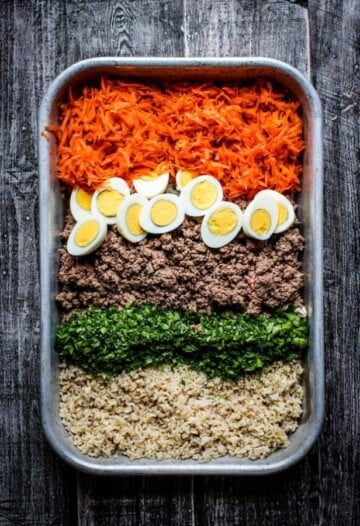
Preparing large batch homemade dog food means choosing the right ingredients. Dogs need a balanced diet with protein, vegetables, grains, and supplements. Each group gives important nutrients for their health. Knowing these essentials helps you make meals your dog will enjoy and benefit from.
Protein Sources
Protein is the main building block for muscles and organs. Use lean meats like chicken, turkey, or beef. Fish such as salmon adds healthy fats and omega-3s. Eggs provide high-quality protein and important vitamins. Avoid processed meats or those with added salt and spices.
Vegetables And Fruits
Vegetables supply fiber, vitamins, and minerals. Carrots, green beans, and peas are easy to digest. Fruits like apples and blueberries add antioxidants and natural sweetness. Avoid onions, grapes, and raisins as they are toxic to dogs. Cook vegetables lightly for better digestion.
Grains And Carbohydrates
Grains offer energy and fiber. Brown rice, oats, and quinoa are healthy choices. Sweet potatoes and pumpkin add fiber and nutrients too. Avoid white bread or anything with added sugar. Cook grains fully before mixing with other ingredients.
Supplements And Additives
Supplements fill nutrient gaps in homemade meals. Fish oil boosts skin and coat health. Calcium, from crushed eggshells or bone meal, supports bones. Probiotics help with digestion and gut health. Always measure supplements carefully to keep meals safe and balanced.
Safe Preparation Practices
Preparing large batches of homemade dog food requires care and attention. Safety is key to keep your dog healthy. Follow clear steps to avoid risks and keep meals fresh and tasty. Safe preparation helps prevent bacteria and other dangers. This way, your dog enjoys every meal without harm.
Sanitizing Equipment
Clean all bowls, cutting boards, and utensils before use. Use hot, soapy water to wash everything thoroughly. Rinse well to remove soap residue. Sanitize surfaces with a safe disinfectant after each use. Dry equipment completely to stop bacteria growth. Regular cleaning keeps food safe and fresh for your dog.
Proper Cooking Techniques
Cook meat to the right temperature to kill germs. Use a food thermometer to check doneness. Avoid undercooked or raw meat in homemade dog food. Steam or boil vegetables for easy digestion. Cool food quickly before storing to prevent spoilage. Cooked food lasts longer and is safer for dogs.
Avoiding Harmful Foods
Certain foods can harm dogs and must be avoided. Do not use onions, garlic, grapes, or chocolate. Stay clear of salty, sugary, or processed ingredients. Use dog-safe foods only to protect your pet’s health. Check ingredients carefully before cooking large batches. Safe foods keep your dog happy and healthy.
Storage Solutions
Storing large batch homemade dog food properly keeps it fresh and safe. Good storage stops spoilage and saves money. It also makes feeding your dog easy and quick. Understanding the best ways to store homemade dog food helps maintain its quality and nutrition.
Freezing Portions
Freezing is the best way to keep dog food for a long time. Divide the food into small, meal-sized portions. Use airtight containers or freezer bags to avoid freezer burn. Label each portion with the date to track freshness. Thaw frozen food in the fridge overnight before serving. Avoid refreezing thawed food to keep it safe.
Refrigeration Tips
Store homemade dog food in the fridge for short-term use. Use clean, airtight containers to keep the food fresh. Place the containers on the middle or top shelves, away from the door. Keep the fridge temperature below 40°F (4°C). Stir the food before serving to check for spoilage or bad smell.
Shelf Life Expectations
Homemade dog food stays fresh in the fridge for 3 to 4 days. Frozen portions last about 2 to 3 months with good quality. Always check the food for changes in color, smell, or texture. Throw away any food that looks or smells off. Proper storage extends shelf life and keeps your dog healthy.
Customizing Recipes For Your Dog
Customizing homemade dog food recipes helps meet your pet’s unique needs. Every dog has different requirements based on factors like age, size, and health. Tailoring meals ensures your dog gets the right nutrition. It keeps them healthy and happy.
Making large batches of food allows easy adjustment of ingredients. You can change portions or swap items to fit your dog’s lifestyle. This approach also saves time and money. Careful customization supports long-term wellbeing.
Adjusting For Age And Size
Young puppies need more protein and calories for growth. Older dogs require fewer calories but more fiber for digestion. Small breeds eat less but need nutrient-dense meals. Large breeds need balanced nutrients to support joints and muscles. Adjust the recipe portion size and ingredients accordingly.
Managing Allergies
Food allergies cause itching, upset stomach, or ear infections. Identify which foods trigger reactions by testing one ingredient at a time. Use hypoallergenic ingredients like rice, sweet potatoes, or turkey. Avoid common allergens such as beef, dairy, or wheat. Custom recipes help keep your dog comfortable and healthy.
Incorporating Vet Recommendations
Your vet knows your dog’s health history best. Follow their advice on specific nutrients or supplements. Some dogs need more omega-3 for skin or joint health. Others require limited sodium or specific vitamins. Work with your vet to create a safe, balanced recipe. This ensures your dog’s diet supports their medical needs.
Credit: thismessisours.com
Meal Planning And Scheduling
Planning and scheduling meals is key for homemade dog food in large batches. It helps keep your dog’s diet balanced and fresh. A good plan saves time and reduces waste. You know exactly when to cook and serve meals.
Organizing meal times also helps keep your dog’s routine steady. Dogs thrive on consistency. Scheduled meals avoid overeating or hunger. Let’s explore how to plan and schedule your dog’s food properly.
Batch Cooking Frequency
Decide how often to cook large batches of food. Cooking once or twice a week works well for most. It keeps food fresh and ready to serve. Store portions in the fridge or freezer. This way, meals stay safe and tasty longer.
Check your dog’s appetite and energy levels. Adjust cooking frequency to match their needs. More active dogs may need fresher meals more often. Less active dogs can have meals cooked less frequently.
Portion Control
Measure each meal carefully to avoid overfeeding. Use a kitchen scale or measuring cups. Divide the batch into daily or meal-sized portions. This helps keep your dog’s weight healthy.
Store portions separately for easy access. Label each container with the date and amount. This keeps track of freshness and prevents feeding old food. Portion control saves money and supports your dog’s well-being.
Transitioning From Commercial Food
Switch your dog to homemade food slowly. Start by mixing small amounts with their usual food. Gradually increase homemade food over 7 to 10 days. Watch for any signs of upset stomach or allergies.
Keep water available at all times. Monitor your dog’s weight and energy. Adjust meal portions if needed. A slow transition helps your dog adjust without stress.
:max_bytes(150000):strip_icc()/140286_HomemadeDogFood_DDMFS_Beauty_009-6a6e82002dc3496eaa20dec6bfde6d6e.jpg)
Credit: www.allrecipes.com
Frequently Asked Questions
What Ingredients Are Best For Large Batch Homemade Dog Food?
Use lean meats, vegetables, and whole grains. Avoid toxic foods like onions, garlic, and grapes. Balance protein, carbs, and fats for optimal nutrition.
How Long Can Homemade Dog Food Be Stored Safely?
Store homemade dog food in the fridge for up to 3 days. Freeze portions for up to 3 months to maintain freshness and nutrients.
Can Homemade Dog Food Meet All Nutritional Needs?
Yes, if recipes include balanced protein, fats, vitamins, and minerals. Consult a vet or pet nutritionist to ensure complete and safe meals.
How Do I Portion Large Batch Dog Food Correctly?
Divide cooked food into daily portions based on your dog’s weight and activity level. Use airtight containers to keep servings fresh and convenient.
Conclusion
Preparing large batch homemade dog food saves time and ensures fresh meals. Dogs enjoy tasty, healthy food made with love. You control the ingredients and avoid harmful additives. Cooking in big portions helps keep feeding simple and stress-free. Try different recipes to find what your dog likes best.
Homemade food supports your dog’s health and happiness every day. Start cooking once, feed your dog many times. Simple, fresh, and caring—that’s the best way to feed your pet.