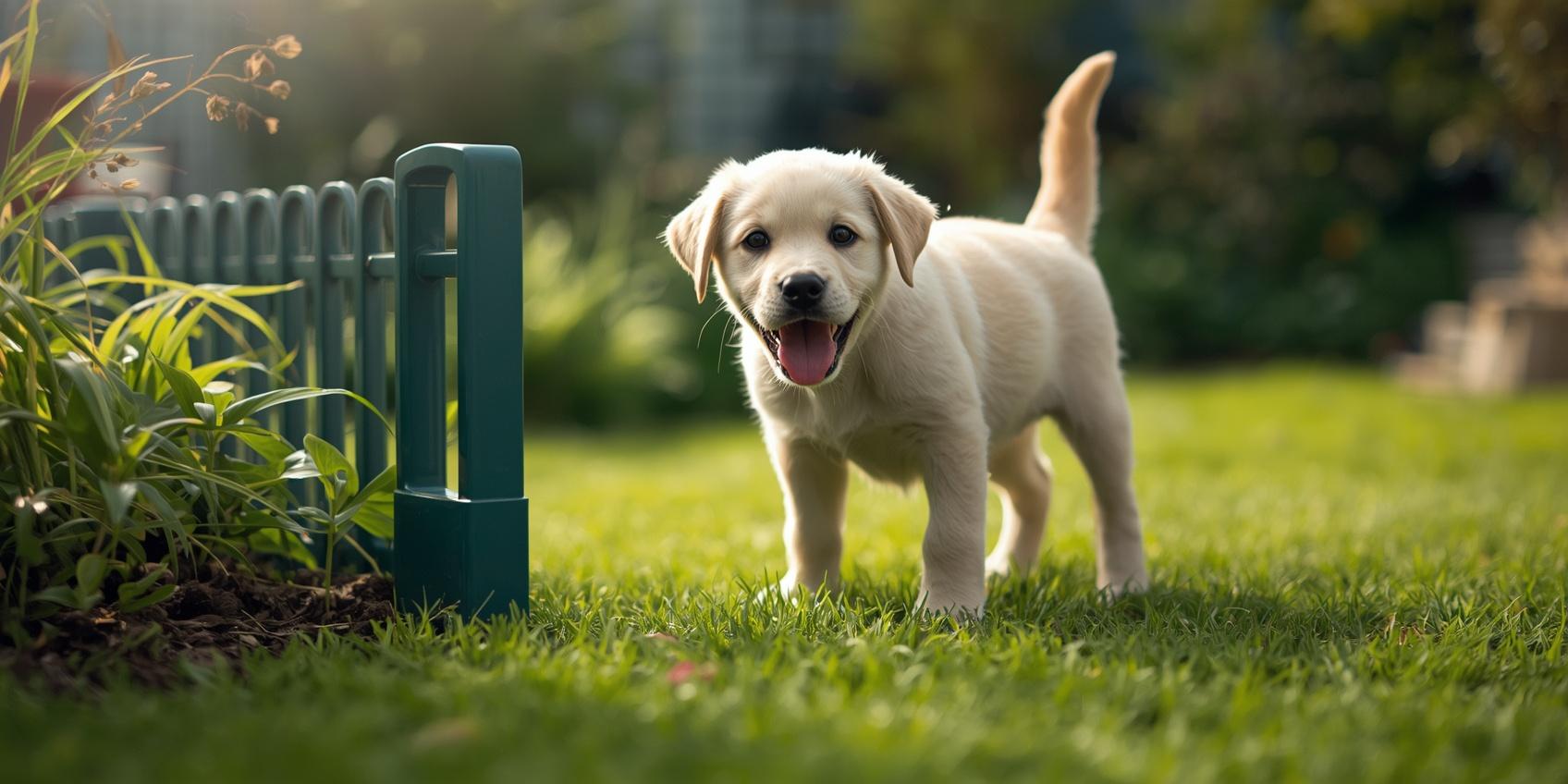
Bringing a puppy home is exciting, but it also means your house needs to be ready for a curious new friend. Puppies explore everything with their mouths and paws, which can lead to trouble if your space isn’t safe.
You want to protect your furry buddy and keep your belongings intact (Puppy Proofing Your House). This guide will show you simple, effective ways to puppy proof your house. By making a few smart changes now, you’ll create a happy, secure space where your puppy can play and grow without risks.
Keep reading to discover how easy it is to puppy proof your home and enjoy peace of mind every day.
Credit: www.oneminddogs.com
Preparing Your Space
Preparing your space for a new puppy is very important. It helps keep your puppy safe and your home clean. Puppies are curious and can get into trouble quickly. Setting up a safe environment makes their first days easier and happier.
Identify Hazardous Areas
Look around your home carefully. Find places where your puppy could get hurt. Check for sharp objects, loose wires, and small items they might swallow. Watch out for stairs or balconies without barriers. Block these areas or keep them closed.
Create A Safe Zone
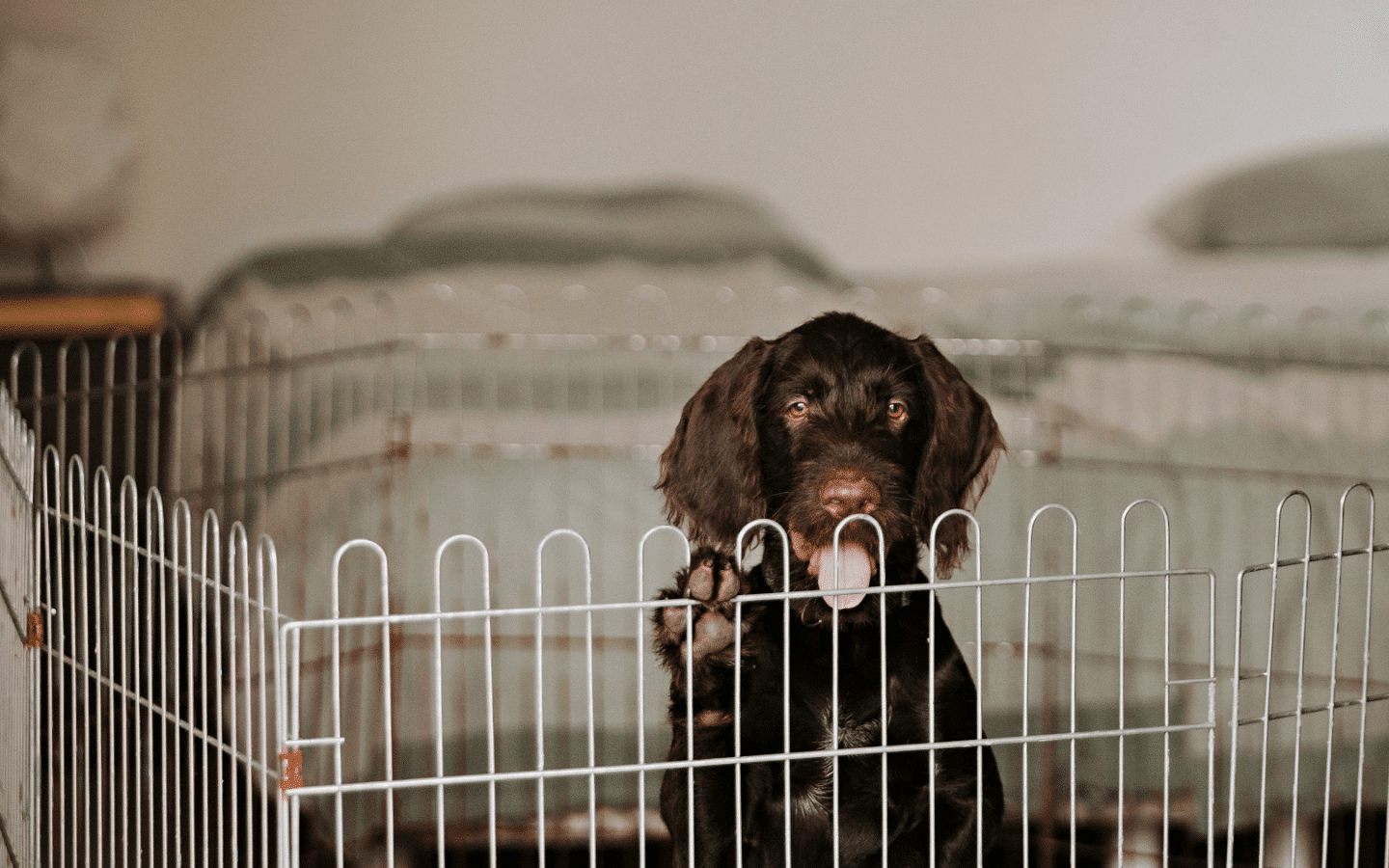
Make a special area just for your puppy. Use a crate or a playpen to keep them secure. Fill this space with soft bedding, toys, and water. This zone gives your puppy a quiet place to rest and feel safe.
Remove Toxic Plants
Some plants can be dangerous to puppies. Remove plants like lilies, azaleas, and tulips. Check your garden and all indoor pots. Replace toxic plants with safe, puppy-friendly ones. This protects your puppy from poisoning and sickness.
Securing Electrical Items
Keeping electrical items safe is important for your puppy and your home. Puppies love to chew on things. Electrical cords and small devices can be dangerous if not secured. Protect your pet from shocks and your house from damage. Take simple steps to keep these items out of reach.
Covering Cords And Outlets
Cover all electrical cords with plastic tubing or cord protectors. This stops puppies from chewing the wires. Use outlet covers on all unused plugs. These prevent puppies from poking their noses or tongues inside. Secure loose cords behind furniture. This limits your puppy’s access and keeps cords neat.
Storing Small Electronics
Keep small electronics like phones, chargers, and remotes out of reach. Store them in drawers or high shelves. Puppies can chew these and swallow small parts. Unplug devices when not in use. This reduces the risk of electric shock. Always check for loose batteries or wires before leaving devices around.
Managing Food And Chemicals
Managing food and chemicals is key to keeping puppies safe at home. Puppies explore with their mouths. They can eat or chew harmful things.
Food and chemicals need careful handling. Some foods are toxic to dogs. Chemicals can cause serious harm if swallowed.
Safe Storage Solutions
Store food in high cabinets or locked containers. Use childproof latches on cupboards. Keep chemicals in original containers with labels. Place cleaning supplies out of reach. Avoid leaving food on counters or tables. Puppies can jump or climb to reach items.
Avoiding Toxic Foods
Do not feed puppies chocolate, grapes, or onions. These foods can cause illness or death. Keep candy, nuts, and alcohol away. Avoid giving cooked bones or raw dough. Know the foods safe for your puppy. Teach family members about harmful foods. Prevent accidental feeding by guests or children.
Protecting Furniture And Belongings
Bringing a puppy home means protecting your furniture and belongings. Puppies chew, scratch, and explore everything. Without protection, your favorite sofa or shoes may get damaged. Taking steps early saves money and stress. It also helps your puppy learn good habits quickly.
Using Deterrents
Deterrents keep puppies away from furniture and items. Bitter sprays taste bad and stop chewing. Place these sprays on couch legs or shoes. Noise deterrents work too. A quick sound can distract your puppy from bad behavior. Use deterrents consistently for best results.
Choosing Puppy-friendly Materials
Pick furniture made from tough, easy-to-clean materials. Leather or tightly woven fabrics resist scratches and stains. Avoid delicate fabrics like silk or velvet. Use washable covers on sofas and chairs. Choose plastic or metal for dog toys and bowls. These materials last longer and handle puppy play.
Bathroom And Laundry Safety
The bathroom and laundry room have many dangers for puppies. Chemicals, sharp items, and heavy machines can harm your new pet. Puppy proofing these areas is very important. It keeps your puppy safe and your home clean.
Small spaces like these need extra care. Puppies are curious and may explore places they should not. Prevent accidents by making these rooms secure and safe.
Securing Cabinets
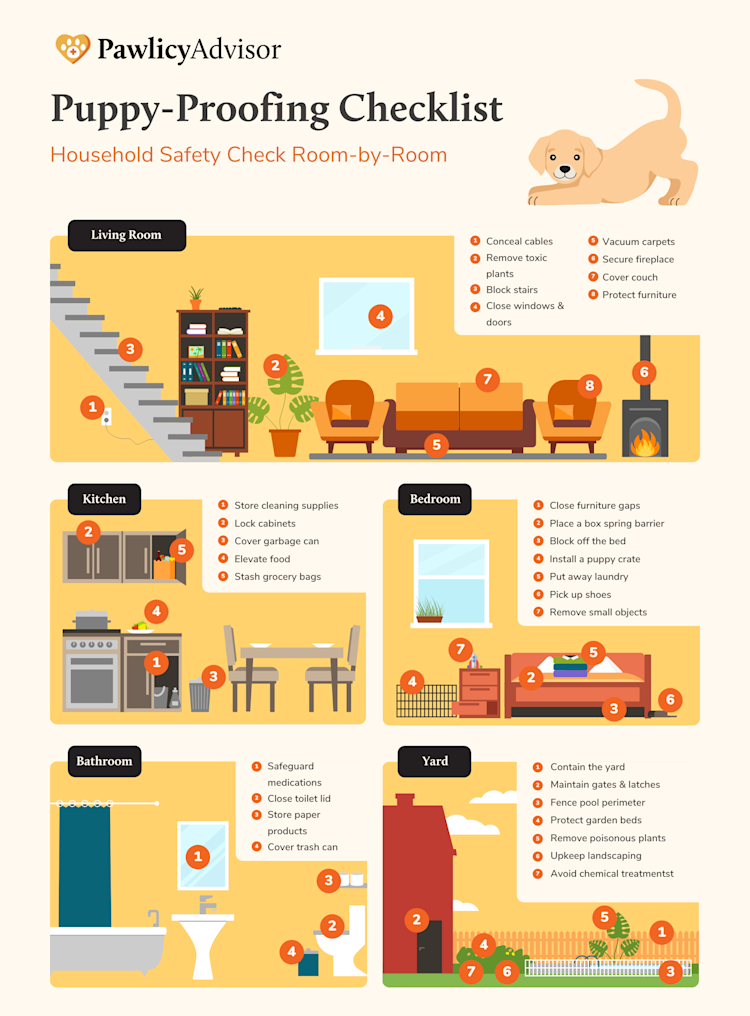
Cabinets often hold cleaning supplies and medicines. These are very harmful if your puppy finds them. Use childproof locks to keep cabinets closed tight. Check for gaps where your puppy can reach inside. Remove any dangerous items from low cabinets.
Keeping Appliances Closed
Washing machines and dryers can trap or injure puppies. Keep lids and doors closed all the time. Check that your puppy cannot open them. Unplug machines when not in use to avoid accidents. Keep laundry detergents and softeners out of reach.
Credit: www.pawlicy.com
Outdoor Area Precautions
Outdoor spaces offer puppies fresh air and fun. These areas need safety checks. Puppies explore with mouths and paws. Hazards can cause injuries or illness. Proper precautions keep your puppy safe outside.
Fencing And Gates
Strong fencing stops puppies from running away. Check for gaps or loose boards. Gates should close tightly and lock securely. Avoid wire fences with sharp edges. Fence height should match your puppy’s jump ability. A safe fence creates a secure play area.
Removing Dangerous Objects
Clear the yard of sharp tools and trash. Remove toxic plants and chemicals from reach. Small objects can cause choking hazards. Keep garden hoses and cords away. Check the ground for broken glass or nails. A clean yard helps prevent accidents and keeps puppies healthy.
Toys And Chewing Alternatives
Puppies love to chew. It helps them explore and soothe their gums. Providing the right toys and chewing options keeps them happy. It also protects your furniture and shoes from damage.
Choosing safe toys and encouraging good chewing habits is important. It helps your puppy grow strong and well-behaved. Let’s explore how to pick the best toys and guide your puppy’s chewing.
Selecting Safe Toys
Pick toys made for puppies. They are softer and safer for small teeth. Avoid toys with small parts that can break off. Hard plastic or metal toys can hurt puppy gums. Choose toys that are the right size to prevent choking. Look for non-toxic materials. Check for durability to avoid quick destruction. Clean toys regularly to keep them safe and fresh.
Encouraging Healthy Chewing
Give your puppy toys when it starts to chew on wrong things. Praise it when chewing the right toys. Rotate toys to keep interest high. Use chew treats to satisfy the urge. Avoid toys that encourage aggressive chewing. Redirect chewing from furniture to toys gently. Supervise puppy playtime to prevent swallowing unsafe objects. Healthy chewing helps puppies grow strong jaws and teeth.
Routine Checks And Updates
Keeping your home safe for a new puppy takes regular attention. Puppies grow fast and their needs change. Routine checks help keep dangers away. Safety should be part of your daily or weekly tasks. This keeps your puppy safe and happy in your home.
Regular Safety Inspections
Walk through your home often to spot risks. Look for loose wires, small objects, or sharp items. Check if cleaning supplies or medicines are out of reach. Make sure doors and gates are secure. Fix anything broken that could hurt your puppy. Regular inspections prevent accidents before they happen.
Adapting As Puppy Grows
A small puppy needs different care than a bigger one. Remove chew toys that are too small as your puppy grows. Watch your puppy’s behavior for new habits or risks. Change your safety setup to match their size and strength. Keep updating your home to fit your puppy’s changing needs. This helps your dog stay safe at every stage.
Frequently Asked Questions
How Do I Start Puppy Proofing My House?
Begin by removing small objects and toxic plants. Secure electrical cords and block access to dangerous areas. Use baby gates to restrict rooms and ensure cleaning supplies are out of reach. This creates a safe environment for your puppy to explore.
What Household Items Are Dangerous For Puppies?
Common hazards include electrical wires, cleaning chemicals, small toys, and certain plants like lilies. Also, keep sharp objects and human food out of reach. Puppies are curious and can ingest harmful items, so secure these to prevent accidents.
How Can I Protect Furniture From Puppy Damage?
Use pet-friendly covers and sprays that deter chewing. Provide plenty of chew toys to redirect attention. Training your puppy early to avoid furniture helps maintain your home’s condition and teaches good behavior.
Are There Specific Rooms I Should Restrict For Puppies?
Yes, restrict access to kitchens, bathrooms, and garages. These areas often contain harmful substances and sharp objects. Use baby gates or closed doors to keep your puppy safe and limit exposure to potential dangers.
Conclusion
Puppy proofing keeps your new friend safe and happy at home. Small changes can stop accidents and protect your puppy. Check rooms carefully for dangers like wires and chemicals. Use gates or barriers to limit access to risky areas. Watch your puppy closely, especially during the first weeks.
A safe space helps your puppy feel calm and secure. Taking these steps makes life easier for both of you. Enjoy the fun times with your puppy in a safe place. Your careful work today creates a happy tomorrow.