Doggy Scout

Homemade Meatloaf for Dogs: Easy Nutritious Recipe Pups Love
Homemade Meatloaf for Dogs

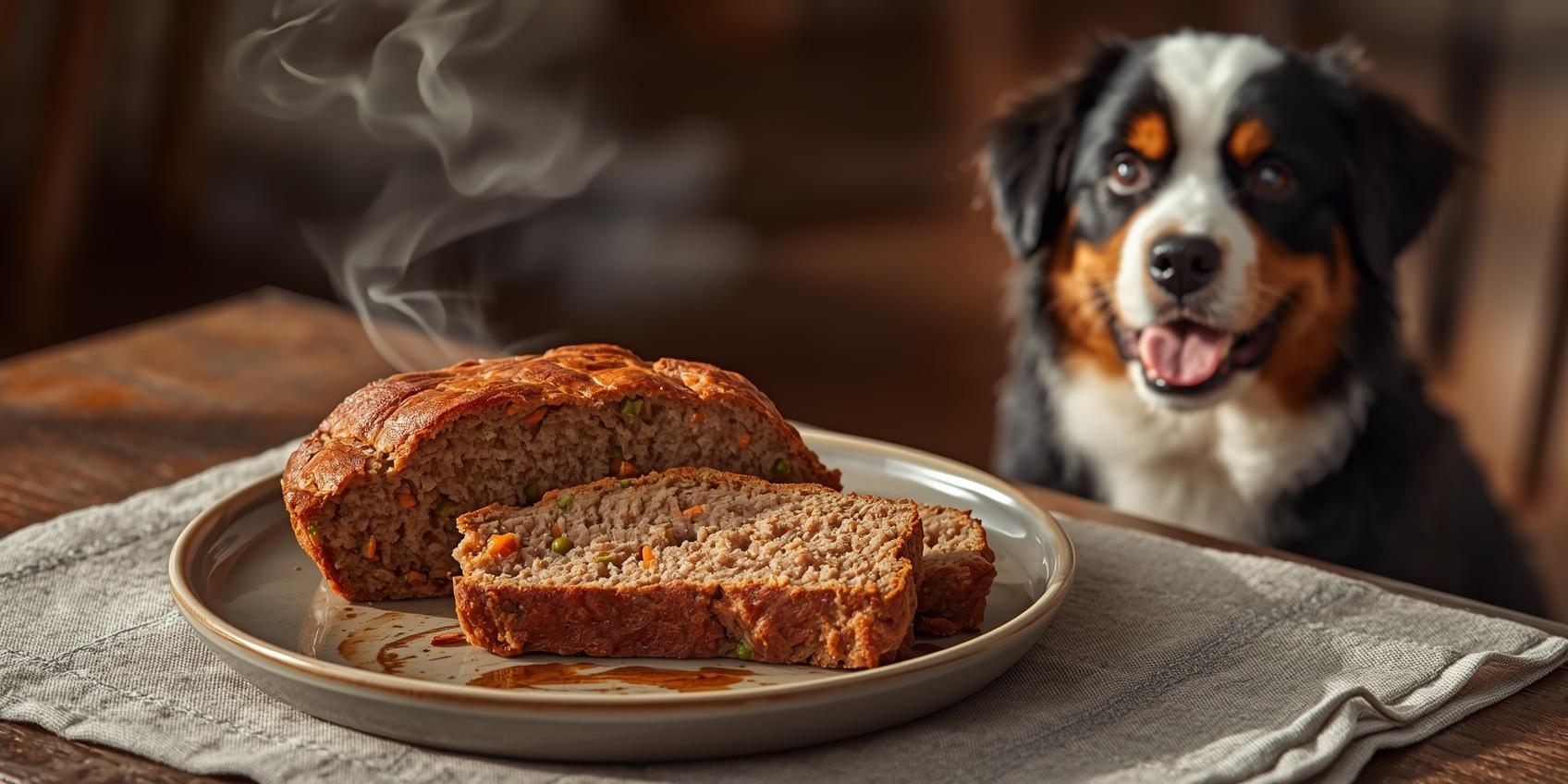
If you want to give your dog a tasty meal that’s both healthy and made with love, homemade meatloaf for dogs is a great choice. You might be wondering if it’s worth the effort or if your dog will even enjoy it. This recipe is simple, packed with nutrients, and tailored just for your furry friend’s needs. Keep reading to discover how easy it is to make a meatloaf that will have your dog wagging their tail with every bite. Your dog deserves the best—let’s make mealtime special! Benefits Of Homemade Meatloaf Homemade meatloaf for dogs offers many benefits that store-bought food cannot match. It allows you to feed your dog fresh, healthy ingredients. You know exactly what goes into every meal. This helps your dog stay strong and happy. Making meatloaf at home also helps avoid harmful additives. Many commercial dog foods have preservatives and fillers. These can cause health problems over time. Homemade meatloaf keeps your dog’s diet clean and natural. Nutritional Advantages Homemade meatloaf provides balanced nutrition tailored to your dog. You can include lean meats, vegetables, and grains. These ingredients supply essential vitamins and minerals. This supports your dog’s growth and energy. Fresh ingredients also improve digestion and coat health. Control Over Ingredients You control every ingredient in homemade meatloaf. No hidden sugars, salt, or chemicals. This reduces the risk of allergies and stomach upset. You can pick high-quality meats and fresh vegetables. This makes meals safer and healthier for your dog. Customization For Allergies Many dogs have food allergies or sensitivities. Homemade meatloaf lets you avoid problem ingredients. You can use alternative proteins like turkey or fish. Substitute grains with rice or oats if needed. This keeps your dog comfortable and healthy. Credit: skinnyms.com Essential Ingredients Making homemade meatloaf for dogs needs careful choice of ingredients. Each ingredient should support your dog’s health and taste preferences. The right mix helps keep your dog happy and strong. Focus on proteins, vegetables, and binding agents for the best results. Protein Choices Protein is the main part of meatloaf for dogs. Good options include lean beef, chicken, turkey, or fish. These provide essential amino acids for muscle and tissue health. Avoid fatty or processed meats. Fresh, high-quality meat works best for your dog’s diet. Healthy Vegetables Vegetables add important vitamins and fiber. Carrots, peas, and green beans are safe and nutritious. Avoid onions, garlic, and other toxic veggies. Cook vegetables lightly to make them easier to digest. These help keep your dog’s digestion smooth and energy up. Binding Agents Binding agents hold the meatloaf together. Use eggs and oats or cooked rice for this. They add extra nutrition and make slicing easier. Avoid breadcrumbs with salt or spices. Good binders keep the meatloaf moist and firm for your dog to enjoy. Step-by-step Preparation Making homemade meatloaf for dogs is simple and rewarding. Follow these clear steps to prepare a healthy meal your dog will enjoy. The process includes mixing ingredients, shaping the meatloaf, and cooking it safely. Each step ensures the meatloaf is tasty and good for your pet’s health. Mixing Ingredients Start by gathering fresh, dog-safe ingredients. Use lean ground meat like chicken, beef, or turkey. Add cooked vegetables such as carrots and peas for nutrients. Include a small amount of oats or rice for binding. Mix everything gently in a large bowl. Make sure the mixture is even and well combined. Avoid adding salt, onions, or garlic, which are harmful to dogs. Shaping The Meatloaf Transfer the mixture to a clean surface or baking dish. Shape it into a loaf, about two inches thick. Keep the shape compact but not too tight. This helps it cook evenly. Using your hands is easiest and helps check for lumps. A uniform shape ensures all parts cook at the same time. Cooking Methods Bake the meatloaf in a preheated oven at 350°F (175°C). Cook for 45 to 60 minutes, depending on thickness. Use a meat thermometer to check the inside temperature. It should reach 160°F (71°C) to be safe. Let the meatloaf cool completely before serving. Avoid frying or grilling, as it can dry out the meat. Baking keeps the meat moist and tender for your dog. Portioning And Storage Portioning and storing homemade meatloaf for dogs keeps the food fresh and safe. Proper portions avoid waste and help maintain your dog’s health. Storing correctly saves time and effort during feeding. Serving Sizes For Dogs Serve meatloaf in small portions based on your dog’s weight. Small dogs need about 1/4 to 1/2 cup per meal. Medium dogs can have 1/2 to 1 cup. Large dogs may eat 1 to 2 cups. Adjust portions depending on activity and age. Refrigeration Tips Store meatloaf in an airtight container to keep it fresh. Place it in the fridge within two hours of cooking. Use the meatloaf within three to four days. Check for any signs of spoilage before feeding. Freezing Guidelines Freeze meatloaf in individual portions for easy thawing. Wrap each portion tightly in plastic wrap or foil. Place wrapped portions in a freezer-safe bag or container. Use frozen meatloaf within two to three months for best taste. Thaw in the fridge before serving. Safety Tips Safety is key when making homemade meatloaf for dogs. The right steps keep your pet healthy and happy. Careful preparation avoids risks from bad ingredients or improper cooking. Watch your dog’s reaction after feeding new food. These tips help you serve safe and tasty meals. Avoiding Harmful Ingredients Some foods harm dogs even in small amounts. Avoid onions, garlic, and chives. These cause stomach upset and can harm blood cells. Skip salt, sugar, and artificial spices. Use plain meats and dog-safe vegetables only. Check every ingredient before adding it to the mix. Monitoring For Allergic Reactions Watch your dog after the first taste. Look for itching, redness, or swelling. Vomiting or diarrhea also signal allergies. Stop feeding the meatloaf if any signs appear. Consult a vet if the reaction seems serious. Introduce new foods slowly … Read more
Omega 3 for Dogs: Essential Benefits for Health & Vitality

Omega 3 for Dogs

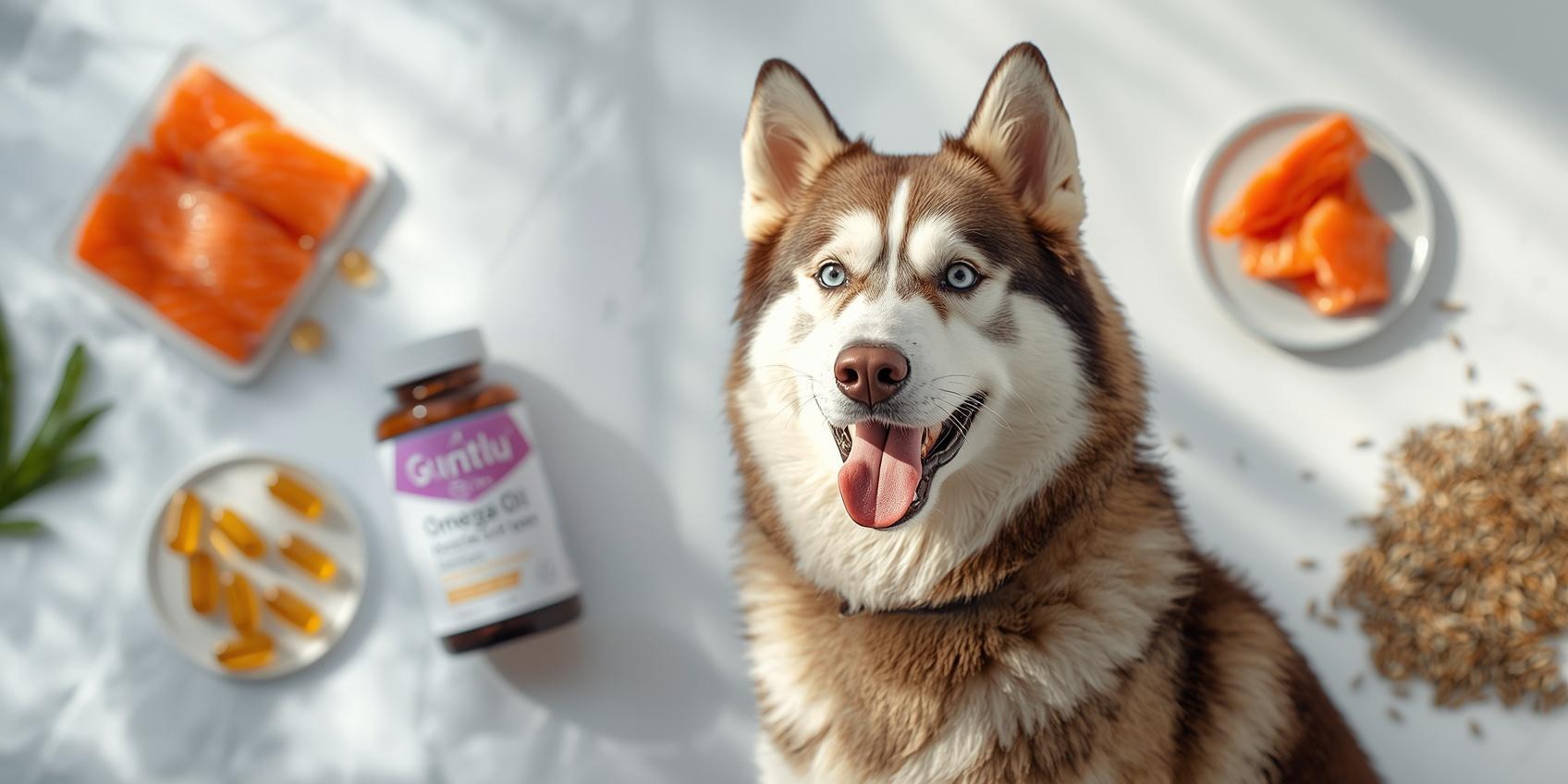
If you want your dog to stay happy and healthy, you need to pay attention to what goes into their body. Omega 3 for dogs is a powerful nutrient that can make a big difference in your pet’s life. From shiny fur to strong joints, Omega 3 offers benefits that you might not know about yet. Keep reading to discover how adding this simple supplement can boost your dog’s health and keep their tail wagging longer. Benefits Of Omega 3 For Dogs Omega 3 is an important nutrient for dogs. It helps keep them healthy inside and out. Many dog owners use Omega 3 supplements to support their pet’s well-being. The benefits reach many parts of a dog’s body. Dogs that get enough Omega 3 often have shiny coats and strong joints. Their hearts work better, and their brains stay sharp. Below are key benefits of Omega 3 for dogs. Improved Skin And Coat Health Omega 3 helps reduce itching and dryness. It keeps the skin soft and less irritated. Dogs with Omega 3 usually have smooth and shiny fur. This nutrient fights inflammation that causes skin problems. It also helps heal wounds faster. Joint Support And Mobility Omega 3 reduces joint pain and stiffness in dogs. It lowers inflammation that causes discomfort. Dogs move easier and feel less pain. This is very helpful for older dogs or those with arthritis. Regular Omega 3 can improve their quality of life. Heart Health Benefits Omega 3 supports a strong and healthy heart. It helps keep blood vessels clear and flexible. This lowers the risk of heart disease. Dogs with good heart health have more energy. Omega 3 also supports healthy blood pressure. Enhanced Brain Function Omega 3 supports brain health and memory in dogs. It helps puppies develop properly and keeps older dogs sharp. This nutrient aids learning and focus. Dogs with good brain function show better behavior. Omega 3 plays a role in mental alertness. Sources Of Omega 3 Omega 3 fatty acids are essential for a dog’s health. They support the skin, coat, heart, and brain. Dogs cannot make enough Omega 3 on their own. They need it from their diet or supplements. Many sources provide Omega 3, both from animals and plants. Choosing the right source helps keep your dog healthy and happy. Fish Oil Supplements Fish oil is a popular source of Omega 3 for dogs. It contains EPA and DHA, two important types of Omega 3. These fatty acids reduce inflammation and improve joint health. Fish oil capsules or liquid forms are easy to add to meals. Always select high-quality fish oil made for pets. It is safe and effective for daily use. Flaxseed And Plant-based Oils Flaxseed oil is a good plant-based option. It contains ALA, a type of Omega 3 that dogs can convert to EPA and DHA. Other oils like chia seed and hemp seed also provide ALA. These oils support skin health and reduce dry coat issues. They are a great choice for dogs with fish allergies or sensitivities. Omega 3 Rich Foods For Dogs Some natural foods are rich in Omega 3. Fatty fish like salmon, sardines, and mackerel are excellent sources. Feeding cooked fish can boost Omega 3 levels. Small amounts of eggs or grass-fed meats also add Omega 3. Fresh foods provide nutrients along with Omega 3 for balanced nutrition. Choosing The Right Omega 3 Supplement Choosing the right Omega 3 supplement for your dog is key to their health. Omega 3 fatty acids support skin, coat, joints, and brain function. Not all supplements are the same. Knowing the types, correct dosage, and safety helps you pick the best option. Types Of Omega 3 Supplements Fish oil is the most common source of Omega 3 for dogs. It comes from cold-water fish like salmon and sardines. Krill oil is another option, rich in antioxidants. Algal oil is plant-based and good for dogs with allergies. Choose a type that suits your dog’s needs and diet. Dosage Recommendations Dosage depends on your dog’s weight and health condition. Small dogs need less than large dogs. Start with a low dose and increase gradually. Follow the instructions on the product label. Too much Omega 3 can cause stomach upset or bleeding. Quality And Safety Considerations Pick supplements tested for purity and free from heavy metals. Look for products made in trusted facilities. Check for clear ingredient lists and no fillers. Freshness matters—check expiration dates. Always store supplements as the label advises to keep quality. Potential Side Effects And Risks Omega 3 is great for dogs, but it can have side effects. Understanding risks helps you keep your pet safe. Knowing signs to watch for avoids health problems. Always check before adding any supplement to your dog’s diet. Common Side Effects Some dogs may have mild stomach upset. This includes diarrhea or vomiting. Fishy breath or a bad taste in the mouth can happen. Occasional itching or skin irritation might appear. These effects usually go away after stopping the supplement. When To Avoid Omega 3 Supplements Dogs with bleeding problems should avoid omega 3. It can thin the blood and cause issues. If your dog is on blood-thinning medicine, skip omega 3. Puppies under six months old need vet advice first. Pregnant or nursing dogs should also get a vet’s okay. Signs Of Overdose Too much omega 3 can cause serious problems. Watch for excessive bleeding or bruising. Your dog may become weak or tired. Loss of appetite and vomiting are warning signs. If you see these, stop supplements and call a vet immediately. Incorporating Omega 3 Into Your Dog’s Diet Adding Omega 3 to your dog’s diet supports healthy skin, shiny coat, and joint health. It also helps with brain function and reduces inflammation. Choosing the right form and amount is important for your dog’s health. Start slow and observe how your dog reacts to the new addition. Tips For Introducing Supplements Begin with small doses of Omega 3 supplements. This helps … Read more

Cleaning Your Cavalier’s Teeth: Essential Guide for Dental Health

Cleaning Your Cavalier's Teeth

Keeping your Cavalier’s teeth clean is more important than you might think. If you want your furry friend to stay healthy and happy, paying attention to their dental care is key. You might not realize it, but bad breath, pain, and even serious health problems can start with poor oral hygiene. You’ll discover simple, effective ways to Cleaning Your Cavalier’s Teeth and prevent common dental issues. By taking a few easy steps, you can protect your dog’s smile and improve their overall wellbeing. Keep reading to learn exactly what you need to do to keep those pearly whites shining bright! Importance Of Dental Care Dental care is very important for Cavaliers. Their teeth need regular cleaning to stay healthy. Good dental habits help prevent pain and disease. Taking care of your dog’s teeth improves their life quality. Many pet owners forget dental care. This can cause serious problems for Cavaliers. Small dogs often have more dental issues. Cleaning teeth helps avoid those problems early. Risks Of Poor Oral Hygiene Poor oral hygiene leads to plaque buildup. Plaque causes bad breath and gum disease. Cavliers can suffer from tooth loss. Bacteria from the mouth can spread to organs. This can cause heart and kidney problems. Ignoring dental care leads to costly vet bills. Your dog may experience pain and trouble eating. Benefits Of Regular Cleaning Regular cleaning keeps teeth strong and gums healthy. It removes plaque and prevents tartar formation. Your dog will have fresher breath and no pain. Cleaning reduces risk of infections and tooth loss. Healthy teeth support good nutrition and chewing. Regular care saves money on future treatments. It helps your Cavalier live longer and happier. Choosing The Right Tools Cleaning your Cavalier’s teeth needs the right tools. Proper tools make the task easier and safer. Choosing the right toothbrush and toothpaste protects your dog’s teeth and gums. It helps keep their smile bright and healthy. Let’s explore the best options for your pet. Credit: beltonsmallanimalclinic.com Types Of Toothbrushes There are many toothbrush types for dogs. Regular toothbrushes have soft bristles and a long handle. They work well for most dogs. Finger brushes fit over your finger. They give more control and feel gentle on teeth. Some brushes have angled heads. These reach tricky spots in the mouth. Choose a soft-bristled brush to avoid hurting gums. Pick the size that fits your Cavalier’s small mouth. Selecting Dog-friendly Toothpaste Human toothpaste is harmful for dogs. Dog toothpaste is safe and tastes good. It does not foam much, so your dog won’t swallow harmful chemicals. Flavors like poultry or peanut butter encourage dogs to cooperate. Look for toothpaste with natural ingredients. Avoid harsh chemicals and artificial sweeteners. Using dog-specific toothpaste protects your Cavalier’s teeth from decay and keeps breath fresh. Step-by-step Cleaning Process Cleaning your Cavalier’s teeth is important for their health and happiness. A clear step-by-step process makes this task easier and less stressful. Follow these simple steps to keep your dog’s teeth clean and strong. Regular care helps prevent bad breath, tooth decay, and gum disease. Preparing Your Cavalier Start by choosing a calm time for cleaning. Let your Cavalier sniff the toothbrush and toothpaste first. Use toothpaste made for dogs only. Gently lift your dog’s lips to check their teeth. Praise your dog with soft words and pets. This helps your dog feel safe and relaxed. Brushing Techniques Hold the toothbrush at a 45-degree angle to the teeth. Brush in small circles, focusing on the gum line. Clean the outer surfaces of the teeth first. Use gentle pressure to avoid hurting your dog. Brush the front and back teeth carefully. If your dog resists, stop and try again later. Frequency Of Cleaning Brush your Cavalier’s teeth at least three times a week. Daily brushing is best for strong dental health. Check your dog’s mouth often for signs of problems. Regular cleaning helps keep teeth white and gums pink. Visit the vet for dental check-ups every year. Consistency is key to a healthy smile. Dealing With Resistance Cleaning your Cavalier’s teeth can be a challenge. Many dogs resist brushing at first. They may pull away or hide. This resistance is normal. Patience and gentle handling help a lot. Understanding why your dog resists makes the process easier. Stress, fear, or discomfort often cause the refusal. Taking small steps builds trust and cooperation. Calming Strategies Start in a quiet, calm place. Speak softly to your Cavalier. Use gentle touches to relax your dog. Let your dog smell the toothbrush first. Short sessions work best. Stop if your dog seems scared. Try brushing after playtime or a walk. This helps your dog feel tired and calm. Slow movements avoid startling your dog. Calm breathing from you can soothe your pet. Positive Reinforcement Tips Reward your dog for good behavior. Use small treats your dog likes. Praise your Cavalier with kind words. Give treats right after brushing or touching teeth. This links brushing with something good. Use a clicker or a marker word like “yes.” Repeat rewards often to build good habits. Avoid punishment; it makes fear worse. Celebrate small wins, like letting you touch teeth. Additional Dental Care Practices Keeping your Cavalier’s teeth clean is important for their health. Brushing is great but not enough alone. Extra dental care helps prevent problems like bad breath or gum disease. These simple steps fit well into your pet’s routine. They keep your dog’s mouth healthy and happy. Dental Chews And Toys Dental chews help remove plaque and tartar. They also freshen your dog’s breath. Choose chews made for dogs and safe to swallow. Dental toys work by cleaning teeth while your dog plays. They massage gums and reduce bacteria. Use these tools daily or several times a week. Professional Vet Cleanings Vets clean teeth more deeply than home care. They remove tartar build-up under gums where brushes can’t reach. Regular cleanings catch problems early. Your vet may recommend cleanings once or twice a year. Keep these appointments to protect your dog’s … Read more

Homemade Liver Dog Treats: Easy Nutritious Recipe Dogs Crave

Homemade Liver Dog Treats

If you want to give your dog a tasty treat that’s healthy and made with love, homemade liver dog treats are a perfect choice. You know your furry friend deserves the best, and making treats at home lets you control exactly what goes into them. Imagine your dog’s excitement when you offer a snack that’s both delicious and packed with nutrients. Keep reading, and you’ll discover easy recipes and tips that will have your pup wagging their tail for more! Benefits Of Liver Treats Liver treats are a popular choice for many dog owners. They offer a natural and tasty snack that dogs love. More than just flavor, liver treats provide important nutrients that help keep dogs healthy and strong. These treats support overall wellness and offer specific health benefits. Dogs can enjoy liver treats safely in moderation as part of a balanced diet. Nutritional Value Liver is rich in essential vitamins like A, B, and iron. These nutrients help support energy and vitality. The protein in liver aids muscle growth and repair. It contains healthy fats that boost brain function and coat shine. Liver also has zinc and copper, which support the immune system. Health Advantages For Dogs Liver treats promote good digestion and better metabolism. They help maintain strong bones and healthy teeth. The antioxidants in liver protect cells from damage. Liver supports healthy skin and fur condition. It can improve eye health and vision over time. Feeding liver treats in small amounts helps avoid nutrient overload. This makes liver a safe, nutritious reward for most dogs. Credit: thesaltypot.com Choosing The Right Liver Choosing the right liver is important for making healthy dog treats. Liver is rich in vitamins and minerals that support your dog’s health. Picking the best type and quality ensures the treats are safe and tasty. This guide helps you find the perfect liver for homemade dog treats. Types Of Liver Suitable For Dogs Beef liver is common and easy to find. It has strong flavor and lots of nutrients. Chicken liver is milder and softer. Dogs often enjoy its taste. Pork liver is also an option, but some dogs may not like it as much. Lamb liver is less common but very nutritious. Choose fresh liver with a bright color and firm texture. Sourcing Quality Ingredients Buy liver from trusted stores or butchers. Freshness matters for safety and taste. Look for liver without any bad smell or slimy texture. Organic or grass-fed liver is better. It has fewer chemicals and hormones. Always check the expiration date. Store liver properly until you use it. Good quality liver makes healthy, delicious treats your dog will love. Essential Ingredients Making homemade liver dog treats starts with the right ingredients. Choosing safe, healthy items helps keep your dog happy and strong. Liver is the main ingredient, full of vitamins and protein. It supports your dog’s skin, coat, and overall health. Other essentials include flour to hold the treats together and eggs to bind the mix. These simple ingredients create a tasty, nutritious snack your dog will love. Avoid complicated recipes with too many items to keep it easy and healthy. Common Additions For Flavor Adding a bit of parsley or carrots can improve flavor and add nutrients. Small amounts of garlic powder may help, but only in tiny doses. Many pet owners add oats or sweet potatoes for texture and taste. A little cheese or peanut butter can make treats more appealing. Always use plain, unsalted options to keep treats safe. Safe Ingredients To Avoid Never use onions or chocolate in dog treats; both are toxic. Avoid artificial sweeteners like xylitol, which are very dangerous. Salt should be minimal, as too much can harm your dog. Stay away from any spices that upset the stomach. Keep treats simple with ingredients proven safe for dogs. Credit: thesaltypot.com Step-by-step Recipe Making homemade liver dog treats is simple and rewarding. This step-by-step recipe helps you prepare tasty and healthy snacks for your dog. Follow each step carefully for the best results. The process includes preparing the liver, mixing the ingredients, shaping the treats, and baking them to perfection. Preparing The Liver Start by choosing fresh liver, such as beef or chicken liver. Rinse the liver under cold water to remove any blood or impurities. Pat it dry with a clean towel. Cut the liver into small pieces for easier blending. Use a food processor or blender to puree the liver until smooth. This creates a consistent base for the treats. Mixing And Shaping Treats In a bowl, combine the liver puree with oat flour or whole wheat flour. Add one egg to bind the mixture together. Stir the ingredients until you get a thick dough. Dust a clean surface with flour and roll out the dough. Use cookie cutters or a knife to cut the dough into small shapes. Size the treats to match your dog’s preference. Baking Tips Preheat your oven to 350°F (175°C). Place the shaped treats on a baking sheet lined with parchment paper. Bake the treats for 20 to 25 minutes until firm. Let them cool completely before giving to your dog. Store treats in an airtight container in the fridge for up to one week. Storage And Shelf Life Storing homemade liver dog treats correctly keeps them fresh and tasty. Proper storage stops spoilage and keeps your dog safe. Knowing how long treats last helps you plan treat time well. Proper Storage Methods Store treats in an airtight container. Use glass jars or plastic containers with tight lids. Keep them in a cool, dry place away from sunlight. Avoid humid or warm areas to prevent mold growth. Refrigeration extends freshness for cooked treats. For longer storage, freeze treats in sealed bags. Thaw frozen treats before giving them to your dog. How Long Treats Last Fresh homemade liver treats last 3 to 5 days at room temperature. In the refrigerator, they stay good for 1 to 2 weeks. Frozen treats keep well for up to 3 … Read more

Famous Cavalier King Charles Spaniels: Ultimate Celebrity Dogs List

Famous Cavalier King Charles Spaniels

If you love dogs, especially those with big, soulful eyes and silky coats, you’re going to enjoy learning about Famous Cavalier King Charles Spaniels. These charming pups have won hearts all over the world. You might be surprised to find out which Cavaliers have made headlines and why they stand out from the crowd. By the end of this article, you’ll see just how special these dogs are—and maybe even discover a new favorite furry friend to admire. Ready to meet some unforgettable Cavaliers? Let’s dive in! Notable Cavaliers In History Cavalier King Charles Spaniels have a rich history filled with charm and prestige. Their gentle nature and elegant looks made them favorites among many famous people and stories. These dogs are not just pets but symbols of loyalty and grace throughout history. Explore the notable Cavaliers that left a mark in royal courts, literature, and among famous owners. These tales show why the breed remains beloved worldwide. Royal Connections The breed’s name comes from King Charles II of England. He adored small spaniels and often kept them by his side. Paintings from the 1600s show Cavaliers in royal portraits. These dogs were symbols of status and companionship in palaces. Their presence in royal life helped preserve the breed. Literary Appearances Cavaliers appear in many classic books and stories. Writers used them to show warmth and friendship. One famous example is in the works of Charles Dickens. The dogs often symbolize loyalty and kindness in tales. These appearances helped spread the breed’s charm in culture. Famous Owners Many celebrities and historical figures loved Cavaliers. Actress Elizabeth Taylor was known for her pet Cavaliers. Winston Churchill also had a great fondness for spaniels. These owners helped popularize the breed beyond royal circles. Their stories show the breed’s wide appeal and affection. Credit: en.most-famous-paintings.com Cavaliers In Film And Tv Cavalier King Charles Spaniels have a special place in film and TV. Their friendly faces and elegant looks make them perfect for many roles. These dogs often bring warmth and charm to scenes. They fit well in both drama and comedy. Their presence adds a touch of class and comfort. Iconic Roles Several famous movies and shows feature Cavaliers. These dogs often play beloved pets of main characters. Their gentle nature makes them easy to work with on set. One well-known Cavalier starred in a popular family film. This role helped viewers connect with the story emotionally. The dogs often appear in scenes that show love and loyalty. Celebrity Pets Many celebrities own Cavalier King Charles Spaniels. These dogs appear alongside stars in interviews and social media posts. Their calm and sweet nature suits busy lifestyles. Celebrity pets often gain their own fan base. They help spread the breed’s popularity worldwide. Fans love seeing these adorable dogs with famous people. Influence On Popular Culture Cavaliers inspire fashion, art, and storytelling. Their images appear in advertisements and cartoons. The breed’s royal history adds to its allure. People often see Cavaliers as symbols of elegance. TV shows and films help keep the breed well-known. This influence makes Cavaliers a favorite in many homes. Show Champions And Awards Cavalier King Charles Spaniels have a proud history in dog shows worldwide. Many have earned top honors and awards. These show champions represent the best qualities of the breed. Their success highlights the breed’s charm, beauty, and good nature. Winning dogs often become famous within the dog show community. Their achievements inspire breeders and owners alike. Each award reflects careful breeding and excellent training. The legacy of these champions helps maintain high standards for future generations. Top Winning Cavaliers Some Cavaliers have gained fame by winning major dog shows. Titles like Best in Show and Group Winner are common among top dogs. These champions often have perfect coats, clear eyes, and friendly personalities. Judges look for balance, grace, and breed-specific traits. Winning Cavaliers become role models for breeders worldwide. Prestigious Competitions Prestigious dog shows like Crufts and Westminster host the best Cavaliers. These events draw competitors from many countries. Dogs compete against others with similar high standards. Winning at these shows boosts a dog’s reputation significantly. It also increases interest in their lineage and offspring. Breeding Legacy Show champions often become important breeding dogs. Their puppies inherit desirable traits such as good looks and health. Responsible breeders use these champions to improve the breed. This careful breeding preserves the Cavalier’s gentle and loving nature. The legacy of champions shapes the future of Cavaliers worldwide. Social Media Stars Cavalier King Charles Spaniels have gained fame beyond homes and parks. Their charming looks and sweet nature make them perfect for social media. Many Cavaliers have found fans worldwide through photos and videos. These social media stars help spread joy and show the breed’s playful side. Followers love seeing their daily lives, funny moments, and heartwarming scenes. Social media platforms let these dogs connect with people everywhere. Their popularity also helps new fans learn about Cavaliers and their care. Popular Instagram Cavaliers Instagram hosts many famous Cavalier King Charles Spaniels. These dogs have thousands of followers who enjoy their cute pictures. Owners share daily adventures, grooming routines, and special events. The posts often show Cavaliers playing, resting, or posing with their families. Popular accounts use bright, clear photos to catch attention. Captions are simple and friendly, making fans feel close to the dogs. Some Cavaliers even have unique outfits or props, adding fun to their feeds. Youtube Sensations YouTube features Cavalier King Charles Spaniels in videos full of charm. Their playful antics, training tips, and health advice attract many viewers. Fans watch these videos to relax or learn about the breed. Some channels focus on daily life vlogs, showing the dogs’ personalities. Others create funny clips or showcase tricks. The engaging content helps viewers feel connected and entertained. Fan Communities Online groups and forums bring Cavalier fans together. These communities share photos, stories, and helpful tips. Members support each other in caring for their pets. Discussions cover topics like diet, … Read more

Homemade Pumpkin Dog Cupcakes: Easy Healthy Recipe Dogs Love

Homemade Pumpkin Dog Cupcakes

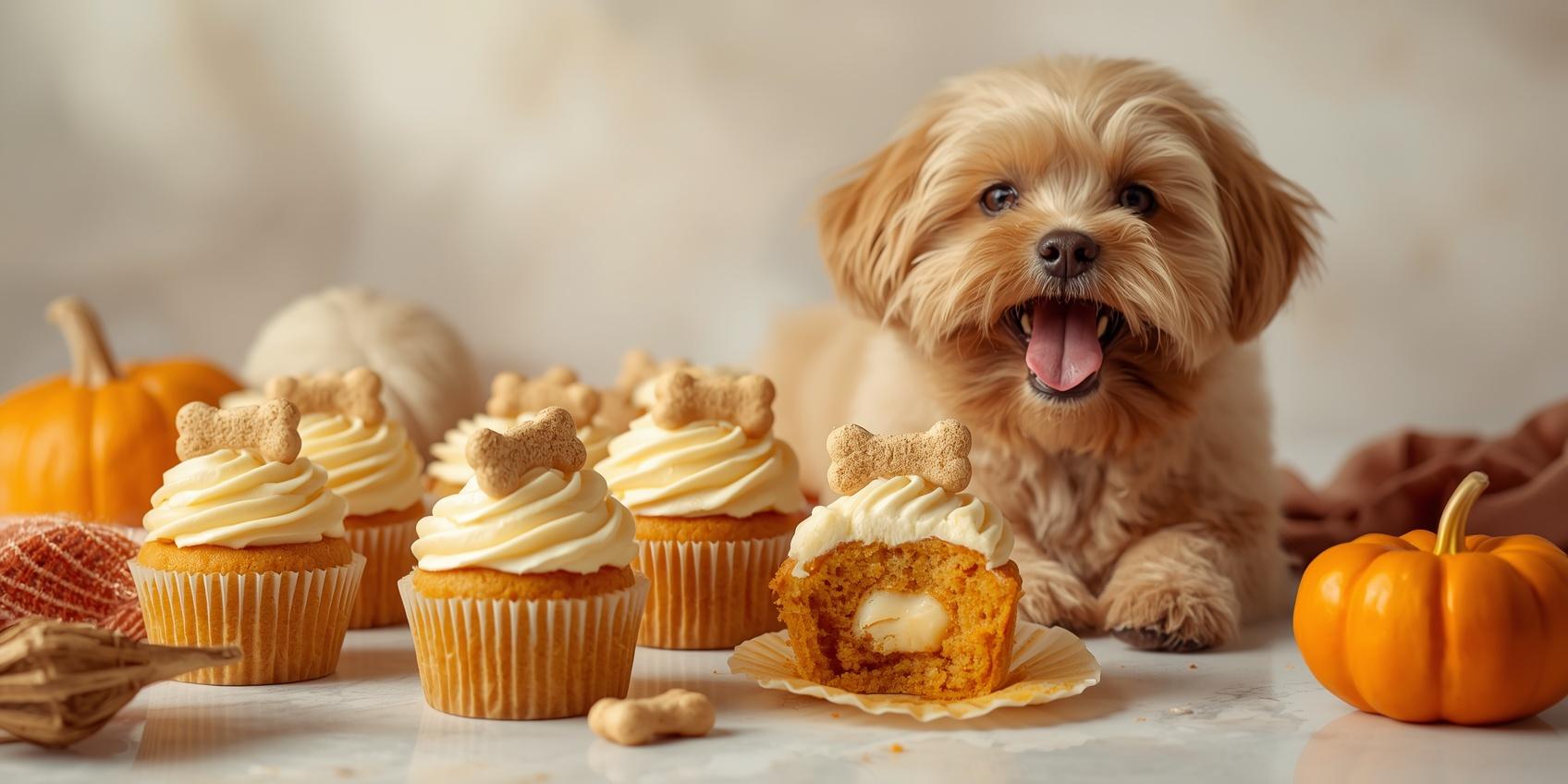
Are you looking for a special treat that your furry friend will love? Homemade pumpkin dog cupcakes are a fun and tasty way to show your pup some extra love. Made with simple, healthy ingredients, these cupcakes are perfect for birthdays, holidays, or just because. Keep reading to discover an easy recipe that will have your dog wagging its tail with delight—and you’ll feel great knowing exactly what’s going into their snack. Ready to make your dog’s day? Let’s get started! Credit: www.ifyougiveablondeakitchen.com Ingredients For Pumpkin Dog Cupcakes Making pumpkin dog cupcakes requires careful choice of ingredients. Each ingredient should be safe and healthy for dogs. Pumpkin dog cupcakes use simple, natural items that dogs enjoy. These ingredients create tasty treats without harmful additives. Below are the key ingredients you need to make these special cupcakes. Pumpkin Puree And Dog-friendly Flours Pumpkin puree is the main ingredient. It is rich in fiber and vitamins that help dogs’ digestion. Use plain canned pumpkin, not pumpkin pie filling. For flour, choose dog-safe options like whole wheat or oat flour. These flours are gentle on dogs’ stomachs. Avoid using regular cake flour or any flour with added sugars. Safe Sweeteners And Flavorings Dogs do not need much sugar. Use natural sweeteners like unsweetened applesauce or a small amount of honey. Avoid artificial sweeteners like xylitol; they are toxic to dogs. Cinnamon adds a warm flavor and is safe in small amounts. Vanilla extract can be used, but make sure it does not contain alcohol. Keep flavors simple and natural to protect your dog’s health. Toppings And Decorations Decorate with dog-safe toppings only. Plain yogurt is a great option for frosting. You can add small pieces of carrot or apple for decoration. Avoid chocolate, nuts, or anything toxic to dogs. Use treats specifically made for dogs as toppers. These toppings make cupcakes fun and safe for your furry friend. Baking Tools And Supplies Baking homemade pumpkin dog cupcakes is fun and rewarding. Using the right tools makes the process easier. It helps create treats that look great and taste good for your pet. Preparing your kitchen with the proper supplies sets you up for success. Simple tools help you measure, mix, and bake with ease. Essential Kitchen Equipment A good mixing bowl is a must-have. Choose one that is easy to clean. Measuring cups and spoons help get the recipe right. A whisk or a hand mixer speeds up mixing the batter. A spatula is great for scraping the bowl clean. Oven mitts keep your hands safe from heat. A cooling rack allows cupcakes to cool evenly after baking. Cupcake Molds And Liners Silicone or metal cupcake molds work well for baking. Silicone molds are flexible and easy to clean. Metal molds heat evenly and give a nice shape. Paper liners prevent cupcakes from sticking to the pan. Choose liners that are safe for pets with no harmful dyes. Using liners makes cleaning up quicker and easier. They also help cupcakes keep their shape when removed. Step-by-step Baking Process Baking homemade pumpkin dog cupcakes is simple and fun. Follow these clear steps to bake treats your dog will love. This section explains the process clearly. Each step matters for soft, tasty cupcakes. Mixing The Batter Start by gathering all ingredients: pumpkin puree, whole wheat flour, eggs, and a bit of cinnamon. Use a large bowl to combine them. Stir gently until the mixture is smooth and thick. Avoid overmixing to keep the cupcakes soft. The batter should look creamy and slightly thick. Filling The Cupcake Molds Use silicone or paper cupcake molds. Spoon the batter into each mold. Fill each mold about two-thirds full. This leaves space for the cupcakes to rise. Tap the molds lightly on the counter. This removes air bubbles and makes cupcakes even. Baking Time And Temperature Preheat the oven to 350°F (175°C). Place the cupcake tray in the middle rack. Bake for 20 to 25 minutes. Check with a toothpick; it should come out clean. Let cupcakes cool completely before serving or decorating. Credit: www.crazyforcrust.com Healthy Frosting Options Healthy frosting makes homemade pumpkin dog cupcakes extra special. It adds flavor without harming your dog’s health. Choose ingredients that are safe and nutritious for dogs. These frostings keep your pup happy and healthy after every bite. Yogurt-based Frosting Use plain Greek yogurt for a creamy, smooth frosting. It’s low in sugar and full of probiotics. These good bacteria help your dog’s digestion. Mix yogurt with a little pumpkin puree for extra taste. Chill the mix before spreading on cupcakes. This frosting stays fresh and cool for your dog to enjoy. Peanut Butter And Pumpkin Mix Combine natural peanut butter and pumpkin puree. Peanut butter adds protein and healthy fats. Make sure it contains no xylitol or added sugar. Pumpkin is rich in fiber and vitamins. Blend until smooth for an easy-to-spread frosting. This mix is tasty and safe for most dogs. Storage And Serving Tips Homemade pumpkin dog cupcakes are a tasty treat for your furry friend. Proper storage and serving make these treats safe and fresh. This section helps you keep cupcakes fresh and serve the right portions for your dog. Keeping Cupcakes Fresh Store cupcakes in an airtight container. Keep them in the fridge for up to five days. For longer storage, freeze cupcakes in a sealed bag. Thaw them in the fridge before serving. Avoid leaving cupcakes out at room temperature too long. This prevents spoilage and keeps flavors intact. Portion Sizes For Dogs Serve small portions to prevent stomach upset. One mini cupcake is enough for small dogs. Medium dogs can have one regular cupcake. Large dogs may enjoy two cupcakes as a treat. Watch your dog’s reaction to new treats. Adjust portions based on size and health needs. Benefits Of Homemade Dog Treats Making homemade dog treats is a great way to care for your pet. You control the ingredients and ensure quality. This helps your dog stay healthy and happy. Homemade treats also … Read more

Chicken Meatballs for Dogs: Easy Healthy Recipe Pups Devour

Chicken Meatballs for Dogs

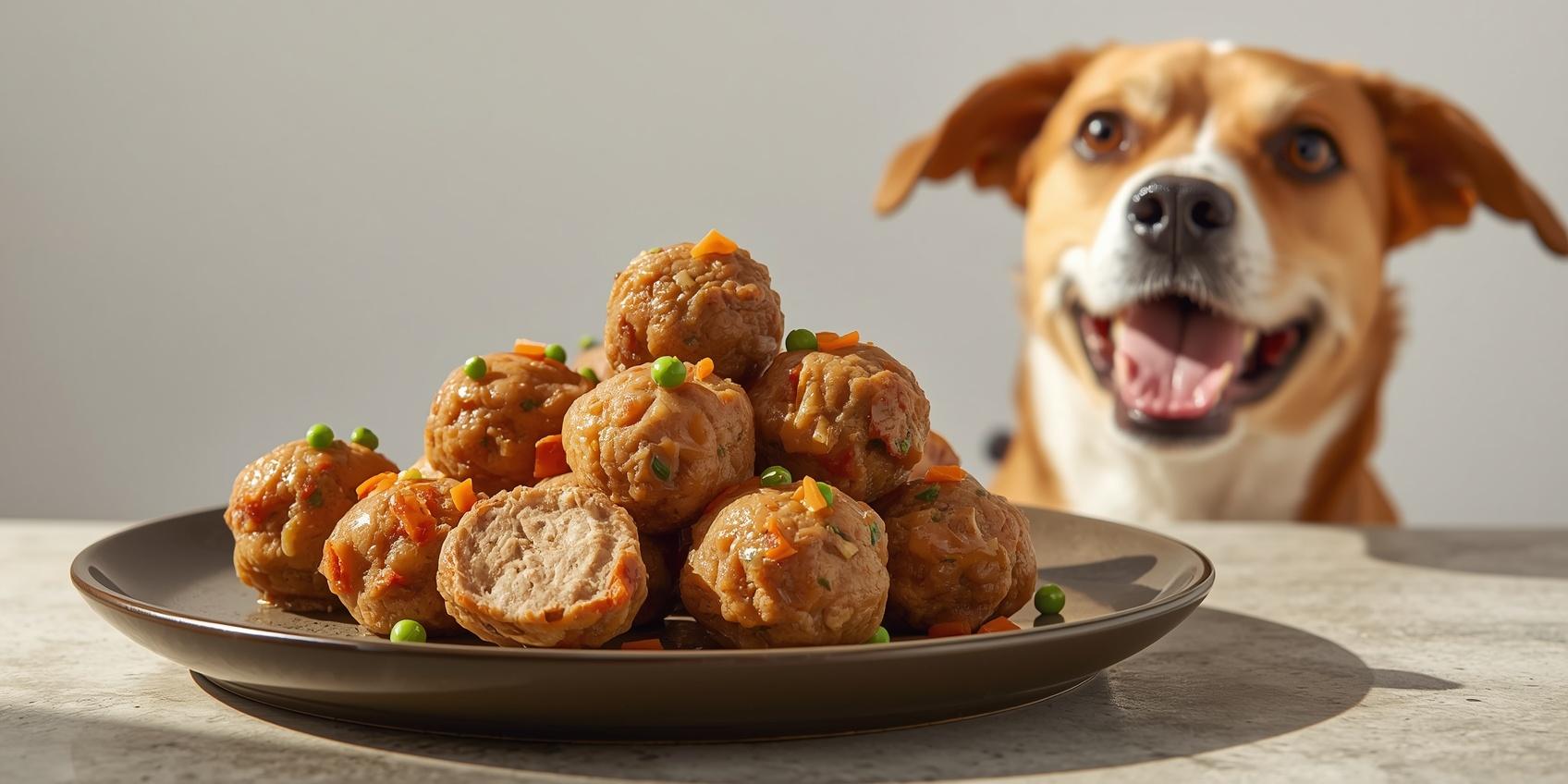
If you want to treat your dog to something tasty and healthy, chicken meatballs could be just the answer. You might wonder if they’re safe and good for your furry friend. Well, these little bites are packed with protein and can be made with simple ingredients right at home. Imagine giving your dog a snack that’s not only delicious but also supports their health. Keep reading to discover how to make chicken meatballs for dogs, your furry friend will love, and why they’re a great addition to your pet’s diet. Credit: spoiledhounds.com Benefits Of Chicken Meatballs Chicken meatballs are a healthy treat for dogs. They provide important nutrients that support strong muscles and a shiny coat. Dogs enjoy the taste, making mealtime fun and rewarding. Chicken meatballs can fit well in a balanced diet and help keep dogs happy and active. These meatballs are easy to prepare and offer many benefits. Let’s explore why chicken meatballs are good for your dog’s health and enjoyment. Nutritional Value Chicken is rich in protein, which helps build muscles. It contains vitamins like B6 and niacin. These support energy and brain function. Chicken also has minerals such as phosphorus and selenium. These keep bones strong and boost the immune system. Low fat content makes chicken meatballs a light meal option. Easy Digestion Chicken meatballs are gentle on the stomach. They break down easily in the digestive tract. This helps dogs absorb nutrients better. Dogs with sensitive stomachs often tolerate chicken well. This reduces the chance of upset or allergies. Proper digestion leads to better overall health. Palatability For Dogs Dogs love the smell and taste of chicken meatballs. The soft texture makes them easy to chew. This is good for puppies and older dogs. The flavor encourages dogs to eat their food. This helps maintain a healthy appetite. Treats that dogs enjoy improve their mood and training results. Ingredients To Use Choosing the right ingredients is key for making tasty chicken meatballs for dogs. Good ingredients keep your dog healthy and happy. It also makes sure the meatballs are safe to eat. Let’s explore what ingredients work best. Choosing Quality Chicken Pick fresh chicken with no added salt or seasoning. Skinless and boneless chicken breast is best. It has less fat and is easy to digest. Organic or free-range chicken is a healthy choice. Avoid processed chicken or leftovers from meals. Fresh chicken means better taste and nutrition for your dog. Safe Additives And Herbs Use dog-safe herbs like parsley or turmeric in small amounts. These help with digestion and add flavor. You can add a little cooked carrot or pumpkin for extra vitamins. Plain oats or rice can be mixed in for fiber. Avoid spices and strong herbs. Keep additives simple and natural. Avoiding Harmful Ingredients Steer clear of onions, garlic, and chives. They are toxic to dogs. Also, avoid salt, pepper, and any artificial seasoning. No chocolate, raisins, or grapes in any form. Stay away from dairy and sugar. These ingredients can cause stomach upset or worse. Always read labels if using packaged products. Step-by-step Preparation Preparing chicken meatballs for dogs is simple and fun. This step-by-step guide helps you make healthy treats at home. Each step is easy to follow and uses safe ingredients. Your dog will love these tasty bites. Mixing Ingredients Start with fresh ground chicken. Add finely grated carrots or zucchini for vitamins. Include a small amount of cooked rice for energy. Mix in an egg to bind the ingredients. Use a spoon or hands to combine well. Avoid adding salt, onion, or garlic. Shaping Meatballs Take small portions of the mixture. Roll each portion into a ball about one inch wide. Keep sizes consistent for even cooking. Use clean hands to shape the meatballs gently. Place the meatballs on a lined tray or plate. Cooking Methods Bake the meatballs at 350°F (175°C) for 20 minutes. Use a non-stick tray or parchment paper. Alternatively, cook them in a pan with a little water. Simmer gently until fully cooked. Let meatballs cool before serving to your dog. Credit: www.pookspantry.com Portion Size And Feeding Tips Chicken meatballs can be a tasty treat for dogs. Knowing the right portion size helps keep your dog healthy. Feeding too much can cause weight gain. Feeding too little may not satisfy your dog’s hunger. Proper portion and feeding tips make mealtime safe and enjoyable. Serving Frequency Serve chicken meatballs as a snack or part of a meal. Limit treats to two or three times per week. Avoid daily feeding to prevent extra calories. Use meatballs for training or special rewards. Always watch your dog’s reaction after feeding. Adjusting For Dog Size Small dogs need fewer meatballs than large dogs. For tiny breeds, one small meatball is enough. Medium dogs can have two to three meatballs. Large dogs may eat three to five pieces safely. Adjust the size of meatballs to match your dog’s mouth. Combining With Regular Diet Chicken meatballs should not replace main meals. Add them as a small part of your dog’s diet. Balance meatballs with regular dog food for nutrients. Avoid feeding meatballs with other high-calorie snacks. Always provide fresh water alongside treats. Storage And Shelf Life Storing chicken meatballs for dogs properly keeps them fresh and safe. Knowing how long they last helps prevent spoilage. Proper storage also keeps the taste and nutrition intact. Refrigeration Guidelines Store cooked chicken meatballs in an airtight container. Keep them in the refrigerator at 40°F (4°C) or below. Use the meatballs within 3 to 4 days for best quality. Avoid leaving them out at room temperature for more than 2 hours. Freezing Tips Freeze chicken meatballs to extend their shelf life up to 3 months. Use freezer-safe bags or containers to prevent freezer burn. Label the package with the date before freezing. Thaw frozen meatballs in the fridge, not on the counter. Signs Of Spoilage Check meatballs for bad smells or slimy texture. Discoloration or mold spots mean spoilage. If your dog refuses … Read more

Cavalier King Charles Spaniel Breeders: Ultimate Selection Guide

Cavalier King Charles Spaniel Breeders

Are you thinking about bringing a Cavalier King Charles Spaniel into your life? Finding the right breeder is one of the most important steps you can take to ensure your new furry friend is healthy, happy, and well-socialized. But with so many breeders out there, how do you know who to trust? You’ll discover key tips and insider advice that will help you choose a Cavalier King Charles Spaniel breeders who truly cares about these loving dogs. Keep reading to make sure your next puppy comes from the best possible place. Credit: ckcsc.org Choosing A Breeder Choosing the right Cavalier King Charles Spaniel breeder is very important. A good breeder helps you find a healthy and happy puppy. Puppies from a careful breeder have a better chance of growing strong and well-behaved. Take time to learn about the breeder before making a decision. Reputation And Reviews Check the breeder’s reputation in the dog community. Read reviews from past buyers. Positive feedback shows the breeder cares about their dogs. Negative reviews may warn you about poor practices. Talk to other dog owners for honest opinions. Health Testing Practices Good breeders test their dogs for health problems. Cavaliers often face heart and eye issues. Ask the breeder for health clearances and test results. Healthy parents mean healthier puppies. Avoid breeders who do not share health information. Breeder’s Experience Experienced breeders understand the breed well. They know how to raise puppies properly. Experience helps them recognize good traits and avoid problems. Choose breeders who have worked with Cavaliers for many years. Their knowledge benefits your new puppy’s future. Health Considerations Caring for a Cavalier King Charles Spaniel starts with understanding their health needs. These dogs have unique traits that can lead to specific health problems. Knowing these issues helps owners and breeders keep the dogs healthy and happy. Good breeders focus on health checks and safe breeding practices. This lowers risks and improves puppy quality. Health should be a top priority for anyone choosing a Cavalier puppy. Common Genetic Issues Cavalier King Charles Spaniels often face heart problems. Mitral valve disease is common and can appear early. This condition affects the heart’s ability to pump blood well. Another concern is syringomyelia. It causes pain and nerve issues in some dogs. Eye problems and hip dysplasia may also occur. Awareness helps with early care and treatment. Screening And Certifications Responsible breeders use health tests to check for genetic issues. Heart exams by a veterinary cardiologist are essential. Eye tests ensure no inherited vision problems exist. Many breeders show certifications from health organizations. These prove the dogs meet strict health standards. Choosing breeders with these certificates protects puppy health. Puppy Health Guarantees Trusted breeders offer health guarantees for their puppies. These guarantees cover certain genetic conditions for a set time. They provide peace of mind and show breeder confidence. Guarantees usually require regular vet check-ups. They often include support if health problems arise. This helps new owners care for their Cavalier properly. Breeder Environment The breeder environment plays a big role in the health and happiness of Cavalier King Charles Spaniel puppies. It shapes their behavior and helps them grow strong. A good environment means clean spaces, loving care, and plenty of attention. Living Conditions Breeders must keep puppies in clean and safe areas. Puppies need enough space to move and play freely. Good lighting and fresh air improve their health. Bedding should be soft and dry to keep them comfortable. A tidy area prevents sickness and stress. Socialization Practices Early socialization helps puppies feel safe around people and other dogs. Breeders introduce puppies to different sounds and sights gently. This practice reduces fear and builds confidence. Puppies learn to enjoy new experiences without stress. Socialization sets a strong foundation for friendly adult dogs. Interaction With Puppies Regular, gentle handling teaches puppies to trust humans. Breeders spend time cuddling and talking to each puppy. This builds strong bonds and helps puppies feel secure. Positive interaction supports emotional growth and calm behavior. Puppies that receive love early tend to be happier pets. Costs And Contracts Buying a Cavalier King Charles Spaniel from a breeder involves clear costs and contracts. Knowing these details helps avoid surprises. It also protects both buyer and breeder. Understanding price ranges, agreements, and return policies is important before making a decision. Price Range Expectations Cavalier King Charles Spaniels usually cost between $1,500 and $3,500. Prices depend on the puppy’s pedigree, health, and breeder reputation. Puppies with champion bloodlines often cost more. Some breeders include initial vaccinations and microchips in the price. Always ask for a full price breakdown before paying. Purchase Agreements Breeders use contracts to ensure clear terms for both sides. These agreements cover health guarantees, spaying or neutering, and care instructions. They also explain the buyer’s and breeder’s responsibilities. Reading the contract carefully is essential. Ask questions about anything unclear before signing. Return Policies Return policies differ among breeders. Some accept returns if the puppy faces health or behavioral issues. Others may require the puppy to stay with the buyer for a certain time before returns. Always get the return policy in writing. It helps protect your investment and your new pet. Finding Reputable Breeders Finding reputable Cavalier King Charles Spaniel breeders takes time and care. Choosing a responsible breeder helps ensure a healthy, well-tempered puppy. Good breeders follow ethical practices and prioritize the dog’s health and happiness. This section covers ways to find trustworthy breeders for your new companion. Breed Clubs And Associations Breed clubs and associations support responsible breeding practices. They often list registered breeders who meet specific standards. These clubs provide valuable information about the breed and breeder requirements. Contacting a breed club can lead to reliable breeder recommendations. They help maintain the breed’s quality and health through strict rules. Online Resources Online directories offer easy access to breeder listings. Look for websites linked to official breed organizations. Check breeder reviews and ratings from previous buyers. Study breeder websites for health testing and puppy care details. … Read more

Small Dog Names: Ultimate List of Cute & Unique Choices

Small Dog Names

Choosing the perfect name for your small dog can be both exciting and a little overwhelming. You want a name that fits their tiny size but big personality. The right name will make your bond even stronger and bring a smile to your face every time you call them. If you’re struggling to find that ideal name, you’re in the right place. Keep reading, and you’ll discover a list of charming, fun, and unique small dog names that suit your furry friend perfectly. Your pup deserves a name as special as they are—let’s find it together! Credit: www.moyo.cr Popular Small Dog Names Choosing a name for a small dog can be fun and exciting. Small dogs often have big personalities. Their names usually match their cute and lively nature. Popular names for small dogs are short and sweet. These names are easy to say and remember. They also fit the dog’s size and charm well. Classic Small Dog Names Classic names never go out of style. Names like Max, Bella, and Charlie remain popular. They suit many small dog breeds perfectly. These names are simple and widely loved. Trendy Small Dog Names Some names gain popularity quickly. Trendy names like Luna, Milo, and Coco are common choices. These names sound modern and fresh. Many pet owners choose them for their small dogs. Unique Small Dog Names Unique names help small dogs stand out. Names like Pixel, Noodle, and Ziggy are creative picks. They add personality and fun. Owners often pick unique names to show their dog’s special traits. Cute Names For Tiny Dogs Tiny dogs have big hearts and bright personalities. Their names should match their small size and sweet nature. Cute names capture their charm and make calling them fun. Choosing a name that fits their size helps show how special they are. Small dog names often sound gentle, playful, or sweet. These names suit their tiny paws and lively spirit. Cute Food-inspired Names For Tiny Dogs Food names can be adorable for small dogs. Names like Muffin, Peaches, and Cupcake feel soft and sweet. These names are easy to say and remember. They also reflect the dog’s small and delicate look. Short And Sweet Names For Tiny Dogs Short names fit tiny dogs perfectly. Names like Max, Bella, or Coco are simple and clear. They suit a dog that is quick and full of energy. Short names make training easier too. Nature-inspired Names For Tiny Dogs Nature offers many cute names for small dogs. Think of names like Daisy, Pebble, or Willow. These names bring calm and beauty. They also remind us of the dog’s gentle side. Unique Names For Small Breeds Choosing a unique name for a small dog is fun and important. Small breeds often have big personalities. Their names should match their charm and spirit. Unique names stand out at the dog park. They make calling your dog easier and more special. A special name helps your pet feel like part of the family. Creative Names Inspired By Nature Nature offers many fresh ideas for small dog names. Think of flowers like “Lily” or “Daisy.” Birds such as “Wren” or “Robin” also work well. These names are simple and sweet. They suit tiny dogs perfectly. Short And Sweet Names Small dogs often respond best to short names. Names like “Milo,” “Nina,” or “Zoe” are easy to say. They fit well on dog tags too. Short names make training faster and clearer. Names From Food And Drinks Food and drinks inspire fun dog names. “Mocha,” “Peanut,” or “Biscuit” bring smiles. These names add warmth and playfulness. They work great for small breeds with big appetites. Unique Names From Books And Movies Books and movies offer rich name choices. Choose names like “Gizmo,” “Yoda,” or “Luna.” These names carry stories and character. They make your dog’s name memorable and fun. Names Inspired By Size And Appearance Choosing a name for a small dog can be fun and creative. Names inspired by size and appearance help highlight your dog’s unique traits. These names often reflect your dog’s tiny frame, delicate features, or charming looks. Such names make it easy to remember your dog’s personality and style. They also create a special bond between you and your pet. Names That Highlight Small Size Names like Tiny, Mini, and Petite show your dog’s small size. Short names like Bit or Pip suit small dogs well. These names sound cute and fit tiny dogs perfectly. Names Based On Color And Pattern Color-inspired names include Snow for white dogs or Cocoa for brown ones. Spots or stripes can inspire names like Dot or Stripe. These names help describe your dog’s look clearly. Names Reflecting Cute Features Names like Fluffy, Puffy, or Fuzz focus on soft fur. Big eyes or small ears can inspire names like Bambi or Elf. These names celebrate your dog’s adorable traits. Names Based On Personality Traits Choosing a name for a small dog can be fun and personal. Names based on personality traits highlight what makes your dog unique. These names show your dog’s character at a glance. They help you connect with your pet in a special way. Personality-based names can reflect energy, mood, or behavior. They often bring a smile when you call your dog. Here are some popular options to consider. Names For Playful Dogs Playful dogs love to run and jump around. Names like Bouncy, Sparky, and Zippy suit their lively nature. These names match their fun and active spirit well. Names For Calm Dogs Calm dogs enjoy quiet moments and gentle pats. Names such as Mellow, Chill, and Snooze fit these peaceful pups. They show your dog’s relaxed and easygoing side. Names For Brave Dogs Brave dogs are fearless and protective. Names like Rocky, Scout, and Hero highlight their courage. They remind you of your dog’s strong heart. Names For Shy Dogs Shy dogs may hide or stay close to you. Names such as Whisper, Timid, and Shadow reflect their gentle nature. … Read more

Dehydrated Carrots for Dogs: Ultimate Healthy Snack Guide

Dehydrated Carrots for Dogs

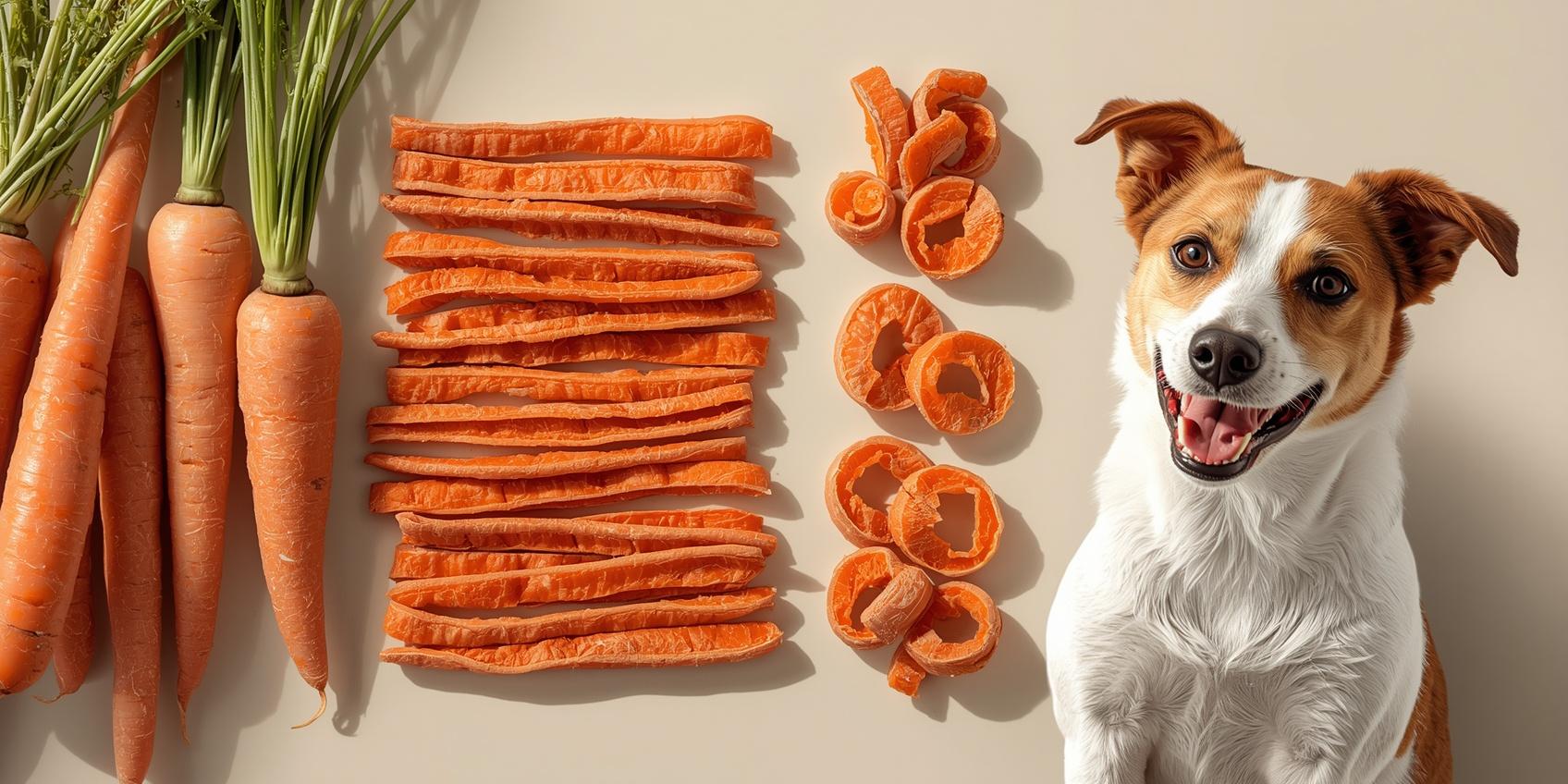
Are you looking for a healthy snack that your dog will love? Dehydrated carrots for dogs might be just what you need. These crunchy treats are packed with nutrients and easy to store. Plus, they can help keep your furry friend happy and healthy. Keep reading to discover why dehydrated carrots could become your dog’s new favorite snack—and how you can make or buy them safely. Your pup will thank you! Benefits Of Dehydrated Carrots Dehydrated carrots offer many benefits for dogs. They are a healthy snack that dogs enjoy. These carrots keep their nutrients while being easy to chew. They support your dog’s health in several ways. Nutritional Value Dehydrated carrots keep most vitamins and minerals. They are rich in vitamin A, which helps eyesight. Carrots also provide fiber for good digestion. Your dog gets nutrients without extra fillers or chemicals. Dental Health Support Chewing dehydrated carrots helps clean teeth naturally. The crunchy texture reduces plaque and tartar buildup. This supports healthier gums and fresher breath. A simple treat that helps keep teeth strong. Low-calorie Treats Dehydrated carrots have few calories. They are perfect for dogs that need to stay slim. You can give many without worrying about weight gain. A tasty snack that fits well in a balanced diet. Credit: cosori.com How To Dehydrate Carrots Dehydrating carrots is a simple way to make healthy dog treats. It keeps carrots fresh for a long time. Drying carrots also makes them crunchy and tasty for dogs. The process is easy and needs few tools. Follow these steps to prepare and dry carrots safely at home. Preparation Steps Start by washing carrots thoroughly. Remove dirt and any stickers. Peel the carrots with a vegetable peeler. Slice carrots into thin, even pieces. Thin slices dry faster and more evenly. Pat slices dry with a clean towel. This removes extra moisture for better drying. Dehydration Methods Use a food dehydrator for best results. Arrange carrot slices in one layer on trays. Set dehydrator to 125°F (52°C). Dry for 6 to 12 hours. Check slices for dryness; they should be crisp and firm. Oven drying works too. Place slices on a baking sheet with parchment paper. Set oven to the lowest temperature. Keep the oven door slightly open. Dry for 4 to 8 hours. Watch closely to avoid burning. Storage Tips Allow dried carrots to cool completely. Store in airtight containers or zip-lock bags. Keep containers in a cool, dark place. Avoid moisture and heat to keep carrots fresh. Properly stored, dehydrated carrots last up to six months. Check regularly for any signs of mold or spoilage. Feeding Guidelines Feeding dehydrated carrots to dogs requires care and attention. Proper serving sizes and feeding frequency ensure your pet stays healthy. You must also watch for any signs of allergies. This section covers easy-to-follow guidelines for feeding your dog dehydrated carrots safely. Portion Size Start with small pieces to avoid choking. A few small carrot bits per day work well for most dogs. Adjust the amount based on your dog’s size and weight. Treats should never replace a balanced diet. Keep portions moderate to prevent stomach upset. Frequency Offer dehydrated carrots as an occasional treat. Two to three times a week is enough for most dogs. Avoid daily feeding to reduce digestive issues. Use carrots to reward good behavior or training moments. Always provide fresh water after treats. Potential Allergies Watch your dog for unusual reactions after feeding carrots. Signs include itching, swelling, or vomiting. Stop feeding carrots immediately if symptoms appear. Consult your vet if allergic reactions persist. Most dogs tolerate carrots well, but allergies can happen. Comparing Fresh And Dehydrated Carrots Fresh and dehydrated carrots both serve as healthy snacks for dogs. Each type has unique benefits and drawbacks. Understanding these differences helps pet owners choose the best option for their pets. Here is a comparison focusing on nutrient retention, shelf life, and convenience. Nutrient Retention Fresh carrots contain high levels of vitamins and minerals. These nutrients support dogs’ immune systems and vision. Dehydrated carrots lose some water content but keep most nutrients. The drying process can reduce vitamin C slightly. Overall, dehydrated carrots still provide essential nutrients. Both forms offer good health benefits for dogs. Shelf Life Fresh carrots spoil quickly without proper storage. They last about one to two weeks in the refrigerator. Dehydrated carrots have a much longer shelf life. They can last several months if stored in a cool, dry place. This makes dehydrated carrots a better option for long-term storage. Less waste and more availability for your dog’s snacks. Convenience Fresh carrots require washing and cutting before feeding. Dehydrated carrots are ready to use right away. They are lightweight and easy to carry during travel or walks. Dehydrated carrots do not need refrigeration. This makes them a practical choice for busy pet owners. Both types offer convenience but in different ways. Safety Considerations Dehydrated carrots can be a healthy treat for dogs. Safety is very important when feeding them. Some precautions help keep dogs safe and happy. Avoiding Additives Choose dehydrated carrots with no added salt, sugar, or spices. Additives can harm your dog’s health. Natural carrots are best. Check the ingredient list carefully before buying. Choking Hazards Dehydrated carrots can be hard and small. They may cause choking, especially in small dogs. Break pieces into smaller bits for little dogs. Always watch your dog while eating treats. Consulting A Vet Talk to your vet before adding new treats. Your vet knows your dog’s health and diet. They can advise if dehydrated carrots are safe. This step helps avoid allergies or stomach problems. Credit: olewousa.com Diy Recipes For Dehydrated Carrot Treats Dehydrated carrot treats are a healthy snack for dogs. Making these treats at home saves money and controls ingredients. Dogs enjoy the crunch and natural sweetness of carrots. Dehydrating keeps nutrients and makes carrots last longer. Try these easy DIY recipes to create tasty carrot treats. Each recipe uses simple steps and common kitchen tools. Your dog … Read more