Doggy Scout

Homemade Pumpkin Dog Cake: Easy Healthy Recipe Pups Adore
Homemade Pumpkin Dog Cake

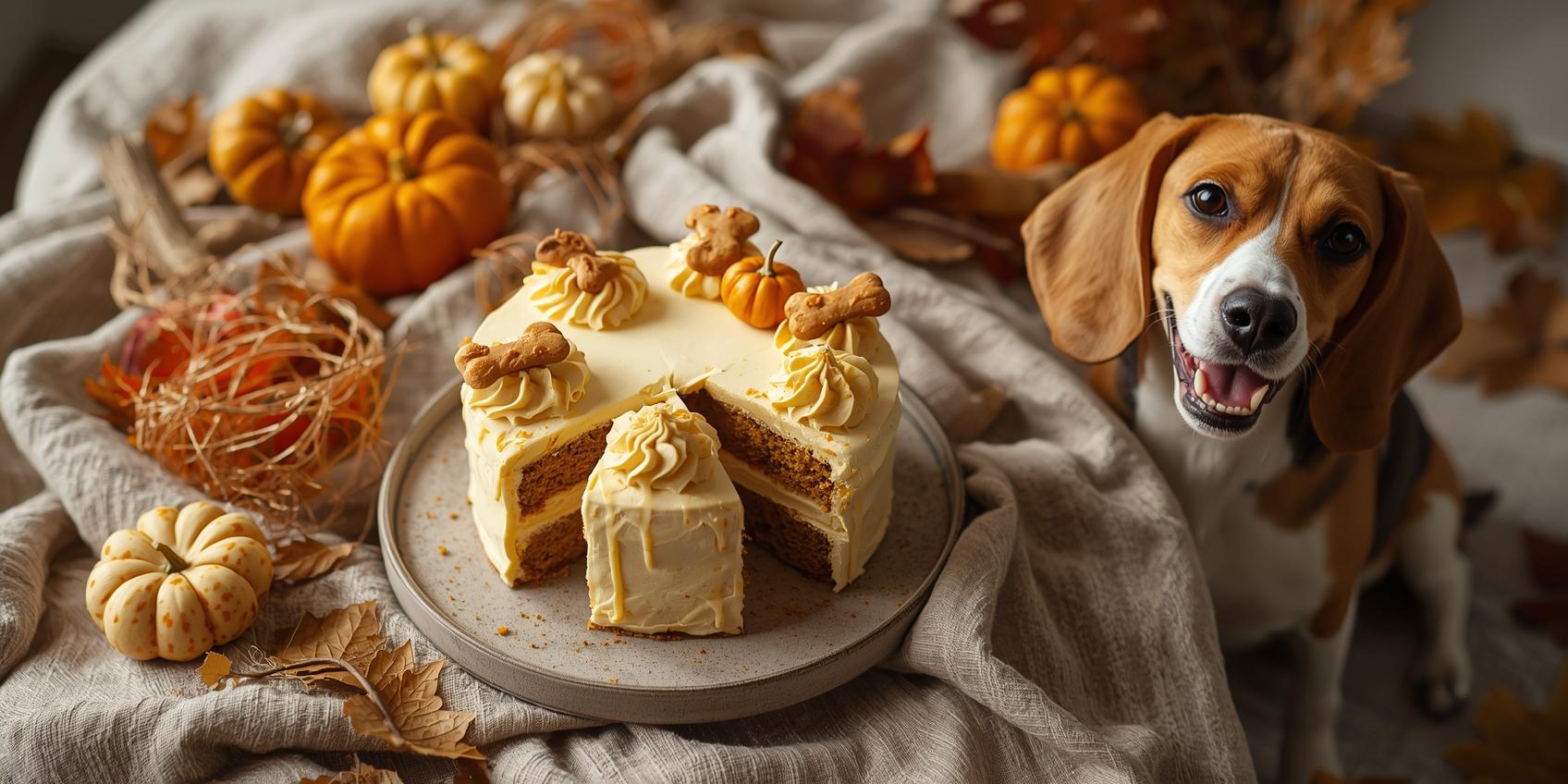
Your furry friend deserves a special treat, and what better way to show your love than with a homemade pumpkin dog cake? This tasty and healthy cake is easy to make and packed with ingredients that your dog will enjoy. Imagine the joy on your pup’s face when you surprise them with a cake made just for them! Keep reading, and you’ll learn how to create this delicious pumpkin dog cake that’s perfect for birthdays, holidays, or any day you want to celebrate your best buddy. Ingredients For Pumpkin Dog Cake Making a pumpkin dog cake starts with choosing safe and healthy ingredients. Each part must suit your dog’s taste and health. Fresh, natural items create a delicious treat your dog will love. Pumpkin And Flour Options Pumpkin is the star ingredient. Use plain canned pumpkin or fresh cooked pumpkin. Avoid pumpkin pie filling. It has sugar and spices harmful to dogs. For flour, choose whole wheat or oat flour. Both are gentle on your dog’s stomach. Rice flour is good for dogs with allergies. These flours create a soft, tasty cake texture. Dog-safe Sweeteners And Additives Dogs do not need much sugar. Use natural sweeteners like honey or unsweetened applesauce. These add mild sweetness without harm. Peanut butter is a favorite additive. Ensure it has no xylitol or added sugar. Plain yogurt adds moisture and gentle flavor. These ingredients make the cake moist and tasty. Toppings And Decorations Keep toppings simple and safe. Use plain cream cheese or yogurt for frosting. Small pieces of carrot or apple add color and crunch. Avoid chocolate, nuts, or raisins. These are toxic to dogs. Fresh herbs like parsley give a fresh look and good breath benefits. Credit: www.consolata.org Baking The Cake Baking the pumpkin dog cake is a simple and fun process. It lets you create a special treat that your dog will love. The steps include mixing the batter, choosing the right pan, and setting the correct baking time and temperature. Each step matters to make the cake moist and safe for dogs to eat. Mixing The Batter Start by combining pumpkin puree with dog-friendly ingredients. Use whole wheat flour or oat flour for a healthy base. Add eggs to bind the mixture well. Mix everything until smooth and even. Avoid over-mixing to keep the batter light. Choosing The Right Pan Select a small pan to match your dog’s size. A 6-inch round or square pan works well. Grease the pan lightly to prevent sticking. You can also use silicone molds for easy removal. Proper pan choice helps the cake bake evenly. Baking Time And Temperature Preheat the oven to 350°F (175°C). Bake the cake for 25 to 30 minutes. Check doneness by inserting a toothpick in the center. If it comes out clean, the cake is ready. Let the cake cool completely before serving your dog. Frosting And Decoration Frosting and decoration make your homemade pumpkin dog cake special. They add flavor and fun without harming your pet. Choose safe, simple ingredients to keep your dog healthy. Use colors and shapes that catch the eye and suit your dog’s taste. This part can turn a plain cake into a happy treat. Dog-friendly Frosting Ideas Plain Greek yogurt is a great base for frosting. It is creamy and safe for dogs to eat. Mix it with a little pumpkin puree for extra flavor. Peanut butter works well too, but use natural, unsalted types only. Cream cheese can be an option in small amounts. Avoid sugar, artificial sweeteners, and chocolate. Keep frosting light and easy to spread. Creative Decoration Tips Use small dog treats or kibble for fun shapes on top. Carrot slices or apple pieces make colorful accents. Fresh herbs like parsley add a nice touch and smell. You can pipe frosting in simple dots or lines. Try making paw prints or bone shapes with frosting. Keep decorations edible and safe for dogs to enjoy. Serving And Storage Serving and storing your homemade pumpkin dog cake correctly keeps it fresh and safe for your pet. Proper portions help avoid stomach upset and maintain a healthy diet. Safe storage keeps the cake tasty and prevents spoilage. Follow these tips for the best experience. Portion Sizes For Dogs Serve small slices based on your dog’s weight and size. A tiny dog only needs a small bite. Medium dogs can have a bigger piece. Large dogs may enjoy a larger portion but still moderate. Watch your dog’s reaction to new treats. Adjust portions if you see any signs of discomfort or allergies. Storing Leftovers Safely Keep leftover cake in an airtight container. Store it in the refrigerator to keep it fresh. Use the cake within three to four days. For longer storage, freeze the cake in small pieces. Thaw frozen pieces in the fridge before serving. Avoid leaving cake out at room temperature for too long. Health Benefits Of Pumpkin For Dogs Pumpkin is a healthy treat for dogs. It adds more than just flavor to your homemade pumpkin dog cake. Pumpkin offers many health benefits that support your pet’s well-being. It is gentle on the stomach and easy to digest. Many dog owners use pumpkin to help with digestion and nutrition. Nutritional Value Pumpkin is full of important vitamins and minerals. It contains vitamins A, C, and E that help keep dogs healthy. These vitamins support vision and the immune system. Pumpkin also has potassium and iron. These minerals help muscles and blood stay strong. Low in calories, pumpkin is a great treat for dogs on a diet. It also has antioxidants that protect cells from damage. Digestive Support Pumpkin is known for its high fiber content. Fiber helps regulate digestion and keeps stools firm. It can help dogs with diarrhea or constipation. Pumpkin soothes the stomach and promotes healthy bowel movements. This makes it a good choice for dogs with sensitive tummies. Adding pumpkin to your dog’s diet can improve overall digestive health. Credit: www.ifyougiveablondeakitchen.com Common Mistakes To Avoid Making a … Read more
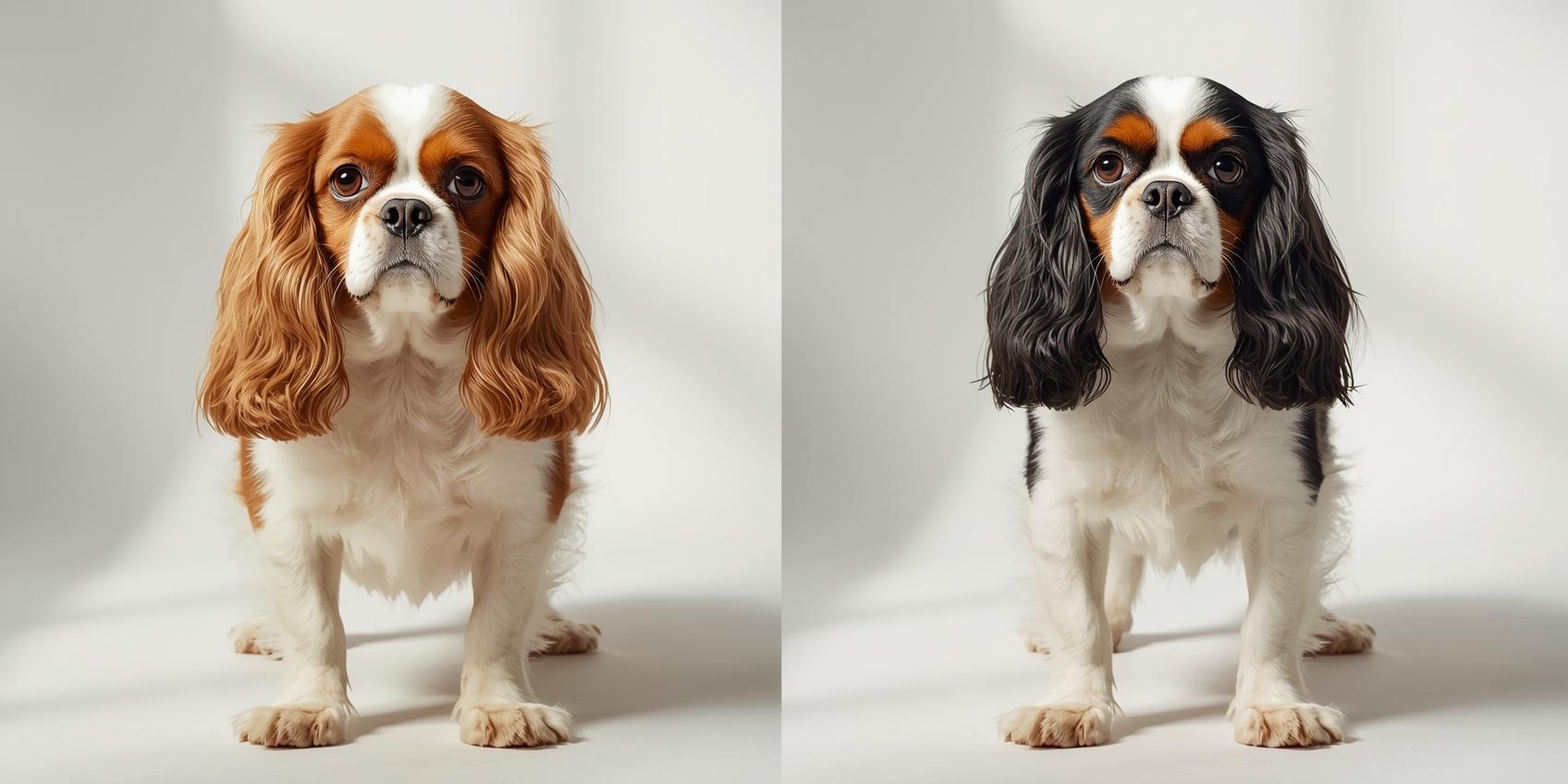
Is Your Cavalier Overweight? Essential Signs & Solutions Guide

Is Your Cavalier Overweight

Is your Cavalier overweight and starting to look a little rounder than usual? You might be wondering if your furry friend is carrying a few extra pounds. Keeping your Cavalier at a healthy weight is not just about looks—it affects their energy, happiness, and how long they stay by your side. You’ll discover simple ways to tell if your dog is overweight and what steps you can take right now to help them feel their best. Don’t wait until it’s too late your Cavalier’s health depends on you. Keep reading to learn how to spot the signs and take action today. Signs Of Overweight Cavaliers Noticing signs of overweight in your Cavalier helps keep them healthy. Weight gain can cause health problems and reduce their life quality. Spotting early signs allows quick action and better care for your dog. Physical Appearance Changes Check if your Cavalier’s ribs are hard to feel. A thin dog’s ribs should be easy to touch without fat covering. Look at their waist from above. It should be visible and narrow behind the ribs. If the waist looks wide or missing, the dog may be overweight. Notice if the belly hangs lower than usual. Extra fat can make the belly bulge or sag. Watch for a rounder face and thicker neck too. Behavioral Indicators Observe your dog’s energy during playtime. Overweight Cavaliers often tire quickly or avoid activity. Notice if your dog breathes hard after little exercise. Heavy breathing can signal extra weight stress. Also, check how easily they move. Stiff joints or slow steps can be signs. Sometimes, overweight dogs eat more but still feel hungry. Watch for changes in sleep patterns or mood. A less active, grumpy dog might be carrying too much weight. Credit: www.cavalierhealth.org Health Risks Linked To Excess Weight Excess weight can cause serious health problems for your Cavalier. It puts extra stress on their body. This can lead to many diseases that reduce their quality of life. Knowing these risks helps you take action early. Being overweight affects more than just appearance. It impacts how your dog moves, breathes, and functions every day. Watch for signs and keep your pet healthy. Joint And Mobility Issues Extra weight adds pressure on joints and bones. This causes pain and stiffness. Your Cavalier may move slower or avoid exercise. Over time, arthritis can develop. This makes walking and running hard. Heart And Respiratory Concerns Fat around the heart makes it work harder. This can cause heart disease. Breathing also becomes difficult. Your dog may pant more and tire quickly. This lowers their energy and happiness. Diabetes And Other Conditions Overweight dogs have a higher chance of diabetes. This disease needs special care and medicine. Weight gain also raises the risk of other illnesses. These include liver and kidney problems. Keeping weight normal helps avoid these dangers. Assessing Your Dog’s Weight Assessing your Cavalier’s weight is important for their health. Overweight dogs face risks like joint pain, diabetes, and heart problems. Checking their weight regularly helps catch any issues early. Use simple methods to see if your dog is at a healthy weight. This section explains easy ways to assess your dog’s weight safely. Body Condition Scoring Body Condition Scoring (BCS) is a quick way to check your dog’s weight. You look at the ribs, waist, and belly shape. Feel your dog’s ribs with light pressure. You should feel ribs but not see them. From above, your dog should have a clear waist. From the side, the belly should tuck up. A score from 1 to 9 shows if your dog is thin, ideal, or overweight. Aim for a score around 4 or 5 for a healthy Cavalier. Weighing Techniques Use a regular scale to weigh your dog. Small dogs like Cavaliers can be weighed in your arms. First, weigh yourself alone. Then, weigh yourself holding your dog. Subtract your weight from the combined weight. This gives your dog’s weight. Weigh your dog at the same time each week. Track weight changes to notice any gain or loss. Keep a record to share with your vet. Consulting A Veterinarian Veterinarians provide the best advice on your dog’s weight. They can perform a full health check. Vets use precise scales and body condition tools. They suggest diet plans if your dog is overweight. Regular vet visits help catch weight problems early. Share your weight records with the vet for better guidance. Trust your vet to keep your Cavalier healthy and happy. Credit: www.youtube.com Diet Adjustments For Weight Control Adjusting your Cavalier’s diet is key to managing weight. Proper food choices and meal sizes help keep your dog healthy. Small changes can make a big difference in their energy and overall well-being. Understanding what to feed and how much can prevent extra pounds. Healthy eating supports a happy, active Cavalier for years to come. Choosing The Right Food Select high-quality dog food with balanced nutrients. Look for options made for small breeds or weight control. Avoid foods with fillers like corn or wheat. Protein should be the main ingredient. Fresh, natural ingredients support good health and weight. Portion Control Tips Measure your Cavalier’s food at every meal. Use a standard cup or scale for accuracy. Feed smaller portions more often to boost metabolism. Avoid free feeding or leaving food out all day. Stick to a set feeding schedule to control calorie intake. Avoiding Harmful Treats Limit treats to no more than 10% of daily calories. Choose low-calorie, healthy treats like small veggies. Avoid human snacks, especially those with sugar or fat. Use treats only for training or special rewards. This prevents extra weight gain and supports good habits. Exercise Plans For Cavaliers Exercise is key to keeping your Cavalier healthy and fit. A good plan helps control weight and boosts energy. Cavaliers need regular movement to stay happy and avoid health problems. Creating the right exercise plan depends on your dog’s age, health, and preferences. Balanced daily activity supports muscle strength and heart health. It … Read more

Homemade Dog Dental Treats: Easy Recipes for Healthy Teeth

Homemade Dog Dental Treats

Your dog’s smile deserves the best care, and that starts with healthy teeth. You might be surprised to learn that many store-bought dental treats contain ingredients you don’t want in your furry friend’s diet. What if you could make tasty, effective dental treats right at home? Homemade dog dental treats give you full control over what your pup eats while keeping their teeth clean and breath fresh. Keep reading to discover simple recipes and tips that will make your dog’s dental care both fun and effective! Benefits Of Dog Dental Treats Dog dental treats offer many health benefits for your pet. They help keep your dog’s teeth clean and gums strong. Using these treats regularly supports overall mouth health. Homemade treats can be made with natural ingredients that are safe and healthy for dogs. Improving Oral Health Dental treats help remove food bits stuck between teeth. Chewing these treats massages the gums and strengthens them. Strong gums protect teeth from infections. Healthy teeth make eating more comfortable for your dog. Reducing Bad Breath Bad breath comes from bacteria in the mouth. Dental treats reduce bacteria by cleaning teeth and gums. Fresh breath makes close moments with your dog more pleasant. Treats with natural ingredients help keep breath fresh longer. Preventing Plaque And Tartar Plaque and tartar build up causes tooth decay and gum disease. Dental treats help scrape away plaque before it hardens into tartar. Less tartar means fewer dental problems and vet visits. Regular use of treats keeps your dog’s teeth cleaner and healthier. Credit: www.pookspantry.com Key Ingredients For Dental Treats Making homemade dog dental treats requires careful choice of ingredients. The right ingredients help clean teeth and freshen breath. They also keep your dog safe and healthy. Understanding these key ingredients helps you bake treats your dog will enjoy and benefit from. Dog-safe Flavors And Additives Choose flavors dogs love, like peanut butter, pumpkin, or sweet potato. Avoid artificial flavors and sweeteners. Natural herbs like parsley help freshen breath. Use small amounts of cinnamon or ginger for taste and dental health. Keep flavors mild to suit sensitive dog stomachs. Natural Cleaning Agents Baking soda gently cleans teeth and reduces plaque. Coconut oil fights bacteria and improves coat health. Carrots and apples add crunch to help scrape teeth clean. These ingredients also add vitamins and fiber. They make treats both tasty and good for teeth. Avoiding Harmful Ingredients Stay away from sugar, salt, and artificial sweeteners like xylitol. Xylitol is very toxic to dogs. Avoid chocolate, grapes, and raisins. Steer clear of preservatives and chemicals. Use simple, fresh ingredients to protect your dog’s health. Simple Recipes To Try Making homemade dog dental treats is simple and fun. These treats help clean your dog’s teeth and freshen breath. You control the ingredients, so the treats stay healthy and safe. Try these easy recipes at home. They fit different tastes and textures your dog might enjoy. Baking Crunchy Biscuits Crunchy biscuits help scrape plaque from teeth. Mix whole wheat flour, peanut butter, and water. Roll the dough and cut into small shapes. Bake at 350°F for 20 minutes until golden. Let cool before giving to your dog. Store in an airtight container to keep crisp. Freezing Chewy Treats Chewy treats soothe gums and clean teeth. Blend plain yogurt, mashed banana, and a bit of honey. Pour the mix into ice cube trays. Freeze for a few hours. These cold treats are perfect for warm days. Your dog will enjoy the cool, soft texture. No-bake Options No-bake treats save time and keep nutrients. Mix oat flour, pumpkin puree, and cinnamon. Shape into small balls or patties. Chill in the fridge until firm. These treats are soft but healthy. They work well for dogs who prefer gentle textures. Credit: www.wildebeest.co Tips For Making Treats Safe Homemade dog dental treats can help keep your dog’s teeth clean and healthy. Safety is very important when making these treats. Careful steps make sure treats are good for your dog’s health. Follow these tips to make safe and tasty dental treats your dog will love. Portion Control Giving the right amount of treats helps avoid stomach upset. Too many treats can cause weight gain. Small dogs need smaller treats. Large dogs can have bigger portions. Always match treat size to your dog’s size and daily diet. Storage And Shelf Life Store treats in a cool, dry place. Use airtight containers to keep treats fresh. Homemade treats last less than store-bought ones. Check treats for mold or bad smell before giving. Freeze extra treats to keep them longer. Allergy Considerations Watch for signs of allergies like itching or vomiting. Avoid ingredients that caused allergies before. Use simple recipes with safe, common ingredients. Consult your vet about any food allergies your dog has. Always introduce new treats slowly to see how your dog reacts. Incorporating Treats Into Routine Adding homemade dog dental treats to your pet’s daily care helps keep teeth clean. Treats make dental care fun and easy for dogs. They support healthy teeth and fresh breath in a natural way. Use treats smartly for the best results. Timing And Frequency Give dental treats once or twice a day. Best times include after meals or playtime. Avoid too many treats to keep your dog’s diet balanced. Consistent timing helps dogs expect and enjoy their treat. A steady schedule improves dental health over time. Combining With Regular Brushing Dental treats work well alongside brushing. Brushing removes plaque that treats cannot reach. Use treats to reward your dog after brushing. This builds a positive habit for dental care. Both brushing and treats together protect teeth better. Monitoring Your Dog’s Response Watch how your dog reacts to new treats. Check for any allergies or stomach upset. Notice if your dog chews the treat well or swallows it whole. Adjust the type or size based on your dog’s needs. Keeping an eye ensures treats help without harm. Credit: www.instructables.com Frequently Asked Questions What Ingredients Are Best For Homemade Dog Dental Treats? … Read more

Smartest Small Dog Breeds: Ultimate Guide to Clever Companions

Smartest Small Dog Breeds

Are you thinking about adding a small dog to your family but want one that’s quick to learn and easy to train? Choosing a smart small dog breed can make all the difference in how smoothly you both adjust. Imagine having a furry friend who not only fits perfectly in your lap but also understands your commands quickly and keeps you entertained with their cleverness. You’ll discover the smartest small dog breeds that bring both brains and charm into your home. Keep reading to find the perfect tiny genius that matches your lifestyle! Credit: www.youtube.com Traits Of Smart Small Dogs Smart small dogs stand out with unique traits. These traits make them fun and easy pets. They learn commands fast and solve problems on their own. Their behavior shows they understand their surroundings well. Let’s explore the key traits that make these small dogs so smart. Problem-solving Skills Smart small dogs figure out challenges quickly. They find ways to get treats or open doors. These dogs do not give up easily. They try different methods until they succeed. This skill helps them stay active and happy. Trainability Small smart dogs learn new commands fast. They respond well to training sessions. These dogs enjoy learning tricks and tasks. Their quick learning makes training fun for owners. Consistent practice helps them remember commands better. Social Intelligence Smart small dogs read people’s feelings well. They know when you are happy or sad. These dogs adjust their behavior to fit the mood. They get along with other pets easily. Their social skills make them great companions. Top Smart Small Dog Breeds Small dogs can be very smart and easy to train. Many small breeds learn commands quickly and love to please their owners. These dogs are great for families and people who want a clever companion. They enjoy games and mental challenges. Here are some of the top smart small dog breeds. Each has unique traits and intelligence that stand out. Papillon Papillons are very bright and lively. They learn tricks fast and follow commands well. Their large ears and friendly face make them very charming. Papillons enjoy playing and love to be with people. They do well in agility and obedience contests. Poodle Poodles are among the smartest dogs of all sizes. The toy and miniature types are small but highly intelligent. They pick up new words quickly and adapt to new situations. Poodles also have a gentle nature and are easy to train. They need mental activity to stay happy. Pomeranian Pomeranians are small but very alert and smart. They learn commands quickly and can do many tricks. These dogs are curious and love to explore their environment. Pomeranians enjoy being active and playing with their owners. Their bright eyes show their cleverness. Shetland Sheepdog Shetland Sheepdogs are small herding dogs with sharp minds. They understand new commands fast and work well with people. These dogs are loyal and eager to learn. Shelties excel in obedience and agility sports. They thrive with regular mental and physical exercise. Corgi Corgis are smart and full of energy. They learn commands quickly and remember well. These dogs have a strong work drive and love to play. Corgis are friendly and good with families. Their intelligence makes training fun and rewarding. Training Tips For Intelligent Small Dogs Training intelligent small dogs is rewarding and fun. These dogs learn fast and enjoy challenges. They need clear guidance and patience. Training helps them behave well and stay happy. Use methods that match their sharp minds. Positive Reinforcement Reward good behavior with treats and praise. It makes dogs want to repeat actions. Avoid punishment; it can cause fear. Use kind words and gentle pats. Positive reinforcement builds trust and cooperation. Mental Stimulation Keep your dog’s brain active with puzzles and toys. Change activities often to hold their interest. Teach new tricks to challenge their minds. Mental games reduce boredom and bad habits. Smarter dogs need more brain work daily. Consistent Routine Set regular times for feeding and training. Dogs learn better with a steady schedule. Repeat commands and rules every day. Consistency helps dogs understand expectations clearly. A routine creates a calm, secure environment. Credit: citybear.co Benefits Of Owning A Smart Small Dog Owning a smart small dog brings many rewards. These dogs are easy to train and fun to be around. Their intelligence makes daily life smoother and more enjoyable. Small dogs with sharp minds can quickly learn tricks and commands. They adapt well to different homes and families. Their companionship is deep and meaningful. Here are key benefits of having a smart small dog. Quick Learning Smart small dogs pick up commands fast. They understand new tricks with little practice. Training sessions are short and effective. This saves time and reduces frustration. These dogs enjoy learning and trying new tasks. Quick learning keeps their minds active and healthy. Adaptability Smart small dogs adjust easily to new places. They handle changes in routine better than others. Whether moving or visiting, they settle quickly. Adaptability makes them great for apartment living. These dogs thrive in many environments and situations. Companionship Smart small dogs form strong bonds with owners. They sense emotions and respond kindly. Their loyalty is noticeable and comforting. These dogs offer company during quiet or busy times. Their intelligence helps them understand family dynamics well. Challenges With Smart Small Dogs Smart small dogs bring joy and energy to any home. Their intelligence makes them quick learners. Yet, this cleverness can also bring some challenges. Understanding these challenges helps owners provide better care and training. Smart dogs need more than just basic care. They require mental and physical engagement to stay happy and healthy. Boredom And Behavior Issues Smart small dogs get bored easily. Without mental stimulation, they may act out. Chewing furniture or barking often shows their frustration. These dogs need puzzles and new tricks to stay busy. Boredom can lead to destructive behavior. Owners must offer toys and training sessions regularly. Exercise Needs Small dogs … Read more

Carrot Dog Cake Recipe: Easy Healthy Birthday Treat for Pups

Carrot Dog Cake Recipe

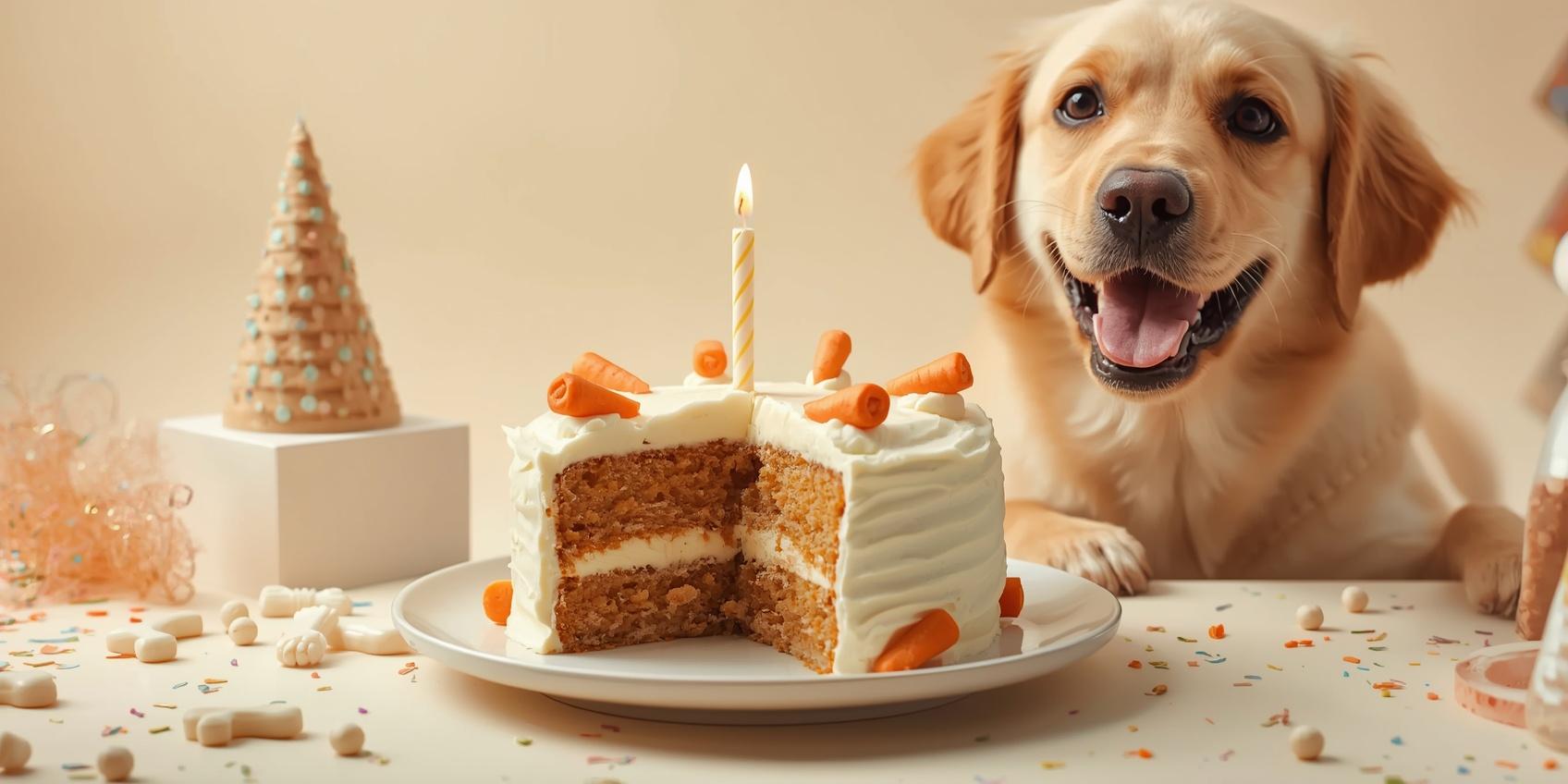
If you love spoiling your pup with wholesome homemade treats, this Carrot Dog Cake Recipe was made just for you and your furry best friend. Imagine a moist, dog-friendly cake that combines the natural sweetness of fresh carrots with simple, pup-safe ingredients your dog will absolutely adore perfect for birthdays, gotcha days, or any special celebration worth wagging about. Whether you’re baking a birthday treat for your pup or simply want to show your furry friend some extra love, this easy Carrot Dog Cake Recipe will have tails wagging from the very first sniff. Keep reading — you’ll discover simple, step-by-step instructions to bake a healthy, homemade dog cake that’s both irresistible and completely pup-safe. Your dog’s new favorite birthday cake is just a few wholesome ingredients away! Ingredients Needed Preparing the carrot dog cake starts with gathering the right ingredients. Each item plays a key role in taste and texture. Using fresh and simple ingredients makes the cake moist and flavorful. Here is a clear list of what you will need to make this special cake. Dry Ingredients Wet Ingredients Optional Add-ins Preparing The Batter Preparing the batter for a carrot dog cake sets the foundation for a moist, flavorful dessert. Careful mixing ensures the right texture and taste. Follow simple steps for a smooth, well-blended batter. Use fresh ingredients and measure carefully. This helps the cake rise perfectly and keeps it soft. Mixing Dry And Wet Ingredients Start by combining all dry ingredients in a bowl. This includes flour, sugar, baking powder, and spices like cinnamon. Mix them well to spread flavors evenly. In a separate bowl, whisk the wet ingredients. Use eggs, oil, and vanilla extract. Beat until smooth and uniform. Slowly pour wet ingredients into the dry mix. Stir gently but thoroughly. Avoid overmixing to keep the batter light. Folding In Carrots And Nuts Grated carrots add moisture and sweetness. Fold them gently into the batter using a spatula. This keeps the texture soft and tender. Chopped nuts give a nice crunch. Add walnuts or pecans for extra flavor. Fold them in carefully to spread evenly without breaking the batter. Mix just enough to combine all parts. This creates a balanced batter ready for baking. Baking Tips Baking a Carrot Dog Cake needs some careful steps. These tips help you get soft, moist, and tasty results every time. Follow these simple rules for better baking. Small details make a big difference. Choosing the right pan and setting the oven right are key parts of baking success. Choosing The Right Pan Pick a pan that fits the recipe size exactly. A 9-inch round or square pan works best. Too big a pan makes the cake thin and dry. Too small makes it thick and undercooked inside. Use metal pans for even heat. Non-stick pans help with easy release. Grease the pan well with butter or spray to avoid sticking. Oven Temperature And Timing Set the oven to 350°F (175°C) for a steady bake. This temperature cooks the cake evenly without burning. Check the cake after 30 minutes. Insert a toothpick in the center. If it comes out clean, the cake is done. If not, bake for 5 more minutes and check again. Open the oven door slowly to keep the heat steady. Avoid opening it too often to prevent the cake from sinking. Credit: zhangcatherine.com Frosting Options Frosting makes a carrot dog cake even more delicious. It adds creaminess and a sweet touch. Choosing the right frosting can change the cake’s flavor and texture. There are many ways to frost your cake. Some prefer classic cream cheese frosting. Others want vegan options that are dairy-free and tasty. Both choices work well with carrot dog cake. Classic Cream Cheese Frosting Classic cream cheese frosting is smooth and rich. It has a tangy taste that balances the sweetness of the cake. Made with cream cheese, butter, powdered sugar, and vanilla, it is easy to prepare. Spread it thick or thin. It stays soft and creamy at room temperature. This frosting pairs perfectly with the spices and carrots in the cake. Vegan Alternatives Vegan frosting options avoid dairy and eggs. Coconut cream frosting is popular. It uses chilled coconut cream whipped with powdered sugar and vanilla. Another choice is vegan buttercream made from plant-based butter and powdered sugar. Both are creamy and sweet. They keep the cake moist and flavorful. Vegan frostings suit people with allergies or dietary choices. Decorating Ideas Decorating your Carrot Dog Cake makes it look as good as it tastes. Simple ideas can turn your cake into a stunning centerpiece. Use natural ingredients to keep the design fresh and healthy. Small details give your cake a homemade charm and a personal touch. Nut And Carrot Garnishes Chopped nuts add crunch and color on top of the cake. Walnuts, pecans, or almonds work well. Arrange them in a circle or scatter them lightly. Thin carrot strips or small carrot curls brighten the cake. Use a peeler to make curls. Place them carefully for a neat look. Combine nuts and carrot pieces to create patterns. Try simple shapes like stars or hearts. These garnishes make your cake inviting and tasty. Creative Presentation Serve the cake on a wooden board or a colorful plate. This adds a rustic or cheerful touch. Surround the cake with fresh carrot sticks or small salad leaves. Use cookie cutters to shape the cake slices. Fun shapes attract children and guests. You can also pipe cream cheese frosting to add texture. Place edible flowers or fresh herbs around the cake. These add a fresh look and subtle aroma. Presentation matters as much as flavor. Credit: www.urbanbakes.com Storage And Serving Storing and serving your Carrot Dog Cake properly keeps it tasty and fresh. Knowing the right steps helps you enjoy every bite. This section covers easy ways to store and serve the cake. Keeping The Cake Fresh Wrap the cake tightly in plastic wrap. This stops air from drying it out. Store the cake … Read more

Pumpkin Banana Dog Treats: Easy Healthy Recipe Dogs Crave

Pumpkin Banana Dog Treats

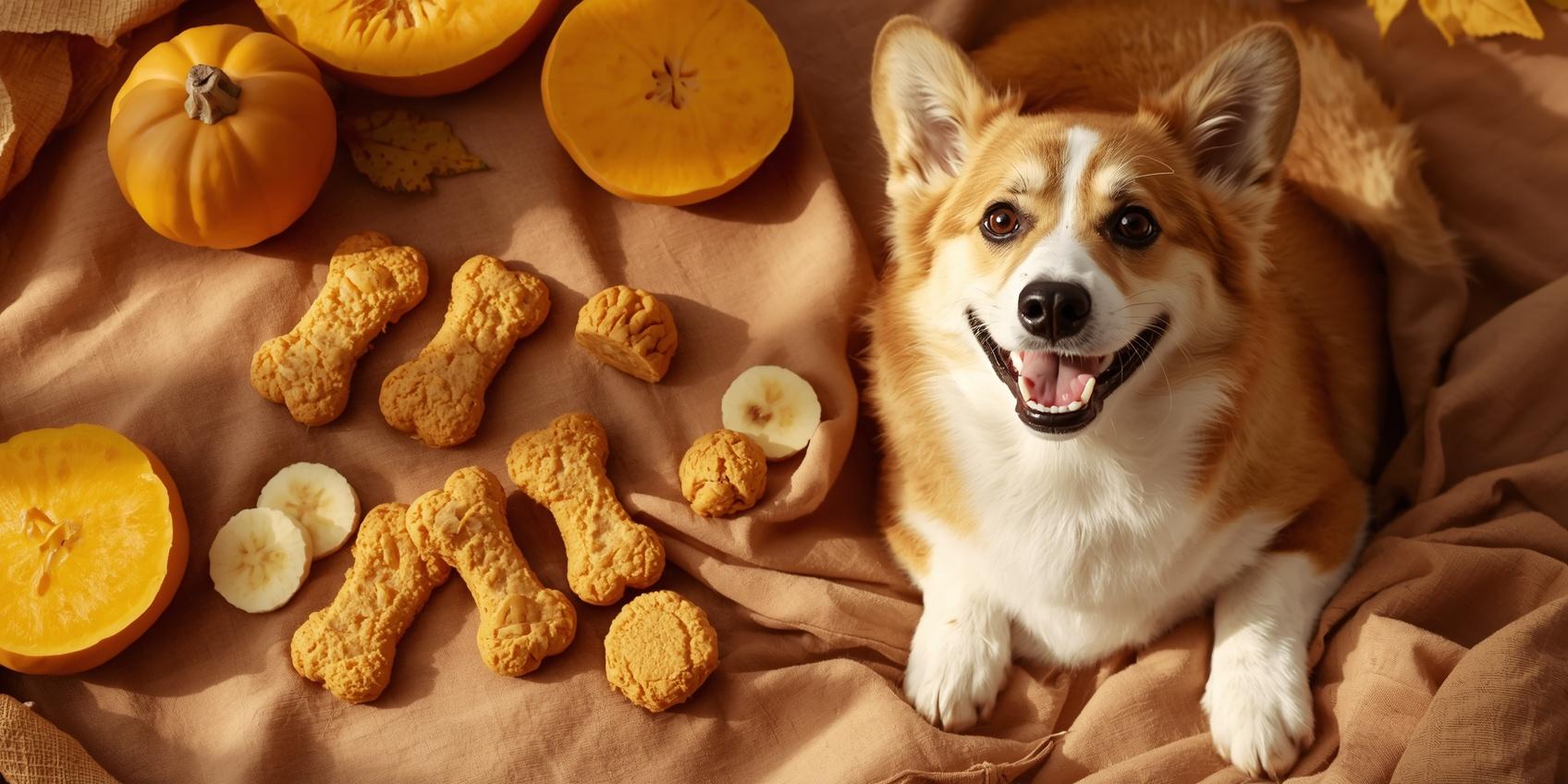
If you love spoiling your furry friend with healthy snacks, you’re going to want to try making Pumpkin Banana Dog Treats. These tasty bites are packed with natural ingredients that support your dog’s health and taste buds. Imagine giving your pup a treat that’s not only delicious but also good for their digestion and energy. Keep reading, and you’ll discover a simple recipe that turns just a few ingredients into a snack your dog will beg for every time. Your dog deserves the best—let’s make treats that show you care. Credit: spoiledhounds.com Benefits Of Pumpkin And Banana For Dogs Pumpkin and banana are popular ingredients in homemade dog treats. Both offer natural benefits that support your dog’s health. These fruits provide essential nutrients and aid digestion. They make dog treats tasty and nutritious. Using pumpkin and banana in treats is a smart choice for pet owners. They are easy to digest and gentle on your dog’s stomach. Dogs enjoy the natural sweetness without added sugar. These fruits help keep your dog healthy and happy. Nutritional Value Of Pumpkin Pumpkin is rich in fiber and vitamins. It contains vitamin A, which supports vision and skin. Pumpkin also has antioxidants that fight free radicals. Its fiber helps regulate digestion and prevent constipation. Low in calories, pumpkin suits dogs on a diet. It is a natural source of important minerals like potassium. Health Perks Of Bananas Bananas offer potassium and vitamin C. Potassium helps maintain healthy muscles and nerves. Vitamin C boosts the immune system. Bananas provide energy through natural sugars. They contain fiber to aid digestion. The soft texture is easy for dogs to chew. Bananas are a good treat for sensitive stomachs. Why These Ingredients Are Dog-friendly Both pumpkin and banana are safe for dogs in moderation. They contain no harmful additives or artificial ingredients. Their natural fibers support gut health and regular bowel movements. These fruits are gentle and rarely cause allergies. Dogs enjoy the mild, sweet taste naturally. They help improve digestion and provide essential nutrients. Using them in treats keeps dogs healthy without extra chemicals. Essential Ingredients For Treats Making pumpkin banana dog treats starts with picking the right ingredients. These two main items provide taste and nutrition. Good choices lead to healthy, tasty snacks your dog will love. Let’s explore what makes the best pumpkin and bananas for your dog treats. Choosing Fresh Vs. Canned Pumpkin Fresh pumpkin has a rich flavor and natural moisture. It adds softness to your treats. Canned pumpkin is easy to use and lasts longer. Pick plain canned pumpkin, not pumpkin pie mix. The mix contains spices harmful to dogs. Both forms provide fiber and vitamins. Selecting Ripe Bananas Ripe bananas are sweet and soft. They mash easily into the batter. Avoid green or very brown bananas. Green ones taste bitter; brown ones are mushy. A firm, yellow banana with small brown spots works best. Bananas give energy and potassium for dogs. Additional Ingredients To Enhance Flavor Simple extras can improve taste and nutrition. Use natural peanut butter without xylitol. Add oats for fiber and texture. A little cinnamon adds aroma without spice. Plain yogurt boosts probiotics and creaminess. Always keep ingredients safe and dog-friendly. Step-by-step Recipe Making Pumpkin Banana Dog Treats at home is simple and fun. This step-by-step recipe guides you through each stage. You will prepare ingredients, mix and shape the dough, then bake perfect treats for your dog. Follow along for tasty, healthy snacks your pet will enjoy. Preparing The Ingredients Gather fresh pumpkin puree and ripe bananas. Use plain flour or oat flour for a gentle option. Add an egg to bind the dough. Measure all ingredients carefully for the best texture. Keep the pumpkin and banana mashed smooth before mixing. Mixing And Shaping The Dough Combine pumpkin, banana, and egg in a bowl. Slowly add flour and stir until dough forms. Avoid overmixing to keep dough soft. Roll dough on a floured surface. Use cookie cutters or shape small balls by hand. Make even sizes for uniform baking. Baking Tips And Timing Preheat the oven to 350°F (175°C). Place treats on parchment-lined baking sheets. Bake for 20 to 25 minutes until golden and firm. Let treats cool completely before serving. Store in an airtight container to keep fresh longer. Credit: www.sparklesofsunshine.com Storage And Shelf Life Storing Pumpkin Banana Dog Treats properly keeps them fresh and tasty longer. Good storage helps keep the treats safe for your dog to eat. Knowing how long they last prevents waste and saves money. Proper Cooling And Packaging Let the treats cool completely after baking. Warm treats can cause moisture buildup. This leads to mold and spoilage. Store the treats in an airtight container. Use containers that block air and moisture. Plastic or glass containers with tight lids work well. Wrap treats in parchment paper for extra protection. Refrigeration Vs. Freezing Refrigerate treats to keep them fresh for 1 to 2 weeks. Keep the container sealed to avoid odors. Freeze treats for longer storage, up to 3 months. Freeze in small portions for easy thawing. Thaw treats at room temperature before serving. Avoid refreezing thawed treats to keep quality high. Signs Of Spoilage Check treats before giving them to your dog. Look for mold or white spots on the surface. Smell the treats for any sour or off odors. Feel the texture; soft or sticky treats may be bad. Discard any treat that looks or smells unusual. Fresh treats keep your dog safe and healthy. Customizing Treats For Your Dog Making pumpkin banana dog treats at home gives you full control over ingredients. You can tailor each batch to fit your dog’s needs and tastes. Customizing treats makes snack time healthier and more enjoyable for your pet. It also helps avoid unwanted ingredients that may cause allergies or upset stomachs. Adding Supplements And Extras Boost nutrition by adding supplements like fish oil or powdered greens. These extras support your dog’s coat and immune system. You can mix in small amounts … Read more

Salmon Dog Food Recipes: Easy Nutritious Meals Dogs Devour

Salmon Dog Food Recipes

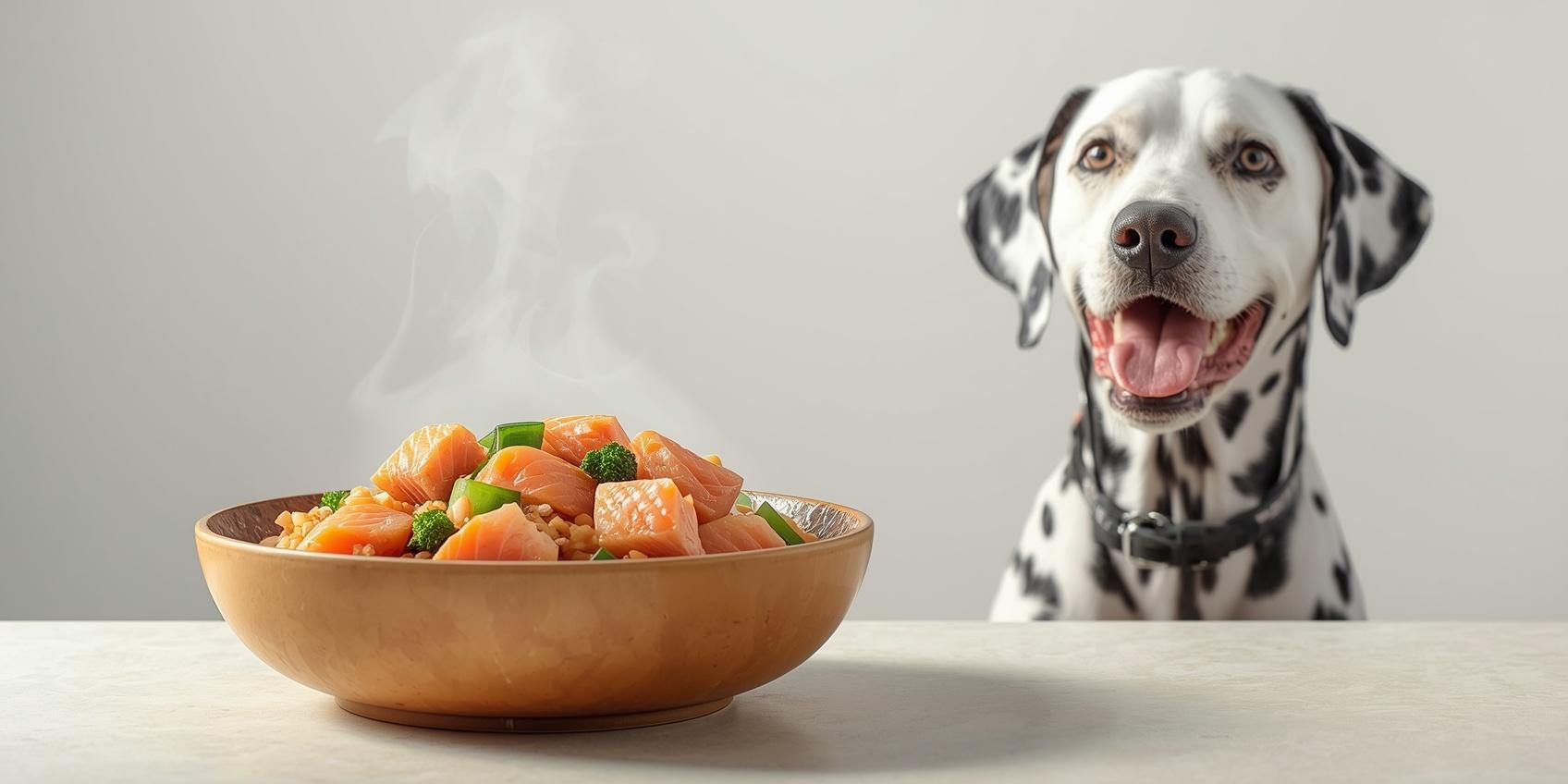
If you want to give your dog a healthy, tasty meal, salmon dog food recipes are a great choice. Salmon is packed with nutrients that support your dog’s skin, coat, and overall health. Imagine making meals your dog will love, using simple ingredients you can trust. You’ll find easy-to-follow recipes that will keep your furry friend happy and energized. Ready to make mealtime exciting and nutritious? Keep reading to discover how salmon can transform your dog’s diet. Benefits Of Salmon In Dog Food Salmon is a popular ingredient in dog food recipes. It offers many health benefits for dogs. Including salmon in your dog’s diet can improve their overall well-being. Salmon provides important nutrients that support various body functions. Many dog owners choose salmon to keep their pets healthy and happy. The fish is easy to digest and tastes great to dogs. It also helps meet your dog’s nutritional needs naturally. Rich Omega-3 Fatty Acids Salmon is full of omega-3 fatty acids. These fats help reduce inflammation in the body. Omega-3 supports brain health and sharpens memory. It also promotes healthy joints and eases stiffness. Dogs with allergies or skin issues often improve with omega-3. High-quality Protein Source Salmon provides excellent protein for dogs. Protein builds strong muscles and repairs tissues. It also supports energy and stamina. High-quality protein helps maintain a healthy weight. Salmon protein is easy for dogs to digest and absorb. Supports Skin And Coat Health Salmon improves the skin and coat of dogs. The oils keep skin hydrated and soft. Salmon helps reduce itching and dryness. A shiny coat shows a healthy dog inside. Feeding salmon can make your dog’s coat look thicker and glossier. Choosing The Right Salmon Choosing the right salmon for dog food recipes matters a lot. It affects taste, nutrition, and your dog’s health. Salmon comes in different types and forms. Each has pros and cons to consider before cooking. Wild Vs. Farmed Salmon Wild salmon lives in natural oceans and rivers. It eats a natural diet and swims freely. Wild salmon has more nutrients and fewer chemicals. Farmed salmon grows in fish farms. It may have added antibiotics and lower nutrients. Wild salmon is usually better for your dog’s health. Fresh Vs. Canned Salmon Fresh salmon is raw or cooked and tastes great. It keeps more nutrients but spoils quickly. Canned salmon lasts longer and is easy to store. It often contains bones, which add calcium. Choose fresh salmon for special meals. Use canned salmon for quick and simple recipes. Sustainability Considerations Salmon fishing affects the environment. Wild salmon can face overfishing risks. Farmed salmon can cause pollution and disease in water. Look for labels that show eco-friendly practices. Sustainable salmon supports healthy oceans and future supplies. Good choices protect nature and your dog’s food quality. Basic Salmon Dog Food Recipe Salmon is a healthy choice for dog food. It offers good fats and protein. This basic salmon dog food recipe is easy to make at home. It keeps your dog’s meals fresh and nutritious. The recipe uses simple ingredients that your dog will love. Preparing this food yourself helps you control what goes into it. This way, your dog eats well and stays happy. Ingredients Needed Step-by-step Preparation Storage Tips Salmon And Vegetable Mixes Salmon and vegetable mixes make healthy meals for dogs. They combine protein and fiber in one bowl. This mix supports digestion and keeps dogs full longer. Vegetables add vitamins and minerals that help dogs stay strong. Salmon brings omega-3 fatty acids. These fats promote shiny coats and good brain function. Adding Sweet Potatoes Sweet potatoes provide energy and fiber. They are easy to digest and gentle on the stomach. Cook the sweet potatoes until soft. Then, cut them into small pieces for your dog. Mix sweet potatoes with cooked salmon for a tasty blend. Dogs enjoy the natural sweetness. This mix helps maintain healthy digestion and energy levels. Incorporating Green Beans Green beans add crunch and vitamins. They are low in calories and high in fiber. Steam or boil green beans before adding them to the mix. Chop them into bite-sized pieces. Combine green beans with flaked salmon for a balanced meal. The beans support weight control and improve digestion. Dogs love the fresh texture and mild taste. Using Carrots And Peas Carrots and peas are colorful and nutritious. Carrots offer vitamin A for eye health. Peas provide protein and fiber. Cook the peas and carrots until soft. Mix these vegetables with salmon to create a flavorful dish. The combination supports immune health and energy. Dogs enjoy the sweet and fresh flavors together. Salmon Treats And Snacks Salmon treats and snacks make tasty, healthy rewards for dogs. These snacks are rich in omega-3 fatty acids. They support shiny coats and strong joints. Salmon is also easy to digest and gentle on the stomach. Homemade salmon snacks ensure your dog gets fresh, natural ingredients. Salmon Jerky Salmon jerky is a chewy, protein-packed snack. Slice fresh salmon thinly and dry it in the oven. It takes a few hours at low heat. The result is a flavorful treat that lasts long. Salmon jerky is easy to carry on walks or trips. Salmon Bites Salmon bites are small, soft treats perfect for training. Mix cooked salmon with a little rice or sweet potato. Shape into bite-sized balls and bake briefly. These snacks are gentle on teeth and easy to eat. Dogs love the rich salmon taste in every bite. Frozen Salmon Treats Frozen salmon treats cool dogs down on hot days. Blend salmon with plain yogurt or pureed vegetables. Pour into ice cube trays and freeze until solid. These icy snacks refresh and hydrate pets. They also help soothe teething puppies’ sore gums. Credit: www.pookspantry.com Safety Tips For Feeding Salmon Salmon is a healthy choice for dog food recipes. It contains omega-3 fatty acids that support a shiny coat and strong joints. Feeding salmon safely is important to keep dogs healthy and happy. Follow these safety tips to … Read more

Homemade Halloween Dog Treats: Easy Spooky Recipes Dogs Love

Homemade Halloween Dog Treats

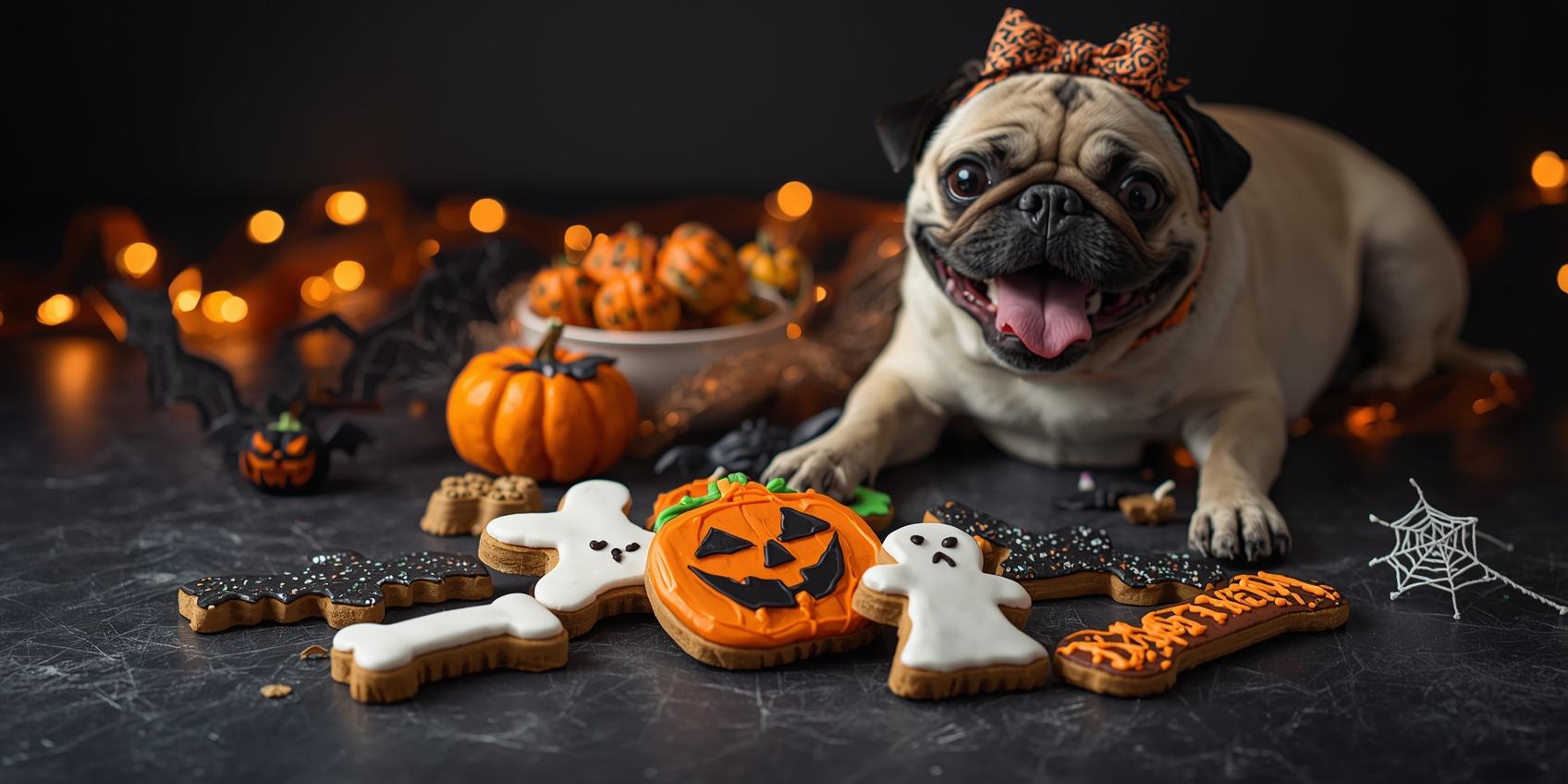
Halloween is a special time for you and your furry friend to celebrate together. But while you’re picking out costumes and treats for yourself, what about your dog? Homemade Halloween dog treats are a fun, safe way to include your pet in the festivities. Imagine giving your dog tasty snacks made with ingredients you trust, without the worry of harmful additives. You’ll discover simple recipes that will make your dog’s tail wag with joy—and keep them healthy too. Ready to treat your best friend to something truly special this Halloween? Keep reading! Credit: hutchpaving.com Ingredients For Dog Treats Choosing the right ingredients for homemade Halloween dog treats matters a lot. Healthy ingredients keep dogs happy and safe. Using natural and simple items helps make tasty treats. Avoid anything that can upset your dog’s stomach or cause harm. Pick ingredients that are easy to digest and full of nutrition. Many common kitchen items work well for dog treats. Fresh fruits, vegetables, and whole grains often make great bases. It is best to know what is safe and what is not. Safe Ingredients To Use Plain pumpkin is a top choice. It helps digestion and adds flavor. Peanut butter without xylitol is a favorite. Dogs love the taste and texture. Oats and whole wheat flour provide good energy. Sweet potatoes offer vitamins and fiber. Carrots add crunch and natural sweetness. Eggs work as a binder and protein source. Plain yogurt gives calcium and aids digestion. Avoiding Harmful Foods Chocolate is toxic to dogs and must never be used. Grapes and raisins cause kidney problems. Onions and garlic hurt red blood cells. Nuts like macadamia can cause weakness and tremors. Artificial sweeteners, especially xylitol, are deadly. Raw dough with yeast can expand and block the stomach. High salt or sugar harms your dog’s health. Always double-check ingredients before baking treats. Credit: www.dalmatiandiy.com Simple Treat Recipes Making homemade Halloween dog treats is fun and easy. Simple recipes use safe, healthy ingredients. You can prepare tasty snacks your dog will love. These treats are perfect for the spooky season. Pumpkin And Peanut Butter Biscuits Mix 1 cup pumpkin puree with 1/2 cup peanut butter. Add 2 cups whole wheat flour and 1 egg. Stir until dough forms. Roll out and cut into shapes. Bake at 350°F for 20 minutes. Let cool before serving. Sweet Potato Chews Slice sweet potatoes into thin strips. Place on a baking sheet. Bake at 250°F for 3 hours. Turn halfway through baking. Let cool until chewy. These chews are healthy and tasty. Apple Cinnamon Bites Combine 1 cup oats, 1/2 cup unsweetened applesauce, and 1/2 teaspoon cinnamon. Mix well. Form small balls and flatten. Place on a baking sheet. Bake at 350°F for 15 minutes. Cool before giving to your dog. Baking Tips Baking homemade Halloween dog treats is fun and rewarding. Getting the baking right makes treats tasty and safe for dogs. Small changes in oven settings or timing can affect the texture and flavor. Proper storage keeps treats fresh longer. These tips help you bake perfect treats every time. Oven Settings And Timing Preheat the oven to the correct temperature. Most dog treats bake well at 325°F (160°C). Use the middle rack for even heat. Set a timer and check treats early to avoid burning. Bake until treats are firm but not too hard. Let them cool completely on a wire rack before serving. Storage And Shelf Life Store treats in an airtight container to keep moisture out. Keep the container in a cool, dry place. Homemade treats usually last one to two weeks. For longer storage, freeze treats in a sealed bag. Thaw them before giving to your dog. Always check for mold or bad smell before use. Decorating Ideas Decorating homemade Halloween dog treats makes them extra special. It shows your love and care for your furry friend. Simple decorations can turn plain treats into festive snacks. Use safe ingredients and easy techniques to keep it fun and healthy. Natural Coloring Options Use natural colors to keep treats safe and tasty. Beet juice adds a bright red shade. Pumpkin puree gives an orange tint. Spinach powder works well for green coloring. Turmeric offers a warm yellow color. Mix these into the dough or brush on after baking. Avoid artificial dyes that may harm pets. Fun Halloween Shapes Choose shapes that match the spooky theme. Bones, pumpkins, bats, and ghosts are popular choices. Use cookie cutters for clean, sharp shapes. Hand-cut shapes work fine too. Try layering small shapes for extra fun. These shapes make treats look festive and inviting. Safety Precautions Homemade Halloween dog treats are a fun way to celebrate with your pet. Safety is key when making and giving these treats. Dogs have different needs than humans. Some ingredients can harm them. Careful steps keep your dog happy and healthy during Halloween. Allergy Awareness Check your dog’s allergies before making treats. Some dogs react badly to common foods like wheat or dairy. Use simple ingredients that your dog knows. Avoid chocolate, grapes, onions, and anything toxic to dogs. Watch for signs of allergies after eating, like itching or vomiting. Stop feeding the treat if you see these signs. Portion Control Give treats in small amounts. Too many treats can upset your dog’s stomach. Treats should not replace regular meals. Use treats as a reward or special snack. Small pieces are easier to digest and less likely to cause weight gain. Keep treats balanced with your dog’s daily diet. Credit: www.dalmatiandiy.com Treat Packaging Packaging homemade Halloween dog treats is just as important as baking them. It keeps the treats fresh and safe. It also makes the gift look special. Thoughtful packaging shows care and adds fun to the Halloween spirit. Creative Wrapping Ideas Use clear cellophane bags to show off the treats inside. Tie the bags with orange or black ribbon for a Halloween touch. Small mason jars with a festive label also work well. Wrap treats in tissue paper with spooky prints. Use … Read more

Spay or Neuter Surgery: Essential Guide for Pet Owners

Spay or Neuter Surgery

If you have a pet, you’ve probably heard about spay or neuter surgery. But do you really know why it’s so important for your furry friend? This simple procedure can protect your pet’s health, improve their behavior, and even help control the pet population. Understanding what spay or neuter surgery involves and how it benefits your pet will help you make the best choice for their well-being. Keep reading to discover everything you need to know to keep your companion happy and healthy. Benefits Of Spaying And Neutering Spaying and neutering pets offer many important benefits. These surgeries help keep pets healthy and calm. They also play a key role in controlling the number of homeless animals. Understanding these benefits can help pet owners make smart choices for their furry friends. Health Advantages Spaying and neutering lower the risk of certain cancers. Females have less chance of uterine infections and breast tumors. Males avoid testicular cancer and some prostate problems. These surgeries also reduce the risk of painful infections. Pets tend to live longer and healthier lives after surgery. Behavioral Improvements Neutered pets often show less aggression. They are less likely to roam far from home. Spayed females do not go into heat, avoiding related behaviors. These changes make pets easier to train and live with. Calm pets create a safer and happier home environment. Population Control Spaying and neutering prevent unwanted litters. This helps reduce the number of homeless animals. Shelters become less crowded and can care better for pets. Fewer stray animals mean less risk of disease spread. Controlling the population saves many lives and resources. Credit: vetmed.illinois.edu When To Schedule Surgery Deciding the right time for spay or neuter surgery is important for your pet’s health. The timing affects recovery and long-term benefits. Knowing when to schedule helps avoid risks and supports your pet’s growth. Veterinarians recommend certain ages based on species and breed. Your pet’s size and health also play a role in timing the surgery. Watch your pet closely to know when they are ready. Ideal Age For Pets Most pets can have surgery between four and six months old. This age allows them to grow strong before the procedure. Smaller breeds may have surgery earlier, while larger breeds might wait longer. Puppies and kittens often heal faster at this age. Early surgery helps prevent unwanted behaviors and health issues. Signs Your Pet Is Ready Your pet should be healthy and active before surgery. They need to eat well and have no infections. A calm temperament helps during recovery. Check with your vet if your pet has any health problems. Clear eyes, normal breathing, and good energy are good signs. Your vet will examine your pet to confirm readiness. Surgical Procedure Details Spay or neuter surgery is a common procedure for pets. It helps control pet populations and improves health. Understanding the surgical steps can reduce fear. Knowing what happens during surgery makes the process clearer. What Happens During Surgery The surgery starts with a small cut near the pet’s belly. For females, the vet removes the ovaries and uterus. For males, the vet removes the testicles. The surgery usually takes less than an hour. The vet carefully closes the cut with stitches. The pet wakes up slowly in a quiet room. The vet watches the pet to make sure it feels okay. Most pets go home the same day. Types Of Anesthesia Used Pets receive anesthesia to stay calm and pain-free. The vet uses general anesthesia, which makes pets sleep deeply. This stops pain and movement during surgery. Before surgery, the vet may give a mild sedative. This helps pets relax before anesthesia. After surgery, pain medicine helps pets heal comfortably. The vet chooses safe drugs for each pet. Risks And Complications Spay or neuter surgery is a common procedure for pets. It helps control the animal population and can improve health. Like all surgeries, it carries some risks and possible complications. Knowing these helps pet owners prepare and care for their pets better. Common Side Effects Some side effects happen often but are usually mild. Pets may feel sleepy or tired for a day or two. Swelling or bruising near the surgery site can occur. Mild bleeding or scabbing is normal as the wound heals. Pets might lose their appetite for a short time. These effects generally go away within a few days. Monitoring the pet closely can catch any problems early. Rare But Serious Issues Serious complications are rare but need quick attention. Infection at the surgery site can happen if bacteria enter the wound. Signs include redness, swelling, and discharge. Internal bleeding is another risk, causing weakness or pale gums. Some pets may react badly to anesthesia with breathing or heart problems. A vet should be called immediately if any unusual symptoms appear. Early treatment can prevent worse outcomes. Post-surgery Care Post-surgery care is very important after spay or neuter surgery. Proper care helps pets heal faster. It also prevents infections and other problems. Owners should follow the vet’s advice closely. The right care makes a big difference in recovery. Recovery Tips Keep your pet calm and quiet for several days. Avoid running, jumping, or rough play. Use a clean, soft bed in a quiet room. Check the surgery site daily for redness or swelling. Do not let your pet lick or bite the area. Use an Elizabethan collar if needed. Give all medicines exactly as the vet says. Offer small meals at first, then normal food after 24 hours. Keep water available at all times. Monitoring For Problems Watch for signs of infection like redness, swelling, or bad smell. Notice if your pet has fever or seems very tired. Look for unusual bleeding or discharge from the surgery site. Check if your pet stops eating or drinking. Monitor for vomiting or diarrhea. Contact your vet right away if any problems appear. Early action can prevent serious issues. Keep a close eye on your pet’s behavior every day. Cost And … Read more

Trimming Your Cavalier’s Nails: Essential Safe Steps Guide

Trimming Your Cavalier's Nails

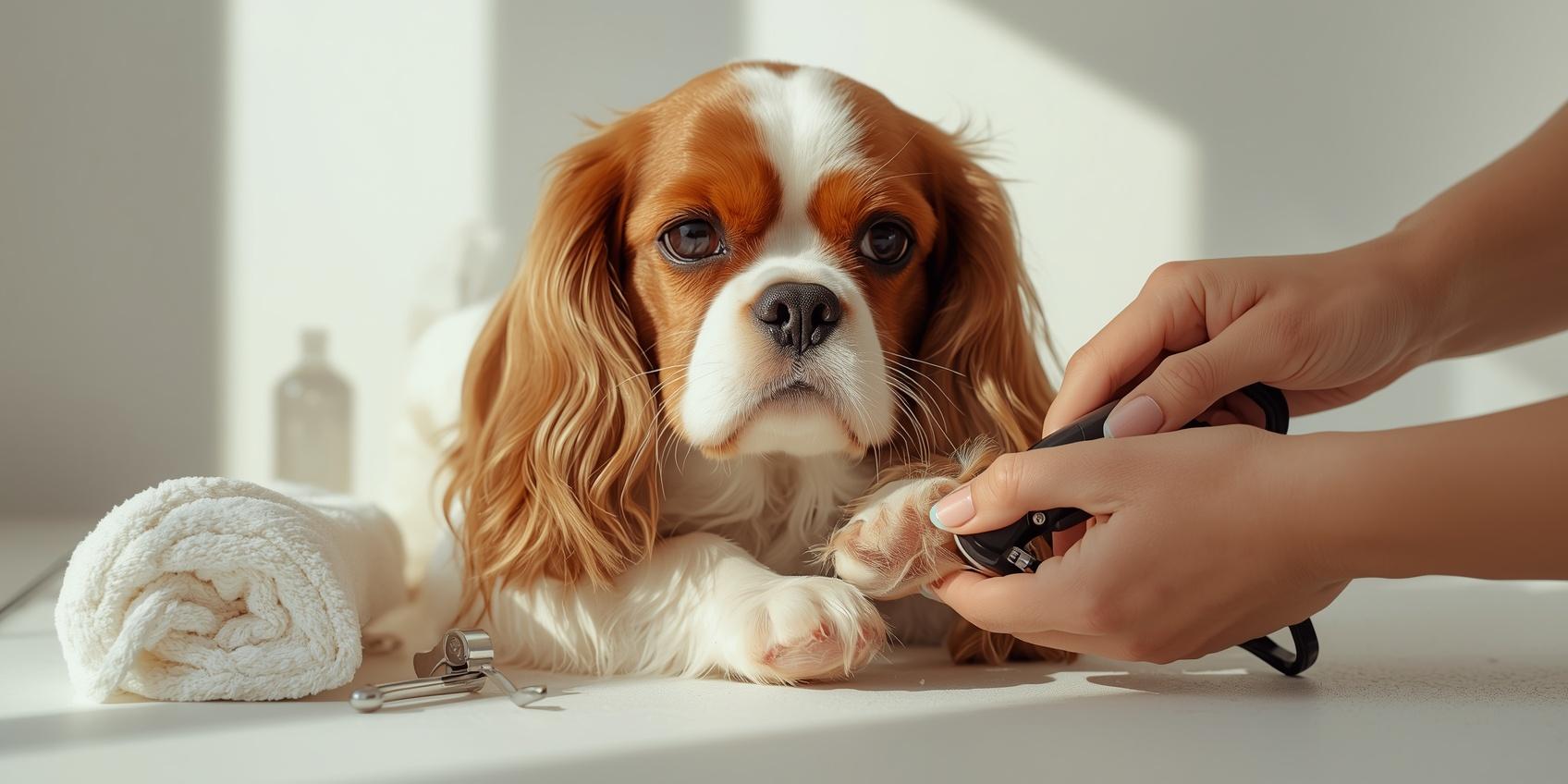
Taking care of your Cavalier’s nails is more important than you might think. If you’ve ever noticed your dog scratching the floor or heard clicking sounds when they walk, their nails might be too long. Trimming your Cavalier’s nails not only keeps them comfortable but also helps prevent pain and injuries. But if you’re unsure how to do it right, don’t worry—you’re in the right place. Keep reading, and you’ll learn simple, safe steps to make nail trimming easy and stress-free for both you and your furry friend. Credit: www.youtube.com Why Nail Care Matters Trimming your Cavalier’s nails is more than just grooming. It keeps your dog healthy and happy. Nails that grow too long can cause pain and other problems. Regular nail care helps avoid these issues. Understanding why nail care matters makes it easier to keep up with this task. Health Benefits Long nails can hurt your Cavalier’s paws. They may cause cracks or infections. Nails that grow too much can change the way your dog walks. This leads to joint pain and muscle strain. Keeping nails short helps your dog move comfortably. It also reduces the risk of injuries during play or walks. Behavioral Impact Dogs with long nails often feel uncomfortable. They might lick or bite their paws more. Discomfort can make your Cavalier restless or nervous. Trimming nails keeps your dog calm and relaxed. A happy dog behaves better and enjoys time with you. Nail care helps your dog feel good inside and out. Tools You’ll Need Trimming your Cavalier’s nails needs the right tools. Using proper equipment makes the task safe and easy. These tools help avoid pain and injury for your dog. Prepare everything before you start for a smooth process. Types Of Nail Clippers There are three main types of nail clippers. Guillotine clippers have a small hole to place the nail. A blade then slices the tip quickly. Scissor clippers look like scissors but with strong blades. They work well for small to medium nails. Electric grinders file the nails down slowly. They are quiet and reduce the chance of cutting too short. Choose clippers that fit your dog’s nail size. Sharp blades make clean cuts. Dull tools can crush the nails and cause pain. Additional Supplies Keep some extra supplies close by. A styptic powder helps stop bleeding if you cut too deep. Nail files smooth rough edges after clipping. Treats reward your dog and make them calm. A towel or blanket can help hold your dog steady. Good lighting is important to see the nail clearly. Preparing Your Cavalier Preparing your Cavalier for nail trimming helps make the process smooth. Calm and comfort are key. A relaxed dog is easier to handle and less stressed. Taking time before trimming helps your dog feel safe and ready. Start by creating a quiet space. No loud noises or distractions. This keeps your Cavalier focused and calm. Gather all tools before you begin. This avoids interruptions and sudden movements. Calming Techniques Speak softly to your dog. Use a gentle voice to soothe them. Pet your Cavalier slowly to relax muscles. Offer small treats as rewards. This builds positive feelings about nail care. Try short massage sessions on paws. This gets your dog used to touch. Let them sniff the nail clippers first. Familiar scents reduce fear and anxiety. Proper Positioning Place your Cavalier on a stable surface. Use a non-slip mat for safety. Hold your dog gently but firmly. Support their body to prevent sudden moves. Lift one paw at a time. Keep your grip soft around the paw pads. Avoid squeezing too hard. Position the paw so you see the nails clearly. Credit: www.akc.org Step-by-step Nail Trimming Trimming your Cavalier’s nails keeps them healthy and comfortable. Regular nail care stops pain and prevents damage. The process can be simple with the right steps. Knowing how to trim safely helps you avoid hurting your dog. Identifying The Quick The quick is the pink part inside the nail. It has blood vessels and nerves. Cutting the quick causes pain and bleeding. Light-colored nails show the quick clearly. Dark nails need more care to find it. Look for a small dark spot or stop trimming if you see a white circle. Always trim little by little to avoid cutting the quick. Safe Cutting Methods Use sharp, clean nail clippers made for dogs. Hold your Cavalier’s paw gently but firmly. Trim small pieces of the nail at a time. Stop if the nail feels soft or you see the quick. File the edges after cutting to avoid sharp tips. Praise your dog during and after trimming to keep them calm. Have styptic powder ready to stop bleeding if you cut the quick. Aftercare Tips After trimming your Cavalier’s nails, proper care is very important. It helps keep your dog calm and prevents problems. Small steps after clipping can make a big difference. Take time to check your dog’s paws and nails. Watch for any signs of pain or injury. Keep your dog comfortable and relaxed during this time. Dealing With Bleeding Bleeding can happen if the nail is cut too short. Use a clean cloth to press on the nail gently. This will help stop the bleeding fast. Apply a little styptic powder or cornstarch to the nail tip. These help stop bleeding quickly. Avoid using strong chemicals or creams that may hurt your dog. Keep your dog still and calm during this process. Praise and soft words help reduce their stress. Rewarding Your Dog Give your Cavalier a small treat after nail trimming. This creates a positive link with the experience. Use treats your dog loves, like small pieces of meat or biscuits. Praise your dog with a gentle voice and petting. This builds trust and calmness. Repeat this after every nail trim session. Rewarding helps your dog feel safe and happy next time. It makes future nail trims easier for both of you. How Often To Trim Trimming your Cavalier’s nails is … Read more