Doggy Scout

Three Ingredient Dog Treats: Easy Healthy Recipe Dogs Adore
Three Ingredient Dog Treats

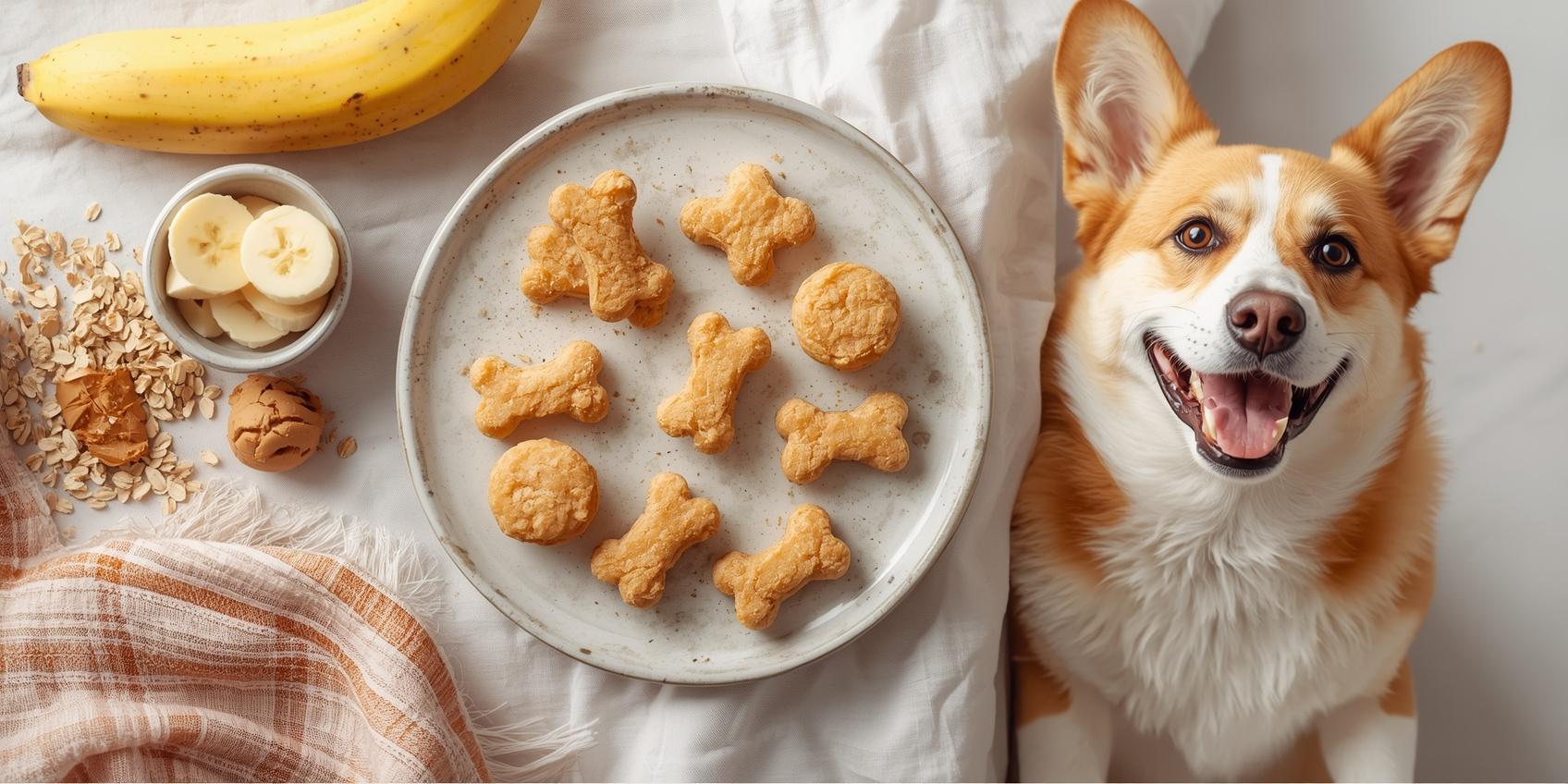
If you want to treat your dog without worrying about hidden chemicals or fillers, making your own dog treats is easier than you think (Only with three ingredient dog treats). Imagine giving your furry friend snacks made from just three simple ingredients you can trust. These easy recipes not only save you money but also let you control exactly what goes into your dog’s diet. Keep reading to discover how simple and rewarding it is to create healthy, delicious treats your dog will love. Benefits Of Simple Dog Treats Simple dog treats with only three ingredients offer many benefits. They are easy to digest and gentle on your dog’s stomach. Fewer ingredients mean fewer chances of allergies or reactions. These treats keep your dog healthy by avoiding unnecessary additives and chemicals. You can trust what goes into each bite. Making treats with simple ingredients also saves money and time. Better For Sensitive Stomachs Dogs with sensitive stomachs need gentle food. Three-ingredient treats reduce the risk of upset stomach. No fillers or artificial ingredients cause less irritation. Your dog can enjoy treats without discomfort. Easy To Understand Ingredients Simple treats use common, natural ingredients. You can quickly read and understand what is inside. This helps you make smart choices for your dog’s health. No confusing chemicals or long lists. Supports Healthy Weight With fewer ingredients, treats usually have fewer calories. This helps control your dog’s weight. You can give treats without worrying about overfeeding. A healthy weight means a happier, more active dog. Great For Training Simple treats break easily and taste good. Perfect for quick rewards during training sessions. Your dog stays motivated without eating too much. Training becomes more effective and fun for both of you. Credit: www.busylittlekiddies.com Choosing The Right Ingredients Choosing the right ingredients for three-ingredient dog treats is key. Simple, natural choices keep treats healthy and tasty. Each ingredient has a role. Protein builds muscles. Carbohydrates provide energy. Binders hold everything together. Protein Options Protein is important for your dog’s health. Good choices include chicken, beef, or fish. These proteins are easy to digest and full of nutrients. You can also use eggs or cottage cheese. They make treats rich and satisfying. Healthy Carbohydrates Carbohydrates give dogs the energy they need. Sweet potatoes and oats are great options. They are gentle on the stomach and full of fiber. Brown rice works well too. These carbs help keep your dog active and happy. Natural Binders Binders hold the treat ingredients together. Pumpkin puree and applesauce are natural and safe choices. They add moisture and a little sweetness. These binders keep treats soft and easy to chew. Easy Recipes With Three Ingredients Easy recipes with three ingredients make dog treats simple and fast. These treats use common ingredients you can find at home. They are healthy and tasty for your dog. No need for fancy items or long steps. These recipes require only three items. Mix, bake, and cool. Your dog will love these homemade snacks. Peanut Butter And Oat Treats Mix 1 cup of oats with 1/2 cup of peanut butter. Add 1/4 cup of water to make a dough. Roll out the dough and cut into shapes. Bake at 350°F for 15 minutes. Let cool before serving. Pumpkin And Rice Bites Combine 1 cup of cooked rice with 1/2 cup pumpkin puree. Add 1 egg to bind the mix. Shape into small balls or patties. Bake at 375°F for 20 minutes. Cool completely for a chewy treat. Sweet Potato Chews Slice 1 large sweet potato into thin strips. Place on a baking sheet in a single layer. Bake at 250°F for 2-3 hours until dry. These chews are healthy and easy to digest. Store in an airtight container. Credit: itdoesnttastelikechicken.com Baking Tips For Perfect Treats Baking three-ingredient dog treats is simple and fun. Small tips can make big differences in texture and taste. Perfect treats come from the right temperature and good storage. Follow these easy baking tips to get soft, crunchy, or chewy treats your dog will love. Keep your kitchen safe and your dog happy with these helpful ideas. Ideal Oven Temperatures Set your oven to 325°F for best results. This temperature cooks treats evenly without burning. Check your treats after 15 minutes. If they need more time, bake in 5-minute steps. Avoid high heat to keep treats soft inside. Lower heat works well for thicker treats. Use an oven thermometer to keep the temperature steady. Storage Suggestions Let treats cool completely before storing. Store them in an airtight container to keep fresh. Keep containers in a cool, dry place. For longer storage, freeze treats in bags. Thaw treats at room temperature before giving them to your dog. Avoid storing treats in warm or humid areas. Proper storage keeps treats tasty and safe for weeks. Safety Considerations Safety is very important when making or buying three-ingredient dog treats. These treats should be healthy and safe for your dog to eat every time. Knowing what to watch out for helps keep your dog happy and healthy. Avoiding Harmful Ingredients Check every ingredient carefully. Avoid anything toxic like chocolate, grapes, or onions. Use only dog-safe foods like pumpkin, peanut butter, and oats. Read labels if you buy treats. Homemade treats give you full control over ingredients. Always choose fresh, natural items without preservatives or artificial flavors. Portion Control Give treats in small amounts. Too many treats can cause weight gain or upset stomachs. Use treats as rewards during training, not as meals. Count how many treats your dog eats daily. Keep treats less than 10% of their total food intake. This helps keep your dog balanced and healthy. Credit: threelittleferns.com Frequently Asked Questions What Are The Best Three Ingredients For Dog Treats? The best three ingredients are usually oats, peanut butter, and pumpkin. These are healthy, natural, and easy to digest. They provide fiber, protein, and essential nutrients for dogs. Can I Use Human Food For Three-ingredient Dog Treats? Yes, you can use safe human … Read more
Superfoods for Dogs: Ultimate Guide to Boost Health & Vitality

Superfoods for Dogs

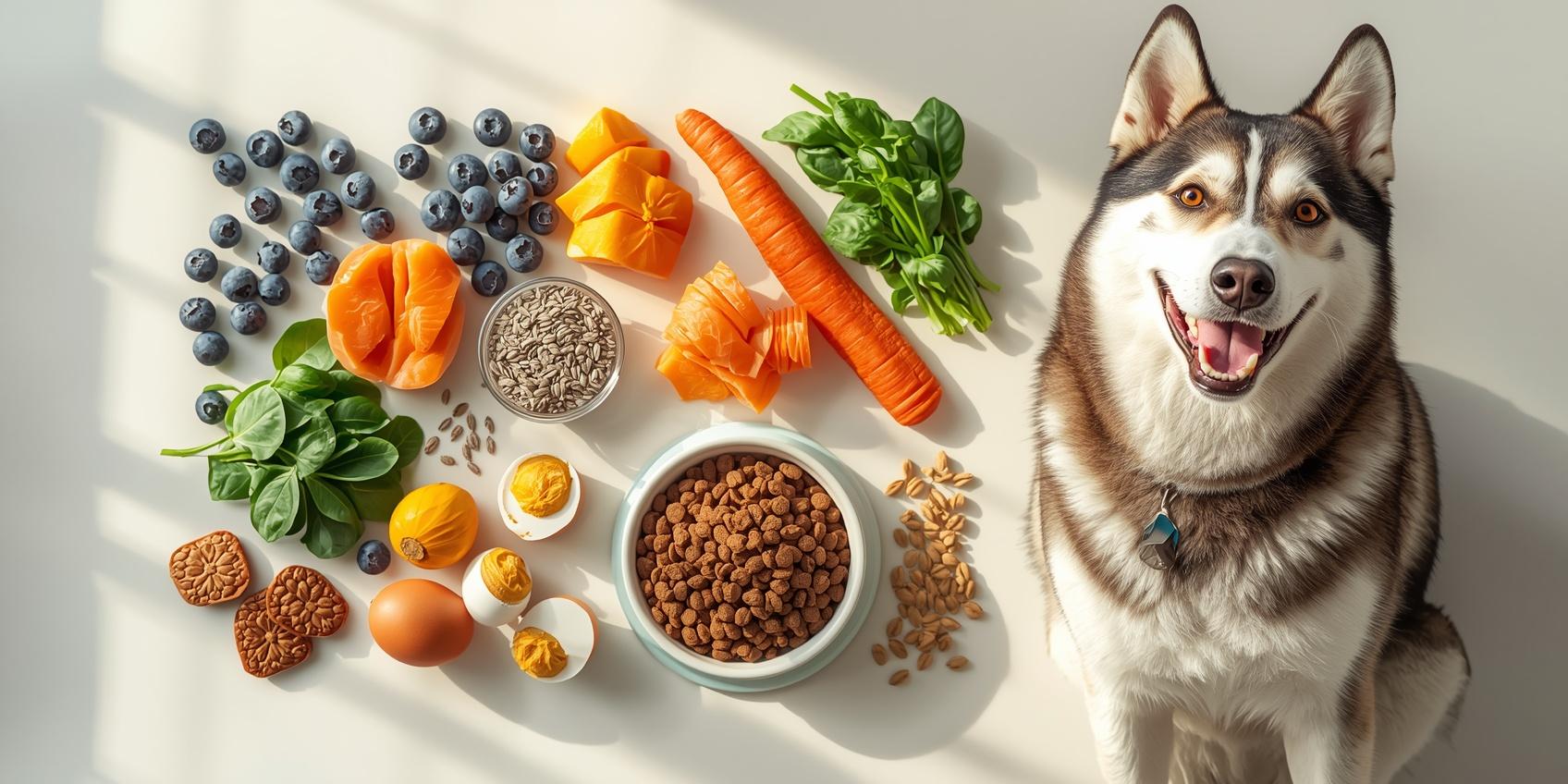
You want the best for your dog, right? Just like you choose healthy foods for yourself, your furry friend needs nutritious meals too. But did you know some foods can boost your dog’s health even more? These are called superfoods. They can improve your dog’s energy, shine their coat, and support their immune system. Keep reading to discover which superfoods can make a real difference in your dog’s life, and how easy it is to add them to their diet. Playful & Light Switch to superfoods for dogs, your pup will be wagging for more! Credit: mywoof.com Benefits Of Superfoods Superfoods offer many benefits for dogs. They provide essential nutrients that support health and vitality. Adding superfoods to your dog’s diet can improve their overall well-being. These nutrient-rich foods help boost the immune system. They also promote healthy skin and a shiny coat. Superfoods give dogs more energy for daily activities. Improved Digestion Superfoods like pumpkin and sweet potatoes are rich in fiber. Fiber helps dogs digest food better. It can reduce stomach upset and promote regular bowel movements. Good digestion means better nutrient absorption. Stronger Immune System Many superfoods contain antioxidants and vitamins. These protect dogs from illness and infections. Blueberries and spinach are great examples. A strong immune system keeps dogs healthy longer. Healthier Skin And Coat Omega-3 fatty acids in fish and flaxseed improve skin health. They reduce itching and dryness. Dogs get a shiny, soft coat that looks great. Healthy skin also means fewer allergies and irritations. Increased Energy And Vitality Superfoods supply natural energy without chemicals. Quinoa and eggs provide protein and essential amino acids. This helps muscles stay strong and active. Dogs feel lively and ready to play. Top Superfoods For Dogs Dogs need good nutrition for a happy, healthy life. Superfoods are natural ingredients packed with vitamins and minerals. They help boost your dog’s energy and support their immune system. Including superfoods in your dog’s diet can improve coat health, digestion, and overall well-being. Blueberries Blueberries are small but full of antioxidants. These antioxidants fight harmful cells in your dog’s body. Blueberries also contain fiber, which helps with digestion. Dogs enjoy their sweet, juicy taste as a treat or mixed in food. Sweet Potatoes Sweet potatoes are a great source of vitamins A and C. They help keep your dog’s eyes and skin healthy. These potatoes also have fiber that supports good digestion. Cooked sweet potatoes are easy to add to your dog’s meals. Salmon Salmon is rich in omega-3 fatty acids. These fats reduce inflammation and improve brain health. Salmon also supports a shiny, soft coat. Feeding cooked salmon can boost your dog’s heart and joint health. Pumpkin Pumpkin is full of fiber and moisture. It helps with both diarrhea and constipation in dogs. Pumpkin also provides vitamins that support eye health. Serve plain, cooked pumpkin to keep your dog’s tummy happy. Kale Kale has many vitamins like A, C, and K. It helps strengthen your dog’s immune system. Kale also contains antioxidants that protect cells. Feed kale in small amounts, cooked or raw, to add nutrients safely. Incorporating Superfoods Into Diet Adding superfoods to your dog’s diet can boost their health and energy. These nutrient-rich foods support their immune system and improve digestion. Introducing superfoods slowly helps your dog adjust without tummy trouble. Choose the right amount and type of superfood for your dog’s size and needs. Watch their reaction and energy levels as you try new foods. Portion Sizes Start with small portions to avoid upsetting your dog’s stomach. A teaspoon or two is enough for small dogs. Larger dogs can have a tablespoon or more. Adjust the amount based on your dog’s weight and response. Too much can cause diarrhea or vomiting. Preparation Tips Always wash fruits and vegetables thoroughly. Cook some foods like sweet potatoes or pumpkin to make them easier to digest. Avoid adding salt, sugar, or spices. Cut foods into small pieces to prevent choking. Plain, fresh, or lightly cooked is best for dogs. Frequency Of Feeding Offer superfoods two to three times a week. This schedule keeps their diet balanced and varied. Feeding daily can cause nutrient overload. Treat superfoods as supplements, not main meals. Monitor your dog’s health and adjust feeding as needed. Credit: www.dogseechew.in Precautions And Allergies Superfoods can improve your dog’s health. They offer vitamins, minerals, and antioxidants. Yet, some dogs may have allergies or bad reactions. Knowing precautions helps keep your dog safe. Watch closely for signs of allergies or upset stomach. Identifying Allergic Reactions In Dogs Allergic reactions vary from mild to severe. Look for itching, redness, or swelling on the skin. Vomiting and diarrhea can also show allergies. Some dogs may cough or sneeze more than usual. Always check for changes after feeding new foods. Introducing Superfoods Slowly Start with a small amount of new superfood. Give it for a few days and watch your dog. If no problems appear, you can increase the amount. Introducing slowly reduces the chance of upset stomach or allergies. Patience is key for safe feeding. Consulting Your Veterinarian Your vet knows your dog’s health history best. Discuss adding superfoods before starting them. Vets can suggest safe options for dogs with allergies. They help spot risks and recommend proper doses. Professional advice keeps your dog healthy and happy. Homemade Superfood Recipes Making homemade superfood recipes for dogs is simple and healthy. These recipes use natural ingredients that boost your dog’s energy and health. You control what goes into their food, avoiding fillers and additives. Homemade meals and treats can help with digestion, coat shine, and overall well-being. Superfood Dog Treats Superfood dog treats combine healthy ingredients and tasty flavors. Use pumpkin, blueberries, and sweet potatoes for vitamins and antioxidants. Mix oats and peanut butter for fiber and protein. Bake small treats for easy snacking. These treats are perfect for training or rewards. Balanced Meals Balanced meals provide dogs with all needed nutrients. Combine lean meats like chicken or turkey with vegetables such as … Read more

Dog Training Treats: Ultimate Guide to Choosing the Best Rewards

Dog Training Treats

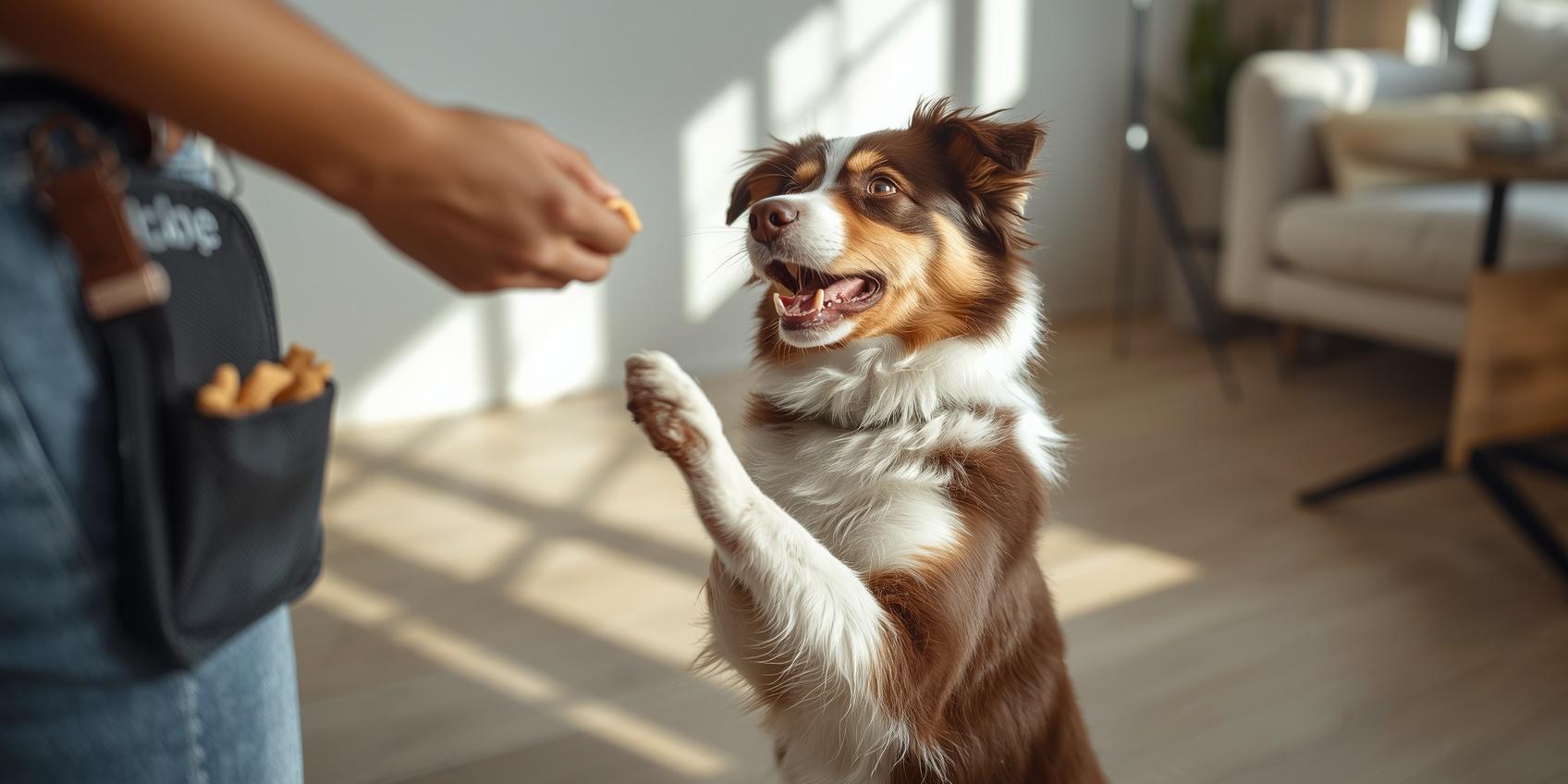
If you want your dog to listen and learn quickly, choosing the right training treats is key. You might think any snack will do, but the truth is, the treats you use can make all the difference in how fast and happily your dog picks up new skills. Imagine your furry friend eagerly responding to your commands, tail wagging, because they know a tasty reward is just a click away. You’ll discover which dog training treats work best, why they matter, and how to use them to get the best results. Keep reading to unlock the secret to easier, more effective training sessions with your dog. Choosing The Right Treats Choosing the right dog training treats is key to successful training. Treats motivate your dog and help them learn new skills fast. The best treats are tasty, healthy, and fit your dog’s needs. Quality treats keep your dog interested and eager to obey commands. Knowing what to pick avoids health problems and makes training fun. Types Of Treats Training treats come in many forms. Soft treats are easy to chew and great for quick rewards. Crunchy treats help keep teeth clean. Freeze-dried treats keep natural flavors and nutrients. Some treats are made from meat, others from vegetables or grains. Choose treats your dog likes and will eat quickly. Ingredients To Avoid Check treat labels carefully. Avoid treats with artificial colors and flavors. Stay away from treats with high sugar or salt. Ingredients like corn syrup and by-products can cause allergies. Some dogs may react to wheat or soy. Pick natural treats with simple ingredients for better health. Treat Size And Texture Size matters. Small treats work best for training sessions. Large treats can slow training and cause weight gain. Texture should match your dog’s chewing ability. Soft treats suit puppies or older dogs. Hard treats are better for strong chewers. Treats that break easily save time and keep your dog focused. Credit: brutusandbarnaby.com Homemade Vs Store-bought Choosing the right dog training treats can affect your pet’s learning. Homemade and store-bought treats both have their place. Each type offers unique benefits and challenges. Understanding these can help you pick the best option for your dog. Benefits Of Homemade Treats Homemade treats let you control all ingredients. You can avoid fillers and artificial additives. This is good for dogs with allergies or sensitivities. Fresh ingredients often taste better to pets. You can customize recipes to suit your dog’s preferences. Making treats at home can also save money. It creates a stronger bond through the effort and care. Plus, homemade treats can be healthier and fresher. Top Store-bought Options Store-bought treats offer convenience and variety. They come in many flavors and sizes. Many brands focus on natural and healthy ingredients. Some treats support dental health or joint care. You can find options for puppies and adult dogs. Packaging makes treats easy to carry during training. Trusted brands often test for safety and quality. It’s easy to buy them anytime at pet stores or online. Safety Considerations Check ingredients carefully for harmful substances. Avoid treats with artificial colors and preservatives. Always consider your dog’s allergies and health issues. Keep treat size small to prevent overeating. Store treats in a cool, dry place to keep freshness. Homemade treats should be cooked properly to avoid bacteria. Watch your dog for any reactions after new treats. Safety is key to effective and happy training. When To Use Treats Using treats at the right time helps dogs learn faster. Treats act as rewards for good behavior. They encourage dogs to repeat those actions. Knowing when to give treats makes training more effective. Timing and amount matter for a happy, healthy dog. Reward Timing Give treats immediately after your dog does the right thing. Dogs link the treat to their action. Waiting too long can confuse your dog. Quick rewards strengthen learning. Use treats right after commands, like sit or stay. Frequency Of Treats Start by giving treats often to teach new tricks. Gradually reduce the treats as your dog learns. Use praise or petting instead of treats sometimes. Too many treats can make your dog expect food all the time. Balance is key to good training habits. Balancing Treats And Meals Count treats as part of your dog’s daily food. Too many treats can cause weight gain. Use small, low-calorie treats during training. Adjust meal portions to avoid overfeeding. Healthy dogs learn better and stay active. Credit: www.amazon.com Training Techniques With Treats Training dogs with treats is a simple and effective method. Treats motivate dogs to learn new behaviors quickly. Using treats properly helps build trust and good habits. This section explains key training techniques with treats. Positive Reinforcement Positive reinforcement means giving a treat when your dog does something right. It encourages your dog to repeat good behavior. For example, give a treat when your dog sits on command. This method creates a happy and willing learner. Always reward immediately so your dog connects the treat with the action. Clicker Training Clicker training uses a small device that makes a clicking sound. Click the device the moment your dog performs the correct action. Then give a treat to mark the good behavior clearly. The clicker acts as a precise signal for your dog. It helps the dog understand exactly what earns the treat. Treat Fading Strategies Treat fading means giving fewer treats over time. Start by rewarding every correct response. Slowly reduce treat frequency but keep giving praise or petting. This teaches your dog to obey without always expecting food. Gradual fading prevents your dog from becoming treat-dependent. Special Dietary Needs Dogs with special dietary needs require treats made just for them. These treats support their health and keep them happy. Choosing the right treat helps avoid health problems. It also makes training more effective and fun. Allergy-friendly Treats Some dogs have allergies to common ingredients like wheat or chicken. Allergy-friendly treats avoid these allergens. They use simple, natural ingredients to reduce the risk of reactions. … Read more

Homemade Meatballs for Dogs: Easy Healthy Recipe Pups Devour

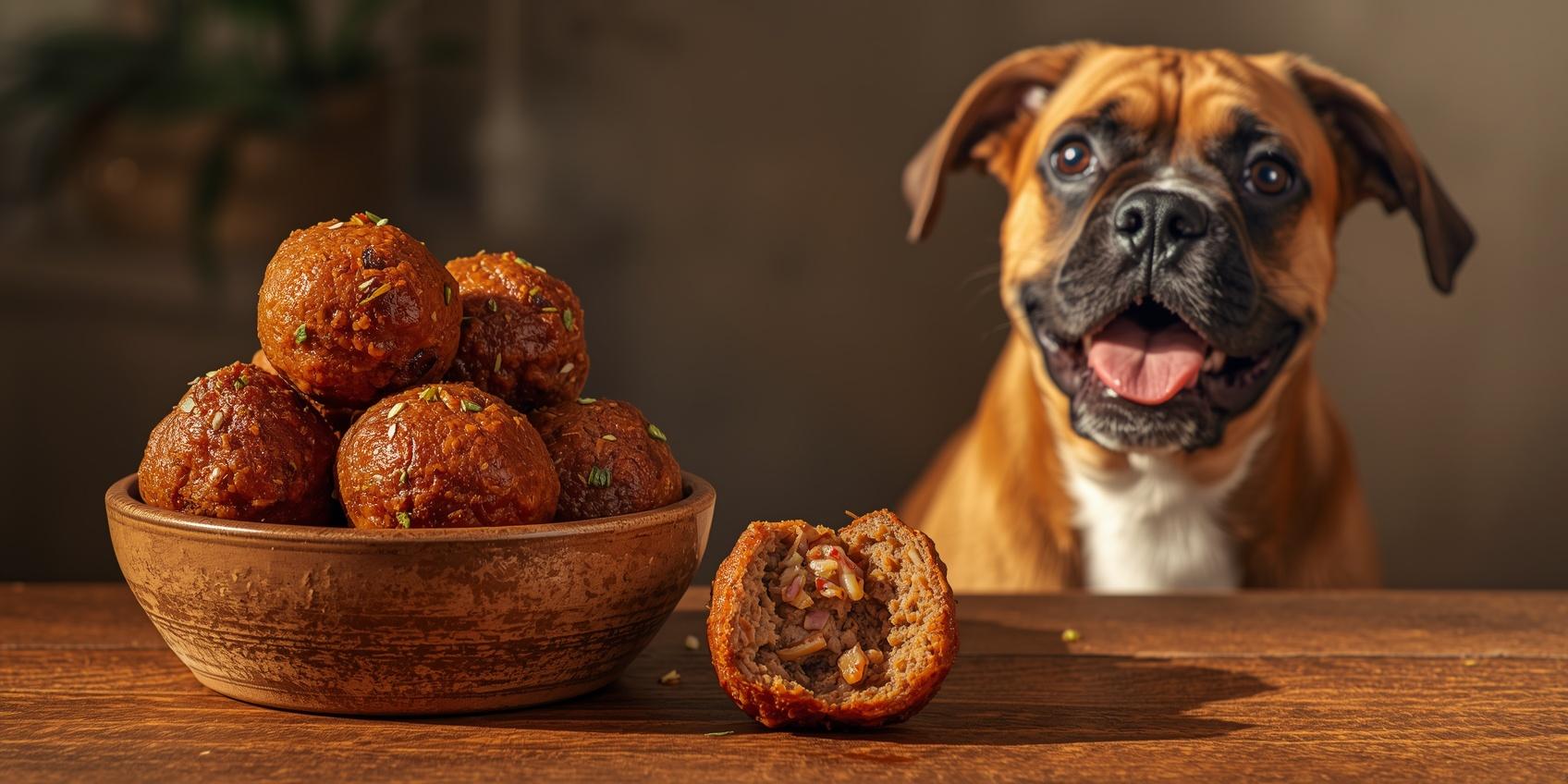
If you love spoiling your furry friend, you’ll want to try making homemade meatballs for dogs. These tasty treats are not only delicious but also packed with ingredients that are healthy and safe for your pup. Imagine seeing your dog’s tail wag with excitement every time you bring out a bowl of these special meatballs. In this post, you’ll discover easy recipes and helpful tips that make cooking for your dog simple and fun. Keep reading to learn how to create meals that show your dog just how much you care. Credit: spoiledhounds.com Benefits Of Homemade Meatballs Homemade meatballs are a great treat for dogs. They offer many benefits compared to store-bought snacks. You can make them fresh using healthy ingredients. Dogs enjoy the taste and texture of meatballs. These treats can improve your dog’s diet and well-being. Making meatballs at home gives you control over what your dog eats. You avoid harmful additives and preservatives. Homemade meatballs also fit different dietary needs. They can be a good source of protein and nutrients. Nutritional Advantages Homemade meatballs contain fresh meat and healthy ingredients. This means more protein for your dog’s muscles. You can add vegetables for vitamins and minerals. No fillers or artificial flavors are included. This makes the meatballs nutritious and healthy. Control Over Ingredients Making meatballs at home lets you choose every ingredient. You can avoid allergens or foods your dog dislikes. This helps keep your dog safe and happy. You decide on the quality of meat and other parts. This control ensures the best food for your pet. Cost-effectiveness Homemade meatballs cost less than many store treats. You buy ingredients in bulk and use what you need. This saves money over time. Making treats at home also reduces waste. It is a budget-friendly way to pamper your dog. Credit: www.pookspantry.com Choosing Dog-friendly Ingredients Choosing the right ingredients for homemade meatballs is key to your dog’s health. Dogs need foods that support their digestion and energy. Using safe, natural items helps keep your pet happy and active. Some ingredients can harm dogs or cause allergies. Knowing which foods are safe makes a big difference. Focus on fresh, simple foods that dogs enjoy and digest well. Safe Proteins Protein is important for muscle and energy. Use lean meats like chicken, turkey, or beef. Fish like salmon is also good. Avoid processed meats with added salt or spices. Plain, cooked meat is best for your dog. Healthy Vegetables Vegetables add vitamins and fiber to meatballs. Use carrots, peas, or green beans. These veggies support digestion and keep dogs healthy. Avoid onions, garlic, and mushrooms. These can be toxic and should never be used. Avoiding Harmful Additives Skip salt, sugar, and artificial flavors. These can hurt your dog’s health over time. No seasonings or sauces with onion or garlic powder. Keep ingredients pure and natural. This ensures safe, tasty treats for your dog. Basic Meatball Recipe Making homemade meatballs for dogs is simple and healthy. This basic recipe uses safe ingredients dogs love. You can prepare tasty treats at home with ease. These meatballs provide good nutrition and satisfy your dog’s cravings. Essential Ingredients Start with lean ground meat like chicken, turkey, or beef. Add cooked rice or oats for fiber and texture. Include finely chopped vegetables like carrots or peas. Use an egg to bind the mixture. Avoid onions, garlic, and spices harmful to dogs. Preparation Steps Mix all ingredients in a large bowl. Stir well until fully combined. Shape the mixture into small balls. Make sure they fit your dog’s size. Place the meatballs on a baking sheet or plate. Cooking Methods Bake the meatballs in the oven at 350°F (175°C) for 20 minutes. Or cook them in a pan with a little water on low heat. Avoid using oil or salt. Let the meatballs cool before serving to your dog. Customizing Flavors And Textures Customizing flavors and textures in homemade meatballs for dogs makes mealtime exciting. Dogs enjoy variety just like people do. Changing ingredients helps meet your dog’s taste and dietary needs. It also keeps your dog interested in their food. Textures can be soft or firm, depending on your dog’s preference. Some dogs like chewy meatballs, while others prefer smooth and tender bites. Adjusting textures also helps with dogs that have dental issues or are very young. Adding Herbs And Supplements Herbs add flavor and health benefits to meatballs. Parsley can freshen breath and support digestion. Turmeric helps reduce inflammation. Use small amounts to avoid strong flavors. Supplements like fish oil add omega-3 fatty acids. These support skin and coat health. Probiotics can improve gut health. Mix powders or capsules into the meatball mix carefully. Avoid herbs or supplements that are toxic to dogs, such as garlic and onion. Adjusting For Dog Size And Age Smaller dogs need smaller meatballs for easy chewing. Large dogs may enjoy bigger portions. Size affects cooking time too. Cook smaller meatballs faster to keep them tender. Older dogs may need softer textures due to dental issues. Puppies need gentle ingredients that are easy to digest. Adjust protein levels based on age and activity. This customization ensures your dog stays healthy and happy. Storage And Serving Tips Storing and serving homemade meatballs for dogs properly keeps them fresh and safe. Proper handling helps maintain taste and nutrition. It also prevents spoilage and waste. Follow these easy tips to store and serve your dog’s treats the right way. Proper Refrigeration Store meatballs in an airtight container or sealed bag. Keep them in the fridge at or below 40°F (4°C). Use refrigerated meatballs within 3 to 4 days. Avoid leaving meatballs out at room temperature for long. This stops bacteria growth and keeps your dog healthy. Freezing Guidelines Freeze meatballs to extend their shelf life. Place them in a freezer-safe container or bag. Separate meatballs with parchment paper to prevent sticking. Label the container with the date. Use frozen meatballs within 2 to 3 months for best quality. Thaw in the fridge … Read more

Homemade Zucchini Dog Treats: Easy Healthy Recipe Dogs Love

Homemade Zucchini Dog Treats

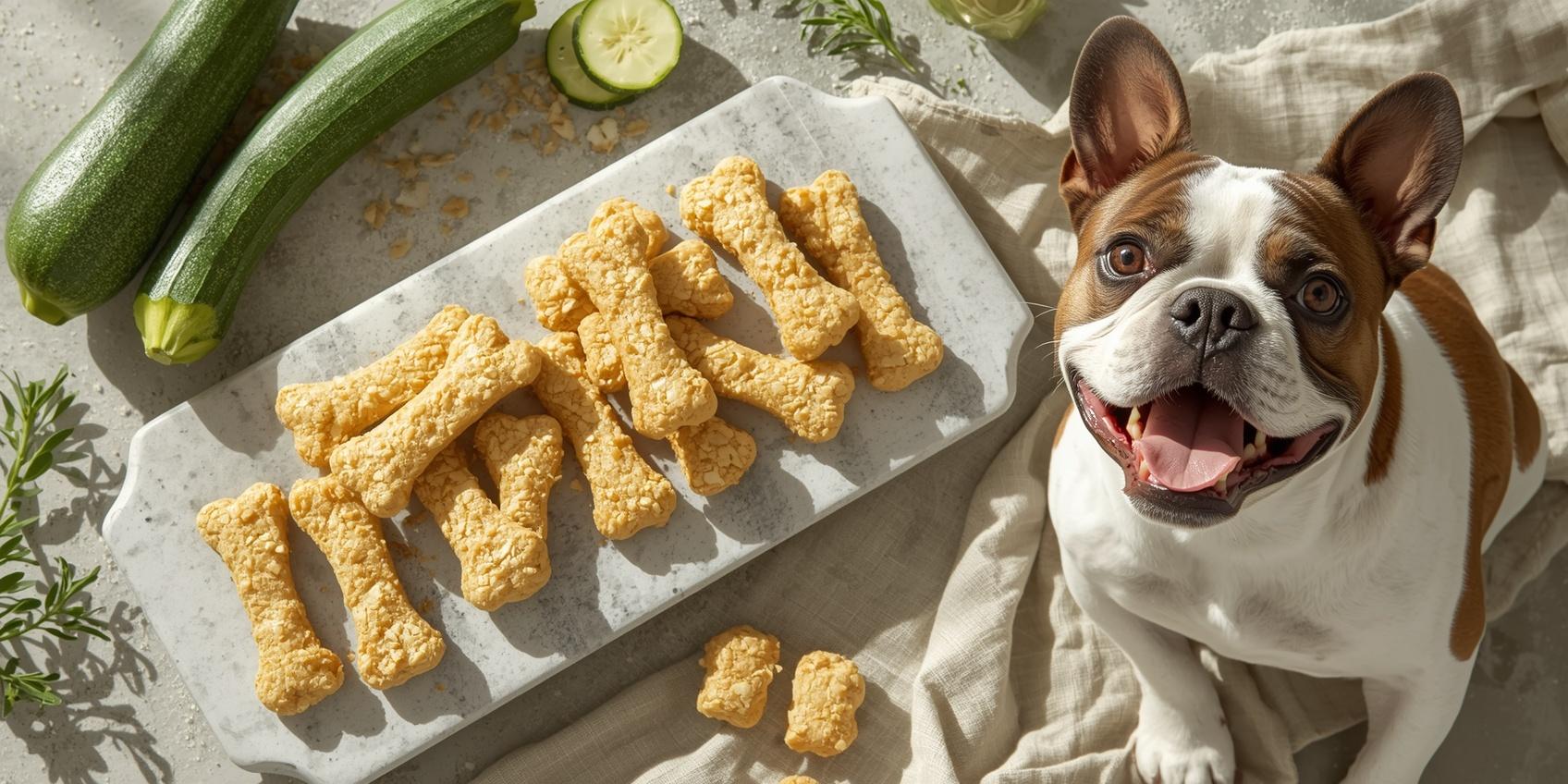
If you love spoiling your furry friend with healthy snacks, homemade zucchini dog treats are a perfect choice. These treats are simple to make, packed with nutrients, and free from any harmful additives. Imagine giving your dog a crunchy, tasty snack that supports their health and shows how much you care. Keep reading to discover an easy recipe that will have your dog wagging their tail for more! Credit: bellyfull.net Benefits Of Homemade Treats Making homemade zucchini dog treats offers many advantages for your pet’s health. You control every ingredient that goes into the snacks. No hidden chemicals or preservatives. Just fresh, natural food that supports your dog’s well-being. Homemade treats often contain fewer calories than store-bought ones. This helps keep your dog at a healthy weight. Zucchini adds vitamins and fiber, which aid digestion. Your dog will enjoy tasty snacks that also improve their health. Better Ingredient Control Choosing ingredients means no fillers or artificial additives. You can avoid allergens and irritants. This is important for dogs with sensitive stomachs or allergies. Homemade treats let you use fresh vegetables and safe proteins. Healthier Nutritional Value Zucchini is low in calories and rich in vitamins A and C. It supports the immune system and skin health. Fiber in zucchini helps digestion and prevents constipation. Homemade treats provide real nutrition without extra sugars or salts. Cost-effective And Convenient Making treats at home saves money over buying commercial snacks. You can make large batches and store them easily. It is simple to prepare treats in your kitchen using basic ingredients. This saves time and reduces trips to the store. Stronger Bond With Your Dog Preparing treats yourself shows love and care. Your dog senses this and feels closer to you. Treat time becomes a special moment between you and your pet. Homemade snacks add joy to training and playtime. Ingredients Needed Making homemade zucchini dog treats needs simple, healthy ingredients. Each item plays a role in taste and texture. Freshness matters for the best flavor and nutrition. Fresh Zucchini Fresh zucchini is the star of these treats. It adds moisture and a mild, sweet flavor. Choose firm, green zucchini without soft spots. Grate it finely for easy mixing and better texture. Flour Options Flour helps bind the ingredients together. Use whole wheat flour for extra fiber and nutrients. Rice flour works well for dogs with allergies. Oat flour is another gentle option for sensitive tummies. Additional Flavorings Add natural flavorings to make treats tasty and tempting. A small amount of peanut butter is a favorite for many dogs. You can also use unsweetened applesauce or a pinch of cinnamon. Avoid sugar and artificial additives for safe treats. Preparation Steps Making homemade zucchini dog treats is simple and fun. The preparation steps help you create healthy snacks your dog will love. Follow each step carefully for the best results. Preparing The Zucchini Start by washing the zucchini well. Remove the ends and grate it finely. Use a clean cloth to squeeze out extra water. This keeps the dough from being too wet. Set the grated zucchini aside for the next step. Mixing The Dough Combine the grated zucchini with flour and eggs. Stir the mixture gently but thoroughly. The dough should be soft and slightly sticky. Add a little water if it feels dry. Avoid adding too much water to keep the dough firm. Shaping The Treats Preheat your oven to the right temperature. Roll out the dough on a floured surface. Use cookie cutters or a knife to shape the treats. Place them evenly on a baking sheet. Press gently to flatten if needed. Ready to bake for a crunchy finish. Credit: hungrydanekitchen.com Baking Tips Baking homemade zucchini dog treats is simple but needs care. Small changes in baking can change the treat’s texture and taste. Follow these baking tips to get soft, tasty treats your dog will love. Oven Temperature Set the oven to 350°F (175°C). This temperature cooks the treats evenly. Too hot, and the treats burn outside but stay raw inside. Too low, and they dry out or take too long to bake. Use an oven thermometer for accuracy. Baking Time Bake the treats for 20 to 25 minutes. Check after 15 minutes to avoid overbaking. The treats should be firm but not hard. If they feel soft, bake a few more minutes. Baking time may vary by thickness and size. Cooling Process Let the treats cool on a wire rack. Cooling stops the cooking process and keeps treats crunchy. Avoid stacking while warm; this causes sogginess. Cool completely before storing in an airtight container to keep freshness. Storage Suggestions Storing homemade zucchini dog treats correctly keeps them fresh and tasty. Proper storage helps maintain their crunch and flavor. It also prevents spoilage and waste. Here are some easy ways to store these healthy snacks. Storing At Room Temperature Keep the treats in an airtight container. A glass or plastic container with a tight lid works best. Store them in a cool, dry place away from sunlight. Treats stay fresh for about 3 to 5 days this way. Check for any signs of mold before giving to your dog. Refrigeration For Longer Freshness Place treats in a sealed container or zip-lock bag. Refrigerate to extend their shelf life up to two weeks. Cold slows down spoilage and keeps treats firm. Let the treats come to room temperature before serving for better taste. Freezing For Extended Storage Freeze treats in a single layer on a baking sheet first. After they freeze, transfer them to a freezer-safe bag or container. This stops treats from sticking together. Frozen treats last up to three months. Thaw in the fridge or at room temperature before use. Credit: mytxkitchen.com Health Considerations Homemade zucchini dog treats can be a healthy snack for your pet. They offer vitamins and fiber from fresh zucchini. Still, not all ingredients suit every dog. It is important to choose safe ingredients and control treat size. This helps keep dogs healthy … Read more

Giving Your Cavalier a Bath: Essential Stress-Free Guide

Giving Your Cavalier a Bath

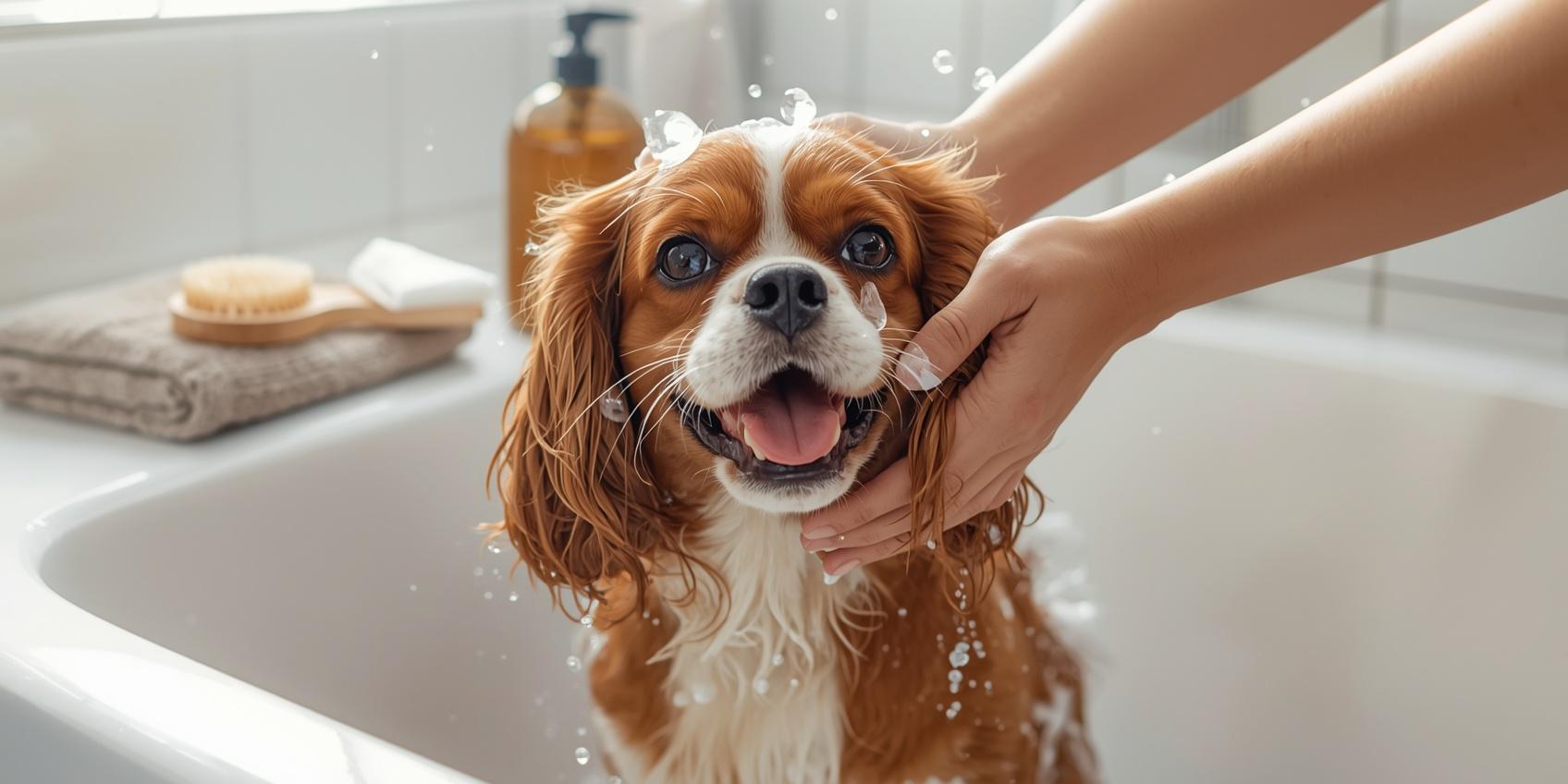
Giving your Cavalier a bath might seem like a simple task, but it’s more important than you think. You want your furry friend to feel fresh, comfortable, and happy after every wash. But how do you make bath time easy and stress-free for both of you? In this guide, you’ll discover practical tips to keep your Cavalier calm and clean, avoid common mistakes, and make bath time something you both actually look forward to. Keep reading, and turn a chore into a bonding moment with your beloved dog. Credit: www.nylabone.com Preparing For The Bath Preparing your Cavalier for a bath makes the process smoother and less stressful. Planning ahead helps your dog stay calm and comfortable. This also keeps the bath area clean and safe. Follow these simple steps to get ready before the bath begins. Choosing The Right Shampoo Pick a shampoo made for dogs, not humans. Dog skin is sensitive and needs gentle care. Use a shampoo that suits your Cavalier’s coat type. Avoid harsh chemicals or strong scents. A mild, hypoallergenic shampoo works best for sensitive skin. Gathering Supplies Collect all items before you start the bath. You will need shampoo, towels, a brush, and a cup or sprayer. Have cotton balls ready to protect your dog’s ears from water. Keep treats nearby to reward good behavior. Preparing supplies first saves time and stress. Setting Up The Bath Area Choose a warm, quiet spot for the bath. A sink or small tub works well for a Cavalier. Place a non-slip mat to prevent slipping. Fill the tub with lukewarm water, not too hot or cold. Make sure everything is within reach before bringing your dog in. Bathing Steps Bathing your Cavalier is a simple process that keeps them clean and healthy. Follow these steps for a smooth and stress-free bath time. Each step helps your dog feel comfortable and look great. Prepare everything before you start. This makes the bath quick and easy. Let’s break down the steps. Brushing Before Bathing Brush your Cavalier’s coat to remove loose hair and dirt. This prevents mats from getting worse during the bath. Use a soft brush and be gentle on sensitive areas. Brushing also helps spread natural oils in the fur. Wetting The Coat Use lukewarm water to wet your dog’s coat. Avoid hot or cold water to keep your Cavalier comfortable. Wet the fur slowly and evenly. Make sure to avoid the eyes and ears while wetting. Applying Shampoo Choose a shampoo made for dogs, preferably gentle and tear-free. Apply a small amount and work it into a lather. Massage the shampoo gently into the coat and skin. Clean all areas, including legs, belly, and tail. Rinsing Thoroughly Rinse your Cavalier’s coat well to remove all shampoo. Leftover shampoo can cause itching or irritation. Use lukewarm water and rinse until the water runs clear. Be careful around the face and ears during rinsing. Drying Your Cavalier Drying your Cavalier after a bath is important for comfort and health. Wet fur can cause chills and skin problems. Gentle drying helps keep your dog calm and happy. It also protects their beautiful coat from damage. Towel Drying Techniques Use a soft, absorbent towel to start drying. Gently press the towel on the fur. Avoid rubbing hard; this can tangle the coat. Focus on the chest, belly, and legs. Change towels if the first one gets too wet. Repeat until the fur feels damp, not dripping. Using A Blow Dryer Safely Choose a blow dryer with a low heat setting. Keep the dryer moving to avoid hot spots. Hold it about six inches from the fur. Use the cool or warm air setting, never hot. Speak softly to keep your dog calm. Stop if your dog shows signs of stress. Brushing After Drying Brush your Cavalier’s coat after drying to remove tangles. Use a slicker brush or comb made for long fur. Start brushing gently from the ends of the hair. Work towards the skin in small sections. Regular brushing keeps the coat smooth and shiny. It also helps spot any skin issues early. Credit: www.youtube.com Post-bath Care After giving your Cavalier a bath, the care should continue. Bath time cleans the fur, but post-bath care keeps your dog healthy and happy. Taking a few extra steps helps prevent infections and discomfort. It also strengthens your bond with your pet. Cleaning Ears Wet ears can cause infections. Use a soft cloth or cotton ball to clean the outer ear gently. Avoid pushing anything deep inside. Use an ear cleaner made for dogs if needed. Check for redness or bad smell. These signs mean you should visit the vet. Checking And Trimming Nails Bath time softens nails, making them easier to trim. Look at each nail closely. Trim just the sharp tips. Avoid cutting too close to the pink part, called the quick. Use dog nail clippers for safety. If unsure, ask a vet or groomer for help. Rewarding Your Dog Bath time can be stressful for some dogs. Reward your Cavalier with treats or playtime after the bath. Praise them with a calm, happy voice. This helps your dog feel safe and loved. Positive experiences make future baths easier. Bathing Frequency And Tips Bathing your Cavalier is important for their health and happiness. Knowing how often to bathe them helps keep their coat clean and skin healthy. Too much bathing can cause dry skin. Too little can lead to odor and dirt buildup. Here are some simple tips to keep your dog fresh and comfortable. How Often To Bathe Bathe your Cavalier about once every 4 to 6 weeks. This schedule keeps their coat clean without drying their skin. If your dog plays outside often or gets dirty, a bath every 3 weeks may be needed. Avoid bathing more than once a week. Too many baths strip natural oils from their fur. Avoiding Skin Irritation Use a gentle shampoo made for dogs. Human shampoo can irritate their skin. Rinse all … Read more

Large Batch Homemade Dog Food: Easy Meal Prep Guide for Dogs

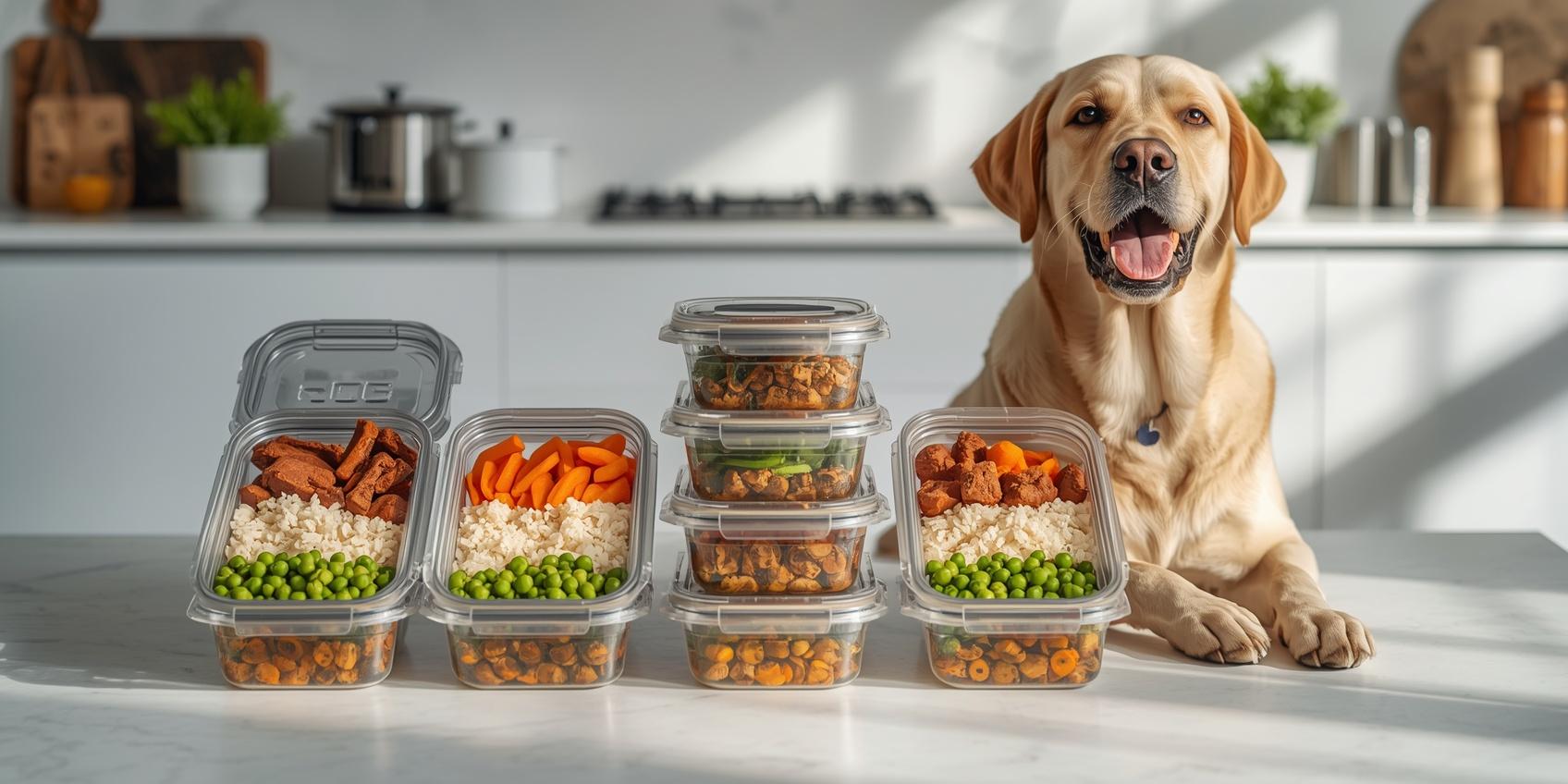
If you want to give your dog healthy, tasty meals without the hassle every day, making large batch homemade dog food is the way to go. Imagine saving time and money while knowing exactly what’s in your dog’s bowl. You’ll have fresh, nutritious food ready whenever your furry friend is hungry. Keep reading to discover simple steps and smart tips that will make cooking for your dog easy, safe, and rewarding. Your dog deserves the best, and you can make it happen with just a little planning. Credit: hutchpaving.com Benefits Of Large Batch Dog Food Making large batches of homemade dog food has many clear benefits. It helps pet owners save money and time. It also keeps your dog’s meals healthy and steady. Preparing food in bulk means less stress and more control over what your dog eats. This approach fits well with busy schedules and tight budgets. It supports a balanced diet and prevents last-minute unhealthy choices. Large batch cooking makes feeding your dog simpler and smarter. Cost Savings Buying ingredients in bulk usually costs less. It reduces waste by using all the food you buy. Making food at home cuts out expensive store-bought dog meals. This method helps control your spending on pet food. Planning meals ahead avoids impulse buys. It lets you use seasonal and fresh ingredients. Saving money means you can invest in better quality foods. Time Efficiency Cooking once for many meals saves time daily. You spend less time chopping, cooking, and cleaning. Large batch cooking frees up your schedule. It means fewer trips to the store or kitchen. Prepping food in advance helps maintain a routine. It reduces stress during busy days. Your dog always has a meal ready on time. Consistent Nutrition Making large batches ensures your dog gets balanced meals. You control the ingredients and portion sizes. Consistency helps maintain your dog’s health and energy. It prevents sudden diet changes that may upset digestion. Tracking nutrition becomes easier with planned meals. You can adjust recipes based on your dog’s needs. Consistent food supports a strong immune system and good weight. Essential Ingredients Preparing large batch homemade dog food means choosing the right ingredients. Dogs need a balanced diet with protein, vegetables, grains, and supplements. Each group gives important nutrients for their health. Knowing these essentials helps you make meals your dog will enjoy and benefit from. Protein Sources Protein is the main building block for muscles and organs. Use lean meats like chicken, turkey, or beef. Fish such as salmon adds healthy fats and omega-3s. Eggs provide high-quality protein and important vitamins. Avoid processed meats or those with added salt and spices. Vegetables And Fruits Vegetables supply fiber, vitamins, and minerals. Carrots, green beans, and peas are easy to digest. Fruits like apples and blueberries add antioxidants and natural sweetness. Avoid onions, grapes, and raisins as they are toxic to dogs. Cook vegetables lightly for better digestion. Grains And Carbohydrates Grains offer energy and fiber. Brown rice, oats, and quinoa are healthy choices. Sweet potatoes and pumpkin add fiber and nutrients too. Avoid white bread or anything with added sugar. Cook grains fully before mixing with other ingredients. Supplements And Additives Supplements fill nutrient gaps in homemade meals. Fish oil boosts skin and coat health. Calcium, from crushed eggshells or bone meal, supports bones. Probiotics help with digestion and gut health. Always measure supplements carefully to keep meals safe and balanced. Safe Preparation Practices Preparing large batches of homemade dog food requires care and attention. Safety is key to keep your dog healthy. Follow clear steps to avoid risks and keep meals fresh and tasty. Safe preparation helps prevent bacteria and other dangers. This way, your dog enjoys every meal without harm. Sanitizing Equipment Clean all bowls, cutting boards, and utensils before use. Use hot, soapy water to wash everything thoroughly. Rinse well to remove soap residue. Sanitize surfaces with a safe disinfectant after each use. Dry equipment completely to stop bacteria growth. Regular cleaning keeps food safe and fresh for your dog. Proper Cooking Techniques Cook meat to the right temperature to kill germs. Use a food thermometer to check doneness. Avoid undercooked or raw meat in homemade dog food. Steam or boil vegetables for easy digestion. Cool food quickly before storing to prevent spoilage. Cooked food lasts longer and is safer for dogs. Avoiding Harmful Foods Certain foods can harm dogs and must be avoided. Do not use onions, garlic, grapes, or chocolate. Stay clear of salty, sugary, or processed ingredients. Use dog-safe foods only to protect your pet’s health. Check ingredients carefully before cooking large batches. Safe foods keep your dog happy and healthy. Storage Solutions Storing large batch homemade dog food properly keeps it fresh and safe. Good storage stops spoilage and saves money. It also makes feeding your dog easy and quick. Understanding the best ways to store homemade dog food helps maintain its quality and nutrition. Freezing Portions Freezing is the best way to keep dog food for a long time. Divide the food into small, meal-sized portions. Use airtight containers or freezer bags to avoid freezer burn. Label each portion with the date to track freshness. Thaw frozen food in the fridge overnight before serving. Avoid refreezing thawed food to keep it safe. Refrigeration Tips Store homemade dog food in the fridge for short-term use. Use clean, airtight containers to keep the food fresh. Place the containers on the middle or top shelves, away from the door. Keep the fridge temperature below 40°F (4°C). Stir the food before serving to check for spoilage or bad smell. Shelf Life Expectations Homemade dog food stays fresh in the fridge for 3 to 4 days. Frozen portions last about 2 to 3 months with good quality. Always check the food for changes in color, smell, or texture. Throw away any food that looks or smells off. Proper storage extends shelf life and keeps your dog healthy. Customizing Recipes For Your Dog Customizing homemade dog food recipes helps … Read more

Crockpot Dog Food Recipes: Easy Healthy Meals for Busy Owners

Crockpot Dog Food Recipes

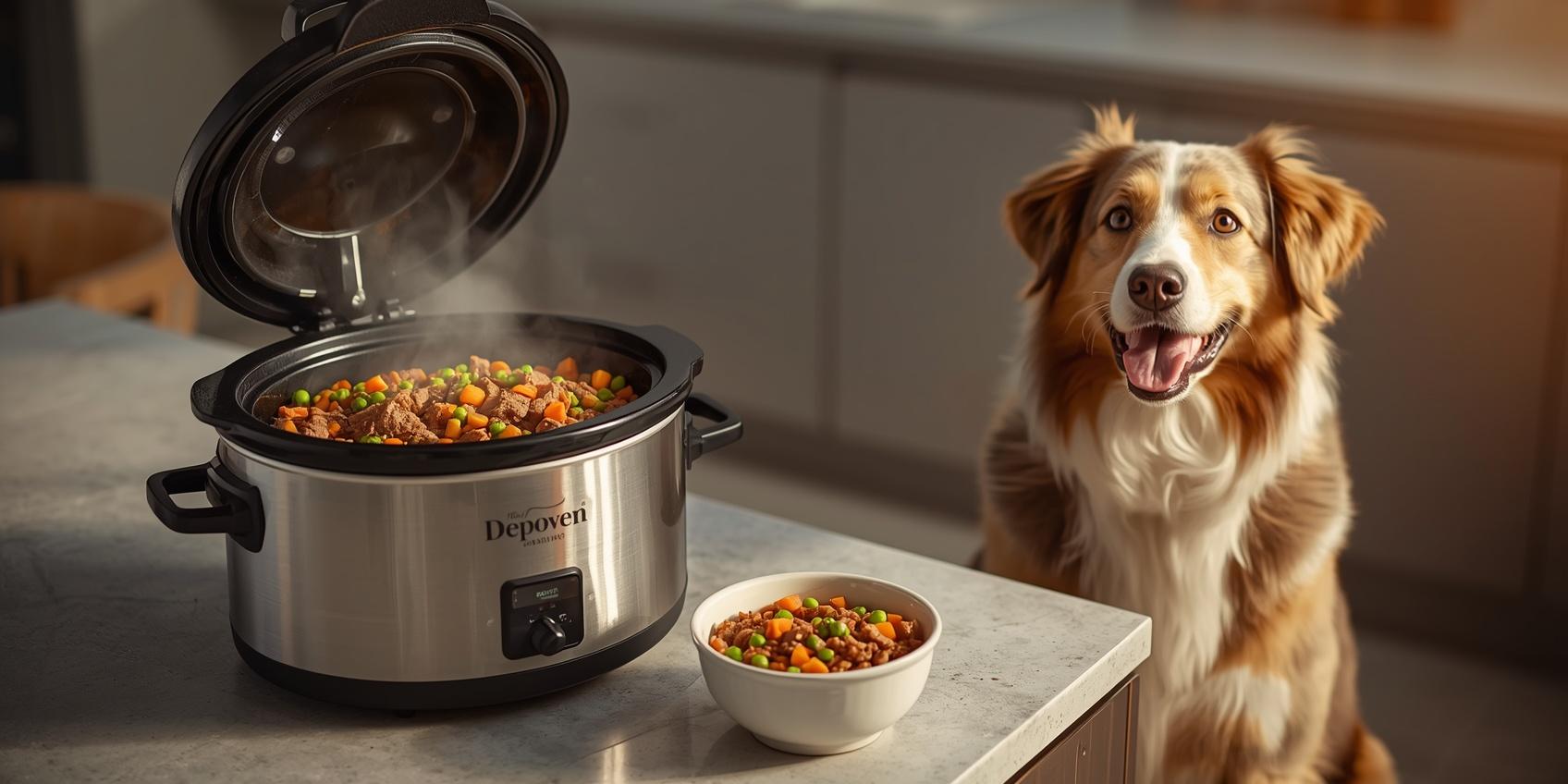
If you want to give your furry friend healthy, homemade meals without spending hours in the kitchen, crockpot dog food recipes are your best friend. Imagine coming home to a warm, nutritious dinner that’s ready to serve—made with ingredients you trust. You’ll feel good knowing exactly what’s in your dog’s bowl, and your pup will love the tasty variety. Keep reading to discover easy, delicious recipes that fit your busy life and keep your dog happy and healthy. Credit: www.meatloafandmelodrama.com Benefits Of Homemade Crockpot Dog Food Making dog food at home with a crockpot has many benefits. It gives you control over what your dog eats. You can use fresh ingredients without preservatives or fillers. The slow cooking method keeps nutrients intact and makes food easy to digest. Homemade crockpot meals can suit your dog’s tastes and health needs. Preparing food this way saves time and effort. Your dog gets tasty, healthy meals that support their well-being every day. Nutritional Advantages Homemade crockpot dog food uses whole ingredients. You choose fresh meats, vegetables, and grains. This means fewer chemicals and additives than store-bought food. Slow cooking helps keep vitamins and minerals in the food. Balanced meals support your dog’s energy and immune system. You can add supplements to meet specific health needs. This keeps your dog strong and healthy over time. Cost-effectiveness Making dog food at home can save money. Buying ingredients in bulk is cheaper than buying commercial dog food. Using leftovers and seasonal vegetables reduces waste and expense. You control portion sizes to avoid overfeeding. This keeps your dog at a healthy weight. Homemade meals can stretch your budget without sacrificing quality. Customization For Dietary Needs Every dog has unique dietary needs. Crockpot recipes let you adjust ingredients easily. You can avoid allergens and add foods that help specific conditions. If your dog needs low fat or grain-free meals, you decide. Tailoring food boosts your dog’s health and comfort. This personal touch supports a longer, happier life. Credit: www.acupfullofsass.com Essential Ingredients For Crockpot Dog Food Creating homemade dog food in a crockpot is a smart choice. It gives control over what your dog eats. Choosing the right ingredients is key. Each ingredient plays a role in your dog’s health and energy. This section covers the essential ingredients for crockpot dog food. Proteins To Include Proteins help build strong muscles and support body functions. Good options are chicken, turkey, and lean beef. Fish like salmon offers healthy fats and omega-3s. Eggs provide a complete protein source. Avoid processed meats or those with added salt. Healthy Carbohydrates Carbohydrates give dogs energy for daily activities. Brown rice and oats are easy to digest and nutritious. Sweet potatoes are rich in fiber and vitamins. Quinoa is a good grain alternative. Avoid white rice or anything with added sugar. Vegetables And Additives Vegetables add fiber, vitamins, and minerals. Carrots, peas, and green beans work well in crockpot recipes. Spinach and pumpkin support digestion and immune health. Use small amounts of safe herbs like parsley. Avoid onions, garlic, and anything toxic to dogs. Safety Tips For Cooking Dog Food Cooking dog food in a crockpot is simple and healthy. Safety is key to protect your pet’s health. Follow these tips to keep meals safe and nutritious. Avoiding Toxic Ingredients Some foods are harmful to dogs. Never use onions, garlic, grapes, or chocolate. Avoid salt and sugar in recipes. Stick to dog-safe ingredients like chicken, rice, and vegetables. Check each item before adding to the crockpot. Proper Storage And Handling Cooked dog food must cool before storing. Use airtight containers to keep it fresh. Refrigerate food if using within three days. Freeze leftovers for longer storage. Wash hands and utensils before and after handling food. Portion Control Serve the right amount based on your dog’s size. Overfeeding can cause weight gain and health issues. Use a kitchen scale or measuring cups. Divide meals into daily portions for convenience. Consult your vet for portion advice. Credit: barkbellybites.com Top Crockpot Dog Food Recipes Making homemade dog food can be easy and healthy with a crockpot. Slow cooking helps blend flavors and keeps nutrients safe. These recipes use simple ingredients your dog will enjoy. Each one is balanced for good nutrition and taste. Chicken And Rice Blend This recipe uses lean chicken and white rice. Chicken provides protein for strong muscles. Rice gives energy and helps digestion. Add carrots for vitamins and fiber. Cook everything slowly for soft, easy-to-eat food. Beef And Vegetable Mix Ground beef is a rich source of iron and protein. Mix it with vegetables like peas and carrots. These add fiber and vitamins. The slow cooker blends flavors well. This mix makes a hearty meal for your dog. Turkey And Sweet Potato Stew Turkey is a lean meat with many nutrients. Sweet potatoes are full of fiber and antioxidants. Together, they create a tasty stew. Cook with a little water and green beans. This meal supports digestion and energy. Adjusting Recipes For Different Dog Sizes Adjusting crockpot dog food recipes is essential for dogs of different sizes. Each dog size has unique nutritional needs. Serving the right portion helps keep your dog healthy and happy. Overfeeding or underfeeding can cause health problems. Tailoring recipes ensures your dog gets balanced nutrition without waste. Small Breed Considerations Small dogs need fewer calories but dense nutrients. Use smaller portions to avoid weight gain. Include high-quality protein and fats for energy. Cook ingredients until soft for easy chewing. Divide meals into small servings throughout the day. Medium Breed Portions Medium dogs require moderate food amounts. Balance protein, carbs, and vegetables for steady energy. Adjust recipe quantities based on your dog’s activity level. Measure portions carefully to maintain healthy weight. Offer two to three meals daily for best digestion. Large Breed Meal Plans Large dogs need more calories and joint support. Add ingredients rich in glucosamine and omega-3s. Increase portions but avoid overfeeding to prevent obesity. Slow cooking helps break down tough fibers for easier digestion. Feed two … Read more

Cavalier Chihuahua Mix Chilier: Ultimate Breed Guide & Facts

Cavalier Chihuahua Mix Chilier

Are you curious about a unique and adorable dog breed that could be the perfect fit for your home? Meet the Cavalier Chihuahua Mix Chilier—a charming blend that brings together the best traits of two popular breeds. Whether you want a loyal companion, a playful friend, or a small dog with a big heart, this mix might surprise you. Keep reading to discover what makes the Cavalier Chihuahua Mix Chilier special and why it could be exactly what you’re looking for. Cavalier Chihuahua Mix Basics The Cavalier Chihuahua Mix is a charming blend of two popular small dog breeds. This mix combines the gentle nature of the Cavalier King Charles Spaniel with the bold spirit of the Chihuahua. These dogs make great companions for many families. They bring energy, affection, and a lively personality into your home. Understanding their basics helps in caring for them better. Breed Origins The Cavalier Chihuahua Mix comes from two distinct breeds. The Cavalier King Charles Spaniel began in England as a royal lap dog. Known for kindness and calmness, Cavaliers are gentle pets. The Chihuahua, from Mexico, is one of the smallest dog breeds. It is known for being brave and alert. This mix inherits traits from both breeds, blending history and character. Physical Traits These dogs often have a soft, silky coat like the Cavalier. Coat colors vary widely, including tan, white, black, or a mix. Their ears may stand up like a Chihuahua or flop like a Cavalier’s. Eyes are usually round and expressive, showing their friendly nature. Their face shape can be a mix of both breeds, unique for each dog. Size And Weight The Cavalier Chihuahua Mix is a small dog. They typically weigh between 6 to 12 pounds. Height ranges from 7 to 12 inches at the shoulder. Their small size makes them ideal for apartment living. They fit well in homes that want a compact and lively pet. Temperament And Personality The Cavalier Chihuahua Mix Chilier offers a unique blend of traits from both parent breeds. This mix creates a dog with a charming and lively personality. Understanding its temperament helps owners prepare for life with this special companion. This dog is known for its friendly and loyal nature. It enjoys being close to people and thrives on attention. Despite its small size, it often shows bravery and alertness. Social Behavior The Chilier loves meeting new people and other pets. It is usually friendly and outgoing. This mix does well in social settings but may need gentle introductions to strangers. It dislikes being left alone for long periods and can develop separation anxiety. Early socialization helps it grow confident and well-mannered. Energy Levels This breed has moderate energy needs. It enjoys playtime and short walks every day. Chilier can be lively indoors but also appreciates quiet moments. Regular exercise keeps it healthy and happy. Too much activity can overwhelm this small dog, so balance is key. Suitability For Families The Cavalier Chihuahua Mix Chilier is a great family dog. It gets along well with children who know how to be gentle. Its affectionate nature makes it a good companion for all ages. Families should supervise interactions with young kids to avoid accidental injury. This mix adapts well to apartment living and busy households. Health Considerations The Cavalier Chihuahua Mix Chilier is a small dog with a big heart. Knowing its health needs helps keep this pet happy and active. Health care is key for a long, joyful life. Understanding common health problems makes owners better prepared. Simple steps in care can prevent many issues. Common Health Issues Chilier dogs may have problems like heart disease and dental issues. They can also face joint problems like patellar luxation. Eye conditions like cataracts may appear too. Watch for signs like coughing, limping, or eye redness. Early detection helps treat these problems well. Lifespan Expectations The typical lifespan of a Chilier ranges from 12 to 16 years. Small size often means longer life than larger dogs. Good care and a healthy diet can add years. Regular vet visits also support a longer life. Preventive Care Tips Feed high-quality dog food suited for small breeds. Brush teeth often to avoid dental disease. Exercise daily but avoid overexertion. Schedule regular vet check-ups for early problem detection. Keep vaccines and parasite controls up to date. Groom the dog regularly to check skin and coat health. Credit: www.petguide.com Grooming Needs The Cavalier Chihuahua Mix Chilier needs regular grooming to stay healthy and happy. This dog’s coat and skin need care to avoid problems. Grooming also helps you check for ticks, fleas, or skin issues early. Grooming can be a bonding time. Gentle care keeps your dog comfortable and clean. Each part of grooming has its own focus. Understanding these will make the task easier. Coat Types The Chilier’s coat can be short or medium length. It may be smooth like a Chihuahua or soft like a Cavalier. Some have straight fur; others might have a slight wave. Coat colors vary, often mixing Cavalier’s rich tones with Chihuahua’s patterns. Knowing the coat type helps decide grooming tools. A soft brush works well for smooth coats. A slicker brush suits wavy or longer hair. Keep an eye on shedding, which can differ by coat type. Brushing And Bathing Brush your Chilier at least twice a week. This removes loose hair and dirt. It also stops mats from forming. Use gentle strokes to avoid hurting your dog’s skin. Bathing every month is enough unless your dog gets dirty. Use a mild dog shampoo to protect their skin. Rinse well to remove all soap. Dry your dog gently with a towel to keep the coat shiny. Nail And Dental Care Trim nails every three to four weeks. Long nails can cause pain and walking problems. Use a dog nail clipper and cut small bits at a time. If unsure, ask a vet or groomer for help. Brush your dog’s teeth three times a week to prevent bad breath … Read more

Meat Based Dog Treats: Ultimate Guide to Protein-Rich Snacks

Meat Based Dog Treats

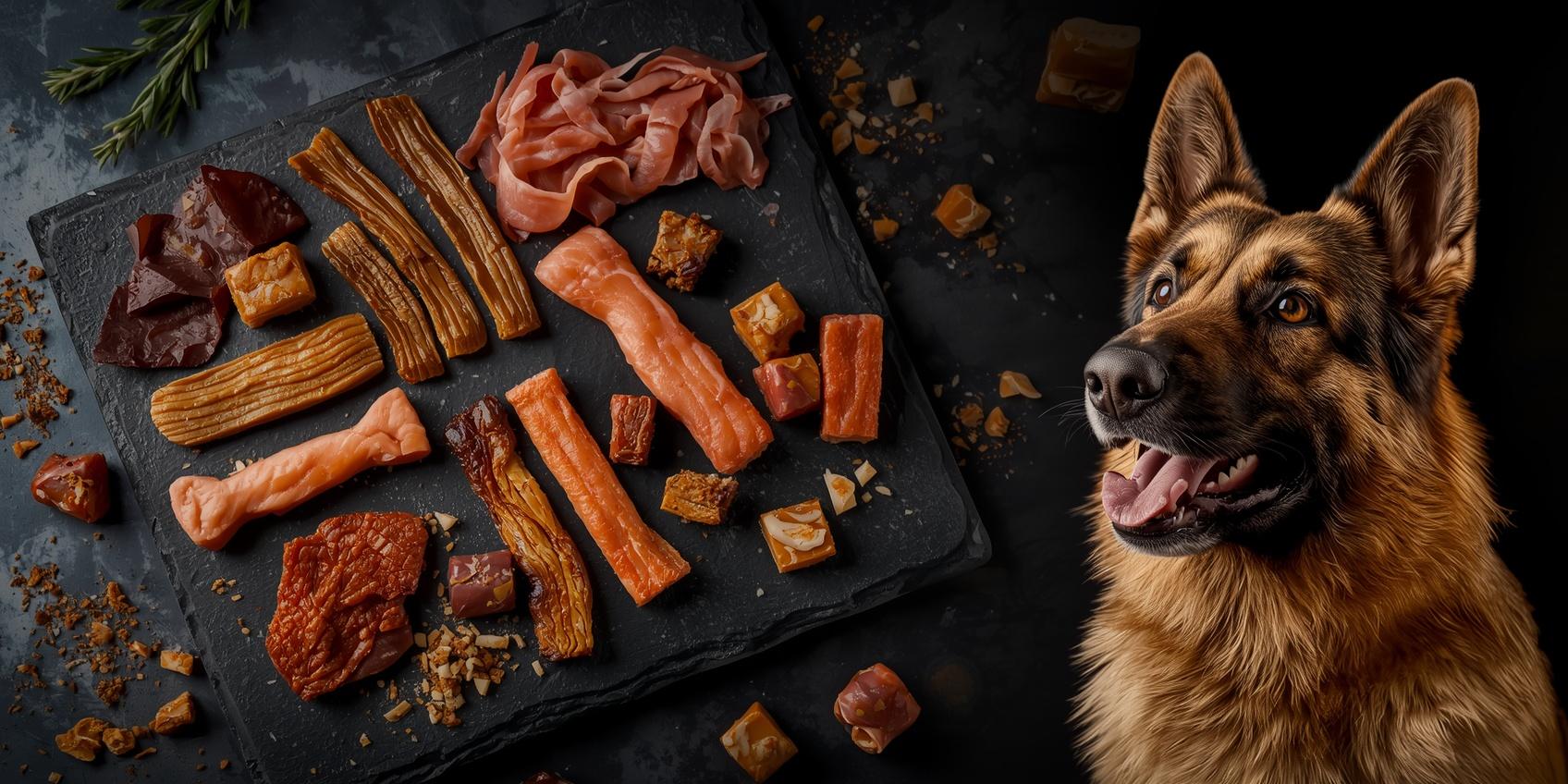
If you want the best for your furry friend, choosing the right treats is key. Meat based dog treats are more than just tasty snacks—they can boost your dog’s health and happiness. You might wonder why meat treats stand out from other options. You’ll discover why these treats are a smart choice for your dog’s diet and how they can make your pet’s tail wag even more. Keep reading to find out what makes meat based dog treats so special and how to pick the perfect ones for your dog. Credit: farmhounds.com Benefits Of Meat Treats Meat-based dog treats offer many benefits for your furry friend. These treats support health and happiness. Dogs enjoy the taste and texture of real meat. Choosing meat treats means giving your dog a natural, nutritious snack. Nutritional Value Meat treats provide high protein for strong muscles. They contain essential vitamins and minerals. These nutrients help keep dogs active and healthy. Protein also supports healthy skin and shiny coats. Meat treats are low in fillers and sugars. Appeal To Dogs Dogs love the smell and taste of meat. The texture is chewy and satisfying. Meat treats make training and rewards more fun. Dogs feel excited and motivated by real meat snacks. This makes meat treats perfect for all dog sizes. Natural Ingredients Meat treats often contain simple, natural ingredients. No artificial colors or preservatives are included. They are easy to digest and gentle on the stomach. Natural treats reduce the risk of allergies and sensitivities. Feeding natural meat treats supports your dog’s overall well-being. Popular Meat Types Meat-based dog treats are popular because dogs love the taste. These treats come from different types of meat. Each type offers unique flavors and nutrients. Choosing the right meat can help keep your dog happy and healthy. Chicken Chicken is a favorite for many dogs. It is easy to digest and rich in protein. Chicken treats help build strong muscles. They usually have a mild taste that suits sensitive dogs. Many dog owners prefer chicken for its lightness and nutrition. Beef Beef is a common choice for dog treats. It has a rich flavor that dogs enjoy. Beef provides essential vitamins and minerals. It supports energy and overall health. Beef treats are often chewy, which helps clean teeth. Lamb Lamb is a great option for dogs with allergies. It is gentle on the stomach and full of nutrients. Lamb offers a unique taste that some dogs prefer. These treats can support healthy skin and coat. Lamb is less common but very beneficial for sensitive dogs. Fish Fish treats bring important omega-3 fatty acids. These fats improve brain and heart health. Fish has a strong smell that many dogs like. Salmon and whitefish are popular choices for treats. Fish treats also help reduce inflammation and support joints. Making Treats At Home Making meat-based dog treats at home is a great way to control ingredients. It ensures your dog eats fresh and healthy snacks. Homemade treats can be simple and fun to prepare. Plus, you avoid preservatives and fillers found in many store-bought treats. Cooking treats yourself lets you customize flavors and textures. You can make treats for dogs with allergies or special diets. It also saves money and shows your pet extra care. Choosing Quality Meat Select fresh, lean meat for the best treats. Chicken, beef, and turkey work well. Avoid processed meats or those with added spices. Check for no hormones or antibiotics. Fresh meat is safer and more nutritious for dogs. Simple Recipes Start with easy recipes using one or two ingredients. Slice meat thin or cut into small pieces. Bake or dehydrate at low temperatures until dry. Use an oven or food dehydrator for best results. No need for oils or salt in homemade treats. Storage Tips Store treats in airtight containers to keep them fresh. Refrigerate for up to two weeks. Freeze for longer storage, up to three months. Label containers with the date to avoid spoilage. Always check treats for mold or bad smell before feeding. Credit: www.amazon.com Safety Considerations Choosing meat based dog treats requires care for your pet’s health. Safety is a top priority to keep dogs happy and strong. Not all treats are made equal. Some can harm your dog if you are not careful. This section covers key safety points. It helps you pick treats that are safe and healthy. Learn what to avoid, how much to give, and watch for allergies. Avoiding Harmful Additives Check the ingredient list carefully. Avoid treats with artificial colors, flavors, and preservatives. These can upset your dog’s stomach or cause long-term health problems. Choose treats with simple, natural ingredients. Real meat should be the first item on the label. Stay away from fillers like corn or soy, which offer little nutrition. Portion Control Too many treats can cause weight gain and health issues. Treats should not exceed 10% of your dog’s daily calories. Use small pieces for training or rewards. Overfeeding can lead to obesity and joint problems. Keep treats as a small part of your dog’s diet. Allergies And Sensitivities Dogs can be allergic to certain meats or ingredients. Watch for signs like itching, vomiting, or diarrhea after treats. Start with a small amount when trying new treats. Avoid common allergens such as beef or chicken if your dog shows reactions. Consult your vet for advice on safe options. Commercial Meat Treat Options Commercial meat-based dog treats offer a wide variety of choices. These treats come in different forms, flavors, and sizes. They serve as rewards, supplements, or just tasty snacks for dogs. Choosing the right treat helps keep your dog happy and healthy. Quality meat treats provide essential protein and nutrients. Top Brands Several brands stand out for quality and safety. Brands like Blue Buffalo, Wellness, and Merrick focus on natural ingredients. They avoid artificial colors and preservatives. Many use real meat as the first ingredient. These brands often offer grain-free and limited-ingredient options. Trusted brands test their products for contaminants. … Read more