Doggy Scout

Natural Antibiotics for Dogs: Proven Safe Remedies That Heal
Natural Antibiotics for Dogs

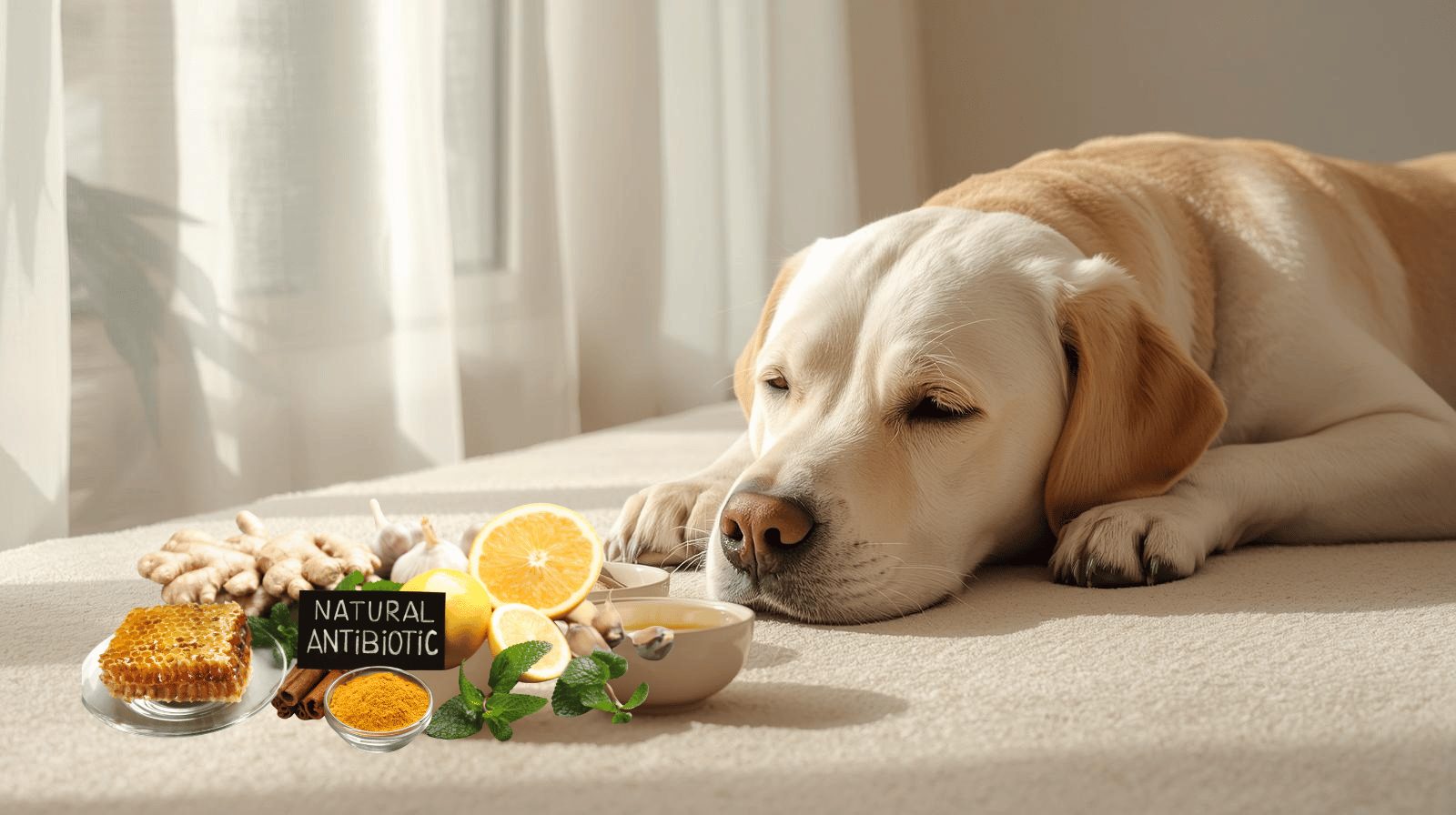
If your dog ever gets sick, you want the best care possible—without rushing to strong chemicals or prescription drugs. What if there were natural ways to help your furry friend fight infections safely and gently? Natural antibiotics for dogs can support your pet’s health while reducing side effects and keeping their body in balance. You’ll discover simple, effective natural remedies that you can trust to protect your dog’s wellbeing. Keep reading to find out how these natural options can make a real difference in your dog’s recovery and overall health. Benefits Of Natural Antibiotics Natural antibiotics offer many benefits for dogs. They support healing without harsh chemicals. These remedies can help fight infections gently and effectively. Using natural options often reduces side effects seen with synthetic drugs. They also promote overall health and strengthen the immune system. Safe And Gentle On Dogs Natural antibiotics are less likely to cause allergies or upset stomachs. They work softly without harming healthy cells. Dogs often tolerate these remedies better than strong medicines. This safety makes them ideal for long-term use. Supports Immune System Many natural antibiotics boost the immune system. This helps dogs fight infections faster. They improve the body’s natural defense without weakening it. Strong immunity means fewer illnesses over time. Reduces Risk Of Antibiotic Resistance Using natural antibiotics lowers the chance of resistance. Overuse of synthetic antibiotics can make bacteria stronger. Natural options help avoid this problem. They keep treatments effective for future needs. Promotes Overall Health Natural antibiotics often contain vitamins and antioxidants. These nutrients improve skin, coat, and energy levels. They support healing beyond just fighting infection. Dogs feel better inside and out. Common Natural Antibiotics For Dogs Natural antibiotics can help support your dog’s health safely. Many plants and foods have properties that fight infections. These natural options may boost your dog’s immune system. They also help reduce inflammation and heal wounds. Use them with care and always check with a vet first. Garlic Garlic has natural compounds that kill bacteria. It may help stop infections and parasites. Use only small amounts, as too much can harm dogs. Fresh, crushed garlic works best for health benefits. Honey Honey is a natural antibacterial agent. It soothes wounds and fights germs. Raw honey contains enzymes that kill bacteria. Apply it to cuts or give a small spoon to your dog. Turmeric Turmeric contains curcumin, which reduces inflammation. It also fights bacteria and helps heal wounds. Mix turmeric powder with food for easy use. Keep the dose low to avoid stomach upset. Coconut Oil Coconut oil has antibacterial and antifungal properties. It helps skin infections and boosts immunity. Apply it on your dog’s skin or add it to meals. Use virgin coconut oil for best results. Echinacea Echinacea is a plant known to boost the immune system. It helps fight infections and speeds healing. Give echinacea in tea or supplement form. Always follow vet advice on the right amount. How Natural Antibiotics Work Natural antibiotics help fight infections in dogs without harsh chemicals. They support the immune system and target harmful bacteria. These remedies work gently and often cause fewer side effects than synthetic drugs. Understanding how natural antibiotics work helps pet owners make better choices for their dogs’ health. These substances either kill bacteria or stop their growth. They also boost the dog’s natural defense mechanisms. Targeting Harmful Bacteria Natural antibiotics contain compounds that attack bad bacteria directly. These compounds break down bacteria walls or block their ability to reproduce. This stops infections from spreading inside the dog’s body. Supporting The Immune System Some natural antibiotics strengthen the dog’s immune response. They help the body recognize and fight infections faster. A strong immune system reduces illness duration and severity. Reducing Inflammation Many natural antibiotics also reduce swelling and pain. Lower inflammation helps dogs feel better quicker. This support is important during infections and healing processes. Promoting Healing Natural antibiotics aid tissue repair and recovery. They improve blood flow and cell regeneration. This speeds up healing after infections or wounds. Safe Dosages And Administration Natural antibiotics can help dogs fight infections safely. Proper dosages and correct administration are very important. Giving too much or too little can cause problems. Follow clear guidelines to keep your dog healthy and avoid side effects. Always start with the lowest effective dose. Watch your dog’s reaction carefully. Adjust the amount only if needed and under expert advice. Use the right form, such as liquid, powder, or capsules, for easy giving. How To Measure Safe Dosages Use a small measuring spoon or syringe for accuracy. Check the product label for recommended doses based on your dog’s weight. Never guess the amount. Too much can harm your dog’s organs. Too little may not work well. Best Methods To Administer Natural Antibiotics Mix powders or liquids with food for easy swallowing. Use treats to hide pills or capsules. Hold your dog gently but firmly to avoid stress. Give the medicine at the same time every day. Consistency helps the treatment work better. Signs Of Overdose Or Side Effects Watch for vomiting, diarrhea, or unusual tiredness. Swelling or itching may also occur. Stop the medicine if these signs appear. Call your vet immediately for advice. Quick action can prevent serious health issues. Potential Risks And Side Effects Natural antibiotics for dogs seem safe and gentle. Yet, they carry some risks and side effects. Knowing these helps protect your dog’s health and avoid problems. Natural does not always mean safe. Dogs react differently to herbs and supplements. Some may cause allergies or stomach upset. Careful use and monitoring are important. Possible Allergic Reactions Dogs can develop allergies to natural antibiotics. Symptoms include itching, swelling, and redness. Watch for sneezing or breathing trouble. Stop use and consult a vet if these appear. Digestive Upset Natural antibiotics may cause vomiting or diarrhea. Some herbs are strong and irritate the stomach. Give small doses first. Provide fresh water to keep your dog hydrated. Interactions With Medications Natural antibiotics can interact with prescription … Read more
Homemade Dog Food Seasoning: Easy Safe Recipe for Tasty Meals

Homemade Dog Food Seasoning

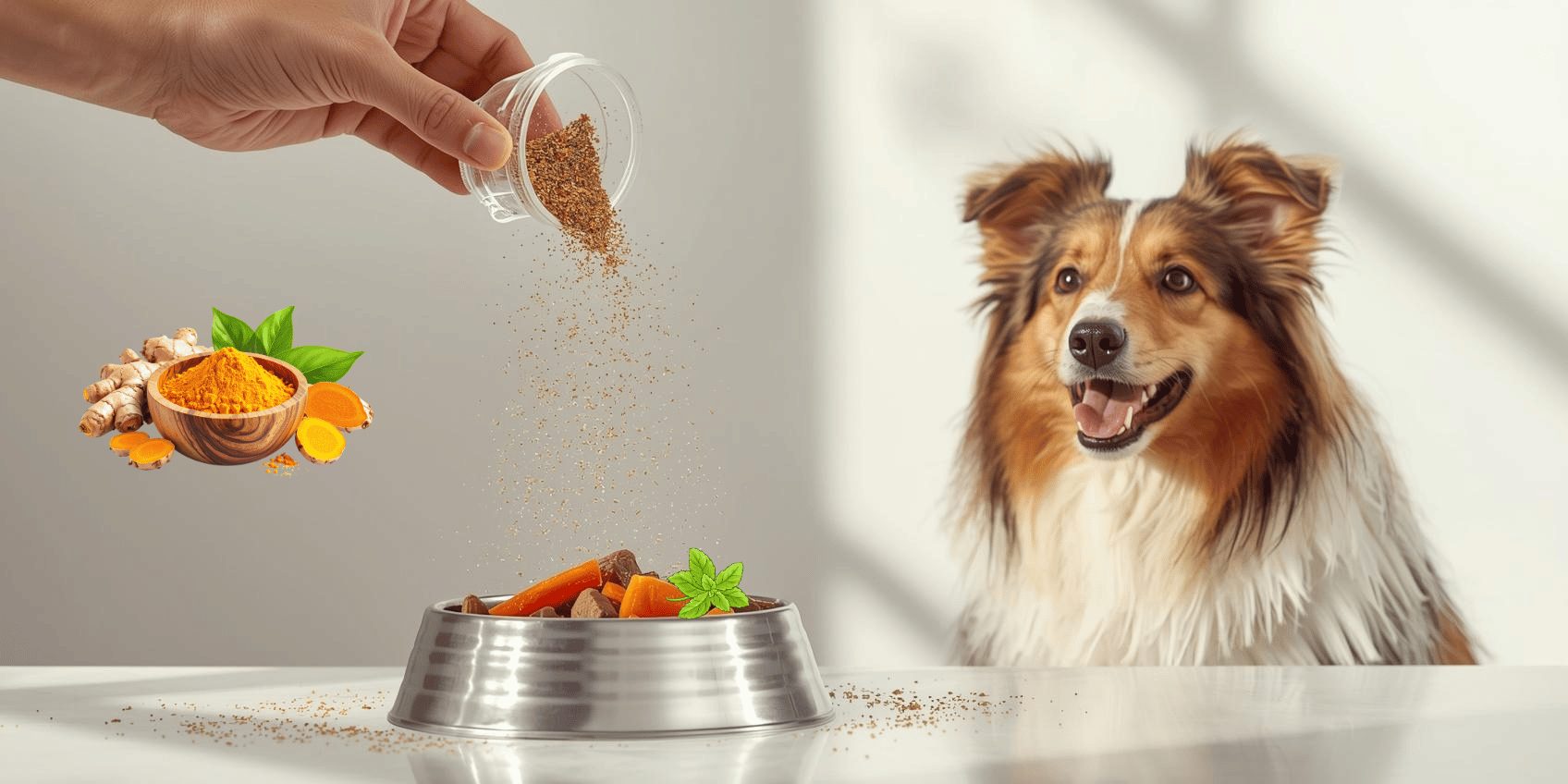
Are you looking for a simple way to make your dog’s meals tastier and healthier? Homemade dog food seasoning might be exactly what you need. You want to give your furry friend food that’s both delicious and safe, but store-bought seasonings often contain ingredients that aren’t good for dogs. Imagine being able to add flavor and nutrition using natural, dog-friendly spices and herbs. You’ll discover easy recipes and tips to create your own homemade dog food seasoning that your pet will love. Keep reading to find out how to make mealtime exciting and nutritious for your best friend! Credit: spoiledhounds.com Benefits Of Homemade Seasoning Homemade dog food seasoning offers many benefits for your pet’s meals. It allows you to control what goes into your dog’s food. This helps keep your dog healthy and happy. Using homemade seasoning means you avoid many risks found in store-bought options. Your dog enjoys fresh, tasty food that suits their needs. Health Advantages Homemade seasoning supports your dog’s health by using natural ingredients. You can add herbs that help digestion and reduce inflammation. Avoiding salt and sugar keeps your dog’s heart and kidneys safe. Fresh spices provide vitamins and antioxidants that boost immunity. Customizable Flavors You choose flavors that your dog likes and tolerates well. Some dogs prefer mild tastes, others enjoy stronger herbs. You can try different combinations to keep meals interesting. Custom seasoning helps picky eaters enjoy their food more. Adjust the mix based on your dog’s age and health. Avoiding Harmful Additives Many commercial seasonings contain chemicals and preservatives. These can harm your dog’s health over time. Homemade seasoning is free from artificial colors and flavors. You know exactly what goes into every batch. This reduces the risk of allergies and digestive problems. Safe Ingredients For Dogs Choosing safe ingredients for homemade dog food seasoning is very important. Dogs have sensitive stomachs. Many common spices and herbs for humans can harm them. Using the right ingredients keeps your dog healthy and happy. It also makes meals tastier without risks. Herbs To Use Parsley is great for fresh breath and digestion. Basil helps fight inflammation and supports the immune system. Rosemary adds flavor and acts as a natural preservative. Thyme can improve digestion and reduce bacteria. Always use fresh or dried herbs in small amounts. Spices To Avoid Avoid onion and garlic powders. Both can cause anemia in dogs. Nutmeg is toxic and can cause seizures. Salt should be very limited to prevent kidney problems. Avoid spicy peppers like cayenne or chili. They can upset your dog’s stomach badly. Nutritional Boosters Ground flaxseed adds omega-3 fatty acids for a shiny coat. Turmeric helps with joint pain and inflammation. Ginger aids digestion and reduces nausea. A small amount of coconut oil can improve skin and coat health. Always introduce boosters gradually and watch for reactions. Simple Seasoning Recipes Simple seasoning recipes help make homemade dog food tastier and healthier. These blends use safe ingredients that dogs enjoy. They add flavor without harmful chemicals or salt. You can mix and match them easily. Try these three easy seasoning ideas. They suit different tastes and needs. Each recipe uses natural herbs and spices that support your dog’s health. Basic Blend This simple mix adds flavor to any dog meal. Use 1 teaspoon of dried parsley, 1/2 teaspoon of turmeric, and 1/4 teaspoon of ground ginger. Parsley helps freshen breath. Turmeric reduces inflammation. Ginger aids digestion. Herb Mix Herbs add a fresh taste and boost nutrition. Combine 1 teaspoon of dried basil, 1 teaspoon of dried oregano, and 1/2 teaspoon of dried rosemary. These herbs provide antioxidants and support the immune system. Great for dogs with sensitive stomachs. Protein Enhancer This blend enhances protein flavor in homemade meals. Mix 1 teaspoon of powdered bone broth, 1/2 teaspoon of dried kelp, and 1/4 teaspoon of garlic powder. Bone broth adds collagen. Kelp supplies minerals. Garlic powder in small amounts can improve heart health. Credit: thismessisours.com How To Store Seasoning Proper storage of homemade dog food seasoning keeps it fresh and tasty. It stops the spices from losing flavor or going bad. Simple steps help maintain the seasoning’s quality for longer. Store it right to keep your dog’s meals flavorful and healthy. Storage Tips Use airtight containers to keep moisture out. Glass jars with tight lids work well. Store the seasoning in a cool, dark place. Avoid sunlight and heat, which reduce flavor. Keep containers away from strong smells that can mix with the seasoning. Shelf Life Homemade dog food seasoning lasts about 3 to 6 months. Ground spices lose strength faster than whole spices. Check the seasoning smell before use. If it smells weak or off, make a new batch. Proper storage helps extend the shelf life. Maintaining Freshness Shake the container before each use to mix the spices. Avoid dipping wet spoons into the seasoning to stop moisture. Label the container with the date made. Use smaller batches to keep the seasoning fresh. Store seasoning away from heat sources like stoves. Tips For Introducing Seasoning Introducing seasoning to your dog’s homemade food can improve flavor and nutrition. Start carefully to avoid upsetting their stomach or taste buds. Watch your dog’s response closely as you add new flavors. Gradual Introduction Begin with a small amount of seasoning. Mix it well into the food. Use mild herbs like parsley or basil first. Increase the amount slowly over several days. This helps your dog adjust to the new taste. Monitoring Reactions Observe your dog after each meal. Check for any signs of allergy or upset stomach. Look for itching, vomiting, or diarrhea. Also, watch if your dog refuses the food. Stop seasoning if any problem appears. Adjusting Flavors Change the seasoning based on your dog’s preference. Use less salt or spice if needed. Try different herbs to find what your dog likes. Keep flavors simple and natural. Avoid strong or spicy ingredients that may harm your dog. Frequently Asked Questions What Ingredients Are Safe For Homemade Dog Food Seasoning? … Read more

Grain Free Dog Treats: Ultimate Guide to Healthy Snack Choices

Grain Free Dog Treats

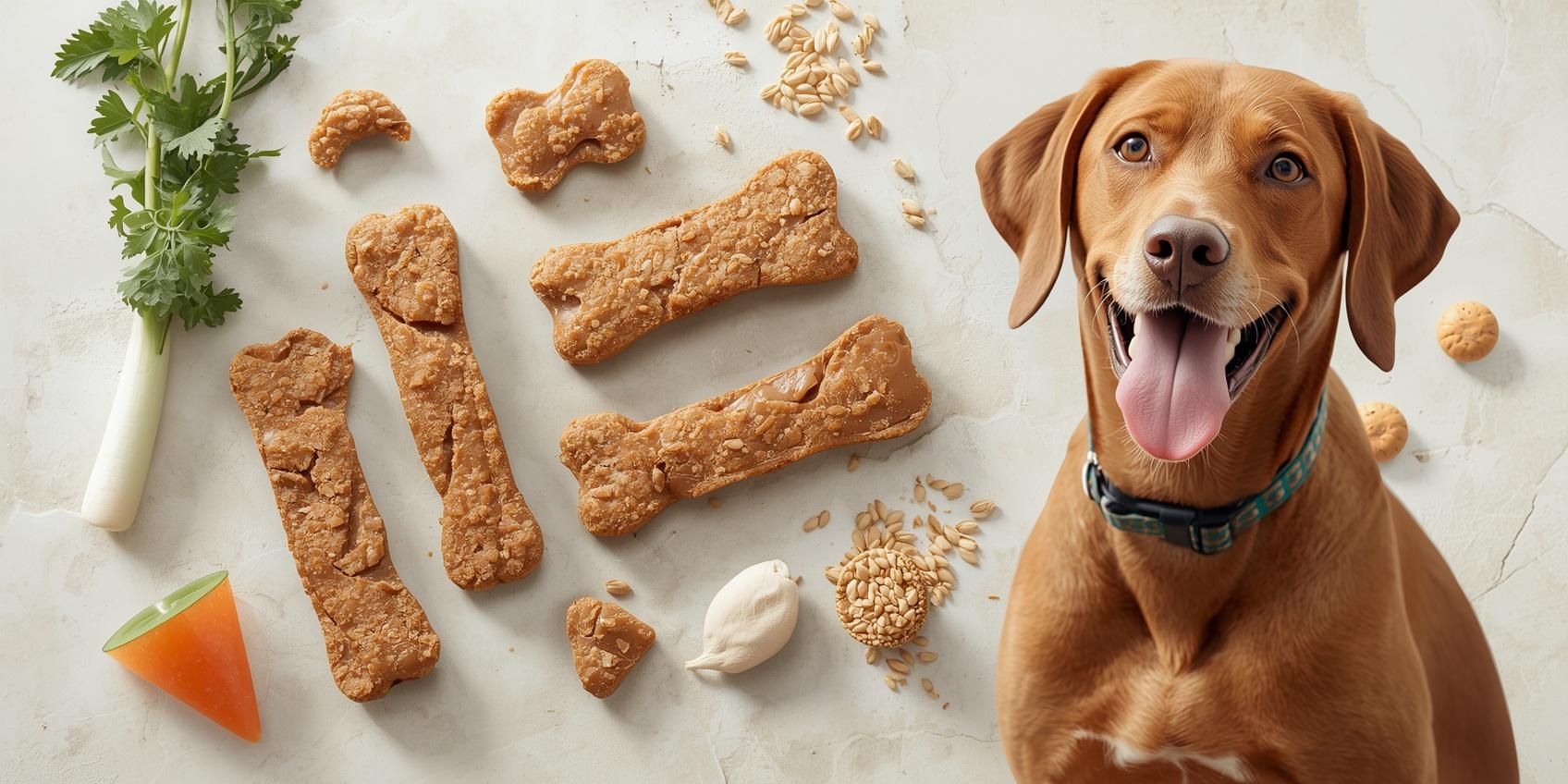
Are you looking for healthier snack options for your furry friend? Grain free dog treats might be just what you need. These treats can help keep your dog happy, energetic, and free from common allergies. Imagine giving your dog snacks that support their digestion and overall well-being without any fillers or unnecessary ingredients. Keep reading to discover why grain free dog treats could be the best choice for your pet’s health and happiness. Credit: www.amazon.com Benefits Of Grain Free Treats Grain free dog treats offer many health benefits for your furry friend. They focus on natural ingredients without wheat, corn, or soy. These treats can help dogs with sensitive digestion and food allergies. Choosing grain free treats can lead to a happier, healthier pet. Many dogs show better health after switching to grain free snacks. Their bodies digest food easier and allergies may decrease. Skin and coat often look shinier and feel softer. Grain free treats support overall wellness in a simple way. Improved Digestion Grain free treats are easier on a dog’s stomach. They avoid common grains that cause bloating or gas. Dogs with sensitive tummies can digest these treats faster. This means less upset stomach and fewer bathroom accidents. Digestive health improves with fewer ingredients to irritate. Reduced Allergies Many dogs suffer from grain allergies or intolerance. Grain free treats remove these allergens. This helps reduce itching, redness, and ear infections. Dogs feel more comfortable without allergic reactions. Treating allergies starts with safe, simple ingredients. Better Skin And Coat Grain free treats often contain higher protein and healthy fats. These nutrients improve skin health and coat shine. Dogs show less dryness and flaking. Their fur becomes softer and glossier. Healthy skin and coat reflect good nutrition from treats. Credit: divadogbakery.com Common Ingredients Used Grain free dog treats use ingredients that avoid common grains like wheat, corn, or rice. These treats focus on wholesome, natural components that support digestion and overall health. Understanding these ingredients helps pet owners choose the best treats for their dogs. Here are the common ingredients found in grain free dog treats. Alternative Flours Alternative flours replace traditional grain flours in these treats. Common options include coconut flour, chickpea flour, and almond flour. These flours provide fiber and nutrients without grains. They also have a lower chance of causing allergies or stomach issues in dogs. Using alternative flours keeps treats tasty and healthy. Natural Protein Sources Natural proteins are key in grain free dog treats. Ingredients like chicken, beef, fish, and eggs provide essential amino acids. These proteins support muscle health and energy. Some treats use plant proteins such as peas or lentils. Protein sources in grain free treats avoid fillers and boost nutrition. Healthy Additives Healthy additives improve the flavor and nutrition of grain free treats. Examples include sweet potatoes, pumpkin, and blueberries. These ingredients add vitamins, minerals, and antioxidants. Some treats also contain natural oils like fish oil or flaxseed oil. These oils promote shiny coats and joint health. Choosing Store-bought Grain Free Treats Choosing store-bought grain free dog treats can be tricky. Many options fill the shelves. Not all treats are safe or healthy. Picking the right one needs care and knowledge. This guide helps you make better choices for your dog’s health and happiness. Reading Ingredient Labels Start by checking the ingredient list. The first few ingredients matter most. Look for real meats like chicken or beef. Avoid treats with corn, wheat, or soy. These are common grains that some dogs can’t digest well. Short ingredient lists often mean fewer fillers. Watch for artificial colors or flavors. These add nothing good for your dog. Recognizing Quality Brands Choose brands known for quality and safety. Brands with clear information on their packaging are more trustworthy. Check if the company uses natural ingredients. Look for treats made in countries with strict food rules. Customer reviews can also help. They show real experiences from other dog owners. Avoiding Harmful Additives Harmful additives can harm your dog’s health. Stay away from preservatives like BHA, BHT, and ethoxyquin. These chemicals may cause allergies or sickness. Artificial sweeteners like xylitol are toxic to dogs. Steer clear of added sugars and salt. Natural preservatives like vitamin E or rosemary are safer choices. Diy Grain Free Treat Recipes Making grain free dog treats at home is simple and fun. It lets you control the ingredients. You know exactly what your dog eats. Homemade treats are fresh and healthy. Dogs love the taste of natural foods. Cooking for your dog shows extra care. Simple Homemade Treat Ideas Try sweet potato bites. Mash cooked sweet potatoes and mix with egg. Shape into small balls and bake. Another idea is pumpkin cookies. Mix pumpkin puree with coconut flour and egg. Cut dough into shapes and bake. Peanut butter and banana treats are tasty too. Combine ripe banana, peanut butter, and oat flour. Bake until firm. These recipes need few ingredients and little time. Using Fresh Ingredients Use fresh vegetables like carrots or green beans. Fresh fruits such as apples or blueberries work well. Choose organic ingredients if possible. Avoid preservatives and additives. Use natural oils like coconut or olive oil. Fresh ingredients keep treats healthy and tasty. They also support your dog’s digestion and skin health. Storage Tips Store treats in an airtight container. Keep them in a cool, dry place. For longer storage, refrigerate or freeze treats. Thaw frozen treats before giving to your dog. Check treats for freshness before each use. Homemade treats last about one week at room temperature. Refrigerated treats can last up to two weeks. Proper storage keeps treats fresh and safe. Potential Drawbacks To Consider Grain free dog treats have grown popular among pet owners. They seem healthier and safer for some dogs. Yet, these treats come with certain drawbacks. Knowing these helps make better choices for your dog’s health. Nutritional Balance Grain free treats often miss key nutrients found in grains. Grains provide fiber and energy that dogs need. Without them, treats may lack … Read more

Homemade Bacon Dog Treats: Easy Recipe Your Pup Will Devour

Homemade Bacon Dog Treats

Your dog deserves the best, and what better way to show your love than with homemade bacon dog treats? These tasty snacks are not only delicious but also healthy and easy to make right in your kitchen. Imagine your furry friend’s tail wagging with excitement every time you reach for a treat that you made yourself. Keep reading, and you’ll discover simple steps to create crunchy, flavorful bacon treats that your dog will adore. Get ready to become your dog’s favorite chef! Credit: boneappetreat.com Ingredients For Bacon Treats Creating homemade bacon dog treats starts with picking the right ingredients. Good ingredients make tasty and healthy snacks for your dog. Simple and natural items keep your pet happy and safe. Choosing ingredients that dogs enjoy and can digest well is important. Bacon is the star, but other dog-safe additions boost flavor and nutrition. Understanding what to use helps you make treats your dog will love. Choosing Quality Bacon Pick bacon with no added sugars or spices. Look for bacon that is low in salt. Uncured or nitrate-free bacon is best for dogs. Fresh bacon gives a better flavor and smell. Avoid bacon with preservatives or artificial flavors. Additional Dog-friendly Ingredients Use simple ingredients like oats or whole wheat flour. These help bind the treats and add fiber. A little egg can improve texture and hold treats together. Small amounts of parsley add fresh taste and help with dog breath. Avoid ingredients like onion, garlic, or chocolate that harm dogs. Credit: www.readytoeat.com Preparing The Dough Preparing the dough is the first step to making homemade bacon dog treats. It sets the base for tasty, healthy snacks your dog will love. Mixing the right ingredients and getting the texture just right helps the treats bake evenly and stay fresh longer. Mixing Ingredients Start by gathering simple ingredients like whole wheat flour, cooked bacon bits, eggs, and a little water. Combine dry ingredients first in a large bowl. Slowly add wet ingredients to the dry mix. Stir gently until the dough starts to come together. Avoid overmixing. The dough should look firm but not sticky. This balance helps the treats hold their shape during baking. Ensuring Proper Texture Check the dough’s texture by pressing it with your fingers. It should feel soft but not wet or crumbly. If too dry, add a teaspoon of water at a time. If too sticky, sprinkle a little flour. The right texture makes rolling and cutting easier. It also ensures the treats bake evenly and have a nice crunch. Proper dough leads to perfect homemade bacon dog treats every time. Shaping The Treats Shaping homemade bacon dog treats is a fun step. It lets you customize the size and look of each treat. Proper shaping helps the treats bake evenly and look nice. It also makes the treats easy for your dog to hold and chew. Cutting Techniques Use a sharp knife or pizza cutter for clean edges. Slice the dough into small squares or rectangles. Keep the pieces bite-sized for your dog’s comfort. Thin slices bake faster and become crunchy. Thicker pieces stay soft inside but need more baking time. Use a ruler or guide for even shapes. This helps all treats cook at the same rate. Creative Shapes For Dogs Try using cookie cutters for fun shapes like bones or paws. Shapes add excitement to treat time and make treats more inviting. Simple shapes like circles or hearts also work well. You can hand-shape some pieces for a rustic look. Small shapes fit better in your dog’s mouth. Keep shapes simple to avoid uneven baking. Creativity makes treat time more enjoyable for both of you. Credit: hutchpaving.com Baking Tips Baking homemade bacon dog treats needs care and attention. The right temperature and time make treats tasty and safe. Baking too hot or too long can ruin the texture. Follow these tips to get perfect treats every time. Optimal Temperature And Time Set the oven to 350°F (175°C) for even baking. This temperature cooks the treats without burning them. Bake for 20 to 25 minutes depending on treat size. Check the treats at 20 minutes to avoid overcooking. Small treats need less time; larger ones need more. Avoiding Overcooking Overcooked treats become hard and lose flavor. Watch the edges to see when they turn light golden brown. Remove treats as soon as they look done. Let them cool on a rack to keep crunchiness. Store treats in an airtight container after cooling. Storing The Treats Storing homemade bacon dog treats properly keeps them fresh and tasty. Proper storage also prevents spoilage and waste. Treats made with bacon can spoil quickly if not stored well. Understanding how to store them extends their shelf life. Safe storage means your dog always gets fresh treats. Keeping Treats Fresh Store homemade bacon dog treats in an airtight container. Use glass jars or plastic containers with tight lids. Keep the container in a cool, dry place away from sunlight. Avoid warm or humid spots, which cause treats to go bad. Check treats for any signs of mold or smell before giving them to your dog. Freezing For Longer Storage Freezing treats helps keep them fresh for many weeks. Place treats in a freezer-safe bag or container. Remove as much air as possible to prevent freezer burn. Label the container with the date to track freshness. Thaw treats at room temperature before giving them to your dog. Do not refreeze thawed treats to keep quality high. Benefits Of Homemade Treats Homemade bacon dog treats offer many benefits over store-bought options. You control the ingredients and the cooking process. This makes treats safer and healthier for your dog. Making treats at home also saves money. Your dog will love the fresh taste and texture of homemade snacks. Creating treats yourself lets you avoid harmful additives and preservatives. Health Advantages Homemade treats use natural ingredients without chemicals. You can choose fresh bacon and healthy add-ins. This lowers the risk of allergic reactions or upset … Read more

Homemade Christmas Dog Treats: Easy Festive Recipes Dogs Love

Homemade Christmas Dog Treats

Your furry friend deserves to join in on the holiday fun, and what better way than with delicious homemade Christmas dog treats? Imagine the joy in your dog’s eyes when you surprise them with tasty snacks made just for them. These treats are simple to make, healthy, and full of festive flavors your pet will love. Keep reading, and you’ll discover easy recipes that turn your kitchen into a holiday bakery for your dog. Get ready to create special moments that make this Christmas unforgettable for both you and your best friend. Credit: capturingparenthood.com Ingredients To Use Choosing the right ingredients is key for homemade Christmas dog treats. Ingredients should be safe and tasty for dogs. They must also support your dog’s health. Natural, simple ingredients work best. Avoid harmful additives and artificial flavors. Let’s explore some great choices for your festive dog treats. Dog-friendly Flavors Dogs enjoy mild, natural flavors. Peanut butter is a popular choice. Use unsweetened, salt-free peanut butter only. Pumpkin adds sweetness and fiber. Apples, without seeds, bring a fresh taste. Carrots offer crunch and vitamins. Plain yogurt can add creaminess and probiotics. These flavors excite dogs without upsetting their stomachs. Safe And Nutritious Additions Choose ingredients that boost health safely. Oats provide fiber and energy. Sweet potatoes are rich in vitamins. Coconut oil supports skin and coat health. Eggs add protein and help bind treats. Blueberries offer antioxidants. Avoid chocolate, onions, grapes, and artificial sweeteners. These can harm dogs. Use only ingredients confirmed safe for pets. Credit: www.dalmatiandiy.com Essential Equipment Making homemade Christmas dog treats is fun and rewarding. The right equipment makes the process easier and faster. Having the right tools keeps your kitchen clean and your treats perfect. Here’s a list of essential equipment to prepare your festive dog snacks. Baking Tools Needed Start with basic baking tools. Mixing bowls help combine ingredients smoothly. A sturdy spoon or spatula is useful for stirring. Measuring cups and spoons ensure correct ingredient amounts. Cookie cutters add fun shapes for your dog treats. Baking sheets lined with parchment paper prevent sticking. A cooling rack lets treats cool evenly and quickly. Oven mitts protect your hands from heat. Storage Containers Proper storage keeps treats fresh and tasty. Airtight containers stop moisture and air from spoiling treats. Glass or plastic containers work well. Label containers with the date to track freshness. Small containers or jars are good for portion control. Store treats in a cool, dry place. Avoid direct sunlight to keep flavors intact. Simple Recipes Making homemade Christmas dog treats can be fun and easy. Simple recipes use common ingredients that are safe for dogs. These treats will make your pet feel special during the holidays. Baking at home lets you control what goes into the treats. Your dog will enjoy fresh, tasty snacks without any preservatives. Here are three simple recipes to get started. Each one uses healthy ingredients that dogs love. Try these easy recipes and watch your dog’s tail wag with joy. Peanut Butter Biscuits Mix one cup of whole wheat flour with half a cup of peanut butter. Add a quarter cup of water and stir until dough forms. Roll out dough and cut into small shapes. Bake at 350°F for 15 minutes. Let cool before giving to your dog. Pumpkin And Oat Treats Combine half a cup of canned pumpkin with one cup of oats. Add one egg and mix well. Shape dough into small balls and place on a baking sheet. Flatten slightly and bake at 350°F for 20 minutes. These treats are soft and tasty. Cheesy Bites Grate half a cup of cheddar cheese. Mix with one cup of flour and one egg. Add a splash of water if needed. Form dough into small bite-sized pieces. Bake at 350°F for 12 minutes. Cool before serving to your dog. Credit: www.pookspantry.com Baking Tips Baking homemade Christmas dog treats can be fun and rewarding. Small details make a big difference in the final result. These baking tips help you create treats your dog will love. Follow them to get the best texture and avoid mistakes. Keep your kitchen tidy and enjoy the process. Perfect Texture Tricks Use fresh ingredients for the best flavor and texture. Mix dough until it holds together but isn’t sticky. Roll dough evenly for treats that bake at the same time. Cut shapes with cookie cutters or a knife, making sure edges are smooth. Bake at a low temperature to keep treats crunchy but not hard. Let treats cool completely before storing or serving. This helps them keep their shape and taste. Avoiding Common Mistakes Do not overmix the dough; it makes treats tough. Avoid using too much flour; it dries out the treats. Watch baking time closely to prevent burning or undercooking. Use dog-safe ingredients only; some human foods can harm dogs. Store treats in an airtight container to keep them fresh longer. Test a small piece first to check if your dog likes it. Decorating Ideas Decorating homemade Christmas dog treats makes the experience fun and special. Simple touches turn plain treats into festive delights. Your dog will enjoy the colors and shapes as much as the taste. Decorating also shows your love and care in every bite. Dog-safe Icing Options Use natural ingredients to make dog-safe icing. Plain yogurt mixed with a bit of peanut butter works well. Avoid sugar, chocolate, or artificial sweeteners. You can also mash ripe bananas for a sweet, creamy topping. Cream cheese is another tasty and safe choice. Spread the icing lightly for a smooth finish. These options keep treats healthy and tasty for dogs. Festive Shapes And Themes Choose cookie cutters in holiday shapes like bones, stars, or Christmas trees. Use red and green food coloring made from vegetables for natural color. Arrange treats in fun patterns on the plate. Add small dog-friendly toppings like tiny carrot pieces or parsley. Create a holiday scene to make snack time bright. Simple themes make treats look cheerful and inviting. Storing … Read more

Traveling With Your Cavalier: Essential Tips for Stress-Free Trips

Traveling With Your Cavalier

Traveling with your Cavalier can be one of the most rewarding experiences you share together. But it also comes with its own set of challenges. You want your furry friend to feel safe, comfortable, and happy every step of the way. Imagine avoiding common travel mistakes that stress your dog—and you—out. This guide will help you prepare smartly and enjoy every moment of your trip with your Cavalier by your side. Keep reading to discover tips that make traveling easier and more fun for both of you. Credit: westcoastcavaliers.com Preparing Your Cavalier Traveling with your Cavalier needs some planning. Preparation helps your dog stay calm and safe. It makes the trip more fun for both of you. Getting ready early means fewer surprises on the road. Health Check And Vaccinations Start with a visit to the vet. Make sure your Cavalier is healthy and fit to travel. Check for any signs of illness or discomfort. Update all vaccinations before your trip. Carry health records for emergencies. Ask the vet about motion sickness or anxiety medicines if needed. Packing Essentials Bring your dog’s favorite toys and blanket. Pack enough food and fresh water for the journey. Include bowls for eating and drinking. Don’t forget waste bags and grooming supplies. A leash and collar with ID tags are must-haves. Keep a small first aid kit for minor injuries. Choosing The Right Carrier Pick a carrier that fits your Cavalier comfortably. It should have enough space to stand and turn around. Good ventilation is important to keep your dog cool. Look for a sturdy carrier with secure locks. Soft-sided carriers work well for car travel. Make sure your dog feels safe inside before the trip. Travel Options Traveling with your Cavalier can be fun and safe with the right plans. Different travel options suit different needs and places. Choosing the best way to travel keeps your dog calm and happy. Prepare for each mode to make the trip smooth and easy. Consider how long the trip is and what your dog likes. Some dogs enjoy car rides, while others might prefer staying close in a carrier. Always carry water, snacks, and favorite toys. These help your Cavalier feel comfortable and secure on the road. Car Travel Tips Use a sturdy dog seat belt or a travel crate. Keep the car cool and well-ventilated. Take breaks every two hours for bathroom and water. Never leave your dog alone in the car. Bring familiar items like a blanket or toy for comfort. Flying With Your Dog Book a direct flight to reduce stress. Check airline rules for pet carriers and size limits. Use an airline-approved soft or hard crate. Label the crate with your contact information. Arrive early to handle check-in calmly. Keep your dog calm with gentle words and treats. Public Transport Guidelines Check local rules about dogs on buses or trains. Use a small carrier or keep your dog on a short leash. Avoid busy times to reduce noise and stress. Always carry water and clean up after your pet. Respect other passengers by keeping your dog close. Keeping Your Cavalier Comfortable Traveling with your Cavalier requires extra care to keep them calm and happy. This breed loves comfort and gentle care. Proper steps can help your dog enjoy the trip without stress. Focus on their emotional and physical needs for the best experience. Managing Anxiety Cavaliers may feel nervous in new places. Use a familiar blanket or toy to comfort them. Speak softly and calmly to reduce fear. Consider short practice trips before long journeys. Watch for signs of stress, like panting or whining. A calm dog makes travel easier for everyone. Regular Breaks And Exercise Stop often to let your dog stretch and walk. Exercise helps reduce restlessness and anxiety. Choose quiet spots for breaks to avoid loud noises. Let your Cavalier explore on a leash safely. Short walks refresh their mind and body. This keeps your dog relaxed during travel. Hydration And Nutrition Keep fresh water available at all times. Offer small amounts often to avoid dehydration. Bring your dog’s usual food to prevent upset stomach. Avoid feeding right before travel to reduce nausea. Healthy snacks keep energy up on long trips. Proper hydration and diet support your Cavalier’s comfort. Credit: www.signaturepettransport.com Accommodation Choices Choosing the right place to stay makes traveling with your Cavalier easier. Your dog’s comfort matters as much as yours. Different types of accommodations offer unique benefits. Some work better for small dogs like Cavaliers. Consider your dog’s needs and your travel style. Think about space for your dog to move and relax. Also, check if the place allows pets without extra fees. Cleanliness and safety are top priorities. Plan ahead to find the best stay for both of you. Pet-friendly Hotels Many hotels welcome small dogs like Cavaliers. They offer rooms with easy access to outside areas. Some hotels provide pet beds and bowls. Staff may know local pet services. Book early to secure a pet-friendly room. Always check hotel rules on pets before arrival. Vacation Rentals Renting a house or apartment gives more space. Your Cavalier can have a cozy corner or a yard. Rentals often allow longer stays. You can cook meals and avoid busy hotel lobbies. Read reviews about pets from past guests. Confirm pet policies with the owner before booking. Camping With Your Dog Camping offers fresh air and nature for your dog. Many campgrounds welcome small pets like Cavaliers. Bring a comfy bed and plenty of water. Keep your dog on a leash for safety. Watch for ticks and insects in the wild. Camping can be a fun adventure for both of you. Safety Measures Traveling with your Cavalier means extra care and attention. Safety is the top priority. Small dogs can get scared or lost easily. Taking the right safety steps makes trips fun and worry-free. Id Tags And Microchipping Always use ID tags on your Cavalier’s collar. Include your phone number and address. Tags help others find … Read more

Banana Bread for Dogs: Easy Safe Recipe Your Pup Will Love

Banana Bread for Dogs

If you love baking and want to treat your furry friend, banana bread for dogs might be just what you need. Imagine giving your dog a tasty, healthy snack made with simple ingredients you trust. You’ll feel great knowing exactly what’s in their treat, and your dog will love the delicious flavor. Ready to learn how to make a safe and yummy banana bread that your dog will wag their tail for? Keep reading—you’re about to discover a fun way to spoil your pet! Credit: baileyscbd.com Benefits Of Banana Bread For Dogs Banana bread for dogs is a tasty treat that many pets enjoy. It offers more than just good flavor. This snack can support your dog’s health and well-being. Homemade banana bread often uses ingredients that are gentle and safe for dogs. It provides energy and important nutrients. Feeding your dog banana bread can be a smart choice for treats. Nutritional Value Of Bananas Bananas are rich in vitamins like B6 and C. They contain potassium, which helps muscles and nerves work well. Bananas also have fiber that aids digestion. These nutrients support your dog’s overall health. Healthy Ingredients For Dogs Banana bread recipes for dogs use natural ingredients. Whole wheat flour and oats add fiber and slow energy release. Avoid sugars and harmful additives to keep it safe. Healthy fats like coconut oil can improve coat and skin. Safe Treat Alternative Banana bread is a safer option than many store-bought snacks. It is free from artificial flavors and preservatives. You control the ingredients, reducing allergy risks. This treat helps keep your dog happy and healthy. Choosing Dog-friendly Ingredients Choosing dog-friendly ingredients is key to making safe banana bread for dogs. Use items that support your dog’s health and avoid risks. Dogs need gentle, natural ingredients that help their digestion and energy. Pick ingredients that are easy to find and good for dogs. Avoid anything toxic or hard to digest. Keep the recipe simple and wholesome for your furry friend. Avoiding Harmful Additives Stay away from ingredients like chocolate, xylitol, and raisins. These are toxic to dogs and can cause serious illness. Also skip artificial sweeteners, salt, and preservatives. Natural, plain foods are safer and better for your pet. Best Flours For Dog Bread Use flours that are gentle on dogs’ stomachs. Oat flour and rice flour are great choices. They provide fiber and nutrients without causing allergies. Avoid wheat flour if your dog has sensitivities. Coconut flour is another good option for low-carb bread. Natural Sweeteners Bananas add natural sweetness and moisture to the bread. You can also add a small amount of honey. Honey supports digestion and has antioxidants. Avoid sugar and artificial sweeteners, as they can harm your dog. Simple Banana Bread Recipes Simple banana bread recipes for dogs use safe ingredients. These recipes make tasty treats your dog will enjoy. They are easy to prepare at home. You only need a few common ingredients. Each recipe focuses on healthy, dog-friendly flavors. Try these recipes to give your dog a special snack. Baking at home means no harmful additives. Fresh ingredients help keep your dog healthy and happy. Classic Banana Bread This classic banana bread is soft and sweet. Use ripe bananas for natural sweetness. Mix mashed bananas with whole wheat flour and eggs. Add a little baking powder for fluffiness. Bake until golden brown and fully cooked. Let it cool before serving small pieces to your dog. Peanut Butter Banana Bread Peanut butter banana bread adds a nutty flavor dogs love. Use natural, unsweetened peanut butter. Combine it with mashed bananas and oat flour. Add an egg to bind the dough. Bake until firm and golden. This bread is perfect for dogs who enjoy peanut butter taste. Pumpkin Banana Bread Pumpkin banana bread is great for digestion. Use canned pumpkin puree with mashed bananas. Mix in rice flour and an egg. Pumpkin adds vitamins and a soft texture. Bake until fully set and slightly browned. Cool the bread before sharing small bites with your dog. Baking Tips For Dog Treats Baking treats for dogs is a fun way to show love. Making banana bread for dogs needs care. Using the right baking tips keeps treats safe and tasty. Follow simple steps to bake perfect dog treats at home. Proper Baking Temperatures Bake dog treats at a moderate temperature. Usually, 325°F to 350°F works best. High heat can burn treats outside and leave inside raw. Low heat helps treats cook evenly. Use an oven thermometer to check accuracy. Avoid overheating to keep nutrients in the banana. Storage And Shelf Life Store banana bread treats in an airtight container. Keep them in a cool, dry place. Treats last about 3 to 5 days fresh. For longer storage, freeze the treats. Thaw before giving to your dog. Always check for mold or bad smell before use. Portion Sizes For Dogs Cut treats into small pieces. Size depends on your dog’s weight. Small dogs need bite-sized treats. Large dogs can have bigger portions. Avoid giving too many treats at once. Treats should not replace regular meals. Health Precautions And Allergies Banana bread for dogs can be a tasty treat. Still, it is important to take health precautions. Some ingredients may cause allergies or sensitivities. Knowing the risks helps keep your dog safe and happy. This section explains common allergens and signs of food problems. It also suggests when to see a vet. Common Allergens In Dog Treats Dog treats often contain ingredients that cause allergies. Wheat, corn, and soy are frequent culprits. Some dogs react badly to dairy products. Eggs and peanuts may also trigger allergies. Bananas are usually safe but check the recipe. Avoid any ingredient your dog has reacted to before. Signs Of Food Sensitivities Watch for itching and redness on your dog’s skin. Vomiting and diarrhea can also signal food issues. Some dogs show swelling around the face or paws. Excessive licking or scratching is a warning sign. Changes in energy or appetite might also … Read more

Puppy Proofing Your House: Essential Safety Guide for New Owners

Puppy Proofing Your House

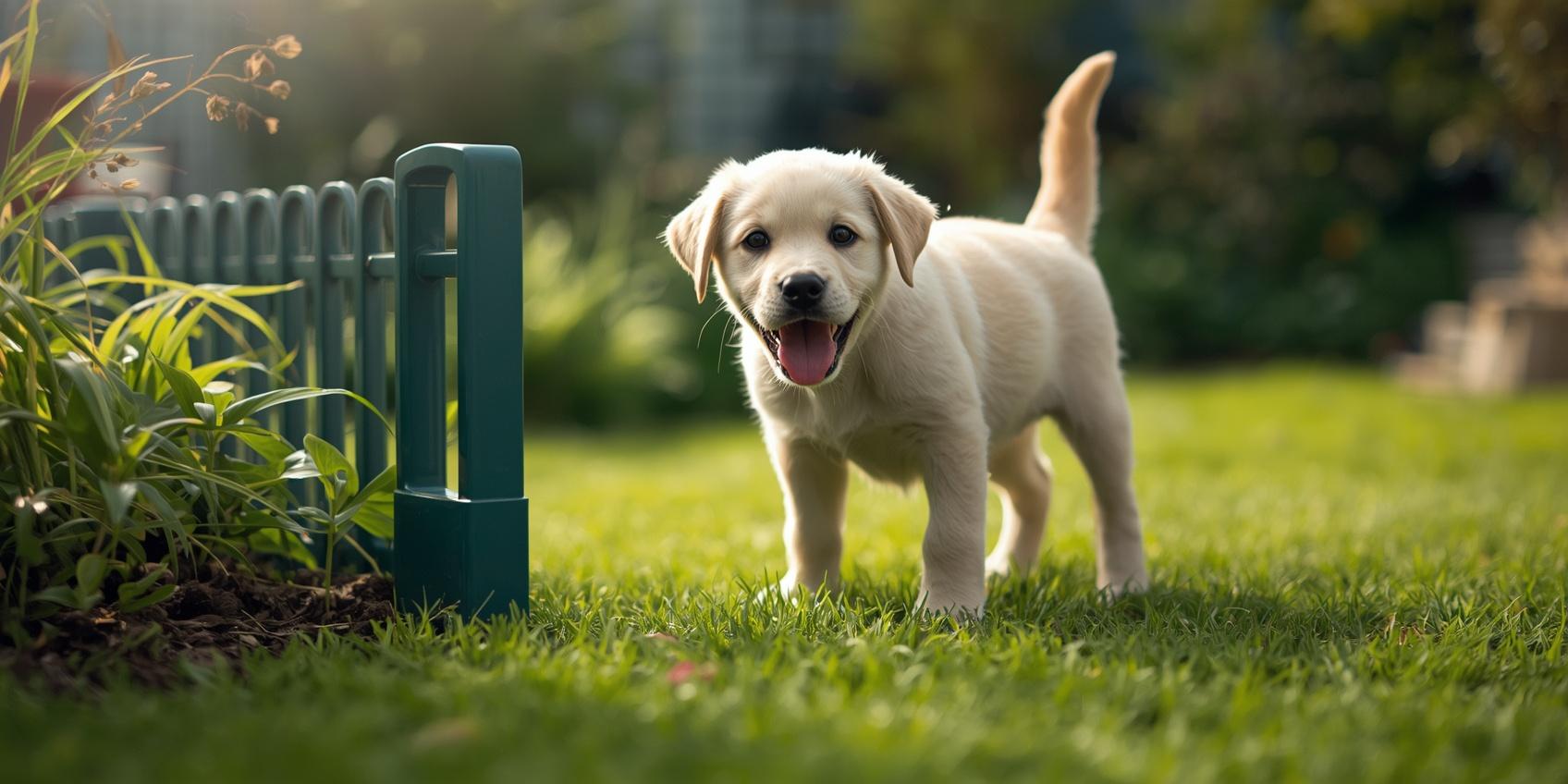
Bringing a puppy home is exciting, but it also means your house needs to be ready for a curious new friend. Puppies explore everything with their mouths and paws, which can lead to trouble if your space isn’t safe. You want to protect your furry buddy and keep your belongings intact (Puppy Proofing Your House). This guide will show you simple, effective ways to puppy proof your house. By making a few smart changes now, you’ll create a happy, secure space where your puppy can play and grow without risks. Keep reading to discover how easy it is to puppy proof your home and enjoy peace of mind every day. Credit: www.oneminddogs.com Preparing Your Space Preparing your space for a new puppy is very important. It helps keep your puppy safe and your home clean. Puppies are curious and can get into trouble quickly. Setting up a safe environment makes their first days easier and happier. Identify Hazardous Areas Look around your home carefully. Find places where your puppy could get hurt. Check for sharp objects, loose wires, and small items they might swallow. Watch out for stairs or balconies without barriers. Block these areas or keep them closed. Create A Safe Zone Make a special area just for your puppy. Use a crate or a playpen to keep them secure. Fill this space with soft bedding, toys, and water. This zone gives your puppy a quiet place to rest and feel safe. Remove Toxic Plants Some plants can be dangerous to puppies. Remove plants like lilies, azaleas, and tulips. Check your garden and all indoor pots. Replace toxic plants with safe, puppy-friendly ones. This protects your puppy from poisoning and sickness. Securing Electrical Items Keeping electrical items safe is important for your puppy and your home. Puppies love to chew on things. Electrical cords and small devices can be dangerous if not secured. Protect your pet from shocks and your house from damage. Take simple steps to keep these items out of reach. Covering Cords And Outlets Cover all electrical cords with plastic tubing or cord protectors. This stops puppies from chewing the wires. Use outlet covers on all unused plugs. These prevent puppies from poking their noses or tongues inside. Secure loose cords behind furniture. This limits your puppy’s access and keeps cords neat. Storing Small Electronics Keep small electronics like phones, chargers, and remotes out of reach. Store them in drawers or high shelves. Puppies can chew these and swallow small parts. Unplug devices when not in use. This reduces the risk of electric shock. Always check for loose batteries or wires before leaving devices around. Managing Food And Chemicals Managing food and chemicals is key to keeping puppies safe at home. Puppies explore with their mouths. They can eat or chew harmful things. Food and chemicals need careful handling. Some foods are toxic to dogs. Chemicals can cause serious harm if swallowed. Safe Storage Solutions Store food in high cabinets or locked containers. Use childproof latches on cupboards. Keep chemicals in original containers with labels. Place cleaning supplies out of reach. Avoid leaving food on counters or tables. Puppies can jump or climb to reach items. Avoiding Toxic Foods Do not feed puppies chocolate, grapes, or onions. These foods can cause illness or death. Keep candy, nuts, and alcohol away. Avoid giving cooked bones or raw dough. Know the foods safe for your puppy. Teach family members about harmful foods. Prevent accidental feeding by guests or children. Protecting Furniture And Belongings Bringing a puppy home means protecting your furniture and belongings. Puppies chew, scratch, and explore everything. Without protection, your favorite sofa or shoes may get damaged. Taking steps early saves money and stress. It also helps your puppy learn good habits quickly. Using Deterrents Deterrents keep puppies away from furniture and items. Bitter sprays taste bad and stop chewing. Place these sprays on couch legs or shoes. Noise deterrents work too. A quick sound can distract your puppy from bad behavior. Use deterrents consistently for best results. Choosing Puppy-friendly Materials Pick furniture made from tough, easy-to-clean materials. Leather or tightly woven fabrics resist scratches and stains. Avoid delicate fabrics like silk or velvet. Use washable covers on sofas and chairs. Choose plastic or metal for dog toys and bowls. These materials last longer and handle puppy play. Bathroom And Laundry Safety The bathroom and laundry room have many dangers for puppies. Chemicals, sharp items, and heavy machines can harm your new pet. Puppy proofing these areas is very important. It keeps your puppy safe and your home clean. Small spaces like these need extra care. Puppies are curious and may explore places they should not. Prevent accidents by making these rooms secure and safe. Securing Cabinets Cabinets often hold cleaning supplies and medicines. These are very harmful if your puppy finds them. Use childproof locks to keep cabinets closed tight. Check for gaps where your puppy can reach inside. Remove any dangerous items from low cabinets. Keeping Appliances Closed Washing machines and dryers can trap or injure puppies. Keep lids and doors closed all the time. Check that your puppy cannot open them. Unplug machines when not in use to avoid accidents. Keep laundry detergents and softeners out of reach. Credit: www.pawlicy.com Outdoor Area Precautions Outdoor spaces offer puppies fresh air and fun. These areas need safety checks. Puppies explore with mouths and paws. Hazards can cause injuries or illness. Proper precautions keep your puppy safe outside. Fencing And Gates Strong fencing stops puppies from running away. Check for gaps or loose boards. Gates should close tightly and lock securely. Avoid wire fences with sharp edges. Fence height should match your puppy’s jump ability. A safe fence creates a secure play area. Removing Dangerous Objects Clear the yard of sharp tools and trash. Remove toxic plants and chemicals from reach. Small objects can cause choking hazards. Keep garden hoses and cords away. Check the ground for broken glass or nails. A clean yard helps … Read more

Cleaning Your Cavalier’s Ears: Essential Guide & Simple Steps

Cleaning Your Cavalier's Ears

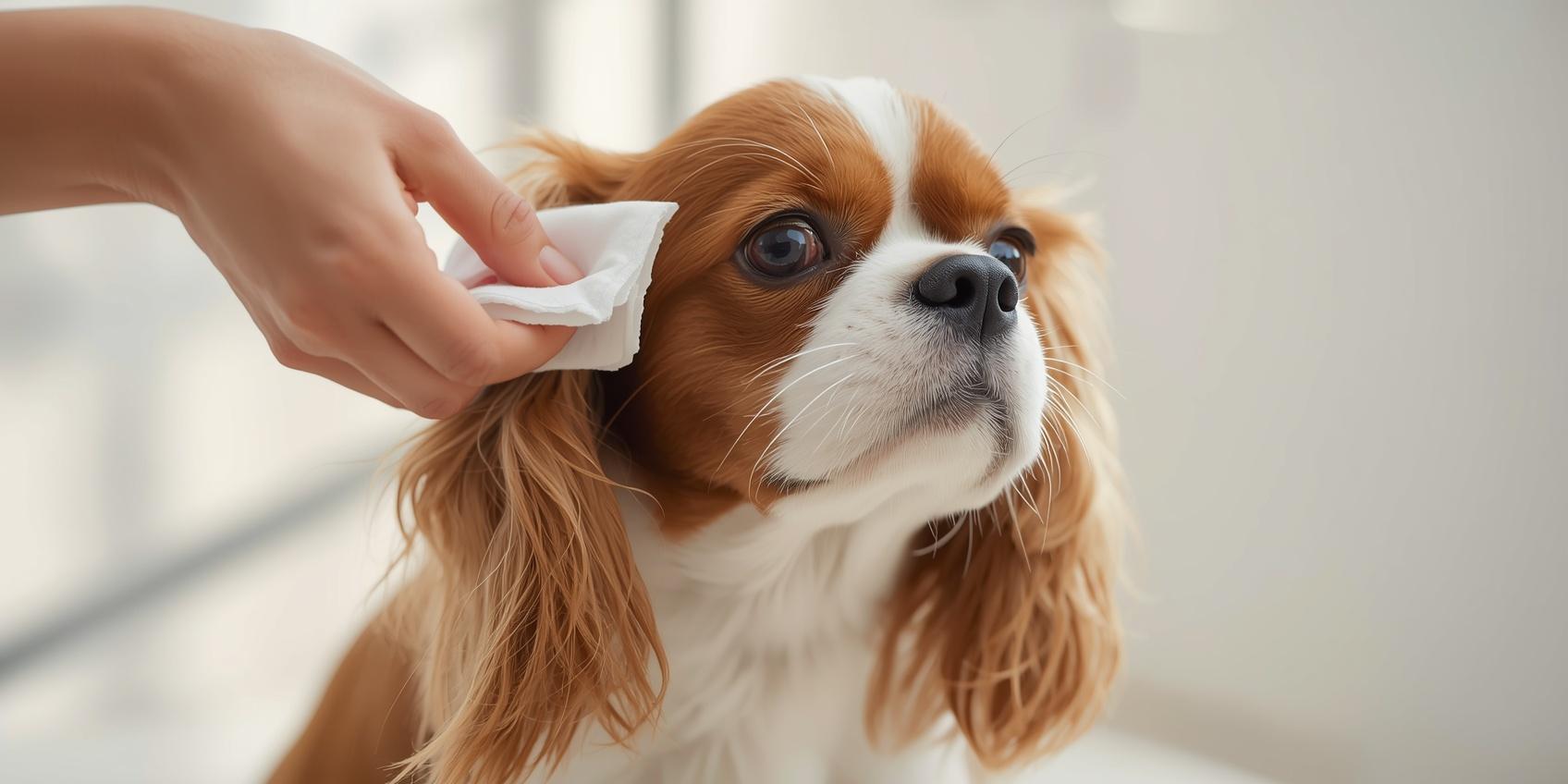
Your Cavalier’s ears need special care to stay healthy and happy. If you’ve noticed your dog scratching more or shaking its head, it might be time for an ear cleaning. But cleaning your Cavalier’s ears can feel tricky if you’re not sure how to do it right. You’ll learn simple steps to keep your furry friend’s ears clean and comfortable. By the end, you’ll feel confident giving your Cavalier the gentle ear care they deserve—helping you avoid infections and keep those adorable ears looking their best. Keep reading to discover easy tips that make ear cleaning stress-free for both you and your dog! Ear Anatomy The ear is a sensitive part of your Cavalier’s body. Understanding its structure helps you clean it safely. The ear has three main parts: the outer ear, middle ear, and inner ear. Each part has a role in hearing and balance. The outer ear is the most visible. It includes the ear flap and ear canal. This area collects sound and directs it inside. The middle ear holds tiny bones that pass sound vibrations. The inner ear contains organs for hearing and balance. Cavalier Ear Structure Cavaliers have long, floppy ears. Their ear flaps cover the ear canal. This shape can trap dirt and moisture. The ear canal is narrow and curved. It leads to the eardrum, a thin membrane that vibrates with sound. The skin inside the ear canal is delicate. It produces wax to protect against dust and bacteria. Ear wax keeps the ear clean but can build up if not cleaned. The ear’s shape makes Cavaliers more likely to get ear problems. Common Ear Issues Ear infections are common in Cavaliers. They can cause redness, swelling, and bad smell. Moisture trapped in the ear canal often causes infections. Allergies and ear mites also cause irritation. Excess wax can block the ear canal. This may cause discomfort and hearing loss. Watch for your dog scratching or shaking its head. Early care prevents serious ear problems and pain. Credit: www.amazon.com Signs Of Ear Problems Knowing the signs of ear problems in your Cavalier helps prevent serious issues. Early detection can save your dog from pain and discomfort. Watch closely for changes in behavior and physical symptoms. Acting fast can keep your pet healthy and happy. Behavioral Indicators Your Cavalier may scratch their ears more than usual. They might shake their head often. Avoiding touch near the ears is common. Your dog could seem restless or irritable. These signs often mean your dog feels discomfort in their ears. Physical Symptoms Check for redness or swelling inside the ears. A bad smell can come from infected ears. Dark or yellow discharge may appear. Your dog’s ears might be warm to the touch. Hair loss around the ear area can also happen. These signs show a possible ear infection or problem. Tools Needed Cleaning your Cavalier’s ears needs the right tools. Using proper items helps keep ears healthy. It also makes cleaning safe and easy. Preparing tools before starting saves time and stress. Ear Cleaning Solutions Choose an ear cleaner made for dogs. These solutions help remove dirt and wax. They also stop infections from forming. Avoid using alcohol or hydrogen peroxide. They can hurt your dog’s ear skin. Use a gentle, vet-approved cleaner for best results. Cleaning Accessories Soft cotton balls or pads work well to wipe ears. Avoid cotton swabs; they may push dirt inside. You need a towel to catch drips. Treat your dog gently to keep them calm. Having treats ready can make cleaning easier. Credit: www.youtube.com Step-by-step Cleaning Cleaning your Cavalier’s ears keeps them healthy and free from infections. Dirt, wax, and moisture can cause discomfort or illness. Regular cleaning helps catch problems early. Follow these simple steps for safe ear care. Preparing Your Dog Find a quiet, comfortable spot for your dog. Use gentle words to keep them calm. Gather all supplies: ear cleaner, cotton balls, and a towel. Check the ear for redness or bad smell. If you see swelling, consult a vet first. Cleaning Process Hold your dog’s ear flap gently but firmly. Pour a few drops of ear cleaner inside the ear canal. Massage the base of the ear for 20 seconds to loosen wax. Let your dog shake their head to remove debris. Use a cotton ball to wipe away dirt gently. Avoid using cotton swabs deep inside the ear. Drying And Aftercare Use a dry cotton ball to absorb moisture inside the ear. Make sure the ear feels dry but not irritated. Praise your dog with soft words and petting. Check ears weekly and clean only if needed. Watch for signs of infection like redness or bad smell. Frequency And Routine Cleaning your Cavalier’s ears needs a clear plan. A good routine helps stop infections and keeps ears fresh. Knowing how often to clean is key. Too much cleaning can hurt, too little can cause problems. A steady routine balances care and safety. How Often To Clean Check your Cavalier’s ears once a week. Look for dirt, wax, or bad smells. Clean ears every two weeks if they stay clean. More cleaning is needed if ears look dirty or your dog scratches a lot. Some dogs need weekly care due to floppy ears. Maintaining Ear Health Use gentle ear cleaner made for dogs. Avoid cotton swabs inside the ear canal. Wipe only the outer ear with a soft cloth or cotton ball. Keep ears dry after baths or swimming. Regular checks help catch problems early. Healthy ears mean a happy Cavalier. Credit: www.akc.org When To See A Vet Knowing when to see a vet is important for your Cavalier’s ear health. Some ear problems need expert care. Acting early can stop pain and bigger issues. Watch your dog closely for signs that need attention. Persistent Symptoms Ear problems that last more than a few days need a vet visit. Redness, swelling, or bad smell are warning signs. Scratching or shaking the head often shows discomfort. … Read more

Homemade Dog Pancakes: Easy Healthy Recipe Your Pup Adores

Homemade Dog Pancakes

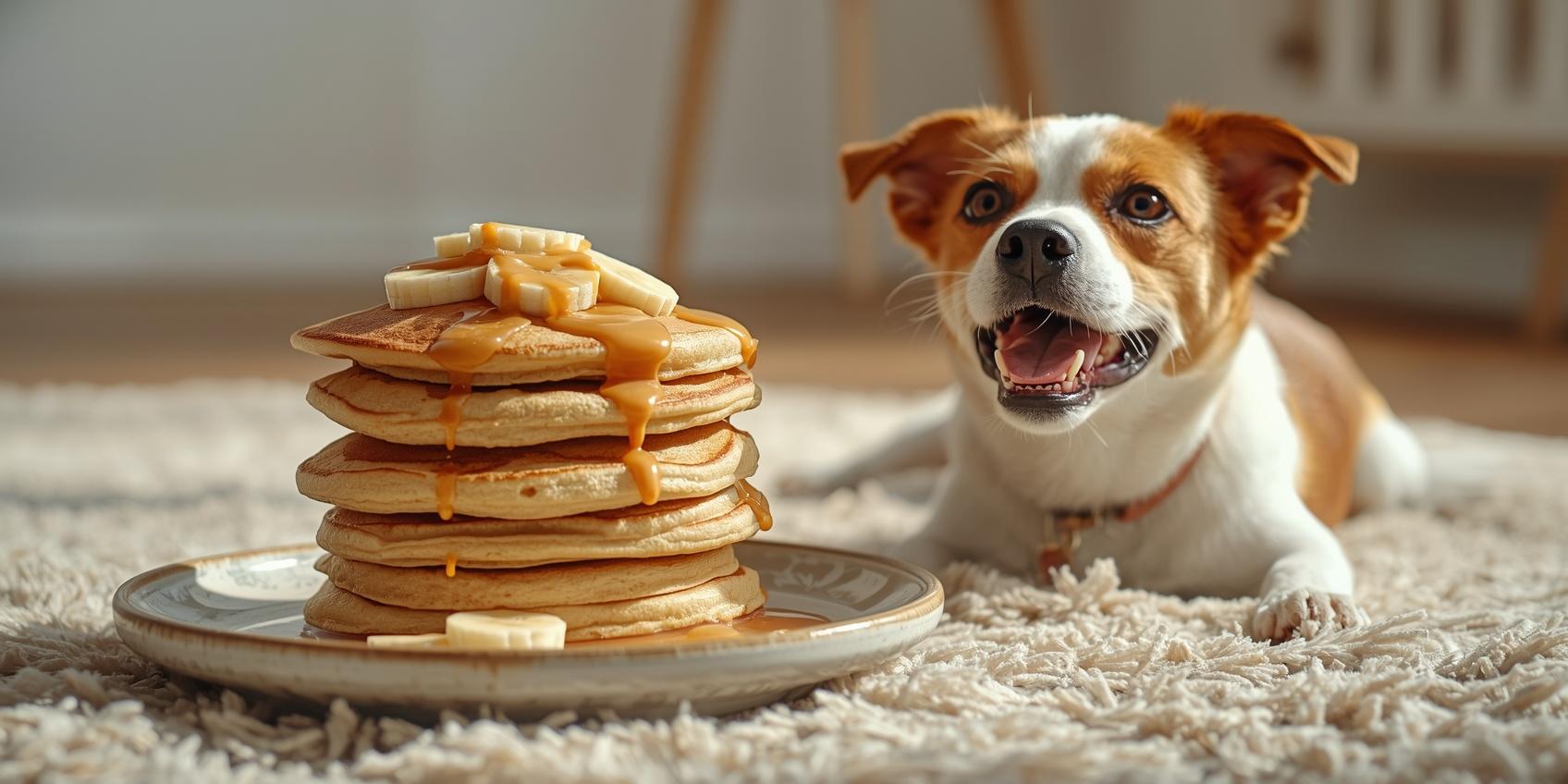
If you love spoiling your furry friend, homemade dog pancakes are a delicious way to show you care. Imagine your dog’s tail wagging as they enjoy a tasty treat made just for them. These pancakes are simple to make, healthy, and perfect for special mornings or rewarding good behavior. Keep reading, and you’ll discover easy recipes and tips that will make your dog’s day—and yours! Ingredients For Dog Pancakes Making dog pancakes at home is simple and fun. Choosing the right ingredients keeps your dog safe and happy. Use fresh, healthy items that suit your dog’s needs. Avoid anything that could upset their stomach or cause allergies. Here are the key ingredients for tasty, dog-friendly pancakes. Dog-friendly Flours Choose flours that dogs digest well. Oat flour is a great option. It is gentle on the stomach and full of fiber. Rice flour works well for dogs with allergies. Coconut flour adds healthy fats and a nice texture. Avoid wheat flour if your dog is sensitive to gluten. Safe Add-ins And Toppings Use natural ingredients to make pancakes tasty. Mashed bananas add sweetness without sugar. Pumpkin puree helps with digestion and adds flavor. Plain yogurt offers probiotics and creaminess. Small pieces of cooked chicken or eggs add protein. Blueberries and carrots work well as healthy toppings. Avoiding Harmful Ingredients Never use ingredients toxic to dogs. Chocolate, sugar, and artificial sweeteners harm dogs. Avoid salt and spices like onion or garlic powder. Milk can upset some dogs’ stomachs. Always skip nuts and raisins, as they can be dangerous. Stick to simple, natural foods for safe pancakes. Simple Pancake Recipes Making pancakes for your dog is easy and fun. These simple recipes use common ingredients. They are safe and tasty for your furry friend. You can prepare them in minutes and enjoy a special treat together. Try these three easy recipes to start. Each one has a unique flavor your dog will love. Use fresh ingredients to keep the pancakes healthy and delicious. Basic Pancake Mix Mix one cup of whole wheat flour with one egg. Add half a cup of water or unsweetened milk. Stir until smooth and thick but pourable. Cook small pancakes on a non-stick pan over low heat. Flip carefully after bubbles appear. Cool before serving to your dog. Peanut Butter Pancakes Start with the basic pancake mix. Add two tablespoons of natural peanut butter. Make sure it has no xylitol or sugar. Stir well to blend the peanut butter evenly. Cook pancakes as usual. These taste great and give a protein boost. Pumpkin Pancakes Add half a cup of canned pumpkin to the basic mix. Pumpkin is good for digestion and adds flavor. Mix all ingredients well until smooth. Cook pancakes on a warm pan until golden. Let them cool before giving to your dog. Cooking Tips And Techniques Making homemade dog pancakes is fun and rewarding. The right cooking tips make the process smooth and the results tasty. Simple techniques help keep pancakes soft and perfect for your dog. Choosing The Right Pan Pick a non-stick pan for easy cooking and cleaning. A small skillet works best for dog-sized pancakes. Make sure the pan heats evenly to avoid burning. Avoid using pans with scratches or damage. Proper Cooking Temperature Cook pancakes on low to medium heat. High heat can burn the outside and leave the inside raw. Slow cooking helps pancakes stay soft and fluffy. Adjust the heat if the pancake cooks too fast. Flipping Without Mess Use a thin, flexible spatula for easy flipping. Slide the spatula gently under the pancake edge. Flip quickly but carefully to keep the shape. Practice helps to flip without breaking or making a mess. Credit: www.petsittersireland.com Serving Ideas And Presentation Serving homemade dog pancakes is a fun way to make snack time special. Presentation matters. It can excite your dog and make the treat more enjoyable. Try different ideas for toppings, sizes, and shapes. These simple touches can turn plain pancakes into a tasty feast for your pet. Healthy Toppings For Dogs Choose toppings that are safe and good for dogs. Fresh fruits like blueberries and sliced bananas work well. A small spoon of plain yogurt adds creaminess without sugar. Cooked pumpkin or sweet potato is tasty and good for digestion. Avoid chocolate, sugar, or anything toxic to dogs. Portion Sizes Keep portions small to avoid overfeeding. One or two mini pancakes suit small dogs. Medium dogs can have two to three pancakes. Large dogs might enjoy three or four. Adjust size based on your dog’s weight and activity level. Treats should not replace balanced meals. Creative Shapes And Sizes Use cookie cutters to make fun shapes. Hearts, bones, or stars add charm. Smaller shapes are easier for little dogs to eat. Larger pancakes work for bigger dogs or multiple small treats. Creative shapes make snack time playful and inviting. Nutritional Benefits Homemade dog pancakes offer more than just a tasty treat. They provide important nutrients that support your dog’s health. Making pancakes at home lets you control the ingredients. This helps you include healthy options that benefit your dog’s body. Vitamins And Minerals Dog pancakes can supply key vitamins and minerals. Ingredients like pumpkin or carrots add vitamin A. This vitamin helps with vision and skin health. Whole wheat flour adds B vitamins that support energy. Minerals like iron and calcium help strong bones and blood. Protein Sources Protein is vital for muscle and tissue repair. Adding eggs or cottage cheese to pancakes gives a good protein boost. Chicken or peanut butter also adds protein and flavor. Protein helps dogs stay active and strong every day. Low-calorie Options Homemade pancakes can be made low in calories. Using ingredients like oats and apples keeps calories down. Avoid sugar and fatty toppings to keep treats light. Low-calorie pancakes help maintain a healthy weight for your dog. Safety And Allergy Considerations Homemade dog pancakes are a fun treat for your pet. Safety is very important when making these snacks. Some ingredients … Read more