Doggy Scout

Homemade Sourdough Dog Treats: Easy Healthy Recipe Your Pup Loves
Homemade Sourdough Dog Treats

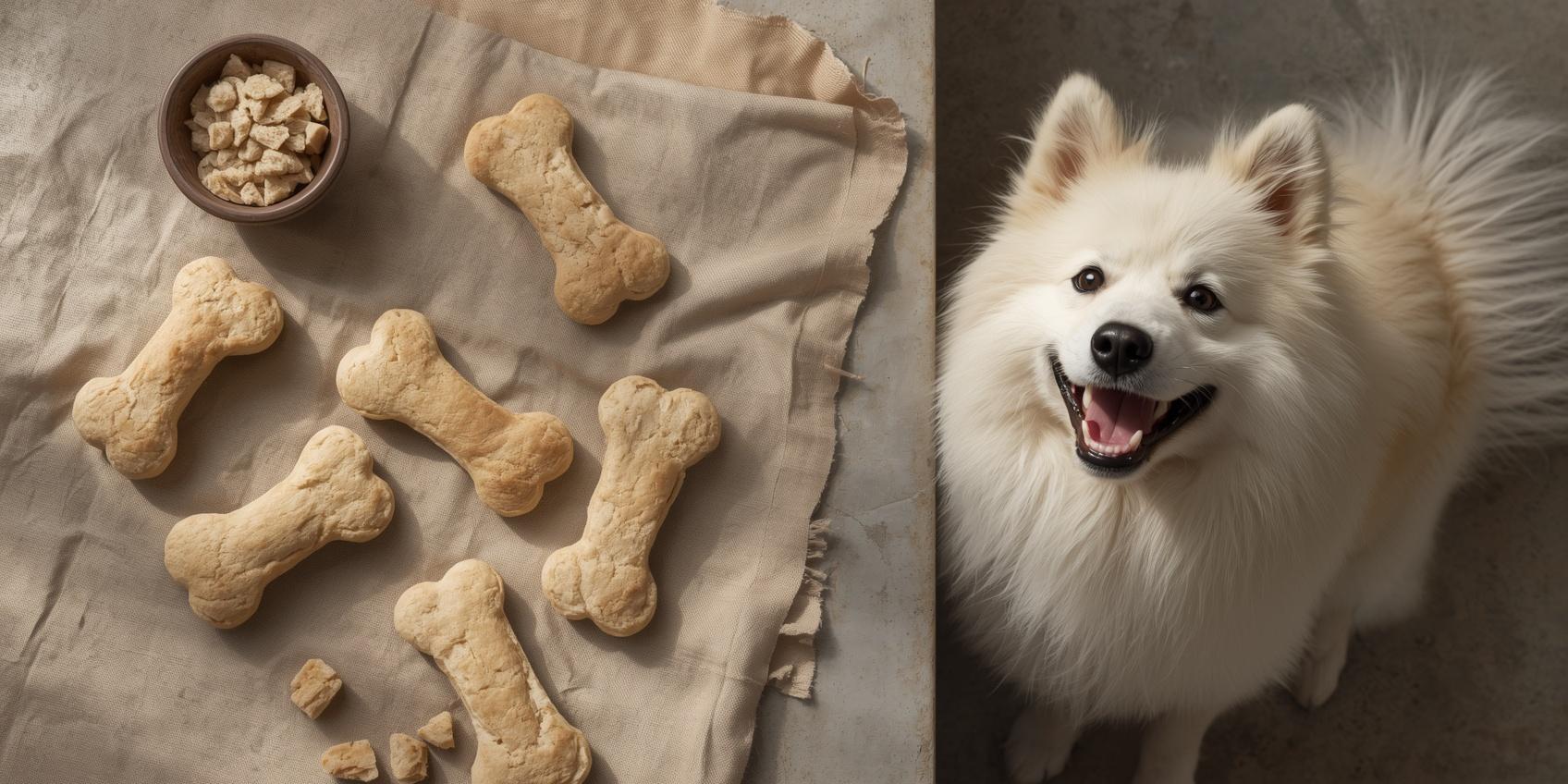
If you love treating your dog to something special, homemade sourdough dog treats are a delicious and healthy choice you can feel good about. Making these treats yourself lets you control every ingredient, ensuring your furry friend gets nothing but the best. Plus, the unique tangy flavor and chewy texture of sourdough will have your dog wagging their tail for more. Keep reading to discover easy recipes and tips that will turn your kitchen into your pup’s favorite bakery! Credit: www.flavourandsavour.com Benefits Of Sourdough Treats Homemade sourdough dog treats offer many benefits for your furry friend. They are a healthy alternative to store-bought snacks. These treats support your dog’s digestion and overall health. Plus, you can control every ingredient used. That means safer and tastier treats for your pet. Digestive Advantages Sourdough treats contain natural probiotics. These good bacteria help balance your dog’s gut. A healthy gut means better digestion and nutrient absorption. Dogs with sensitive stomachs may find sourdough easier to digest. This reduces the chance of tummy upset and gas. Probiotics also boost the immune system naturally. Natural Ingredients Homemade sourdough treats use simple, natural ingredients. There are no artificial colors or preservatives. This lowers the risk of allergies and health problems. You can choose whole grains and fresh additions. These treats avoid harmful chemicals found in many commercial snacks. Natural ingredients keep your dog safe and happy. Customization For Dogs Making sourdough treats at home lets you customize recipes. Add flavors your dog loves, like pumpkin or peanut butter. Adjust the size and texture for small or large dogs. You can avoid ingredients that cause allergies or sensitivities. Homemade treats fit your dog’s needs perfectly. This personalization helps keep your dog healthy and satisfied. Essential Ingredients Making homemade sourdough dog treats needs the right ingredients. These ingredients keep your dog safe and happy. Choose flours and flavors that help your dog’s health. Avoid anything that can hurt your dog. This section explains what to use and what to skip. Flours Suitable For Dogs Choose flours that dogs can digest easily. Whole wheat flour is a good option for most dogs. Rice flour is gentle on sensitive stomachs. Oat flour adds fiber and is easy to find. Avoid flours with gluten if your dog is allergic. Use small amounts to prevent stomach upset. Safe Additives And Flavors Use natural flavors that dogs enjoy. Peanut butter without xylitol is a favorite. Pumpkin puree adds vitamins and moisture. Plain yogurt supports digestion and adds taste. Add a little cinnamon for flavor, but avoid nutmeg. Use fresh herbs like parsley for a healthy twist. Avoiding Harmful Substances Some ingredients can be toxic to dogs. Never use chocolate, grapes, or raisins. Avoid artificial sweeteners like xylitol. Onions and garlic are harmful and must be skipped. Salt and sugar should be very limited. Always check ingredients before using them in treats. Creating The Sourdough Starter Creating the sourdough starter is the first step in making homemade sourdough dog treats. This starter acts as a natural leavening agent and helps give the treats a unique flavor and texture. It is a mix of flour and water that captures wild yeast and good bacteria from the environment. This mix ferments over time to become bubbly and active. A healthy starter ensures your dog treats rise properly and taste great. Starter Ingredients The starter needs only two simple ingredients: flour and water. Use whole wheat or rye flour for best results. These flours contain more nutrients and natural yeast than white flour. Use clean, filtered water without chlorine. Chlorine can kill the yeast and bacteria needed for fermentation. Mix equal parts flour and water to begin your starter. Use a glass or plastic container for this process. Feeding And Maintenance Feed your starter daily to keep it alive and active. Remove half of the starter before feeding. Add fresh flour and water in equal parts to the remaining mixture. Stir well to combine. Keep the starter at room temperature, about 70°F (21°C). It will take about 5 to 7 days to become bubbly and ready for baking. If not used daily, store the starter in the refrigerator. Feed it once a week in this case. Signs Of A Healthy Starter A healthy starter bubbles and grows in size. It has a pleasant, slightly sour smell. The texture is thick but easy to stir. No pink or orange colors should appear. These signs mean the starter is active and safe to use. Use it to bake your dog treats once it doubles in size after feeding. An active starter gives your treats a light, crunchy texture dogs love. Credit: gbskitchen.com Mixing The Dough Mixing the dough is the first step in making homemade sourdough dog treats. It shapes the texture and flavor of the treats. Taking your time here helps create a perfect dough for baking. Every ingredient plays an important role. The right mix makes dough easy to handle and tasty for your dog. Let’s break down the process into simple steps. Measuring Ingredients Start by measuring each ingredient carefully. Use a kitchen scale for accuracy. Precise amounts ensure consistent results every time. Too much flour or water changes the dough’s feel and taste. Common ingredients include flour, sourdough starter, and water. Measure them in cups or grams. Keep everything ready before mixing. This makes the process smooth and fast. Combining Flour And Starter Mix the flour and sourdough starter in a large bowl. Stir gently to blend. The starter adds natural yeast and flavor. It helps the dough rise slightly and makes treats chewy. Use a wooden spoon or your hands. Mix until the flour absorbs the starter fully. The dough will start to come together but still feel sticky. Adjusting Consistency Check the dough’s texture next. It should be soft but not too wet. Add a little flour if too sticky. Add water if too dry. Adjust in small amounts for best results. The dough is ready when it holds together well. It … Read more
Homemade Two Ingredient Pupsicles: Easy Frozen Dog Treats

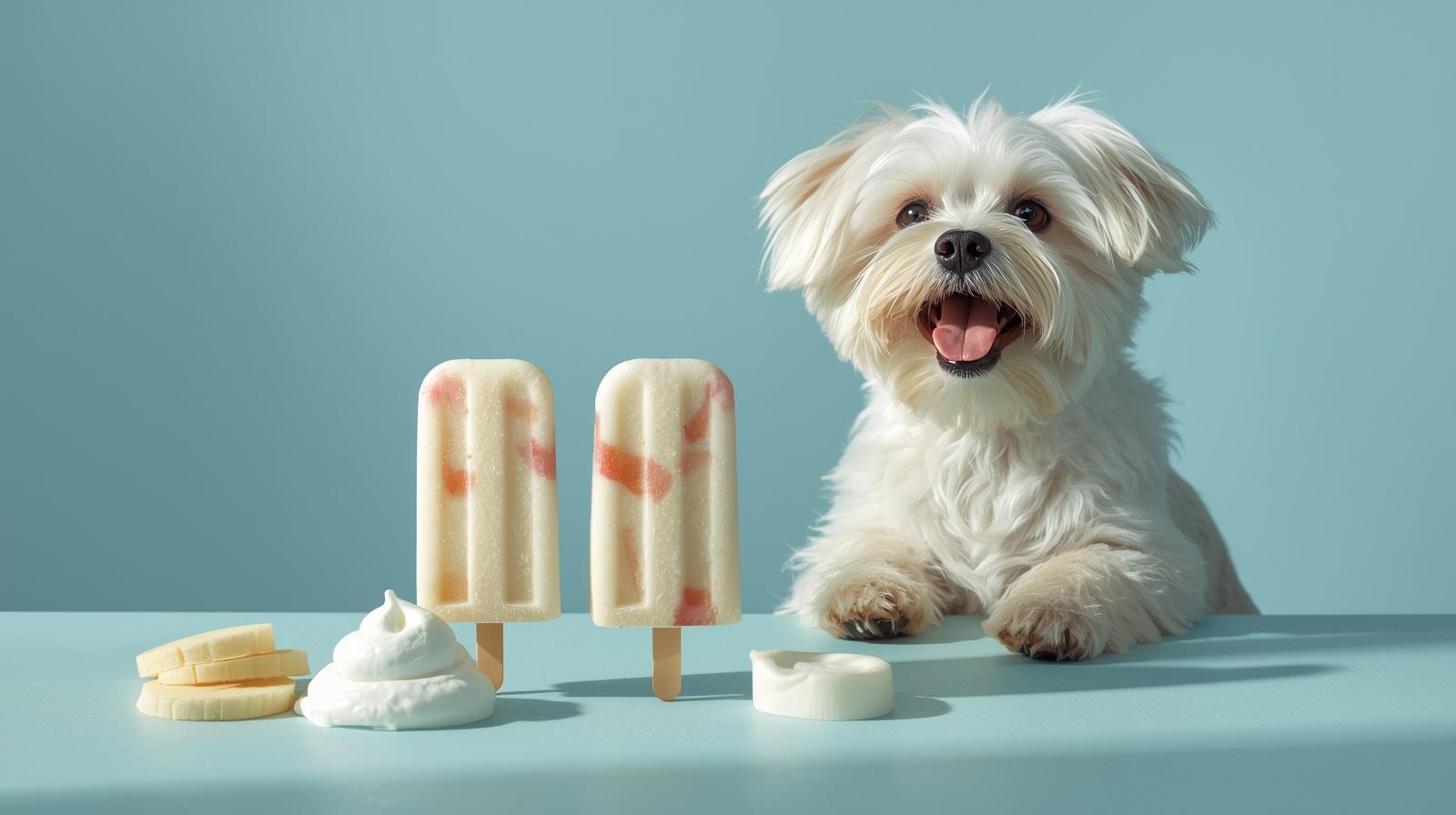
Your furry friend deserves a cool treat just as much as you do. Imagine giving your dog a healthy, tasty snack that only takes two simple ingredients to make. Homemade Two Ingredient Pupsicles are not only easy to prepare but also perfect for keeping your pup refreshed on hot days. Ready to spoil your dog with something delicious and good for them? Keep reading to discover how you can make these refreshing treats in no time! Credit: bakingmischief.com Benefits Of Pupsicles Pupsicles are a simple and fun way to keep your dog happy and cool. They offer several benefits that make them a great treat. These frozen snacks help dogs stay hydrated and refreshed. They are also easy to make with just two ingredients. Plus, pupsicles use healthy ingredients that dogs love. Let’s explore these benefits more closely. Hydration For Dogs Pupsicles help dogs drink more water. Many dogs do not like to drink enough water, especially on hot days. These frozen treats melt slowly, giving dogs a tasty way to stay hydrated. Hydration is important to keep dogs healthy and active. Pupsicles encourage drinking by combining flavor with water. This makes it easier for dogs to get the water they need. Easy Treats For Hot Days Hot days can be tough for dogs. Pupsicles cool them down quickly. They are simple to make with only two ingredients. This means less time in the kitchen for you. You can prepare pupsicles in advance and store them in the freezer. They are a perfect summer snack that dogs enjoy. Cold and refreshing, pupsicles keep dogs comfortable during heat. Healthy Ingredients Homemade pupsicles use natural, healthy ingredients. You know exactly what goes inside. Common ingredients include yogurt and fruit, which are good for dogs. These ingredients provide nutrients without any harmful additives. Store-bought treats often have sugars and preservatives. Pupsicles avoid these and focus on clean, simple nutrition. Healthy ingredients support your dog’s overall well-being. Credit: bakingmischief.com Choosing Ingredients Choosing the right ingredients is key for homemade two ingredient pupsicles. Dogs need safe, tasty items that help them stay cool and happy. The ingredients must be healthy and easy to digest. This makes pupsicles a perfect treat for hot days. Always pick items dogs love and can eat without problems. Best Dog-friendly Ingredients Plain yogurt is a top choice. It contains probiotics that help digestion. Use unsweetened and low-fat yogurt for the best results. Peanut butter is another favorite. It must be natural and free from xylitol, a toxic sweetener. Fresh fruits like blueberries or strawberries add flavor and vitamins. Frozen broth, like chicken or beef, works well too. These ingredients keep pupsicles tasty and safe. Avoiding Harmful Additives Stay away from sugar, salt, and artificial sweeteners. These can harm dogs’ health. Do not use chocolate, grapes, or raisins. These are toxic to dogs. Avoid dairy if your dog is lactose intolerant. Check labels carefully to skip preservatives and chemicals. Only use fresh, natural ingredients for pupsicles. Safety must always come first. Simple Recipes Making homemade pupsicles is easy and fun. These simple recipes use only two ingredients. They are healthy and tasty treats for your dog. Each recipe uses common ingredients you can find at home. Perfect for warm days or training rewards. Peanut Butter And Banana Mix one ripe banana with two tablespoons of peanut butter. Use natural peanut butter without xylitol. Mash the banana well and blend in the peanut butter. Pour the mix into molds and freeze for a few hours. Your dog will enjoy this sweet and creamy treat. Yogurt And Blueberry Take half a cup of plain yogurt and add fresh blueberries. Blueberries are full of antioxidants and vitamins. Stir the blueberries into the yogurt gently. Fill ice cube trays and freeze until solid. This pupsicle is cool and refreshing. Pumpkin And Apple Combine half a cup of pure pumpkin with finely chopped apple pieces. Pumpkin helps with digestion and is full of fiber. Make sure the apple has no seeds. Mix well and freeze in small molds. This pupsicle offers a crunchy and smooth texture. Credit: bakingmischief.com Preparation Tips Making homemade two ingredient pupsicles is simple and fun. Proper preparation helps keep them tasty and safe for dogs. Use these tips to prepare and store pupsicles well. Freezing Techniques Fill molds with the two ingredients evenly. Avoid air bubbles by tapping the mold gently. Freeze the pupsicles on a flat surface. Keep them frozen for at least 4 hours. Use silicone molds for easy removal. Portion Sizes Choose mold sizes based on your dog’s size. Small dogs need smaller pupsicles to avoid choking. Medium and large dogs can have bigger portions. Break larger pupsicles into smaller pieces if needed. Watch your dog eating to adjust portion size. Storage Suggestions Store pupsicles in an airtight container or bag. Keep them in the freezer until ready to serve. Label the container with the date made. Use pupsicles within two weeks for freshness. Avoid refreezing melted pupsicles to keep quality. Serving Ideas Serving homemade two ingredient pupsicles offers many fun ways to treat your dog. These frozen treats are perfect for warm days and active pups. They can help your dog stay happy and hydrated. Here are some simple ideas for serving pupsicles that your dog will enjoy. Outdoor Activities Bring pupsicles on walks or park visits. They make a cool snack after running or playing. Carry them in a small cooler to keep frozen. Your dog will love the refreshing taste during outdoor fun. Pupsicles also help dogs relax in the shade. Great for hot summer days outside. Cooling Down After Exercise Offer pupsicles after exercise sessions. They help lower your dog’s body temperature. Perfect after a game of fetch or a long run. Easy to serve and gentle on tired mouths. Helps prevent overheating and keeps your dog calm. A simple way to reward exercise effort. Safety Considerations Homemade two ingredient pupsicles are a fun and healthy treat for dogs. Safety is very important when … Read more

Healthy Dog Dinner Recipes: Easy Nutritious Meals Dogs Love

Healthy Dog Dinner Recipes

You want the best for your furry friend, especially when it comes to their meals. Feeding your dog healthy dinners not only keeps them happy but also boosts their energy and supports a strong immune system. Imagine seeing your dog wag their tail eagerly at every meal, knowing you’re giving them food that’s both tasty and good for them. You’ll discover simple, nutritious and healthy dog dinner recipes that are easy to make and packed with ingredients your pet will love. Keep reading to learn how you can make mealtime a special, healthy moment for your dog every day. Benefits Of Homemade Dog Dinners Preparing homemade dinners for your dog offers many health advantages. You control the ingredients and avoid harmful additives. Fresh meals help improve digestion and boost energy levels. Homemade dog food can be tailored to your pet’s needs. It supports better weight management and strengthens the immune system. Your dog gets balanced nutrition without fillers or preservatives. Better Ingredient Control You choose fresh, high-quality ingredients for every meal. This reduces risks of allergies and food sensitivities. Avoiding artificial colors and flavors keeps your dog healthier. Improved Digestion Fresh ingredients are easier for dogs to digest. This reduces stomach upset and gas. Proper digestion helps your dog absorb more nutrients from food. Custom Nutrition For Your Dog Homemade meals can meet your dog’s specific dietary needs. Adjust protein, fat, and fiber based on their age and health. This supports overall well-being and vitality. Stronger Immune System Fresh foods provide antioxidants and vitamins that boost immunity. A strong immune system helps fight infections and illness. This keeps your dog active and happy longer. Better Weight Management Control portion sizes and ingredients to maintain healthy weight. Avoid excess calories and unhealthy fats found in some commercial foods. A proper weight reduces risks of many diseases. Essential Nutrients For Dogs Healthy dog dinners need key nutrients to keep dogs strong and happy. Each nutrient plays a special role in your dog’s health. Knowing these helps you cook meals that support their energy and growth. Proteins Proteins build muscles and repair tissues. Good sources include chicken, beef, and fish. Dogs need protein daily to stay active and healthy. It also supports their immune system. Carbohydrates Carbohydrates provide energy for daily activities. Rice, sweet potatoes, and oats are great options. They help keep your dog full and energized. Carbs should be balanced with other nutrients. Fats Fats give long-lasting energy and keep the coat shiny. Fish oil and chicken fat are healthy fats. Fats also help absorb vitamins and protect organs. Use fats in moderate amounts. Vitamins And Minerals Vitamins and minerals support overall health and body functions. Vegetables like carrots and spinach offer many vitamins. Minerals like calcium and phosphorus strengthen bones. A variety of foods ensures your dog gets these essentials. Safe Ingredients For Dog Meals Choosing safe ingredients for your dog’s dinner is very important. Healthy meals keep dogs strong and happy. Using the right foods helps avoid health problems. It also supports good digestion and energy. Not all human foods are safe for dogs. Some can cause serious harm. Knowing which ingredients are safe makes meal prep easier. This section covers meats, vegetables, grains, and fruits safe for dogs. Meats And Proteins Dogs need protein to build muscles and stay active. Chicken, turkey, and lean beef are great choices. Fish like salmon or whitefish provide good fats. Always cook meats well to kill bacteria. Avoid processed meats and bones that can splinter. Vegetables Vegetables give dogs vitamins and fiber. Carrots, green beans, and peas are safe and healthy. Sweet potatoes offer good energy and nutrients. Avoid onions, garlic, and mushrooms, which are toxic. Serve vegetables cooked or mashed for easy digestion. Grains And Legumes Grains provide energy and help with digestion. Brown rice and oatmeal are gentle on the stomach. Lentils and chickpeas add protein and fiber. Some dogs may have grain allergies, so watch for reactions. Cook all grains and legumes thoroughly before serving. Fruits Fruits give natural sweetness and vitamins. Apples (without seeds), blueberries, and bananas are safe snacks. Avoid grapes, raisins, and cherries as they are harmful. Serve fruits in small amounts to avoid stomach upset. Fresh, ripe fruits are best for dogs. Credit: cleananddelicious.com Ingredients To Avoid Choosing the right ingredients is key for a healthy dog dinner. Some foods harm dogs and cause health problems. Avoiding these ingredients keeps your dog safe and happy. Many common human foods are toxic to dogs. They can cause upset stomachs or worse. Knowing which ingredients to skip helps you cook better meals. Chocolate and Caffeine Chocolate contains substances harmful to dogs. It can cause vomiting, diarrhea, and even seizures. Coffee, tea, and energy drinks also contain caffeine. Keep all these away from your dog’s meals. Onions and Garlic Onions and garlic damage dog’s red blood cells. This leads to weakness and breathing problems. Both fresh and powdered forms are dangerous. Avoid adding these to your dog’s food. Grapes and Raisins Grapes and raisins can cause kidney failure in dogs. Even small amounts can be harmful. Keep these fruits out of your dog’s dinner recipes. Never feed your dog grape or raisin products. Xylitol Xylitol is a sweetener found in many sugar-free products. It causes a dangerous drop in blood sugar for dogs. Peanut butter and gum often contain xylitol. Always check labels before offering treats. Raw Dough and Bones Raw dough can expand in a dog’s stomach, causing pain. Raw bones may splinter and injure the digestive tract. Cooked bones are unsafe too. Avoid feeding raw dough or any bones to dogs. Easy Healthy Dog Dinner Recipes Preparing healthy dinners for your dog can be simple and quick. These recipes use common ingredients and provide balanced nutrition. They support your dog’s energy, digestion, and coat health. Each dish includes protein, veggies, and carbs for a full meal. Chicken And Rice Bowl Cook boneless chicken breast until tender. Boil white rice until soft. Mix small pieces of … Read more

Pet Food and Treats: Essential Guide to Healthy Choices

Pet Food and Treats

When it comes to your pet’s health and happiness, what you feed them matters more than you might think. Choosing the right pet food and treats isn’t just about filling their bowl—it’s about giving your furry friend the nutrients they need to thrive. You want to make sure every bite supports their energy, mood, and overall well-being. You’ll discover how to pick the best options that suit your pet’s unique needs and preferences. Keep reading to find out how simple changes in their diet can make a big difference in their life—and yours. Credit: www.businessinsider.com Types Of Pet Food Choosing the right pet food is important for your pet’s health. Pets need different types of food for energy and growth. Each type offers unique benefits. Understanding these types helps you pick the best food for your pet. Dry Food Options Dry food is popular and easy to store. It has low moisture and a crunchy texture. This type helps clean your pet’s teeth. Dry food lasts longer once opened. It is usually less expensive than other types. Wet Food Varieties Wet food contains more water and has a soft texture. It is good for pets who need more hydration. Many pets find wet food tastier. It usually has a stronger smell and flavor. Wet food can be more expensive and spoils faster. Raw Diets Raw diets include uncooked meat, bones, and organs. Some pet owners believe raw food is closer to natural diets. It may improve coat shine and energy levels. Raw diets need careful handling to avoid bacteria. Consult a vet before starting raw feeding. Homemade Meals Homemade meals let you control ingredients and quality. You can tailor meals to your pet’s needs. Cooking at home ensures no fillers or preservatives. It takes more time and effort to prepare. Always check recipes for balanced nutrition. Ingredients To Look For Choosing the right ingredients in pet food and treats is very important. Healthy ingredients help pets stay strong and happy. Knowing what to check can make a big difference. This guide explains key ingredients to find in pet food and treats. Proteins And Meat Sources Protein is the main building block for your pet’s body. Look for real meat like chicken, beef, or fish listed first. Meat meals and animal by-products can be okay if clearly named. Avoid vague terms like “meat” or “poultry” without details. High-quality protein helps muscles, skin, and fur stay healthy. Grains And Carbohydrates Carbohydrates give pets energy for daily activities. Good sources include rice, oats, and barley. Some pets do better with grain-free options using sweet potatoes or peas. Avoid too many fillers like corn or wheat, which offer less nutrition. Balanced carbs support digestion and energy levels. Vitamins And Minerals Vitamins and minerals support the immune system and overall health. Look for named nutrients like vitamin E, zinc, and calcium. These help bones, teeth, and skin stay strong. Proper vitamin and mineral levels prevent health problems and keep pets active. Additives And Preservatives Avoid artificial colors, flavors, and harmful preservatives. Natural preservatives like vitamin C and E are safer choices. Additives should not cause allergies or upset stomachs. Clean labels with fewer additives mean better food quality for pets. Choosing Treats Choosing the right treats for your pet is important for their health and happiness. Treats can reward good behavior, support training, and improve dental care. Picking safe, healthy options helps your pet stay strong and active. Healthy Treat Alternatives Fresh fruits and vegetables make great healthy treats. Carrots, blueberries, and apple slices are tasty and low in calories. Avoid sugary or salty snacks that harm your pet. Natural treats with fewer additives keep pets feeling good. Treats For Training Small, soft treats work best for training. They are easy to chew and swallow quickly. Use treats that your pet loves to keep them motivated. Training treats should be low in calories to avoid weight gain. Dental Health Treats Dental treats help clean teeth and freshen breath. Look for treats with ingredients that reduce plaque and tartar. Crunchy textures also help remove food stuck in teeth. Healthy teeth lead to better overall health. Homemade Treat Recipes Making treats at home lets you control ingredients. Simple recipes use peanut butter, pumpkin, or oats. Baking treats ensures no harmful preservatives are added. Homemade treats can be fresh, safe, and fun to give. Credit: tastythriftytimely.com Special Dietary Needs Pets with special dietary needs require careful food choices. Their health depends on the right nutrients. Feeding them suitable food helps avoid health issues and keeps them happy. Different pets need different diets based on their condition and lifestyle. Allergies And Sensitivities Some pets have food allergies or sensitivities. Common allergens include beef, dairy, and wheat. Symptoms may show as itching, vomiting, or diarrhea. Special hypoallergenic foods reduce these reactions. These foods use alternative protein sources like fish or lamb. Weight Management Foods Obesity affects many pets today. Foods designed for weight control have fewer calories. They contain more fiber to keep pets full longer. Proper portion sizes matter as much as the food type. Weight management helps pets live longer and stay active. Age-specific Nutrition Nutrition needs change with age. Puppies and kittens need more protein and fat. Adult pets require balanced nutrients for energy and health. Senior pets benefit from foods that support joints and digestion. Age-specific diets support growth, maintenance, and aging healthily. Medical Condition Diets Certain health issues require special diets. Kidney disease needs low-protein, low-phosphorus foods. Diabetes diets help control blood sugar levels. Pets with heart problems need low-sodium foods. Prescription diets help manage these medical conditions effectively. Reading Pet Food Labels Reading pet food labels helps you choose the best food for your pet. Labels show important details about ingredients and nutrients. Understanding these details keeps pets healthy and happy. It also helps avoid foods with harmful additives. Understanding Nutritional Information Check the guaranteed analysis on the label. It shows protein, fat, fiber, and moisture levels. Protein is important for muscle health. … Read more

How Is Pet Food Made: Ultimate Guide to the Manufacturing Process

How Is Pet Food Made

Have you ever wondered what goes into the pet food you buy for your furry friend? Knowing how pet food is made can help you make smarter choices for your pet’s health and happiness. From the ingredients used to the process behind the packaging, understanding the steps can give you peace of mind about what’s on your pet’s plate (How Is Pet Food Made). Keep reading, and you’ll discover exactly how your pet’s meals come to life—and why it matters to you and your companion. Credit: europeanpetfood.org Ingredients Selection Choosing the right ingredients is key to making good pet food. Each ingredient plays a role in keeping pets healthy and happy. Producers focus on quality and nutrition. They pick ingredients that provide energy, support growth, and maintain health. Protein Sources Protein is the main part of pet food. It helps build muscles and repair tissues. Common protein sources include chicken, beef, fish, and lamb. Some recipes use eggs or plant proteins like soy. The choice depends on what pets need and what they like to eat. Grains And Vegetables Grains add energy and fiber to pet food. Rice, corn, barley, and oats are popular grains. Vegetables bring vitamins and minerals. Carrots, peas, and sweet potatoes often appear in recipes. These ingredients help digestion and keep pets full. Additives And Supplements Small amounts of additives improve pet food quality. Vitamins and minerals support overall health. Fatty acids like omega-3 boost skin and coat condition. Preservatives keep food fresh longer. Producers use only safe additives approved by experts. Credit: truthaboutpetfood.com Processing Methods Pet food goes through several important steps before it reaches your pet’s bowl. These steps ensure the food is safe, tasty, and nutritious. The main processing methods include mixing, cooking, and shaping. Each step changes the raw ingredients into the final product. Mixing And Grinding First, all ingredients are mixed together. This includes proteins, grains, vitamins, and minerals. Mixing makes sure every bite has the right balance of nutrients. After mixing, the ingredients are ground into smaller pieces. Grinding helps create a smooth texture. It also makes the food easier to cook and shape. Cooking Techniques Cooking kills harmful bacteria and improves digestibility. Different cooking methods are used depending on the type of pet food. Some foods are baked, while others are steamed or boiled. Cooking also changes the flavor and texture. This makes the food more appealing to pets. Extrusion And Shaping Extrusion is a common method to shape dry pet food. The mixed and cooked ingredients are pushed through a machine. This machine forms the food into specific shapes like kibbles. The food then cools and dries to keep its shape. Shaping helps with portion control and makes feeding easier. Quality Control Quality control is a key step in making pet food. It ensures every product is safe and healthy for pets. Companies test each batch carefully. They check ingredients, nutrition, and packaging. This process helps keep pets safe and happy. Safety Testing Safety testing checks for harmful bacteria and toxins. Samples from each batch go to the lab. Experts test for salmonella, mold, and other dangers. Only food that passes these tests moves forward. This step stops bad food from reaching pets. Nutritional Analysis Nutritional analysis measures vitamins, proteins, and minerals. Labs confirm the food meets pet dietary needs. This keeps pets strong and healthy. If something is missing, the recipe is adjusted. The goal is balanced nutrition in every bite. Packaging Inspection Packaging inspection ensures the food stays fresh and safe. Workers check seals and labels for accuracy. Packaging must protect food from air and moisture. Clear labels help pet owners understand ingredients. This step prevents contamination and spoilage. Credit: europeanpetfood.org Packaging And Distribution Packaging and distribution are key steps in making pet food. After production, pet food must be packed safely to keep it fresh. Then, it moves through a network to reach stores and homes. Each step ensures the food stays good and safe for pets to eat. Sealing And Labeling Sealing pet food stops air and moisture from entering. This helps keep the food fresh longer. Machines seal bags or cans tightly and quickly. Labels provide important information like ingredients and expiration dates. Clear labels help owners choose the right food for their pets. Storage Conditions Pet food needs cool, dry places for storage. Heat or humidity can spoil the food or cause mold. Warehouses keep food at steady temperatures to protect quality. Proper storage reduces waste and keeps pets healthy. Shipping Logistics Shipping pet food involves careful planning. Trucks and containers move food from factories to stores. Routes are chosen to deliver food fast and safely. Proper handling during transport prevents damage and contamination. Trends In Pet Food Production Pet food production has changed a lot in recent years. Many pet owners want healthier and safer food for their pets. Producers now focus on better ingredients and new ways to meet pets’ needs. These trends help pets live longer and feel better. Organic And Natural Options More pet foods use organic and natural ingredients today. These foods avoid artificial chemicals and preservatives. They come from plants and animals raised without harmful pesticides. Pets get cleaner, safer meals with real nutrition. Many owners trust these foods more than traditional options. Sustainable Ingredients Using sustainable ingredients is growing in pet food production. Producers choose resources that protect the environment. Ingredients like insects, algae, and plant proteins reduce the need for meat. This helps save water and land. It also lowers pollution from farming and transport. Customized Pet Diets Pet food now fits individual pets better. Companies create diets based on age, size, and health needs. Some foods help pets with allergies or weight problems. Custom diets keep pets healthy and active for longer. Owners appreciate this personal approach to feeding. Frequently Asked Questions How Is Dry Pet Food Manufactured? Dry pet food is made by mixing ingredients into a dough. The dough is cooked, shaped into kibble, and then dried. This process preserves … Read more

Homemade Frosty Paws Recipe: Easy DIY Dog Treat in Minutes

Homemade Frosty Paws Recipe

If you love treating your furry friend, you’ll want to try this Homemade Frosty Paws Recipe. It’s a cool, tasty snack that your dog will beg for on hot days. Making it yourself means you know exactly what’s inside—no hidden ingredients or additives. Plus, it’s quick and simple, so you can whip up a batch anytime your pup needs a refreshing treat. Keep reading to discover how easy it is to make this delicious, dog-approved snack right at home! Ingredients Needed Making Frosty Paws at home is simple and fun. The ingredients are easy to find. They are healthy and safe for dogs. Each ingredient adds flavor and nutrition. The recipe uses natural foods your dog will love. Plain Greek Yogurt Choose plain Greek yogurt without sugar or artificial sweeteners. It is rich in protein and good bacteria. This helps your dog’s digestion. Peanut Butter Use natural peanut butter without salt or sugar. It gives a creamy texture and tasty flavor. Peanut butter is a good source of healthy fats. Banana Ripe banana adds natural sweetness and softness. It contains vitamins and minerals that support health. Bananas also help bind the ingredients together. Honey A small amount of honey adds mild sweetness. It also offers antioxidants and antibacterial properties. Use it sparingly to keep the treat healthy. Water Or Milk Use water or unsweetened milk to adjust the mixture. Milk adds extra creaminess and calcium. Choose what your dog prefers or tolerates well. Credit: homeiswheretheboatis.net Preparing The Base Preparing the base for homemade Frosty Paws is simple and fun. This step sets the flavor and texture for your pet’s frozen treat. Use fresh, dog-safe ingredients to make a creamy and tasty mix. Focus on natural ingredients like yogurt and peanut butter. These provide good nutrition and a smooth, cold texture your dog will love. Avoid sugar or artificial sweeteners to keep it healthy. Choosing The Right Yogurt Plain, unsweetened yogurt works best. It should contain live cultures for digestive benefits. Greek yogurt is thick and creamy, making a perfect base. Avoid flavored yogurts or those with xylitol. Adding Peanut Butter For Flavor Use natural peanut butter without added sugar or salt. It adds protein and a rich taste. Stir it well into the yogurt to blend flavors evenly. A small amount goes a long way. Mixing Ingredients Properly Combine yogurt and peanut butter in a bowl. Stir slowly to avoid lumps. The mixture should be smooth and creamy. Proper mixing makes freezing easier and treats tastier. Mixing Flavors Mixing flavors in your homemade Frosty Paws recipe makes the treat exciting. Different tastes and textures keep your dog interested. It also adds nutrition and variety. Simple ingredients can create delightful combinations. Try mixing safe, dog-friendly flavors for a cool snack. Adding Peanut Butter Peanut butter is a favorite for many dogs. It adds a rich, nutty taste that dogs enjoy. Use natural peanut butter without sugar or salt. A spoonful blends well with yogurt or broth. It also adds healthy fats and protein. Make sure your peanut butter does not contain xylitol, which is toxic to dogs. Incorporating Yogurt Yogurt adds creaminess and a slight tang to Frosty Paws. Choose plain, unsweetened yogurt to avoid added sugars. Yogurt contains probiotics that support digestion. It mixes easily with peanut butter or fruits. Using yogurt makes the treat cool and smooth. It is a good source of calcium and protein for dogs. Including Fruits And Treats Fruits add natural sweetness and vitamins to Frosty Paws. Safe options include blueberries, bananas, and apples without seeds. Chop fruits into small pieces for easy mixing. You can also add small dog treats for texture. These extras make the treat fun to eat. Always introduce new fruits slowly to watch for allergies. Credit: foodwithfeeling.com Freezing Tips Freezing your Homemade Frosty Paws properly keeps them fresh and tasty. It also helps keep the right texture for your dog to enjoy. Careful freezing prevents ice crystals from forming, which can change the flavor and feel. Follow these simple tips to get the best results every time. Choose The Right Container Use small, airtight containers or silicone molds. These prevent air from getting in and protect the treat. Plastic containers with lids work well too. Avoid loose wraps, which can let freezer burn spoil the taste. Freeze In Small Portions Make bite-sized pieces for easy servings. Smaller portions freeze faster and stay fresher. They also thaw quickly, so your dog can enjoy them right away without waiting. Label With Date Write the freezing date on each container. This helps track how long the treats stay fresh. Use them within two to three months for best flavor and nutrition. Allow Space For Expansion Leave a little room in the container before freezing. Liquids expand when they freeze and need space. This prevents containers from cracking or leaking. Thaw Safely Before Serving Take out treats a few minutes before giving them to your dog. Let them soften at room temperature to avoid hard bites. Never microwave, as it can harm the treat’s texture and nutrients. Serving Suggestions Serving your Homemade Frosty Paws can be fun and simple. It makes a cool treat for your dog on warm days. You can serve it in many ways to keep your pet excited and happy. Here are some easy ideas to try. Serve In Small Bowls Use small bowls to serve Frosty Paws. This helps your dog enjoy the treat without eating too fast. Small portions keep your dog safe and satisfied. It also makes cleaning up easier. Use Silicone Molds Pour the Frosty Paws mixture into silicone molds. Freeze them until solid. These fun shapes are easy for dogs to hold and lick. You can make different shapes for variety. Mix With Dry Dog Food Add a scoop of Frosty Paws on top of dry dog food. This makes mealtime tastier and cooler. Your dog will love the mix of flavors and textures. It also helps slow down eating. Freeze With Dog Treats … Read more

Life’s Abundance Premium Pet Food: Ultimate Nutrition Guide

Life's Abundance Premium Pet Food

If you care deeply about your pet’s health, choosing the right food is one of the most important decisions you’ll make. You want something that provides real nutrition, tastes great, and supports your furry friend’s energy and happiness every day. That’s where Life’s Abundance Premium Pet Food comes in. This brand promises more than just a meal—it offers a way to boost your pet’s well-being from the inside out. Keep reading to discover why Life’s Abundance could be the best choice for your beloved companion and how it stands out from the rest. Your pet deserves the best, and you’re about to find out why this food might be it. Brand Background Life’s Abundance Premium Pet Food started with a focus on pet health and nutrition. They use high-quality ingredients to support pets’ well-being and energy. Their products aim to provide balanced meals for dogs and cats. History Of Life’s Abundance Life’s Abundance started in 1999 with a simple goal. To make pet food that is healthy and safe. The company grew fast by focusing on quality ingredients. It began as a small business and now serves many pet owners. Company Mission And Values The company cares deeply about pet health and happiness. It believes pets deserve natural and nutritious food. Life’s Abundance aims to provide products free from harmful fillers. Trust and transparency guide every step they take. Product Development Process Experts carefully select ingredients for every recipe. They avoid artificial colors, flavors, and preservatives. The food is made in US-based facilities that follow strict safety rules. Each batch undergoes testing to ensure high quality. Customer Focus And Support Life’s Abundance listens closely to pet owners’ feedback. They offer personalized help and advice on pet nutrition. The company provides direct shipping to customers’ doors. Support is friendly, fast, and reliable. Product Range Lifes Abundance Premium Pet Food offers a wide product range. Each item is made with high-quality ingredients. The range supports pets at every life stage. Nutritional balance and taste are top priorities. Pet owners find many choices for their pets’ needs. Dry Food Options The dry food options include formulas for dogs and cats. Each recipe has natural ingredients and no fillers. Different flavors and sizes cater to all breeds. The food helps maintain healthy digestion and energy. It is easy to store and serve daily. Wet Food Varieties Wet food comes in tasty recipes for dogs and cats. It contains real meat and vegetables for better nutrition. Soft textures make it ideal for picky eaters. The varieties support hydration and joint health. Wet food is perfect as a meal or topper. Treats And Supplements Treats and supplements help boost pet health and happiness. Treats use wholesome ingredients for rewarding good behavior. Supplements target skin, coat, joints, and digestion. These products complement daily meals for overall wellness. They are safe and easy to use. Ingredient Quality Ingredient quality is the heart of Life’s Abundance Premium Pet Food. Every bite your pet takes is made from carefully chosen ingredients. These ingredients support health and vitality. The brand focuses on pure and safe components to keep pets happy and strong. Natural Ingredients Life’s Abundance uses natural ingredients without fillers or artificial additives. Fresh meats, vegetables, and fruits provide real nutrition. No by-products or low-quality grains are added. This ensures pets get wholesome food that tastes good and is easy to digest. Nutritional Benefits Each ingredient offers key nutrients like proteins, vitamins, and minerals. These support muscles, bones, and the immune system. Antioxidants help protect cells from damage. The food promotes healthy skin and a shiny coat. Balanced nutrition helps pets stay active and energetic. Sourcing Practices Ingredients come from trusted farms and suppliers. Life’s Abundance checks every source for quality and safety. They avoid harmful chemicals and pesticides. Careful sourcing helps maintain freshness and nutrient value. This commitment ensures pets get the best nutrition possible. Credit: matriculas.unifacex.com.br Health Benefits Lifes Abundance Premium Pet Food offers many health benefits for pets. It supports overall well-being with natural ingredients. Pets get the nutrition they need to stay happy and active. The food focuses on key areas like digestion, skin, coat, and weight. Digestive Support This pet food contains probiotics and fiber. These help pets digest food better. It reduces stomach upset and keeps bowel movements regular. Healthy digestion means pets absorb more nutrients. Pets feel comfortable and energized every day. Skin And Coat Health Rich in omega fatty acids, Lifes Abundance helps pets’ skin. It reduces dryness and itchiness. The coat becomes shiny and soft to touch. Healthy skin means fewer allergies and less scratching. Pets look and feel their best. Weight Management The balanced formula supports healthy weight in pets. It provides enough energy without extra calories. Pets maintain a strong, lean body. Proper weight reduces risk of health problems. Pets stay active and playful longer. Customer Experiences Customer experiences offer real insight into Life’s Abundance Premium Pet Food. These stories reveal how pets and their owners react to the food. Honest reviews help others decide if this brand fits their needs. Feedback comes from many sources. Pet owners share daily changes they see in their animals. Veterinarians provide expert advice based on health and nutrition knowledge. Both views add value. Pet Owner Reviews Many pet owners report noticeable improvements in their pets. Shiny coats, better energy, and healthier digestion appear often in reviews. Owners appreciate the natural ingredients and balanced nutrition. Some mention picky eaters finally enjoying mealtime. Others praise the absence of fillers or artificial additives. Consistent feeding shows long-term benefits in pet health. Veterinarian Opinions Veterinarians recognize the quality of Life’s Abundance formulas. They highlight the use of real food ingredients and essential nutrients. Many recommend it for pets with sensitive stomachs or allergies. Experts note the importance of vitamins, minerals, and antioxidants in the food. They advise it supports a strong immune system and overall well-being. Some vets use it as a part of special diet plans. Purchasing Options Purchasing Life’s Abundance Premium Pet Food … Read more

Homemade Oatmeal Dog Treats: Easy Healthy Recipe Your Pup Loves

Homemade Oatmeal Dog Treats

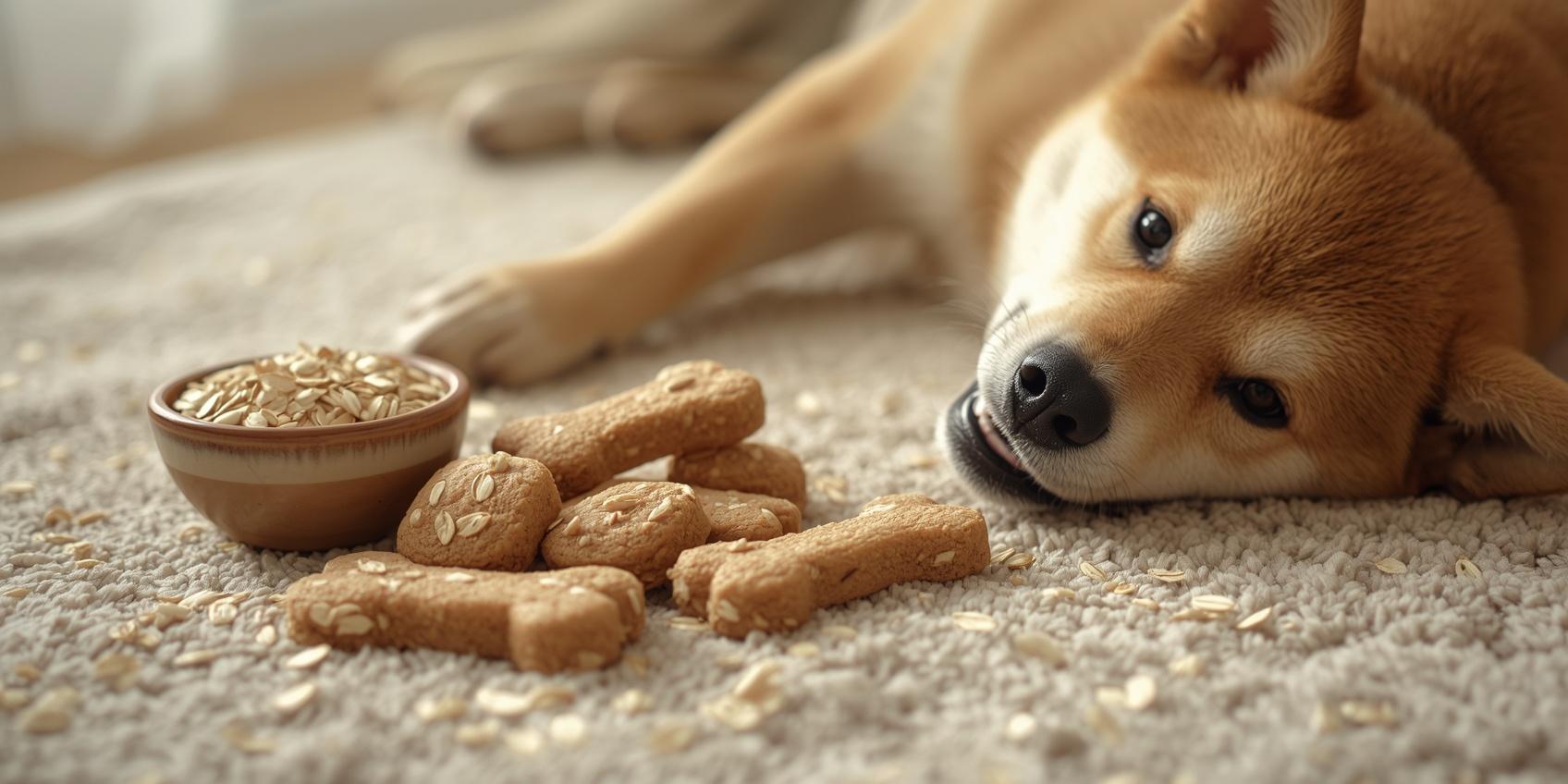
If you want to give your furry friend a tasty and healthy snack, homemade oatmeal dog treats are the perfect choice. You know your dog deserves the best, and making treats at home lets you control every ingredient. No more worrying about additives or preservatives in store-bought snacks. Plus, your dog will love the fresh, natural flavor you create just for them. Keep reading to discover easy recipes and tips that will make treat time special for both you and your pup! Benefits Of Oatmeal Treats Oatmeal treats offer many health advantages for dogs. They provide a natural source of energy and nutrients. These treats help support your dog’s overall well-being. Oatmeal is gentle and safe for most dogs. It can be a tasty and healthy snack option. Many pet owners choose oatmeal treats to keep their dogs happy and healthy. Oatmeal contains important elements that benefit digestion and skin. It also offers a good alternative to common allergens found in other treats. Nutritional Value Oatmeal is rich in fiber, which aids digestion. It contains vitamins like B and minerals such as iron. These nutrients help maintain strong muscles and a healthy heart. The slow-release energy from oats keeps dogs active longer. Oatmeal is low in fat, making it a smart treat choice. Suitability For Sensitive Stomachs Oatmeal is easy to digest and often suits sensitive stomachs. It helps soothe the digestive tract and reduce irritation. This makes it ideal for dogs with allergies or food sensitivities. Oatmeal treats rarely cause upset stomach or diarrhea. They provide a gentle snack that supports good gut health. Credit: www.peelwithzeal.com Essential Ingredients Making homemade oatmeal dog treats starts with choosing the right ingredients. These ingredients need to be safe and healthy for your dog. Simple, natural items work best to keep your dog happy and healthy. Each ingredient plays a role. Some provide energy, others add flavor or texture. Knowing what to use helps you create treats your dog will love. Oats And Alternatives Oats are the main ingredient in these treats. They are gentle on your dog’s stomach and full of fiber. Oats help digestion and keep your dog full longer. If your dog has an oat allergy, try alternatives like quinoa or brown rice flour. These are also healthy and easy to digest. Avoid using wheat or corn, as some dogs may have allergies. Dog-friendly Additions Add natural ingredients that dogs enjoy. Peanut butter (without xylitol) is a favorite and adds protein. Pumpkin puree is another good choice; it supports digestion and adds moisture. Carrots, apples (without seeds), and blueberries add vitamins and a little sweetness. Avoid anything toxic like chocolate, grapes, or onions. Simple, fresh ingredients make the best treats. Step-by-step Recipe Making homemade oatmeal dog treats is simple and fun. These treats are healthy and safe for your dog. Follow this easy step-by-step recipe to prepare tasty snacks your dog will love. Preparation Tips Start by gathering all ingredients. Use fresh oats, peanut butter, and eggs. Choose unsweetened peanut butter without xylitol, which is toxic to dogs. Preheat the oven to 350°F (175°C). Line a baking sheet with parchment paper to prevent sticking. Measure ingredients carefully for best results. Wash your hands and clean the workspace before starting. Mixing And Shaping In a large bowl, combine oats and peanut butter first. Add one or two eggs to bind the mixture. Stir well until dough forms. If too dry, add a little water. If too sticky, add more oats. Roll the dough into small balls or flatten with a cookie cutter. Keep shapes small, about one inch, for easy baking and chewing. Baking Instructions Place treats on the prepared baking sheet. Leave space between each treat for even cooking. Bake for 15 to 20 minutes until golden brown. Let treats cool completely on a wire rack. Store in an airtight container for up to one week. Freeze extras to keep them fresh longer. Credit: www.pookspantry.com Storage And Shelf Life Storing homemade oatmeal dog treats correctly keeps them fresh and tasty. Proper storage helps avoid spoilage and loss of nutrients. Knowing the shelf life ensures treats stay safe for your dog. Let’s explore the best ways to store these treats and how long they last. Proper Storage Methods Store the treats in an airtight container to keep moisture out. Use glass jars, plastic containers, or resealable bags. Keep the container in a cool, dry place away from sunlight. Avoid storing treats in warm or humid areas. For longer storage, place the treats in the refrigerator. Freeze extra batches to extend their shelf life further. How Long They Last Fresh homemade oatmeal treats last about one week at room temperature. Refrigerated treats stay good for up to two weeks. Frozen treats can last for three months or more. Always check the treats for signs of mold or bad smell. Discard any treats that look or smell off to protect your dog’s health. Customizing Flavors Customizing flavors makes homemade oatmeal dog treats exciting. You can create treats your dog loves. Changing ingredients keeps snack time fresh and fun. It also helps include healthy options your dog needs. Different tastes and textures make treats more enjoyable. Try simple additions to make each batch unique. Adding Fruits And Vegetables Fruits and vegetables add natural sweetness and crunch. Dogs enjoy carrots, blueberries, and pumpkin. These ingredients add vitamins and fiber. Avoid grapes, raisins, onions, and garlic—they are toxic. Chop fruits and veggies finely for easy chewing. Mix them into the oatmeal dough evenly. Fresh or cooked, both work well in treats. Incorporating Meats And Cheeses Meats and cheeses add protein and flavor dogs crave. Small amounts of cooked chicken, turkey, or beef work best. Use plain cheese like cheddar or mozzarella in small bits. Avoid processed or spicy meats and cheeses with additives. Cook meats fully and cool before mixing. These ingredients make treats more savory and rich. Perfect for picky eaters or training rewards. Safety Tips For Dog Treats Making homemade oatmeal dog treats … Read more

Easy Dog Frosting Recipe: Simple Safe Topping in Minutes

Easy Dog Frosting Recipe

If you want to make your furry friend’s special day even sweeter, an easy dog frosting recipe is just what you need. You’ll love how simple it is to whip up a tasty, pet-safe treat that your dog will happily lick off every time. No complicated ingredients or long prep times—just a few things you probably already have at home. Keep reading, and you’ll discover a foolproof way to add a delicious touch to your dog’s birthday cake or everyday snack. Your pup deserves a treat that’s both yummy and safe, and this recipe delivers exactly that. Ingredients Needed Making dog frosting at home is simple and safe. You need just a few basic ingredients. These ingredients are healthy and tasty for your dog. No harmful chemicals or sugars. Just natural, dog-friendly foods that your pet will enjoy. Dog-friendly Ingredients Optional Add-ins Credit: www.thecookierookie.com Tools And Equipment Making dog frosting at home is simple with the right tools. These tools help you mix and serve the frosting easily. Using the right equipment saves time and keeps the process clean. Below are the basic tools needed for this recipe. Mixing Bowl A medium-sized mixing bowl is essential. It holds all the ingredients while you mix. Choose a bowl that is easy to clean. Plastic or glass bowls work well for this task. Measuring Cups And Spoons Accurate measurements make the frosting taste just right. Use measuring cups for larger amounts. Spoons are best for small quantities. This helps keep the recipe balanced. Hand Mixer Or Whisk A hand mixer speeds up the mixing process. It makes the frosting smooth and creamy. A whisk works too but takes more effort. Both tools help mix ingredients evenly. Spatula A silicone spatula is perfect for scraping the bowl. It ensures no frosting is wasted. Use it to spread the frosting easily on treats. The flexible blade helps with smooth application. Storage Container Store leftover frosting in a sealed container. This keeps it fresh and ready to use. Choose a small, airtight container for convenience. It helps maintain the frosting’s texture and taste. Step-by-step Preparation Making dog frosting is simple and fun. You need only a few ingredients and tools. Follow these steps to create a tasty treat your dog will love. Each step helps you make the perfect frosting. The texture and flavor matter a lot. Let’s start with the base mixing. Mixing The Base Begin by choosing a soft base like cream cheese or yogurt. Use about half a cup for a small batch. Place the base in a bowl. Stir gently to make it smooth. Avoid lumps for easy spreading. Adding Flavors Pick dog-safe flavors like peanut butter or pumpkin puree. Add one or two tablespoons to the base. Mix well until the flavor spreads evenly. Keep flavors mild to suit your dog’s taste. Adjusting Consistency Check the frosting’s thickness. It should spread easily but not drip. Add a little water or milk if too thick. Add more base if too runny. Stir well after each addition. Test with a spoon for the right feel. Credit: thesugarfreediva.com Storage Tips Storing your dog frosting correctly keeps it fresh and safe for your pet. Proper storage helps maintain taste and texture. It also prevents spoilage and waste. Refrigeration Store dog frosting in an airtight container. Place it in the refrigerator right after making it. Cold temperature slows down bacteria growth. This keeps the frosting fresh longer. Use a clean spoon to scoop frosting each time. Shelf Life Dog frosting usually lasts about 5 to 7 days in the fridge. Avoid leaving it out at room temperature for more than 2 hours. Check the frosting before use for any changes in smell or color. Discard if it looks or smells bad. Fresh frosting keeps your dog safe and happy. Creative Serving Ideas Creative serving ideas make your dog frosting even more fun and useful. You can use it in many ways to treat your dog. These ideas help keep your pet happy and excited. Try these simple, playful methods to enjoy your easy dog frosting recipe. Decorating Dog Treats Use the frosting to decorate homemade dog treats. Spread a thin layer on biscuits or cookies. Add small bits of dog-safe fruits or veggies for color. This makes treats look special and tasty. Dogs love the extra flavor and texture. Using As A Training Reward Give small amounts of frosting as a training reward. It motivates your dog to learn new tricks. Use frosting on a spoon or your finger. This keeps the reward quick and clean. Your dog will stay focused and eager to please. Safety And Dietary Notes Keeping your dog safe is key when making dog frosting. Not all human foods suit dogs. Some ingredients can cause illness or allergic reactions. Careful choices help your dog enjoy treats without risks. Avoiding Harmful Ingredients Never use chocolate, xylitol, or grapes in dog frosting. These ingredients are toxic to dogs. Avoid artificial sweeteners and high sugar content. Choose dog-safe options like plain yogurt or peanut butter without salt. Check for allergies before trying new ingredients. Use natural, fresh items to keep frosting healthy. This helps prevent stomach upset and other health problems. Portion Control Serve frosting in small amounts. Too much can cause weight gain or digestive issues. Treats should be less than 10% of daily food intake. Offer frosting occasionally, not daily. Watch your dog’s reaction to new treats. Stop feeding if you see signs of discomfort or allergy. Credit: thesugarfreediva.com Frequently Asked Questions What Ingredients Are Needed For Easy Dog Frosting? Easy dog frosting requires plain yogurt, peanut butter, and honey. Use unsweetened yogurt, natural peanut butter without xylitol, and a small amount of honey. These ingredients are safe and tasty for dogs, providing a healthy and delicious treat topping. Is This Dog Frosting Recipe Safe For All Dogs? Yes, this frosting is safe for most dogs. Avoid if your dog has allergies to dairy or peanuts. Always introduce new treats gradually … Read more

Homemade Beef Dog Food: Easy Healthy Recipes Your Dog Loves

Homemade Beef Dog Food

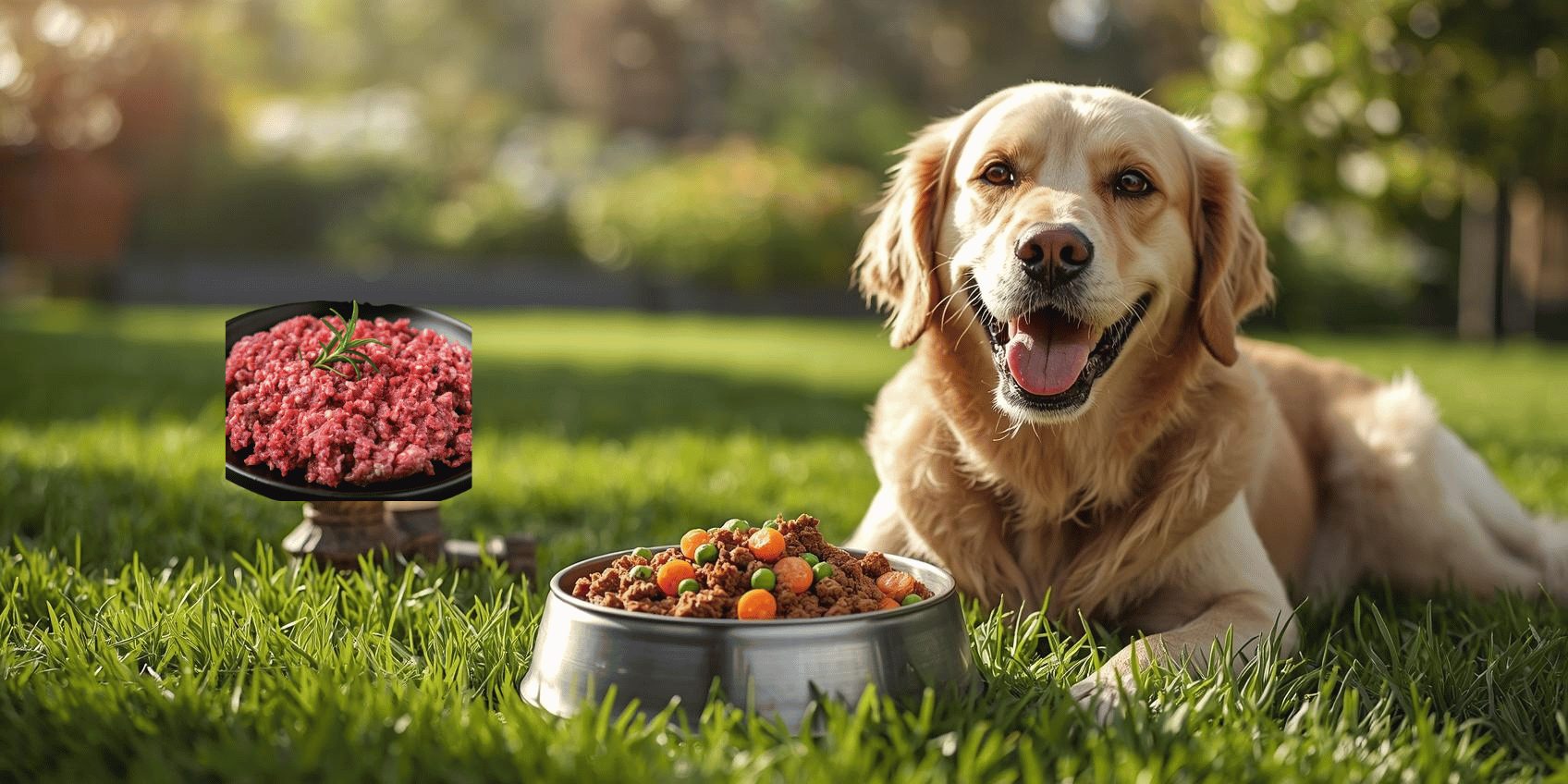
If you care about your dog’s health, you want to feed them the best food possible. Homemade beef dog food is a great way to give your furry friend nutritious meals made from real ingredients you trust. But you might wonder, how do you make it right? What should you include to keep your dog happy and healthy? You’ll discover simple steps to create tasty, balanced beef meals your dog will love. Keep reading, and you’ll soon feel confident preparing food that supports your dog’s energy, coat, and overall well-being. Credit: www.littlefiggy.com Benefits Of Homemade Beef Dog Food Homemade beef dog food offers many benefits for your pet’s health and happiness. You know exactly what goes into each meal. This helps you provide fresh and balanced nutrition. Feeding your dog homemade meals can improve their energy and coat condition. It also reduces risks of allergies and digestive problems. Nutritional Advantages Beef is rich in protein, essential for strong muscles and growth. It contains vitamins like B12 and minerals such as zinc. These nutrients support your dog’s immune system and overall health. Homemade meals allow you to add fresh vegetables and grains. This mix ensures a wide range of nutrients your dog needs daily. Control Over Ingredients Choosing what goes into your dog’s food means avoiding harmful additives. No preservatives, fillers, or artificial flavors. You can cater to your dog’s allergies or sensitivities easily. Fresh, whole ingredients give your dog a cleaner diet. This control helps maintain your dog’s health and energy levels. Cost-effectiveness Making beef dog food at home can save money over time. Buying ingredients in bulk is often cheaper than premium dog food. You reduce waste by preparing exact portions. Homemade food prevents unnecessary expenses on vet visits due to poor diet. This makes healthy feeding affordable and practical. Credit: thismessisours.com Selecting Quality Beef Selecting quality beef is key for homemade dog food. Good beef gives dogs protein and nutrients. It helps keep dogs strong and healthy. Choosing the right beef makes meals tasty and safe. Not all beef is the same. Knowing which types to pick improves your dog’s diet. Types Of Beef Cuts Choose lean cuts with less fat. Ground beef, chuck, and round are good options. Avoid fatty or processed cuts. Muscle meat provides protein dogs need. Bones and fat can cause problems if not prepared well. Pick cuts that cook easily and stay fresh. Grass-fed Vs Grain-fed Grass-fed beef comes from cows eating grass only. It has more omega-3 and fewer chemicals. Grain-fed beef is cheaper and more common. It can have more fat and less nutrients. Grass-fed is healthier but costs more. Grain-fed is okay if fresh and clean. Sourcing Locally Buy beef from local farms or butchers. Local sources often provide fresher meat. You can ask about how cows were raised. Local meat reduces transport time and keeps beef fresh. Supporting local farmers helps your community. It also lets you check quality closely. Essential Nutrients For Dogs Dogs need many nutrients to stay healthy and strong. These nutrients come from their food. Homemade beef dog food can provide important nutrition. Understanding these nutrients helps you make balanced meals for your dog. Proteins And Fats Proteins build muscles and repair tissues. Beef is a great source of protein. Fats give energy and support healthy skin. Good fats come from meat and oils. Both proteins and fats keep dogs active and fit. Vitamins And Minerals Vitamins help the body work well. Minerals keep bones, teeth, and organs strong. Beef has some vitamins and minerals, but not all. Vegetables and supplements can fill the gaps. Balanced vitamins and minerals prevent diseases. Balancing Carbohydrates Carbohydrates provide energy for daily activities. Dogs need carbs in small amounts. Rice, oats, and sweet potatoes are good choices. Too many carbs can cause weight gain. Proper balance keeps your dog happy and healthy. Basic Homemade Beef Dog Food Recipes Making homemade beef dog food is simple and healthy. Basic recipes use common ingredients. These meals provide good nutrition and taste. They help keep your dog strong and happy. Preparing food at home lets you control what your dog eats. Fresh beef is a great protein source. Mixing it with rice or vegetables makes balanced meals. Below are easy recipes to start with. Simple Beef And Rice Meal Cook 1 pound of ground beef until brown. Boil 1 cup of white rice until soft. Mix the beef and rice together. Let it cool before serving. This meal gives protein and energy. Beef And Vegetable Mix Use 1 pound of lean beef, cooked well. Chop carrots, peas, and green beans finely. Steam the vegetables until tender. Combine beef and vegetables in a bowl. Serve after the mix cools down. Beef Stew For Dogs Cut 1 pound of beef into small cubes. Boil beef with water for 30 minutes. Add chopped sweet potatoes and carrots. Simmer until all ingredients are soft. Cool the stew before feeding your dog. Preparation And Cooking Tips Preparing homemade beef dog food is simple with the right steps. Careful preparation keeps your dog healthy and happy. Good cooking and portion control make meals safe and tasty. Follow these tips to make the best beef meals for your dog. Safe Cooking Methods Cook beef thoroughly to kill harmful bacteria. Boiling, baking, or steaming are good methods. Avoid frying or using too much oil. Cool the food before serving to prevent burns. Use clean utensils and surfaces to avoid contamination. Avoiding Harmful Ingredients Skip onions, garlic, and spices. These can harm your dog’s health. Avoid salt and sugar in all meals. No bones, especially cooked ones, as they can splinter. Use fresh vegetables and safe herbs for flavor. Portion Sizes Feed the right amount to keep your dog fit. Portion size depends on your dog’s weight and activity. Small dogs need less; large dogs need more. Divide daily food into two or three meals. Watch your dog’s weight and adjust portions as needed. Storing And Serving Homemade Dog Food … Read more