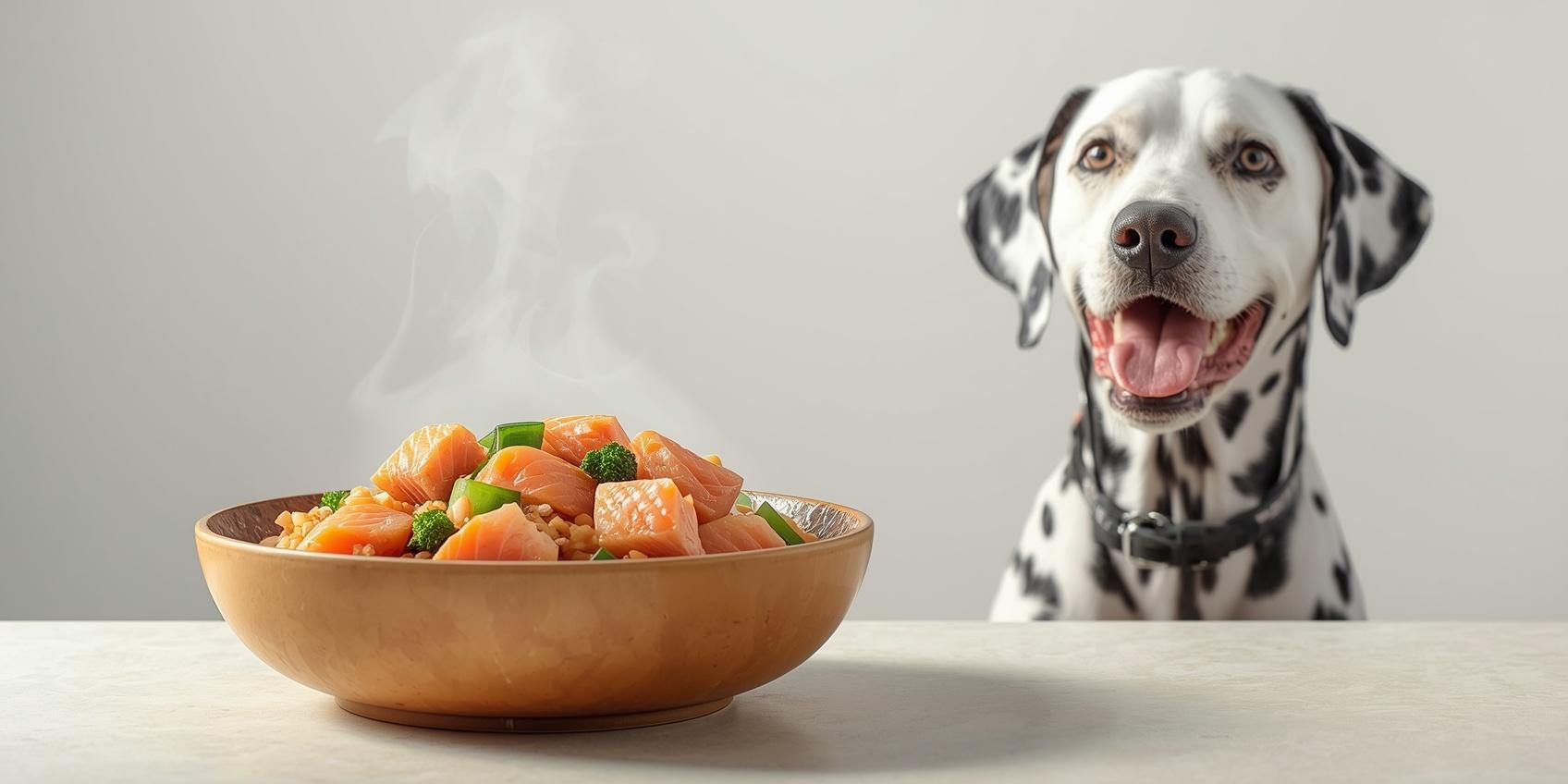
If you want to give your dog a healthy, tasty meal, salmon dog food recipes are a great choice. Salmon is packed with nutrients that support your dog’s skin, coat, and overall health.
Imagine making meals your dog will love, using simple ingredients you can trust. You’ll find easy-to-follow recipes that will keep your furry friend happy and energized. Ready to make mealtime exciting and nutritious? Keep reading to discover how salmon can transform your dog’s diet.
Benefits Of Salmon In Dog Food
Salmon is a popular ingredient in dog food recipes. It offers many health benefits for dogs. Including salmon in your dog’s diet can improve their overall well-being. Salmon provides important nutrients that support various body functions.
Many dog owners choose salmon to keep their pets healthy and happy. The fish is easy to digest and tastes great to dogs. It also helps meet your dog’s nutritional needs naturally.
Rich Omega-3 Fatty Acids
Salmon is full of omega-3 fatty acids. These fats help reduce inflammation in the body. Omega-3 supports brain health and sharpens memory. It also promotes healthy joints and eases stiffness. Dogs with allergies or skin issues often improve with omega-3.
High-quality Protein Source
Salmon provides excellent protein for dogs. Protein builds strong muscles and repairs tissues. It also supports energy and stamina. High-quality protein helps maintain a healthy weight. Salmon protein is easy for dogs to digest and absorb.
Supports Skin And Coat Health
Salmon improves the skin and coat of dogs. The oils keep skin hydrated and soft. Salmon helps reduce itching and dryness. A shiny coat shows a healthy dog inside. Feeding salmon can make your dog’s coat look thicker and glossier.
Choosing The Right Salmon
Choosing the right salmon for dog food recipes matters a lot. It affects taste, nutrition, and your dog’s health. Salmon comes in different types and forms. Each has pros and cons to consider before cooking.
Wild Vs. Farmed Salmon
Wild salmon lives in natural oceans and rivers. It eats a natural diet and swims freely. Wild salmon has more nutrients and fewer chemicals. Farmed salmon grows in fish farms. It may have added antibiotics and lower nutrients. Wild salmon is usually better for your dog’s health.
Fresh Vs. Canned Salmon
Fresh salmon is raw or cooked and tastes great. It keeps more nutrients but spoils quickly. Canned salmon lasts longer and is easy to store. It often contains bones, which add calcium. Choose fresh salmon for special meals. Use canned salmon for quick and simple recipes.
Sustainability Considerations
Salmon fishing affects the environment. Wild salmon can face overfishing risks. Farmed salmon can cause pollution and disease in water. Look for labels that show eco-friendly practices. Sustainable salmon supports healthy oceans and future supplies. Good choices protect nature and your dog’s food quality.
Basic Salmon Dog Food Recipe
Salmon is a healthy choice for dog food. It offers good fats and protein. This basic salmon dog food recipe is easy to make at home. It keeps your dog’s meals fresh and nutritious. The recipe uses simple ingredients that your dog will love. Preparing this food yourself helps you control what goes into it. This way, your dog eats well and stays happy.
Ingredients Needed
- 1 cup cooked salmon (skin removed, bones checked)
- 1/2 cup cooked brown rice
- 1/2 cup steamed carrots, chopped
- 1/4 cup peas (fresh or frozen)
- 1 tablespoon olive oil
- 1/4 teaspoon fish oil (optional)
Step-by-step Preparation
- Cook the salmon by baking or steaming it until done.
- Remove all bones and skin from the salmon carefully.
- Cook brown rice according to package instructions.
- Steam carrots until soft, then chop into small pieces.
- Mix salmon, rice, carrots, and peas in a large bowl.
- Add olive oil and stir well to combine all ingredients.
- Let the mixture cool before serving it to your dog.
Storage Tips
- Store the food in an airtight container in the fridge.
- Use refrigerated food within 3 to 4 days for freshness.
- For longer storage, freeze portions in sealed bags.
- Thaw frozen food in the fridge overnight before serving.
- Check the food for spoilage before giving it to your dog.
Salmon And Vegetable Mixes
Salmon and vegetable mixes make healthy meals for dogs. They combine protein and fiber in one bowl. This mix supports digestion and keeps dogs full longer.
Vegetables add vitamins and minerals that help dogs stay strong. Salmon brings omega-3 fatty acids. These fats promote shiny coats and good brain function.
Adding Sweet Potatoes
Sweet potatoes provide energy and fiber. They are easy to digest and gentle on the stomach. Cook the sweet potatoes until soft. Then, cut them into small pieces for your dog.
Mix sweet potatoes with cooked salmon for a tasty blend. Dogs enjoy the natural sweetness. This mix helps maintain healthy digestion and energy levels.
Incorporating Green Beans
Green beans add crunch and vitamins. They are low in calories and high in fiber. Steam or boil green beans before adding them to the mix. Chop them into bite-sized pieces.
Combine green beans with flaked salmon for a balanced meal. The beans support weight control and improve digestion. Dogs love the fresh texture and mild taste.
Using Carrots And Peas
Carrots and peas are colorful and nutritious. Carrots offer vitamin A for eye health. Peas provide protein and fiber. Cook the peas and carrots until soft.
Mix these vegetables with salmon to create a flavorful dish. The combination supports immune health and energy. Dogs enjoy the sweet and fresh flavors together.
Salmon Treats And Snacks
Salmon treats and snacks make tasty, healthy rewards for dogs. These snacks are rich in omega-3 fatty acids. They support shiny coats and strong joints. Salmon is also easy to digest and gentle on the stomach. Homemade salmon snacks ensure your dog gets fresh, natural ingredients.
Salmon Jerky
Salmon jerky is a chewy, protein-packed snack. Slice fresh salmon thinly and dry it in the oven. It takes a few hours at low heat. The result is a flavorful treat that lasts long. Salmon jerky is easy to carry on walks or trips.
Salmon Bites
Salmon bites are small, soft treats perfect for training. Mix cooked salmon with a little rice or sweet potato. Shape into bite-sized balls and bake briefly. These snacks are gentle on teeth and easy to eat. Dogs love the rich salmon taste in every bite.
Frozen Salmon Treats
Frozen salmon treats cool dogs down on hot days. Blend salmon with plain yogurt or pureed vegetables. Pour into ice cube trays and freeze until solid. These icy snacks refresh and hydrate pets. They also help soothe teething puppies’ sore gums.

Credit: www.pookspantry.com
Safety Tips For Feeding Salmon
Salmon is a healthy choice for dog food recipes. It contains omega-3 fatty acids that support a shiny coat and strong joints. Feeding salmon safely is important to keep dogs healthy and happy. Follow these safety tips to avoid risks and enjoy the benefits of salmon in your dog’s diet.
Avoiding Bones
Salmon bones can be dangerous for dogs. They are small and sharp. These bones can cause choking or block the throat. Always remove all bones before feeding salmon to your dog. Use tweezers or check carefully with your fingers. Boneless salmon pieces are safer and easier to eat.
Cooking Salmon Properly
Raw salmon may contain harmful bacteria or parasites. Cooking salmon kills these dangers. Boil, bake, or steam the fish until it is fully cooked. Avoid using spices, salt, or sauces that can harm dogs. Plain, cooked salmon is best for your dog’s health.
Allergy Awareness
Some dogs may be allergic to salmon. Watch for signs like itching, swelling, or vomiting after feeding. Start with a small amount to test your dog’s reaction. Stop feeding salmon if any allergy signs appear. Consult a vet for advice on food allergies and safe feeding.
Customizing Recipes For Your Dog
Customizing salmon dog food recipes helps meet your dog’s unique needs. Every dog is different. Age, size, and activity level affect how much food your dog needs. Tailoring recipes ensures your dog gets proper nutrition and stays healthy.
Adjusting Portion Sizes
Portion sizes depend on your dog’s weight and energy level. Smaller dogs eat less than larger dogs. Active dogs need more calories than less active ones. Start with a small amount and watch your dog’s weight. Change portions slowly to avoid stomach upset.
Incorporating Supplements
Supplements add extra nutrients to your dog’s diet. Fish oil supports a shiny coat and healthy skin. Probiotics help digestion and immune health. Use supplements carefully and follow your vet’s advice. Too many can harm your dog.
Considering Dietary Restrictions
Some dogs have allergies or food sensitivities. Avoid ingredients that cause reactions. Dogs with kidney problems need low protein. Dogs with diabetes require balanced carbs. Always check your vet before changing recipes. Custom recipes keep your dog safe and happy.

Credit: thecaninehealthnut.com

Credit: pawsomerecipes.com
Frequently Asked Questions
What Are The Benefits Of Salmon In Dog Food Recipes?
Salmon is rich in omega-3 fatty acids, which support healthy skin and coat. It also promotes joint health and boosts the immune system. Additionally, salmon provides high-quality protein for muscle maintenance and overall energy.
Can Homemade Salmon Dog Food Meet Nutritional Needs?
Yes, homemade salmon dog food can be balanced with proper ingredients. Include vegetables, grains, and supplements to ensure complete nutrition. Always consult a vet for specific dietary requirements and portion sizes.
How To Safely Prepare Salmon For Dogs?
Cook salmon thoroughly to kill harmful bacteria and parasites. Avoid seasoning, onions, and garlic, as they are toxic to dogs. Remove all bones to prevent choking or internal injuries.
Is Salmon Dog Food Good For Dogs With Allergies?
Salmon is a common hypoallergenic protein source, suitable for many dogs with allergies. It can reduce allergic reactions compared to other proteins like beef or chicken. Always introduce new foods gradually and monitor your dog’s response.
Conclusion
Salmon dog food recipes offer healthy and tasty meals for your pet. They provide important nutrients like omega-3 and protein. Homemade recipes let you control ingredients and avoid fillers. Cooking at home also helps with allergies and sensitive stomachs. Try different recipes to find what your dog enjoys most.
Fresh, simple meals keep your dog happy and strong. Feeding your dog salmon recipes shows you care about their health. Keep your pet’s diet natural and balanced for best results. Your dog will thank you with wagging tails and bright eyes.