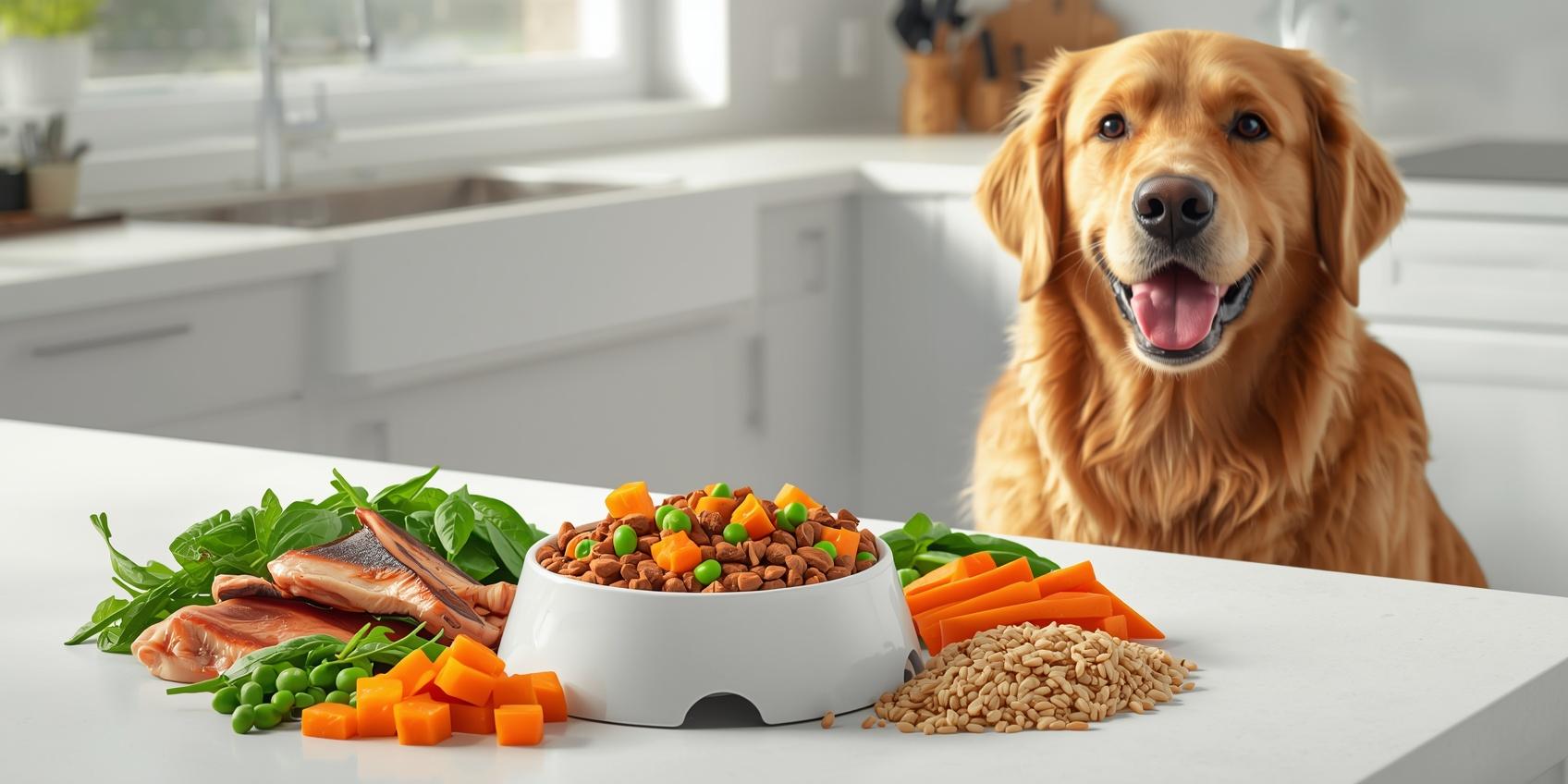
If you want the best for your furry friend, feeding them a nutritious, homemade meal is one of the smartest choices you can make. But how do you ensure your dog’s food is perfectly balanced and healthy?
This guide will show you a simple, nutritionally balanced homemade dog food recipe that meets your pet’s needs without any guesswork. By the end, you’ll feel confident preparing meals that keep your dog happy, energetic, and thriving every day. Keep reading to discover how easy it is to make food that truly supports your dog’s health.
Credit: carlsonpetproducts.com
Benefits Of Homemade Dog Food
Homemade dog food offers many benefits for your pet’s health and happiness. It lets you control the ingredients and avoid harmful additives. You can tailor meals to your dog’s needs and preferences. Cooking fresh food can improve digestion and energy levels.
Dogs often enjoy the taste of homemade meals more than dry kibble. Preparing food at home builds a stronger bond between you and your pet. It also helps spot food allergies or sensitivities early. Overall, homemade dog food can boost your dog’s quality of life.
Better Control Over Ingredients
You choose every ingredient in homemade dog food. No fillers, preservatives, or artificial colors. Fresh meats, vegetables, and grains go directly into the bowl. This control reduces the risk of allergies and stomach issues.
Improved Nutritional Balance
Homemade recipes can meet your dog’s specific dietary needs. You add proteins, fats, and vitamins in the right amounts. Balanced meals support healthy skin, coat, and muscles. It helps maintain a healthy weight too.
Enhanced Taste And Variety
Fresh meals offer new flavors and textures for your dog. Variety keeps mealtime exciting and enjoyable. Dogs can try different proteins and vegetables safely. This diversity supports a well-rounded diet.
Stronger Bond With Your Dog
Cooking for your dog shows love and care. Feeding time becomes a shared moment. Dogs sense the effort and respond with trust. It deepens the human-animal connection.
Essential Nutrients For Dogs
Dogs need a mix of nutrients to stay healthy and active. Balanced food helps their muscles, skin, and energy levels. Homemade dog food must include these key nutrients. Each plays a special role in your dog’s health.
Proteins
Proteins build strong muscles and repair tissues. They provide amino acids, which dogs cannot make alone. Good sources are chicken, beef, eggs, and fish. Protein helps keep your dog’s immune system strong and supports growth.
Carbohydrates
Carbohydrates give dogs energy for play and exercise. Rice, oats, and sweet potatoes are easy to digest. Carbs also support healthy digestion with fiber. They keep your dog active and alert throughout the day.
Fats
Fats supply long-lasting energy and keep skin soft. Omega-3 and omega-6 fatty acids help reduce inflammation. Fish oil and flaxseed are good fat sources. Healthy fats also support brain and eye health.
Vitamins And Minerals
Vitamins and minerals keep all body systems working well. Calcium and phosphorus build strong bones and teeth. Vitamins A, D, and E protect cells and help vision. Fresh vegetables and fruits add these important nutrients.
Choosing Ingredients
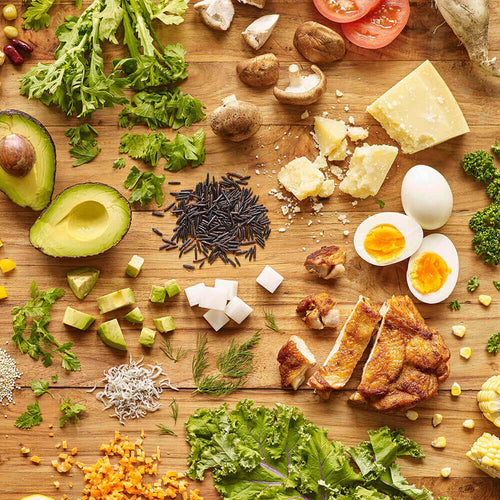
Choosing the right ingredients is key to making healthy dog food at home. Each ingredient adds important nutrients that keep your dog strong and happy. Balance matters. You want a mix of protein, vitamins, and minerals. Avoid harmful or hard-to-digest foods. Fresh and natural ingredients work best. Let’s explore some good choices for your dog’s meals.
Meat Options
Meat is the main protein source for dogs. Chicken, beef, and turkey are great choices. Use lean cuts to avoid extra fat. Fish like salmon adds omega-3 fatty acids. Avoid processed meats or those with seasoning. Cook meat thoroughly to kill bacteria. Raw meat can be risky without proper care. Rotate different meats to keep meals varied.
Vegetables And Fruits
Vegetables add fiber and vitamins to dog food. Carrots, peas, and green beans are safe and healthy. Cook vegetables to soften them. Avoid onions, garlic, and grapes—they are toxic to dogs. Fruits like apples and blueberries provide antioxidants. Remove seeds and cores from fruits. Small amounts of fruit add natural sweetness.
Grains And Alternatives
Grains give dogs energy through carbohydrates. Brown rice and oats are easy to digest. Quinoa is a good grain alternative with protein. Avoid wheat or corn if your dog has allergies. Cook grains fully before serving. Some dogs do better with no grains at all. Watch your dog’s reaction to find the best option.
Supplements
Supplements fill nutrient gaps in homemade dog food. Fish oil helps with skin and coat health. Calcium supports strong bones and teeth. Probiotics improve digestion and gut health. Use supplements in the right amounts only. Consult a vet before adding supplements. Natural sources of nutrients are often best.
Step-by-step Recipe
Making homemade dog food at home is simple and rewarding. This step-by-step recipe ensures your dog gets a balanced meal. Follow each step carefully for the best results.
Preparation
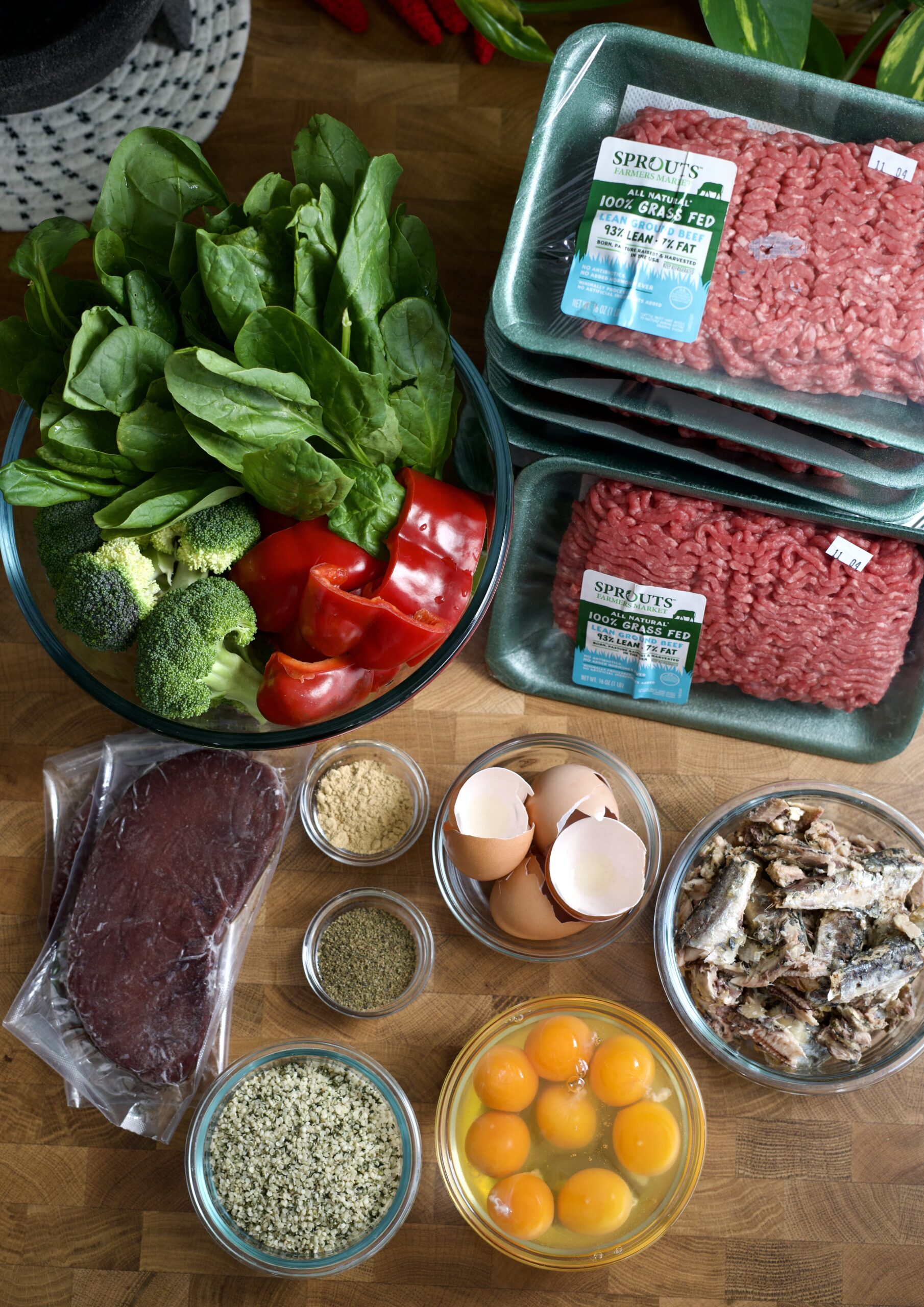
Gather fresh ingredients like lean meat, vegetables, and grains. Wash vegetables thoroughly to remove dirt. Cut meat into small, even pieces. Measure each ingredient to keep balance. Prepare cooking tools like pots and cutting boards.
Cooking Instructions
Cook meat first until fully done. Boil or steam vegetables until soft. Cook grains separately according to package instructions. Mix all ingredients in a large bowl. Allow food to cool before serving.
Portioning And Storage
Divide food into daily portions based on your dog’s size. Use airtight containers to keep food fresh. Store portions in the refrigerator for up to three days. Freeze extra portions for longer storage. Always thaw frozen food safely before serving.
Credit: hutchpaving.com
Adjusting Recipes For Different Dogs
Adjusting homemade dog food recipes is key for every dog’s health. Dogs differ in age, size, and health needs. Each factor changes what your dog needs in its diet. Tailoring meals helps dogs get the right nutrients. This keeps them strong and happy.
Puppies Vs Adults
Puppies need more protein and calories than adults. Their bodies grow fast and need extra fuel. Include more fats and vitamins in puppy meals. Adults need balanced meals with fewer calories. Too many calories can cause weight gain. Adjust portion sizes based on the dog’s age.
Small Vs Large Breeds
Small breeds have faster metabolisms and burn energy quickly. They need nutrient-dense meals in smaller portions. Large breeds grow slower but need joint support. Include glucosamine and chondroitin for big dogs. Watch protein and fat levels for breed size. Serving sizes must match their energy needs.
Special Dietary Needs
Some dogs have allergies or health problems. Choose ingredients that avoid allergens like wheat or chicken. Dogs with kidney issues need less protein and salt. Overweight dogs need lower calorie meals to lose weight. Always consult a vet before changing recipes. Special needs require careful food choices.
Common Mistakes To Avoid
Making homemade dog food can be great for your pet’s health. It gives you control over ingredients and freshness. Still, there are common mistakes that many pet owners make. These errors can harm your dog’s nutrition and overall health. Avoiding these mistakes helps you provide a balanced diet your dog needs.
Not Balancing Nutrients Properly
Dogs need the right mix of protein, fats, and carbohydrates. Too much or too little of any nutrient causes problems. For example, too much protein can strain kidneys. Too few fats reduce energy and skin health. Use reliable recipes or consult a vet to get the balance right.
Skipping Essential Supplements
Homemade meals might miss vitamins and minerals. Calcium is one common missing mineral. Dogs need calcium for strong bones and teeth. Without supplements, your dog could develop health issues. Add supplements recommended by your vet to complete the diet.
Using Toxic Ingredients
Some human foods are toxic to dogs. Onions, garlic, grapes, and chocolate can cause serious harm. Even small amounts can be dangerous. Always check ingredients before cooking. Keep toxic foods far from your dog’s meals.
Feeding Only One Type Of Protein
Dogs benefit from variety in their diet. Using only chicken or beef limits nutrients. Different proteins offer different vitamins and amino acids. Rotate proteins like fish, turkey, or lamb. This keeps meals interesting and healthier.
Ignoring Food Safety
Improper food handling risks bacterial growth. Wash hands and cooking tools well. Store homemade food in the fridge or freezer. Serve meals at safe temperatures. This prevents sickness and keeps your dog healthy.
Tips For Transitioning To Homemade Food
Switching your dog to homemade food takes time and care. Sudden changes can upset your dog’s stomach or cause refusal to eat. Use gentle steps to help your dog adjust. Watch your dog’s reaction closely during this period. Patience and consistency make the transition smooth and safe.
Start by mixing a small amount of homemade food with your dog’s current food. Gradually increase the homemade portion while decreasing the old food. This slow change helps your dog’s digestion adapt well. Keep meals regular and portions consistent to avoid confusion.
Introduce New Ingredients Slowly
Begin with one new ingredient at a time. Observe for any signs of allergies or upset stomach. This method prevents digestive problems and helps identify sensitive foods. Fresh, simple ingredients work best at first. Avoid spices, salt, or strong flavors during early stages.
Monitor Your Dog’s Health Closely
Look for changes in energy, stool, and appetite. Any unusual signs need attention. Consult your vet if problems last more than a few days. Keep a journal of your dog’s reactions to new food. This record helps track progress and spot issues early.
Maintain A Consistent Feeding Schedule
Feed your dog at the same times each day. This routine supports digestion and comfort. Avoid feeding large meals suddenly. Smaller, frequent portions reduce stomach stress. Consistency helps your dog feel secure during change.
Make Meals Appealing And Comfortable
Serve food at room temperature for better taste. Add a little warm water if needed. Use familiar bowls and quiet spots for feeding. Positive mealtime environments encourage eating. Praise your dog to build good habits.

Credit: www.expressjour.com
Frequently Asked Questions
What Ingredients Ensure A Nutritionally Balanced Homemade Dog Food?
A balanced dog food includes lean protein, healthy fats, carbohydrates, vitamins, and minerals. Common ingredients are chicken, rice, vegetables, and fish oil. This mix supports energy, muscle health, and a shiny coat, ensuring your dog receives all essential nutrients naturally.
How Often Should I Feed Homemade Dog Food?
Feed your dog homemade food twice daily, once in the morning and once in the evening. Portion size depends on your dog’s age, weight, and activity level. Consistent feeding times help maintain digestion and energy balance throughout the day.
Can Homemade Dog Food Replace Commercial Dog Food?
Yes, homemade dog food can fully replace commercial food if it meets nutritional needs. Consult a vet or pet nutritionist to ensure recipes are balanced. Proper planning prevents nutrient deficiencies and promotes overall health and longevity.
Is Homemade Dog Food Safe For All Dog Breeds?
Homemade dog food is generally safe for all breeds when properly balanced. Breed-specific needs vary, so tailor recipes accordingly. Always consult your veterinarian before changing your dog’s diet to ensure safety and nutritional adequacy.
Conclusion
Preparing homemade dog food helps your pet stay healthy and happy. You control the ingredients and avoid harmful additives. It saves money and ensures balanced nutrition for your dog. Try simple recipes with fresh meat, vegetables, and grains. Watch your dog’s energy and mood improve over time.
Homemade food shows your love in every meal served. Start today, and your dog will thank you with wagging tails. Small changes make a big difference in your dog’s life.