Doggy Scout

Homemade Pumpkin Ginger Dog Treats – Tasty Recipe
Homemade Pumpkin Ginger Dog Treats

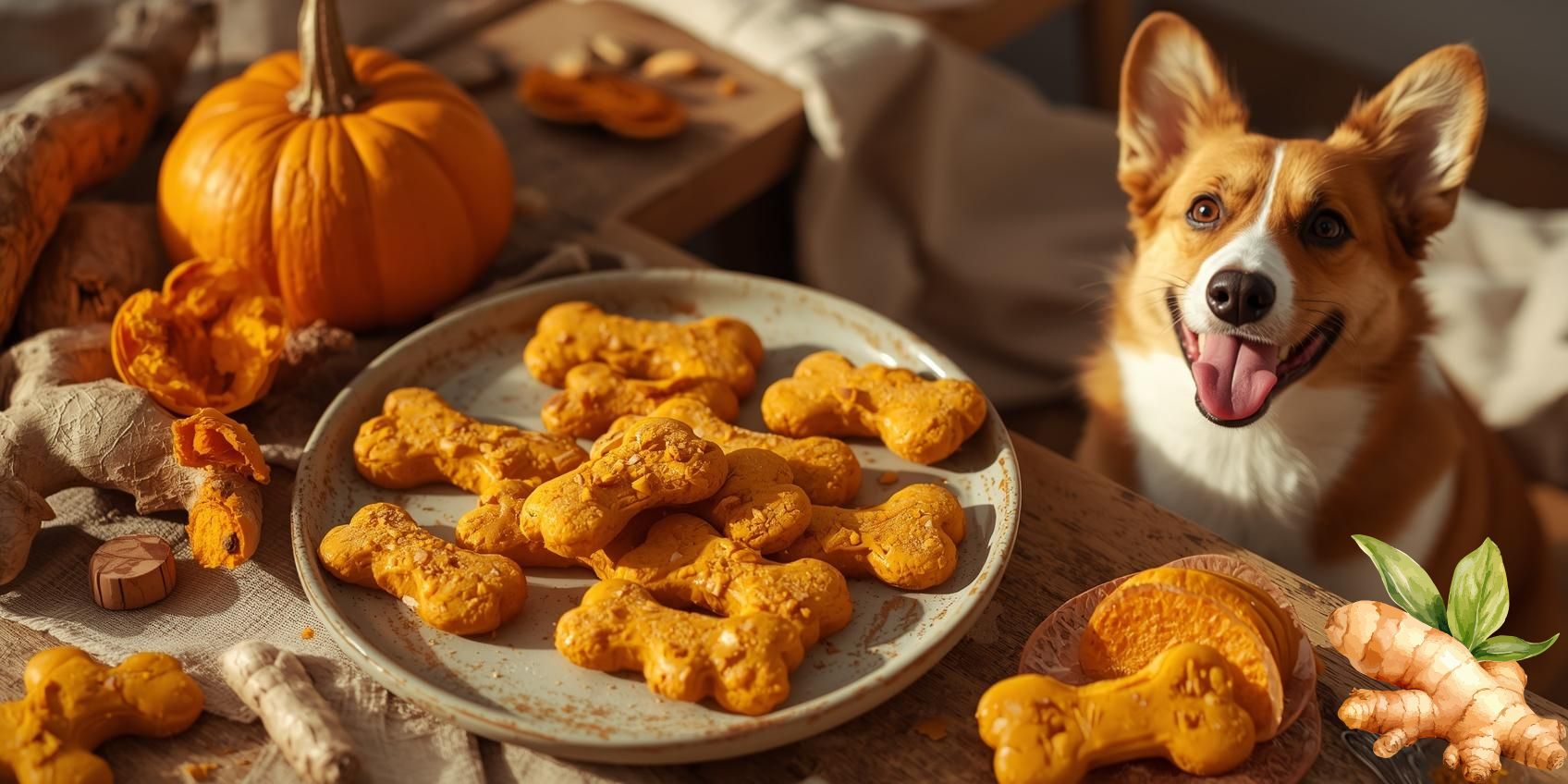
If you want to treat your furry friend to something healthy and delicious, homemade pumpkin ginger dog treats are a perfect choice. These treats are easy to make, packed with nutrients, and your dog will love the taste. Imagine giving your pup a snack that supports their digestion and keeps them happy—without any artificial ingredients. Keep reading, and you’ll discover a simple recipe that you can whip up in no time, plus tips to make your dog’s snack time extra special. Your dog deserves the best, and these treats are just that! Ingredients Needed Making homemade pumpkin ginger dog treats needs a few simple ingredients. Each ingredient plays a key role in taste and health benefits. Knowing these helps you make the best treats for your dog. Pumpkin Benefits Pumpkin is rich in fiber and vitamins. It helps with digestion and keeps your dog’s stomach calm. The natural sweetness of pumpkin makes treats tasty without sugar. Role Of Ginger Ginger adds a mild spicy flavor dogs enjoy. It helps reduce nausea and supports healthy digestion. Ginger also has anti-inflammatory properties that help keep joints healthy. Additional Ingredients Whole wheat flour or oat flour forms the base of the treats. Eggs bind the ingredients together and add protein. A small amount of water helps mix the dough smoothly. Natural peanut butter adds flavor and healthy fats, but avoid xylitol or sugar in it. Credit: hutchpaving.com Preparing The Dough Preparing the dough is an important step for homemade pumpkin ginger dog treats. This step helps combine all ingredients into a smooth mixture. A well-prepared dough ensures tasty and healthy treats your dog will enjoy. It is simple and quick to prepare. Mixing Ingredients Start by gathering fresh pumpkin puree and ground ginger. Use whole wheat flour or oat flour for a healthy base. Add a small amount of cinnamon for flavor. Mix the dry ingredients first in a large bowl. Then, slowly add pumpkin puree and a little water. Stir until all ingredients come together. Avoid overmixing to keep the dough soft. Achieving The Right Consistency The dough should feel firm but not dry. It must be soft enough to roll out easily. If the dough sticks to your hands, add a little more flour. If it feels crumbly, add a splash of water. Test the dough by pressing it with your fingers. It should hold shape but not crack. This balance makes cutting shapes easy and baking even. Shaping The Treats Shaping the treats is a fun part of making pumpkin ginger dog snacks. This step lets you turn dough into cute shapes your dog will love. It also helps the treats bake evenly. Choose the method that fits your style and tools. Using Cookie Cutters Cookie cutters make shaping easy and fast. Press the cutter into rolled dough. Lift it gently to keep the shape. Use shapes like bones, paws, or hearts. These are perfect for dogs. Dust the cutter with flour to stop sticking. Place each shape on a baking sheet. Keep some space between treats for even baking. Hand-shaping Options Hand-shaping works if you don’t have cookie cutters. Pinch small dough pieces and roll them into balls. Flatten slightly for crunchy treats. Make little twists or knots for variety. This method is simple and creative. It lets you control treat size and shape. Use your fingers to smooth edges. This avoids rough spots that could burn. Credit: simplelifemom.com Baking Tips Baking homemade pumpkin ginger dog treats is fun and rewarding. Getting the baking right ensures treats are tasty and safe for dogs. Small changes in temperature and time can change the texture. These tips help you bake perfect treats every time. Ideal Temperature Set your oven to 350°F (175°C). This temperature bakes treats evenly. Too hot, and the treats burn outside but stay raw inside. Too low, and they become dry and hard. Keep the temperature steady for best results. Baking Time Bake the treats for 20 to 25 minutes. Check them after 20 minutes to avoid overbaking. The edges should be golden brown and firm. The center should feel slightly soft but not doughy. Let treats cool completely before serving. Storage And Shelf Life Homemade pumpkin ginger dog treats are fresh and tasty. Proper storage keeps them safe and delicious for your pet. Knowing how to store these treats helps maintain their flavor and texture. These treats do not contain preservatives. So, storing them correctly is very important. It also helps prevent mold and spoilage. Let’s explore the best ways to store your pumpkin ginger dog treats. Storing Treats Safely Store treats in an airtight container. This keeps moisture and air out. Choose a cool, dry place away from sunlight. Avoid warm spots like near ovens or windows. Use glass jars or plastic containers with tight lids. Label the container with the date of baking. This helps track freshness and avoid using old treats. Usually, treats last up to one week at room temperature. Freezing For Longevity Freeze treats to keep them fresh longer. Place treats in a freezer-safe bag or container. Remove excess air before sealing. Frozen treats stay good for up to three months. Thaw treats in the refrigerator before giving them to your dog. Do not refreeze once thawed. This method helps save time and reduces waste. Health Benefits For Dogs Homemade pumpkin ginger dog treats offer more than just a tasty snack. They provide natural health benefits that support your dog’s well-being. These treats combine pumpkin and ginger, two ingredients known for their positive effects on dogs. Both pumpkin and ginger can improve your dog’s health in gentle, effective ways. Feeding these treats helps maintain your dog’s digestion and reduces inflammation. Let’s explore how these ingredients work for your pet’s health. Digestive Support Pumpkin is rich in fiber. It helps regulate your dog’s digestion and prevents constipation. The fiber adds bulk to stools and promotes regular bowel movements. Ginger soothes the stomach and eases nausea. It can help dogs with upset stomachs … Read more

When Do Cavalier Puppies Calm Down – Helpful Guide

When Do Cavalier Puppies Calm

If you’ve just brought home a Cavalier puppy, you might be wondering, “When will my little ball of energy finally calm down?” It’s natural to want those sweet, peaceful moments where your puppy relaxes and snuggles instead of bouncing around nonstop. Understanding when and why your Cavalier starts to settle can help you enjoy every stage of their growth without feeling overwhelmed. (When Do Cavalier Puppies Calm Down) You’ll discover the key signs to watch for, what influences their energy levels, and practical tips to help your puppy find calm faster. Keep reading to learn how to make your life—and your puppy’s—more peaceful and joyful. Puppy Energy Levels Puppy energy levels can surprise new dog owners. Cavalier puppies are lively and playful. They often run, jump, and explore everything around them. This high energy is normal. It helps them learn and grow strong. Understanding when Cavalier puppies calm down is important. Knowing their energy patterns helps in training and care. Each puppy has its own pace, but some trends are common. Typical Behavior Patterns Cavalier puppies are very active in the first few months. They have short bursts of energy, followed by long naps. This cycle repeats many times a day. Playtime includes chasing toys, chewing, and running around. They also show curiosity and want to explore new things. This can lead to mischief if not watched closely. Around six months, some puppies start to calm down a bit. Their play sessions become shorter and less intense. Growth Milestones At three months, a Cavalier puppy is full of energy but still needs lots of sleep. By six months, they begin to develop better control over their energy. Their muscles grow stronger, and they become more coordinated. Between six to twelve months, energy levels slowly decrease. They still enjoy play but also relax more often. After one year, many Cavaliers show a calmer demeanor. Energy remains, but it is more balanced and easier to manage. Factors Affecting Calmness Cavalier puppies are lively and full of energy. Their calmness depends on many factors. Understanding these helps in raising a happy dog. Breed Traits Cavaliers are naturally friendly and playful. They have a gentle nature but stay active as puppies. Their breed traits mean they need time to settle down. Calmness grows with age, often after one year. Environment Influence A calm home helps puppies relax. Loud noises or lots of visitors can make them excited. A quiet, safe space reduces stress and hyperactivity. Consistent routines make puppies feel secure and calm. Exercise Needs Puppies need daily play and walks. Exercise uses up their extra energy. Without enough activity, they become restless or noisy. Proper exercise helps them rest better and calm down faster. Signs Puppy Is Calming Down Watching your Cavalier puppy grow calmer is a rewarding experience. It means they are learning and adjusting to their new life. Recognizing the signs of calming helps you understand your puppy’s needs better. These changes show that your puppy is becoming more relaxed and comfortable. Behavioral Changes Your puppy will start to act less hyper and more gentle. They may stop biting or jumping as much. Instead, they might enjoy sitting near you quietly. The constant need to explore everything will slow down. They begin listening better and following simple commands. This shift shows they trust their environment and you. Sleep Patterns A calming puppy will sleep longer and more deeply. They will take fewer, shorter naps during the day. Nighttime sleep becomes more consistent without many interruptions. This rest helps their brain and body grow healthy. Better sleep means your puppy feels safe and calm. Credit: www.cassiescavaliers.com Tips To Encourage Calm Behavior Cavalier puppies are full of energy and excitement. Helping them become calm takes patience and smart methods. Calm behavior does not happen overnight. It grows with good habits and practice. Using clear strategies can guide your puppy to relax more. These tips help your dog feel safe and focused. Your puppy learns what to expect and how to behave in different situations. Training Techniques Start training with simple commands like “sit” and “stay.” Use gentle, consistent rewards to encourage good behavior. Avoid yelling or harsh punishments. Teach your puppy to settle on cue with words like “calm” or “quiet.” Practice short sessions daily to build understanding. Routine Establishment Create a daily schedule for feeding, play, and rest times. Puppies feel safer with a predictable routine. Regular walks help release energy and reduce anxiety. Set fixed nap times to prevent overexcitement. A calm environment supports peaceful behavior. Mental Stimulation Provide toys that challenge your puppy’s mind. Puzzle feeders and treat-dispensing toys work well. Training games keep your puppy focused and tired. Rotate toys to keep interest high. Mental work reduces boredom and helps calm restless puppies. When To Seek Professional Help Knowing when to seek professional help for your Cavalier puppy is very important. Puppies often have high energy and playful behavior. Most calm down as they grow. But some signs mean you should get advice from a vet or trainer. Early help can make a big difference in your puppy’s life. Professionals can guide you on behavior and health issues. They provide support and solutions. This helps your puppy become a happy and well-behaved dog. Watch closely for signs that need expert care. Behavioral Concerns Puppies may show anxiety, aggression, or constant barking. These behaviors might not improve with normal training. If your puppy bites hard or has trouble socializing, seek help. Excessive fear or nervousness also needs attention. Trainers can teach you methods to calm your puppy. Early work on behavior prevents problems later. Health Issues Some health problems cause restlessness or unusual behavior. Lack of appetite, vomiting, or diarrhea need a vet visit. Limping or trouble moving is a sign to act fast. If your puppy seems tired all the time, check with a doctor. Regular vet checkups catch hidden health issues early. Good health supports calm and happy behavior. Credit: www.petmd.com Credit: cavaliergifts.com Frequently Asked Questions When … Read more

Homemade Blueberry Banana Dog Treats – Delicious

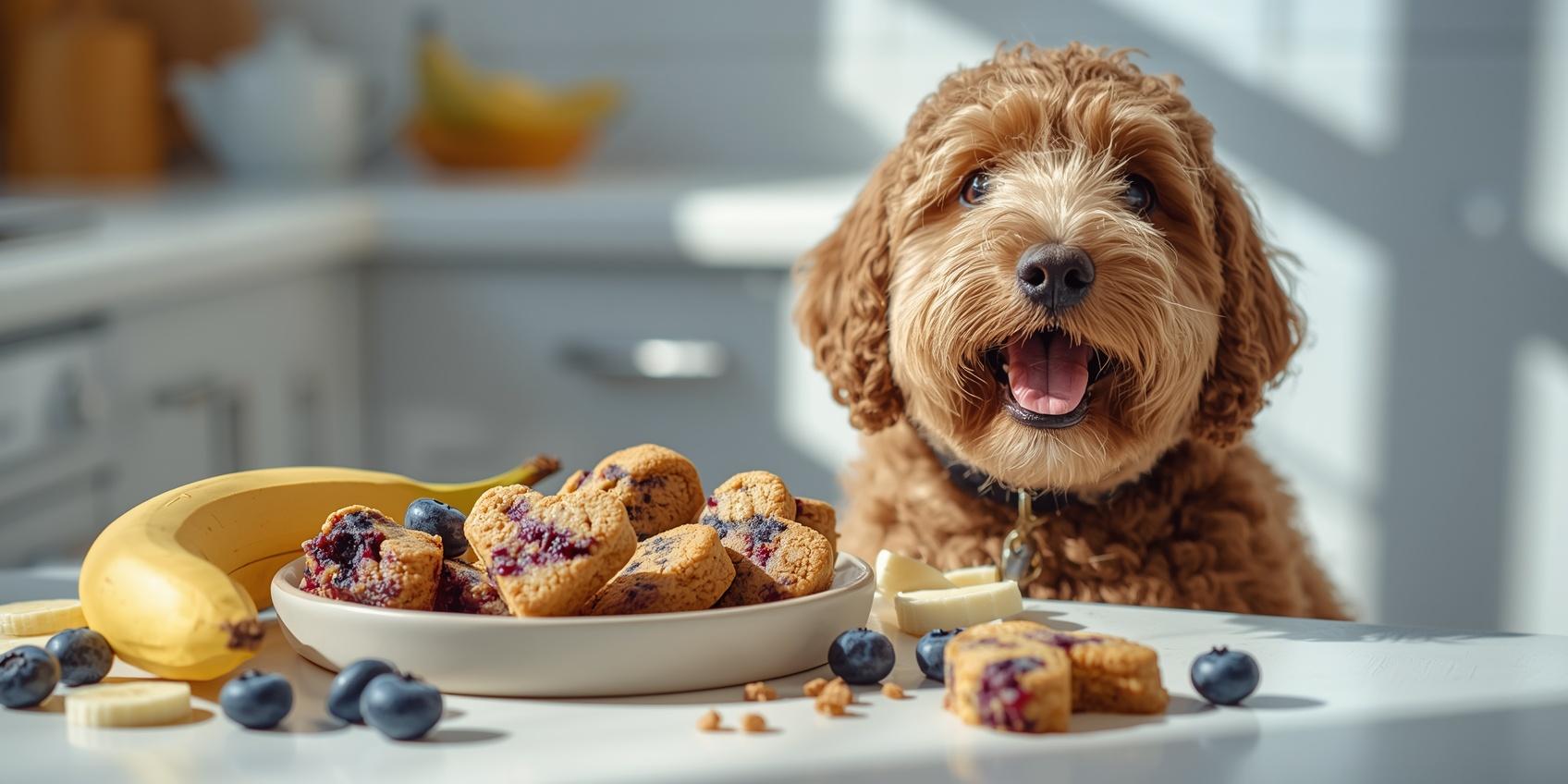
Homemade Blueberry Banana Dog Treats

If you love treating your furry friend, you know how important it is to give them snacks that are both tasty and healthy. Homemade Blueberry Banana Dog Treats are a perfect way to spoil your dog without worrying about harmful ingredients. Imagine your dog’s tail wagging with joy as they enjoy these delicious bites made from simple, natural ingredients you already have at home. Keep reading, and you’ll discover an easy recipe that will make your pup happy and keep their health in check—plus, you’ll feel great knowing exactly what’s in every treat. Benefits Of Homemade Treats Making dog treats at home gives you full control over what your pet eats. You can choose fresh and natural ingredients without additives. This helps keep your dog healthier and happier. Homemade treats also let you tailor recipes to fit your dog’s needs. These treats can be safer and tastier than many store-bought options. You avoid preservatives and artificial flavors that might upset your dog’s stomach. Plus, baking treats at home can be a fun activity for you and your pet. Healthier Ingredients Homemade treats use simple, natural ingredients. Blueberries and bananas provide vitamins and antioxidants. These support your dog’s immune system and digestion. No harmful chemicals or fillers make your treats better for long-term health. Customization For Allergies Many dogs have food allergies or sensitivities. Homemade treats allow you to avoid ingredients that cause reactions. You can replace wheat or dairy with safe alternatives. This keeps your dog comfortable and prevents health issues. Cost Savings Making treats at home costs less than buying premium store treats. You can buy ingredients in bulk and use leftovers from your kitchen. This reduces waste and saves money. Your dog gets quality snacks without a high price tag. Credit: www.wiggleworthy.com Choosing Ingredients Choosing the right ingredients is key to making healthy homemade dog treats. Each ingredient should be safe and provide benefits for your dog’s health. Simple, natural foods work best. Avoid anything toxic or hard to digest. Blueberries And Their Nutrients Blueberries are a small fruit packed with vitamins and antioxidants. These nutrients help fight cell damage and support the immune system. Blueberries also contain fiber, which aids digestion. Their natural sweetness makes treats tasty without added sugar. Bananas For Energy Bananas are a great source of natural energy. They have potassium, which supports muscle and nerve function. Bananas also provide vitamin B6 and vitamin C. Their soft texture makes treats easy to chew for dogs of all sizes. Dog-friendly Additions Adding safe extras can boost flavor and nutrition. Plain oats add fiber and help with digestion. A little peanut butter (xylitol-free) offers protein and healthy fats. Coconut oil supports skin and coat health. Always check ingredients for safety before use. Step-by-step Recipe Making homemade blueberry banana dog treats is simple and fun. This step-by-step recipe guides you through each part. Your dog will love these tasty, healthy snacks. Let’s start with preparing the fruit. Preparing The Fruit Wash fresh blueberries gently under cold water. Mash the ripe banana with a fork until smooth. Combine the mashed banana and blueberries in a bowl. This mix adds natural sweetness and nutrition. Mixing The Dough In a large bowl, add whole wheat flour and oats. Pour the fruit mixture into the dry ingredients. Stir well with a spoon until the dough forms. If too dry, add a little water, one teaspoon at a time. Shaping The Treats Lightly flour a clean surface for rolling. Roll the dough to about 1/4 inch thick. Cut into small shapes using cookie cutters or a knife. Place the shapes on a baking sheet lined with parchment paper. Baking Instructions Preheat the oven to 350°F (175°C). Bake the treats for 20-25 minutes until golden brown. Let them cool completely on a wire rack. Store in an airtight container for up to two weeks. Storage Tips Storing homemade blueberry banana dog treats properly keeps them tasty and safe. Good storage helps keep freshness and stop spoilage. Knowing the best way to store treats saves money and time. It also ensures your dog enjoys every bite. Keeping Treats Fresh Store treats in an airtight container. Use a cool, dry place away from sunlight. Avoid moisture to keep treats crisp. Check treats regularly for any signs of mold or softness. Fresh treats last about one week at room temperature. Refrigerate treats to extend freshness up to two weeks. Freezing For Longevity Freezing treats helps keep them good for months. Place treats in a freezer-safe bag or container. Remove as much air as possible before sealing. Label the container with the date for easy tracking. Thaw treats at room temperature before giving to your dog. Frozen treats keep their flavor and texture well. Safety And Serving Guidelines Safety and serving guidelines are important for homemade blueberry banana dog treats. Dogs need treats that are safe and healthy. These treats should support their diet, not harm it. Knowing how much to give and watching for allergies helps keep dogs happy and healthy. Treats are a small part of a dog’s daily food. Giving too many can cause problems. Understanding portion sizes and allergies keeps your dog safe. Portion Control Give treats in small amounts. One or two treats a day are enough for most dogs. Too many treats can cause weight gain. Treats should not replace regular meals. Use treats as a reward during training or playtime. Monitor your dog’s weight and adjust treat size if needed. Possible Allergic Reactions Some dogs may be allergic to blueberries or bananas. Watch for signs like itching, swelling, or upset stomach. Stop giving treats if any reaction appears. Introduce new treats slowly and in small amounts. Consult your vet if your dog has known allergies. Always choose fresh, natural ingredients to reduce risks. Credit: www.pookspantry.com Credit: www.threeolivesbranch.com Frequently Asked Questions What Ingredients Are Needed For Blueberry Banana Dog Treats? You need ripe bananas, fresh blueberries, whole wheat flour, oats, and a little honey. These natural ingredients are safe and … Read more

Buying A Cavalier King Charles Spaniel: The Ultimate Beginner’s Guide

Buying A Cavalier King Charles Spaniel

Are you thinking about adding a Cavalier King Charles Spaniel to your family? These small, loving dogs are full of charm and make wonderful companions. But before you bring one home, there are important things you need to know to make the right choice for you and your new pet. This guide will help you understand what to look for, how to prepare, and what to expect when buying a Cavalier King Charles Spaniel. Keep reading to make sure you’re ready to welcome this adorable dog into your life the right way. Credit: petsworld.in Choosing The Right Breed Choosing the right Cavalier King Charles Spaniel breed means understanding what fits your life best. Each dog has unique traits that affect your daily routine and happiness. Knowing these traits helps you find a companion that matches your home and heart. Temperament Traits Cavalier King Charles Spaniels are gentle and friendly dogs. They love being near people and enjoy cuddles. These dogs are usually good with children and other pets. They stay happy with lots of attention and playtime. Their calm nature makes them great for families and quiet homes. Size And Appearance This breed is small but sturdy. They weigh between 13 and 18 pounds. Their soft, silky coat comes in four colors: Blenheim, tricolor, ruby, and black & tan. Their big, dark eyes give them a sweet look. Small size means easy to carry and live with. Health Considerations Cavaliers need regular health checks. They can have heart and eye problems. Early care helps catch issues before they grow. Proper diet and exercise keep them strong. Choosing a puppy from a trusted breeder lowers health risks. Finding A Reputable Breeder Finding a reputable breeder is key to bringing home a healthy Cavalier King Charles Spaniel. A good breeder cares about the dogs’ health and well-being. They follow ethical practices and breed with care. This ensures your new pet has the best start in life. Choosing a trustworthy breeder means fewer health problems and better behavior. It also supports responsible breeding and helps reduce puppy mills. Take time to research and meet breeders before deciding. Breeder Credentials Check if the breeder is registered with a recognized dog club. Membership in groups like the American Kennel Club shows commitment. Ask for health clearances for the parents. These documents prove the dogs are tested for common genetic issues. A reputable breeder shares this information willingly. Visiting The Breeding Facility Visit the place where the puppies live. The area should be clean and safe. Dogs should look happy and well cared for. Notice if the breeder spends time with the dogs. Puppies raised in a loving environment tend to be more social and healthy. Questions To Ask Ask about the parents’ health and temperament. Inquire about the puppy’s diet and vaccinations. Find out how the breeder socializes their puppies. Question any return or health guarantee policies. Good breeders answer clearly and honestly. They want the best for their dogs. Puppy Selection Tips Choosing the right Cavalier King Charles Spaniel puppy is important. This breed has many wonderful traits, but each puppy is unique. Careful selection helps ensure a happy pet and owner. Focus on key factors like behavior, health, and personality. These tips make the process easier and more rewarding. Observing Puppy Behavior Watch how the puppy plays and interacts. Look for curiosity and energy. A confident puppy will explore its surroundings. Notice if the puppy is shy or overly nervous. Friendly and social pups usually adapt well to families. Avoid puppies that seem too aggressive or overly timid. Checking For Health Issues Examine the puppy’s eyes, ears, and nose for clear signs. Bright eyes without discharge show good health. Clean ears free from odor mean no infections. The nose should be moist and cool. Check the puppy’s coat for softness and shine. Avoid pups with bald spots or skin irritation. Ask the breeder about vaccinations and vet visits. Matching Personality With Lifestyle Cavalier King Charles Spaniels have different energy levels. Some puppies are calm, others more playful. Choose a puppy that fits your daily routine. Active families may prefer a lively pup. Quiet homes might benefit from a gentle, calm dog. Think about your time, space, and activity level before deciding. Costs Involved Buying a Cavalier King Charles Spaniel involves several costs beyond just the price of the dog. Understanding these expenses helps you prepare well. This way, you can give your new pet a happy and healthy life. Purchase Price The cost of a Cavalier King Charles Spaniel varies widely. Puppies from reputable breeders usually cost more. Prices can range from $1,500 to $3,500. Dogs with champion bloodlines or special colors may be pricier. Avoid buying from unknown sources to reduce health risks. Initial Supplies Getting your new dog needs some basic supplies. You will need a bed, food bowls, and a collar. Toys and grooming tools are important too. A crate or carrier helps with training and travel. These items can cost around $200 to $400 in total. Ongoing Expenses Owning a Cavalier means regular costs every month. Food and treats are a steady expense. Vet visits, vaccines, and flea control add up yearly. Grooming, training classes, and pet insurance are other costs. Plan for about $100 to $200 each month to care well for your dog. Preparing Your Home Bringing a Cavalier King Charles Spaniel home is exciting. Preparing your house helps your new dog feel safe and loved. A calm and welcoming space makes the transition smooth. Plan ahead to meet your puppy’s needs and habits. Safe Spaces Create a quiet spot where your dog can rest undisturbed. Use a soft bed or crate in a low-traffic area. This space becomes your puppy’s safe place to relax. It helps reduce stress and builds trust. Essential Supplies Gather all needed items before the puppy arrives. Food and water bowls, toys, and grooming tools are must-haves. Choose puppy-safe toys for chewing and play. Have a leash and collar ready for … Read more

Homemade Apple Pie for Dogs: An Irresistible Safe & Healthy Treat Recipe

Homemade Apple Pie for Dogs

If you love your dog as much as most pet owners do, you want to share special moments and treats with them. But not all human foods are safe for dogs. What if you could make a delicious, healthy snack that your furry friend will actually enjoy? Homemade apple pie for dogs is a tasty way to show your pet some extra love. You’ll learn how to create a dog-friendly apple pie that’s simple, safe, and sure to make tails wag. Keep reading to discover the easy steps and ingredients that make this treat a hit with pups everywhere! Credit: itdoesnttastelikechicken.com Benefits Of Apple Pie For Dogs Apple pie made for dogs offers tasty treats with good health benefits. It is a fun way to include fruits in your dog’s diet. Homemade apple pie keeps control over ingredients. No harmful additives or sugars. Dogs enjoy the sweet taste of apples and the soft pie texture. This treat supports their overall well-being. It can also strengthen the bond between you and your pet. Nutritional Value Of Apples Apples are rich in vitamins A and C. These vitamins help keep your dog’s skin and coat healthy. Apples also contain fiber, which aids digestion. They have antioxidants that support the immune system. Low in calories, apples make a healthy treat option. Safe Ingredients For Dogs Using dog-friendly ingredients is key in homemade apple pie. Avoid sugar, cinnamon, and nutmeg as they can harm dogs. Use plain apples, a bit of oat flour, and natural peanut butter. These ingredients are safe and tasty. Homemade treats avoid preservatives and artificial flavors. This ensures your dog eats only healthy, fresh food. Ingredients To Use Choosing the right ingredients is key to making a safe apple pie for dogs. Dogs need foods that are gentle on their stomachs and free from harmful additives. Using dog-friendly ingredients ensures the pie is tasty and healthy. Each ingredient plays a role in nutrition and flavor. Let’s explore which ones work best. Dog-friendly Apples Apples are great for dogs but choose the right type. Red or green apples without seeds and core are safe. Seeds contain small amounts of cyanide and must be removed. Use fresh, organic apples to avoid pesticides. Chop apples into small pieces for easy digestion. Alternative Sweeteners Dogs don’t need much sugar. Avoid regular sugar and artificial sweeteners. Use natural options like pure honey or mashed banana. These add sweetness without harming your dog. Keep sweeteners minimal to protect your dog’s teeth and health. Suitable Flours And Spices Regular wheat flour can cause allergies. Opt for oat flour, rice flour, or coconut flour instead. These flours are gentle and nutritious. Use mild spices like cinnamon for flavor. Avoid nutmeg, garlic, and onion as they are toxic to dogs. Preparing The Apple Filling Preparing the apple filling is the heart of homemade apple pie for dogs. It ensures the pie tastes fresh and stays healthy for your pet. Using the right steps helps keep the flavors natural and safe. Simple preparation makes a big difference in the final pie. Peeling And Chopping Apples Start by washing the apples well. Peel the skin off to avoid pesticides and hard pieces. Cut the apples into small, bite-sized chunks. Small pieces cook evenly and are easy for dogs to eat. Remove the core and seeds completely. Apple seeds contain substances harmful to dogs. Cooking Techniques Cook the apples gently over low heat. Stir often to avoid burning. Add a little water to keep the apples moist. Cook until the apples are soft but not mushy. Soft apples mix well in the pie and taste sweet. Avoid boiling too long to keep nutrients intact. Avoiding Harmful Additives Skip sugar, salt, and spices like cinnamon or nutmeg. These can upset your dog’s stomach. Use only natural ingredients like water and apples. Avoid artificial sweeteners or preservatives. Pure apple filling is safe and tasty for dogs. Making The Crust Making the crust for homemade apple pie for dogs is an important step. A good crust holds the filling well and adds texture. It must be safe and tasty for your pet. Using the right ingredients ensures the crust is gentle on your dog’s stomach. The process of mixing and rolling the dough is easy with the right tips. There are also simple alternatives if you want to skip making traditional dough. Choosing The Right Flour Pick flour that is safe and healthy for dogs. Whole wheat flour offers fiber and nutrients. Oat flour is gentle and easy to digest. Avoid white flour as it has fewer nutrients. Rice flour is another good option for sensitive dogs. Mixing And Rolling Dough Mix flour with water and a small amount of oil. Use cold water to keep the dough firm. Stir until the dough forms a ball. Lightly flour a clean surface to roll the dough. Roll it evenly to about 1/4 inch thick. Avoid making the crust too thin or too thick. A balanced crust bakes evenly and holds the filling well. Crust Alternatives Try using mashed sweet potatoes or pumpkin as a crust. Spread them in the pie pan and press firmly. These options add natural sweetness and nutrients. Another choice is using crushed oats mixed with a little peanut butter. These alternatives are easy and dog-friendly. They save time and still taste great. Baking Tips Baking a homemade apple pie for dogs is fun and rewarding. Small details make a big difference in taste and safety. Follow these baking tips for a perfect dog-friendly pie every time. Oven Temperature And Time Set your oven to 350°F (175°C). This temperature cooks the pie gently. Bake for about 25 to 30 minutes. Check the pie at 20 minutes to avoid overbaking. A slow bake keeps the apples soft and the crust firm. Checking Doneness Look for a golden-brown crust. The pie should smell sweet and fresh. Gently press the crust edge to test firmness. If it feels soft or doughy, bake a few minutes … Read more

Homemade Vegan Dog Food Recipes – Healthy & Plant-Based

Homemade Vegan Dog Food Recipes

Are you looking for healthy and tasty food options for your furry friend? Making homemade vegan dog food recipes can be a great way to give your dog fresh, nutritious meals without any animal products. You might wonder if a plant-based diet can truly meet your dog’s needs. This article will show you easy recipes that are not only good for your dog’s health but also simple to prepare. Keep reading to discover how you can make your dog’s mealtime both delicious and wholesome! Credit: v-dog.com Benefits Of Vegan Dog Food Switching to vegan dog food offers several health and environmental benefits. Dogs can enjoy a balanced diet without animal products. Many pet owners choose vegan food to support animal welfare and reduce their pet’s carbon pawprint. Vegan dog food recipes focus on plant-based ingredients that provide essential nutrients. These meals often contain vegetables, grains, and legumes. Properly made vegan diets can keep dogs healthy and energetic. Improved Digestion And Gut Health Plant-based meals are rich in fiber. Fiber helps dogs digest food smoothly. It also supports good bacteria in the gut. This can reduce stomach problems and improve overall digestion. Reduced Risk Of Allergies Animal proteins can cause allergies in some dogs. Vegan diets avoid common allergens like beef and chicken. This lowers the chance of skin irritation and itching. Dogs with food sensitivities may feel better on vegan food. Supports Healthy Weight Vegan dog food often has fewer calories and fat. This helps maintain a healthy weight. Overweight dogs have fewer health issues and live longer. Plant-based meals support steady, balanced energy levels. Environmentally Friendly Choice Producing plant-based dog food uses less water and land. It creates fewer greenhouse gas emissions. Choosing vegan food helps protect the planet. It reduces the demand for animal farming. Credit: mrsplantintexas.com Essential Nutrients For Dogs Dogs need certain nutrients to stay healthy and strong. These nutrients support their energy, growth, and overall well-being. Homemade vegan dog food must include these essentials to keep dogs happy. Protein Sources Protein helps build muscles and repair tissues. Good vegan protein sources include lentils, chickpeas, and quinoa. Peas and tofu also provide quality protein. These plant foods supply amino acids dogs need daily. Vitamins And Minerals Vitamins and minerals keep dogs’ bodies working well. Leafy greens like spinach and kale give vitamin A and iron. Sweet potatoes offer vitamin C and fiber. A balanced mix of these nutrients supports strong bones and a healthy immune system. Fats And Carbohydrates Fats provide energy and keep skin shiny. Flaxseed oil and coconut oil are great vegan fat sources. Carbohydrates fuel dogs for play and exercise. Brown rice, oats, and pumpkin supply easy-to-digest carbs. Common Ingredients For Vegan Dog Meals Homemade vegan dog food uses simple, natural ingredients. These foods provide good nutrition and taste for dogs. Choosing the right ingredients ensures your dog stays healthy and happy. Many plant-based foods offer protein, fiber, and vitamins dogs need. Legumes And Beans Legumes and beans are excellent protein sources. Lentils, chickpeas, and peas are common choices. They help build strong muscles and support energy. These foods also contain fiber for good digestion. Soaking and cooking them well makes them easy to digest. Grains And Seeds Grains and seeds add energy and essential fats. Brown rice, oats, and quinoa provide carbohydrates for fuel. Flaxseeds and chia seeds offer omega-3 fatty acids. These fats keep skin healthy and coat shiny. Grains also supply important vitamins and minerals. Vegetables And Fruits Vegetables and fruits add vitamins and antioxidants. Carrots, sweet potatoes, and spinach are great choices. Apples and blueberries offer natural sweetness and vitamins. These foods support the immune system and overall health. Always wash and cut them into small pieces. Easy Vegan Dog Food Recipes Easy vegan dog food recipes offer healthy and simple meal ideas for your pet. These recipes use natural ingredients that are easy to find. They provide good nutrition and taste that dogs enjoy. Preparing homemade vegan meals can save money and avoid preservatives. Each recipe focuses on balance and easy cooking. You can make these dishes in less than an hour. Perfect for busy pet owners who want fresh food for their dogs. Lentil And Sweet Potato Stew This stew combines lentils and sweet potatoes for energy and fiber. Cook lentils until soft, then add diced sweet potatoes. Simmer with water and a pinch of turmeric for digestion. Let it cool before serving. Dogs love the mild, sweet flavor. Quinoa And Vegetable Mix Quinoa is a great protein source for dogs. Cook quinoa and mix with steamed carrots and peas. Add a little olive oil for healthy fats. This meal is light and full of vitamins. Easy to prepare and gentle on your dog’s stomach. Chickpea And Pumpkin Mash Chickpeas and pumpkin create a creamy, filling meal. Mash cooked chickpeas with cooked pumpkin until smooth. Add a splash of coconut milk for taste. This recipe supports digestion and provides important nutrients. Serve at room temperature for best results. Tips For Transitioning Your Dog Switching your dog to homemade vegan food takes care and patience. Dogs need time to adjust to new tastes and textures. A slow change helps their stomachs and keeps them happy. Start by mixing small amounts of vegan food with their current diet. Increase the vegan portion little by little over days or weeks. Watch how your dog reacts to the new food. Introduce New Food Gradually Mix 25% vegan food with 75% old food at first. After three days, increase to 50% vegan food. Then, raise it to 75% before going 100% vegan. This slow change helps avoid stomach upset. Observe Your Dog’s Health Check for signs like vomiting, diarrhea, or loss of appetite. Keep a close eye on energy levels and mood. If problems arise, slow the transition or consult a vet. Keep Mealtime Consistent Feed your dog at the same times each day. Use the same bowls and quiet place. Routine helps dogs feel safe during food changes. Offer Plenty … Read more

Homemade Applesauce Oat Dog Treats – Healthy & Delicious

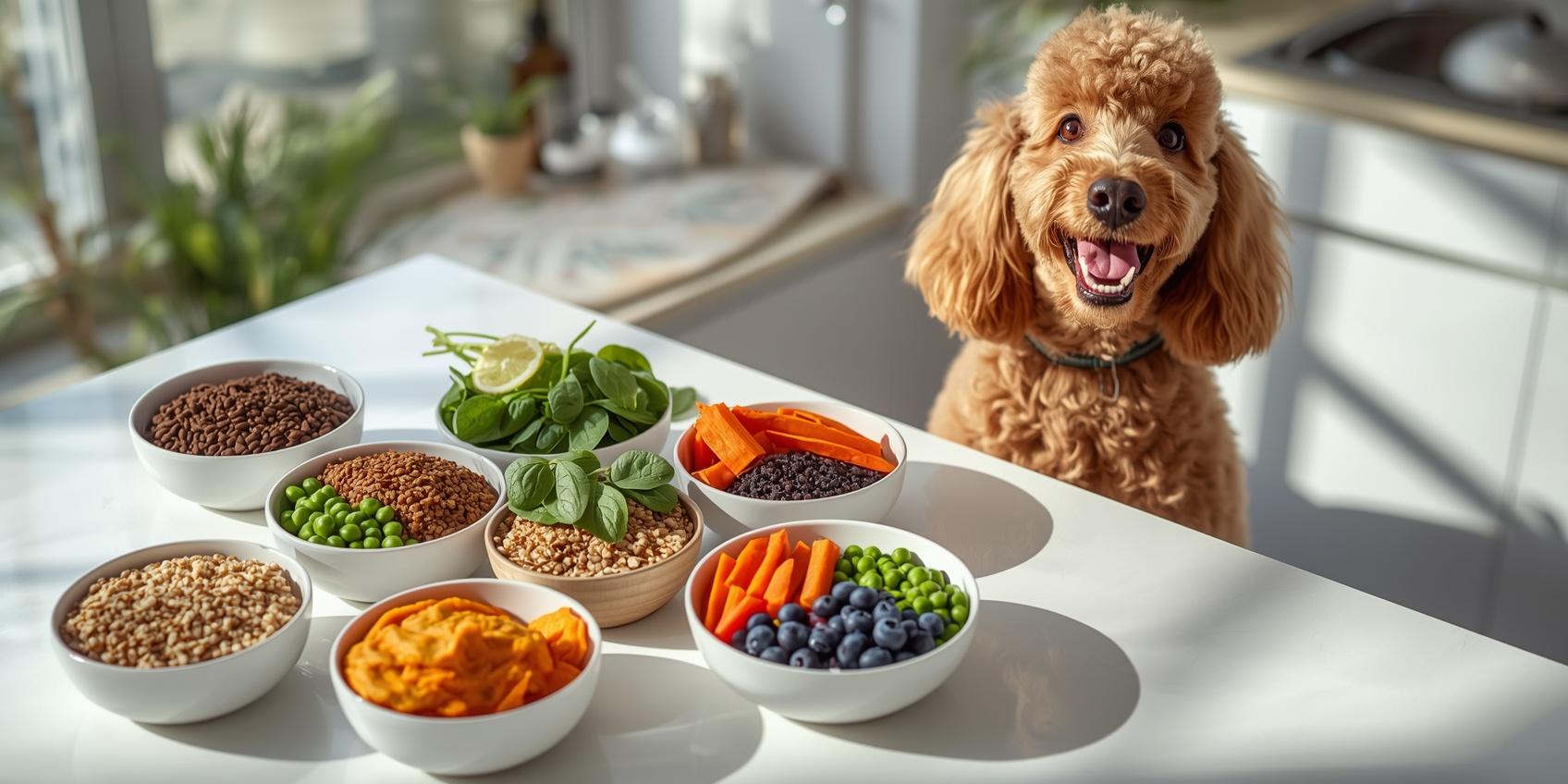
Looking for a healthy and tasty treat your dog will love? Homemade Applesauce Oat Dog Treats are simple to make and packed with natural goodness. You want your furry friend to enjoy snacks that are both safe and delicious, right? These treats use ingredients you probably already have at home, making them perfect for a quick, wholesome snack. Keep reading, and you’ll discover how easy it is to whip up these treats that will have your dog’s tail wagging every time. Ingredients List Making homemade applesauce oat dog treats starts with simple, healthy ingredients. Each component plays a key role in taste and nutrition. Choosing the right ingredients ensures your dog enjoys every bite. The list below breaks down what you need for these tasty treats. Applesauce Selection Use plain, unsweetened applesauce. Avoid added sugar or artificial flavors. Fresh or store-bought works well. Applesauce adds natural sweetness and moisture. It also helps bind the ingredients together. Oat Choices Pick rolled oats or quick oats. Rolled oats give a chewier texture. Quick oats make treats softer. Oats provide fiber and energy for your dog. They are gentle on the stomach too. Additional Flavorings Add cinnamon for a warm, tasty touch. Use a small amount only. It supports digestion and adds aroma. You can also add a spoon of peanut butter. Make sure it contains no xylitol or salt. These extras make the treats more exciting. Credit: www.pookspantry.com Preparation Steps Making homemade applesauce oat dog treats is simple and fun. Follow clear steps to prepare tasty snacks your dog will love. The process starts with mixing the right ingredients. Then, shape the dough into small treats. Finally, bake them carefully for the best texture and flavor. Mixing Ingredients Start by combining rolled oats, unsweetened applesauce, and a bit of flour. Use a bowl to mix everything well. Stir until the mixture forms a thick dough. Avoid adding too much liquid. The dough should hold together but not be sticky. Shaping Treats Take small portions of dough and roll them into balls. Flatten each ball into a small cookie shape. Use your hands or a cookie cutter. Keep the treats bite-sized for easy chewing. Place them on a baking sheet lined with parchment paper. Baking Tips Preheat the oven to 350°F (175°C). Bake the treats for 20 to 25 minutes. Watch closely to prevent burning. The edges should turn light golden brown. Let the treats cool completely before giving them to your dog. Store in an airtight container for freshness. Storage And Shelf Life Storing homemade applesauce oat dog treats correctly keeps them fresh longer. Proper storage helps keep their flavor and texture just right. Knowing how long they last prevents waste and ensures your dog always enjoys a safe snack. Proper Storage Methods Store the treats in an airtight container to keep moisture out. Use a clean, dry jar or plastic container with a tight lid. Keep the container in a cool, dry place away from sunlight. Avoid storing near heat sources or humidity. Refrigeration helps extend freshness for several days. For longer storage, freeze the treats in a sealed bag or container. How Long They Last At room temperature, treats last up to 3 days. In the refrigerator, they stay fresh for about 1 week. Frozen treats keep well for up to 3 months. Always check for changes in smell, texture, or color before feeding. Discard treats if they seem moldy or stale. Credit: dessertdonelight.com Health Benefits Homemade applesauce oat dog treats offer many health benefits. These treats combine natural ingredients that support your dog’s well-being. They are easy to digest and gentle on your dog’s stomach. Using simple ingredients like applesauce and oats gives your dog good nutrition. These treats help maintain healthy digestion and provide energy. They also make a tasty snack your dog will enjoy. Nutritional Value Applesauce contains vitamins A and C, which help boost the immune system. It is low in calories and fat, making it a healthy treat option. Oats add fiber, which supports good digestion and gut health. Oats also provide protein and important minerals like iron and zinc. These nutrients help keep muscles strong and bones healthy. The combination of applesauce and oats offers a balanced treat with natural energy. Suitability For Dogs These treats suit most dogs, including those with sensitive stomachs. They contain no added sugar, salt, or artificial ingredients. This makes them safer than many store-bought snacks. Dogs with allergies or food sensitivities often tolerate these treats well. The natural ingredients reduce the risk of digestive upset. Always check with your vet before trying new treats for your dog. Customization Ideas Homemade applesauce oat dog treats are easy to customize. You can change ingredients to suit your dog’s needs and taste. Customizing treats keeps your dog interested and happy. It also helps add health benefits. Adding Supplements Mix supplements into the dough for extra nutrition. Use fish oil for shiny fur and healthy skin. Add a bit of turmeric to reduce inflammation. Probiotics support your dog’s digestion and gut health. Just use small amounts safe for dogs. Flavor Variations Try different flavors to keep treats exciting. Mix peanut butter for a rich, nutty taste. Add pumpkin puree to boost fiber and vitamins. Use mashed banana for natural sweetness. You can also add cinnamon for a warm flavor dogs enjoy. Credit: cosori.com Frequently Asked Questions What Ingredients Are In Homemade Applesauce Oat Dog Treats? Homemade applesauce oat dog treats typically include oats, unsweetened applesauce, and optional natural sweeteners like honey. These ingredients are dog-safe and nutritious. They provide fiber, vitamins, and antioxidants, making the treats healthy and tasty for your dog. Are Applesauce Oat Dog Treats Safe For Dogs? Yes, applesauce oat dog treats are safe if made with dog-friendly ingredients. Avoid added sugars, artificial sweeteners, or spices. Always use unsweetened applesauce to ensure no harmful additives. These treats offer a healthy alternative to store-bought snacks. How Long Do Homemade Applesauce Oat Dog Treats Last? Homemade applesauce oat dog treats … Read more

Easy Peanut Butter Smoothie for Dogs – Healthy & Tail-Wagging Recipes

easy peanut butter smoothie for dogs

If you want to treat your dog to something tasty and healthy, a easy peanut butter smoothie for dogs could be just the thing. Imagine your furry friend’s tail wagging as they enjoy a cool, creamy drink packed with nutrients. You might wonder if peanut butter is safe for dogs or how to make a smoothie they’ll love. Keep reading, and you’ll discover easy recipes and tips to create a delicious easy peanut butter smoothie for dogs that’s perfect for health and happiness. Your pup deserves a treat that’s both fun and good for them—let’s make it happen! Credit: www.17apart.com Benefits Of Peanut Butter Smoothies Peanut butter smoothies offer many benefits for dogs. They are tasty and healthy treats that dogs enjoy. These smoothies provide important nutrients that support your dog’s well-being. They also help keep your dog energetic and active. Peanut butter smoothies can improve your dog’s skin and coat health. Let’s explore the main benefits of these delicious drinks. Nutritional Value For Dogs Peanut butter contains protein and healthy fats. These nutrients help build strong muscles. It also provides vitamins like B and E. These vitamins support your dog’s immune system and energy. Peanut butter smoothies also have fiber. Fiber helps your dog’s digestion and keeps the stomach healthy. This makes the smoothie a good, balanced snack for dogs. Energy Boosting Properties Peanut butter is rich in healthy fats and protein. These give your dog lasting energy. The smoothie quickly refuels your dog after play or exercise. The natural sugars in peanut butter add a quick energy boost. These keep your dog active without crashes. It is perfect for active or working dogs needing stamina. Improved Coat And Skin Health Healthy fats in peanut butter help keep skin soft and shiny. These fats reduce dryness and itching. Regular intake can lead to a healthier coat. Vitamins in peanut butter also support skin repair. This helps dogs with skin problems or allergies. Peanut butter smoothies nourish your dog from the inside out. Choosing The Right Ingredients Choosing the right ingredients is very important for a peanut butter smoothie for dogs. Some ingredients are healthy and safe. Others can cause problems or harm your dog. Knowing what to pick helps keep your dog happy and healthy. Fresh, natural ingredients make the best smoothies. Avoid things with sugar, salt, or artificial stuff. Always check labels before buying. A safe smoothie gives your dog energy and nutrients without risks. Safe Peanut Butter Options Pick peanut butter with no added sugar or salt. Natural or organic peanut butter works best. Avoid peanut butter with xylitol. Xylitol is toxic to dogs and can cause serious harm. Smooth peanut butter is easier for dogs to eat than chunky. Dog-friendly Fruits And Vegetables Use fruits like banana, apple (no seeds), and blueberries. These add vitamins and natural sweetness. Carrots and pumpkin are great vegetable choices. They help with digestion and add fiber. Avoid grapes, raisins, onions, and garlic—they are unsafe for dogs. Avoiding Harmful Additives Check ingredient lists carefully. Avoid artificial sweeteners, flavors, and preservatives. Steer clear of salt and sugar. These can cause health problems for dogs. Use fresh or frozen ingredients without additives. This keeps the smoothie clean and safe. Simple Peanut Butter Smoothie Recipes Peanut butter smoothies are a tasty treat for dogs. They are easy to make and good for health. Using natural ingredients is best for your dog’s digestion and energy. These recipes use common items you can find at home. Try these simple recipes to keep your dog happy and refreshed. Basic Peanut Butter Banana Smoothie Blend one ripe banana with two tablespoons of peanut butter. Add half a cup of plain yogurt and some water. Mix until smooth. This smoothie is rich in potassium and protein. Peanut Butter And Pumpkin Blend Combine two tablespoons of peanut butter with a quarter cup of pumpkin puree. Add half a cup of water and blend well. This mix helps digestion and adds vitamins. Berry And Peanut Butter Mix Mix a handful of blueberries with two tablespoons of peanut butter. Add half a cup of plain yogurt. Blend until creamy. This smoothie offers antioxidants and healthy fats. Serving Tips And Portion Control Serving peanut butter smoothies to dogs needs care and balance. Portion control helps keep dogs healthy and happy. Too much can cause stomach upset or extra calories. Small, measured servings work best for most dogs. How Much To Serve Start with one to two tablespoons for small dogs. Medium dogs can have up to half a cup. Large dogs may enjoy a full cup as a treat. Adjust the amount based on your dog’s size and weight. Always watch for any signs of discomfort after serving. Best Times For Smoothie Treats Serve smoothies as a mid-morning or afternoon snack. Avoid giving them right before meals to not spoil appetite. After playtime or exercise is another good moment. Use smoothies as a special reward during training sessions. Keep treats to less than 10% of daily food intake. Introducing Smoothies Gradually Start with a small amount on the first day. Watch how your dog reacts to the new treat. Increase the portion slowly over a week if there are no issues. This helps avoid stomach upset or allergies. Gradual introduction allows your dog to enjoy safely. Precautions And Allergies Peanut butter smoothies can be a tasty treat for dogs. Still, some dogs may have allergies or digestive problems. It is important to take precautions before giving your dog this snack. Knowing the signs of allergies and digestive issues can keep your dog safe and happy. Recognizing Peanut Allergies Some dogs may be allergic to peanuts. Watch for itching, swelling, or redness on their skin. Sneezing and coughing can also be signs. Allergic reactions can be mild or severe. If your dog shows these signs after eating peanut butter, stop giving it immediately. Consulting Your Veterinarian Ask your veterinarian before adding peanut butter smoothies to your dog’s diet. They can check for allergies … Read more

Homemade Raw Dog Food Recipes – Simple, Healthy & Nutrient-Packed

Homemade Raw Dog Food Recipes

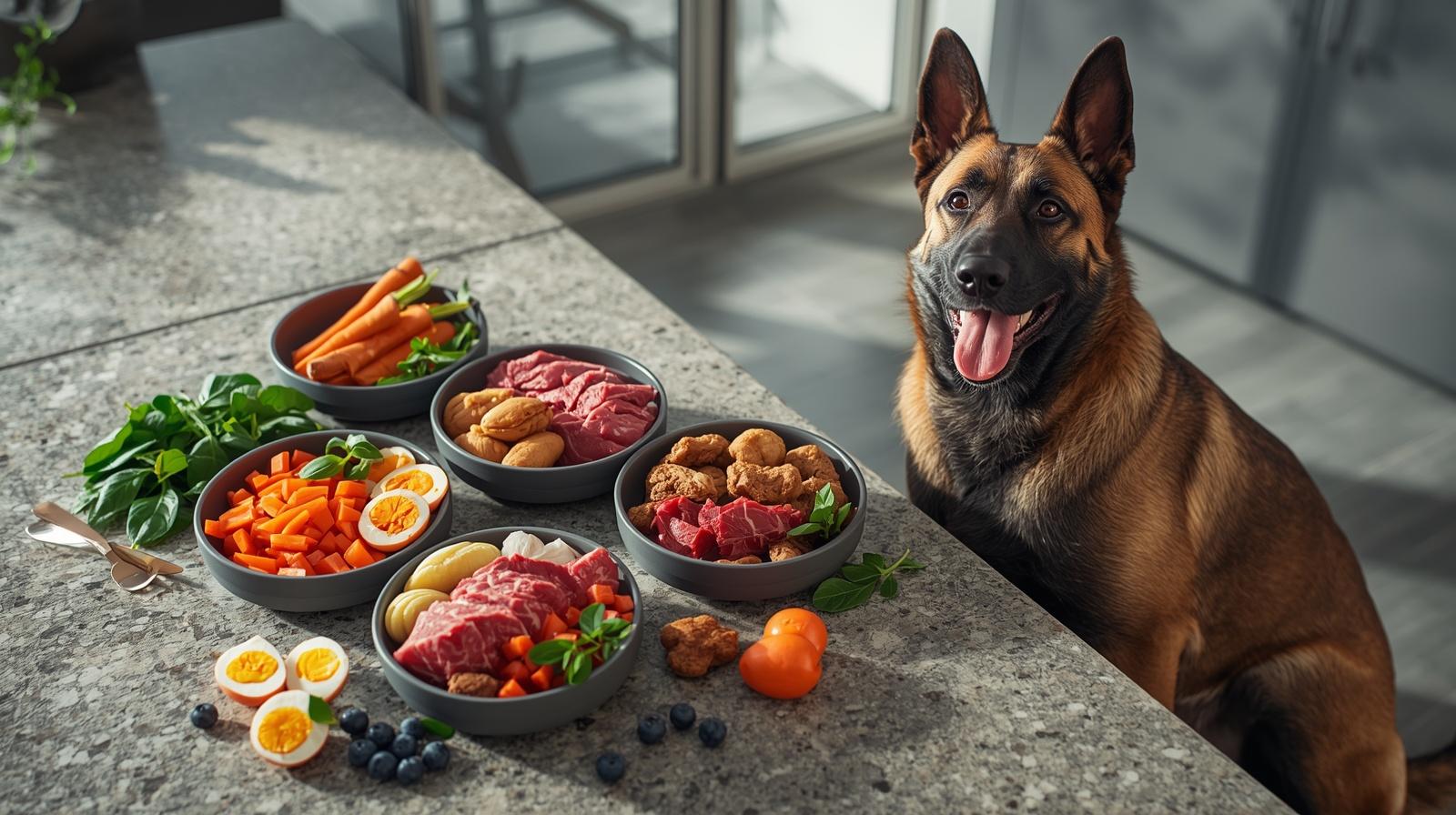
Are you looking for a healthier way to feed your dog? Homemade raw dog food recipes might be just what you need. Feeding your dog raw food can boost their energy, improve their coat, and support better digestion. But where do you start? You want to give your furry friend the best without spending hours in the kitchen or worrying about missing important nutrients. This guide will show you simple, tasty recipes that are easy to prepare and packed with everything your dog needs. Keep reading to discover how you can make your dog’s meals healthier and more delicious today. Credit: www.thatmutt.com Benefits Of Raw Dog Food Raw dog food offers many benefits that support your pet’s health. It contains natural nutrients that are easy for dogs to absorb. Feeding raw food can improve your dog’s well-being in several ways. Improved Digestion Raw dog food contains enzymes that help break down food better. Dogs digest raw food more easily than processed kibble. This can reduce gas, bloating, and stomach upset. Better digestion means your dog absorbs more nutrients from meals. Healthier Coat And Skin Natural oils and fats in raw food nourish your dog’s skin. This leads to a shiny, soft coat that feels great to touch. Many dogs experience less itching and dryness. The right nutrients support skin repair and reduce shedding. Increased Energy Levels Raw food provides high-quality proteins and fats for energy. Dogs fed raw diets often show more playfulness and alertness. Steady energy helps your dog stay active throughout the day. Good nutrition supports muscles and overall vitality. Credit: blog.homesalive.ca Essential Ingredients Creating homemade raw dog food starts with choosing the right ingredients. These ingredients must provide all the nutrients your dog needs. Balance is key to keep your pet healthy and happy. Focus on fresh, natural items that offer proteins, vitamins, and minerals. Meats And Proteins Meat is the main part of raw dog food. Use fresh beef, chicken, turkey, or lamb. Organ meats like liver and kidney add important nutrients. Fish such as salmon can provide healthy fats. Always choose high-quality, human-grade meat for safety. Vegetables And Fruits Vegetables and fruits give vitamins and fiber. Good choices include carrots, spinach, and broccoli. Apples and blueberries offer antioxidants. Avoid onions, grapes, and other toxic foods. Chop or puree veggies for easier digestion. Supplements And Additives Supplements help fill nutrition gaps in raw diets. Bone meal or crushed eggshells provide calcium. Fish oil adds omega-3 fatty acids. Probiotics support digestion and gut health. Use supplements carefully to keep meals balanced. Safe Preparation Tips Preparing homemade raw dog food needs care and attention. Safety is important to protect your dog and family from germs and bacteria. Follow simple steps to keep the food safe and healthy. Clean tools and proper handling help prevent illness. Portion control also keeps your dog’s diet balanced and fresh. These tips make raw feeding easier and safer. Handling Raw Meat Always use fresh meat from a trusted source. Keep raw meat cold until use. Thaw frozen meat in the fridge, not on the counter. Use separate cutting boards for raw meat and other foods. Wash your hands well before and after touching raw meat. Avoid cross-contamination by cleaning all surfaces after use. Sanitation Practices Clean all bowls, knives, and utensils with hot soapy water. Sanitize cutting boards regularly with vinegar or a mild bleach solution. Use separate containers for raw food storage. Store raw dog food in the coldest part of the fridge. Dispose of leftover food quickly to prevent spoilage. Keep your kitchen clean to stop bacteria from spreading. Portion Control Measure your dog’s food based on size and activity level. Avoid feeding large amounts at once to prevent stomach upset. Divide meals into smaller portions for better digestion. Use a digital scale for accuracy. Monitor your dog’s weight and adjust portions as needed. Fresh food works best when served in small, daily servings. Popular Raw Dog Food Recipes Raw dog food offers a fresh and natural diet for your pet. Many dog owners choose homemade recipes to control ingredients and ensure quality. These popular raw dog food recipes are easy to prepare and full of nutrients. Each recipe uses simple ingredients that provide protein, vitamins, and minerals. These meals support your dog’s health and energy. Try these recipes to give your dog a tasty and healthy meal. Chicken And Veggie Mix This recipe combines lean chicken with fresh vegetables. Use ground chicken for easy digestion. Add finely chopped carrots and spinach for vitamins. Mix in a small amount of chicken liver for extra nutrients. Serve fresh or slightly chilled for best taste. Beef And Bone Blend Ground beef is the main ingredient here. Include raw meaty bones like chicken necks for calcium. Add chopped green beans and pumpkin for fiber. This blend supports strong bones and healthy digestion. Always supervise your dog while eating bones. Fish And Greens Bowl Use oily fish like salmon or sardines for omega-3 fats. Mix with steamed kale and zucchini for antioxidants. Include a small amount of fish oil for skin health. This bowl helps keep your dog’s coat shiny and soft. Serve in small portions to avoid fishy smell. Transitioning To Raw Food Switching your dog to a raw food diet takes care and time. Sudden changes can upset their stomach. A smooth transition helps your dog enjoy raw meals and stay healthy. Gradual Introduction Start by mixing small amounts of raw food with their current diet. Increase the raw portion slowly over two weeks. This helps your dog’s digestion adjust without stress. Monitoring Your Dog’s Response Watch your dog’s behavior and stool closely. Look for changes in energy, appetite, or digestion. Any signs of discomfort mean you should slow the transition. Adjusting Portions Feed the right amount based on your dog’s size and activity. Adjust portions if your dog gains or loses weight. Keep meals balanced to meet nutritional needs. Common Challenges And Solutions Making raw dog food at home is rewarding … Read more

Cavalier King Charles Spaniel Maintenance & Care Guide

Cavalier King Charles Spaniel Maintenance

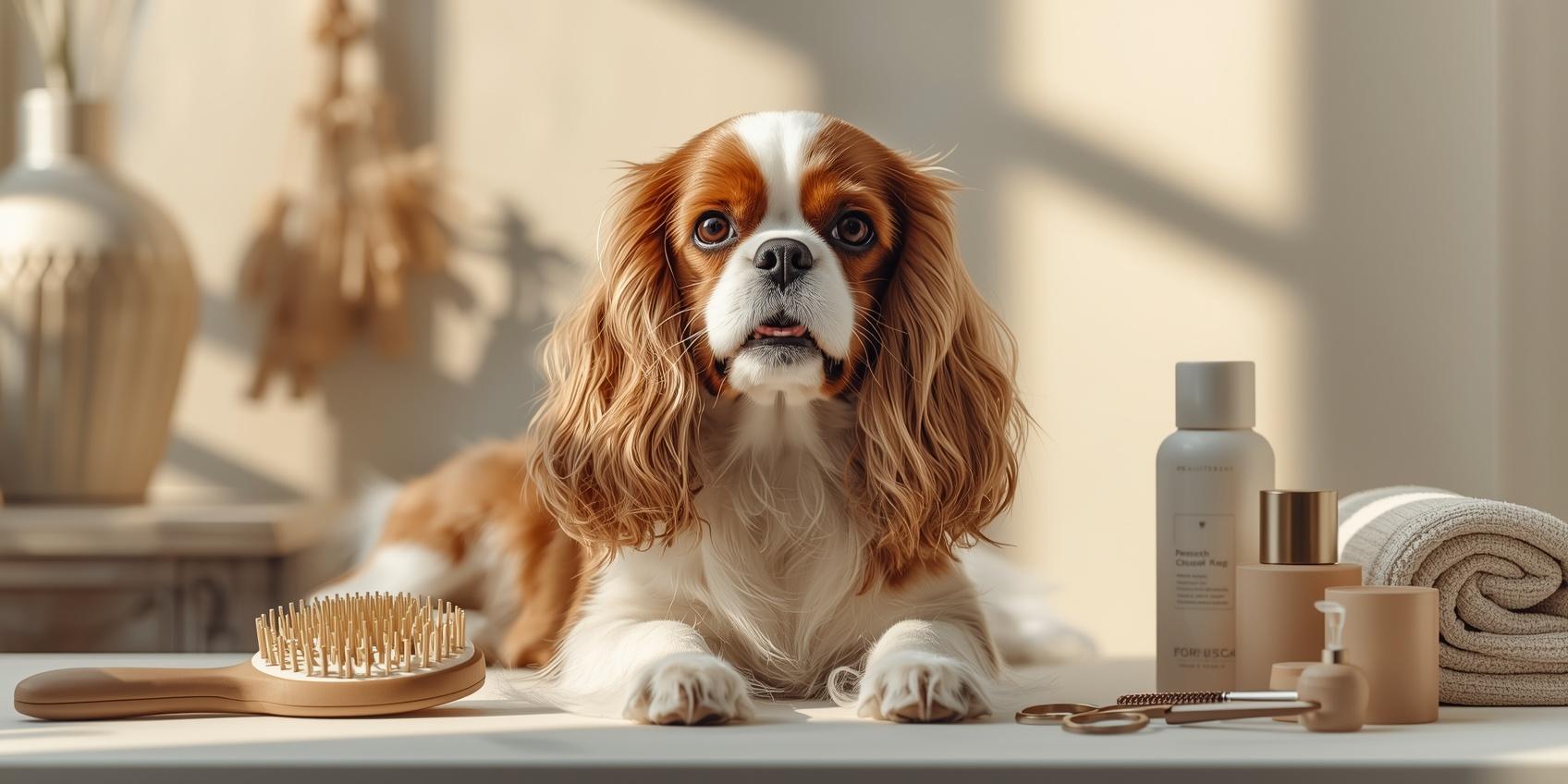
If you have a Cavalier King Charles Spaniel, you know how special these little dogs are. Their sweet nature and beautiful coat make them wonderful companions. But to keep your furry friend happy and healthy, proper Cavalier King Charles Spaniel Maintenance is key. You might wonder how to care for their unique coat, manage their health, or handle their daily needs. This guide will help you understand exactly what your Cavalier King Charles Spaniel needs so you can give them the best life possible. Keep reading to discover simple, effective tips that will make caring for your dog easier and more enjoyable. Credit: www.pdsa.org.uk Grooming Basics Grooming a Cavalier King Charles Spaniel keeps them healthy and happy. Their beautiful coat needs regular care. Proper grooming helps prevent mats and skin problems. It also lets you check for ticks and fleas. Simple steps make grooming easy and enjoyable for both of you. Coat Care The Cavalier’s coat is soft and silky. It grows medium length with slight waves. Check the coat daily for tangles or dirt. Remove small mats gently with your fingers. Keep hair around the ears and paws tidy. Regular trimming helps the dog stay clean. Healthy skin means a shiny, smooth coat. Brushing Techniques Brush your Cavalier at least three times a week. Use a slicker brush or a comb with wide teeth. Start brushing from the head down to the tail. Be gentle around sensitive spots like ears and belly. Focus on areas that mat easily, like behind ears. Brushing removes loose hair and spreads natural oils. It keeps the coat soft and reduces shedding. Bathing Schedule Bath your dog once a month or as needed. Use a mild dog shampoo to avoid skin dryness. Rinse thoroughly to remove all shampoo residue. Dry the coat well with a towel or low heat dryer. Too frequent baths can dry out the skin. Clean ears and trim nails during bath time for extra care. Health Checks Health checks are important for Cavalier King Charles Spaniels. Regular monitoring helps catch problems early. It keeps your dog happy and active. Understanding health needs makes care easier. This section covers key health checks every owner should know. Common Health Issues Cavalier King Charles Spaniels may face certain health problems. Heart disease, especially mitral valve disease, is common. Ear infections can happen due to floppy ears. Eye conditions like cataracts may develop. Joint issues such as hip dysplasia appear sometimes. Watching for signs helps catch these early. Regular Vet Visits Taking your dog to the vet often is essential. Vets check for health changes and give vaccines. Early illness detection improves treatment success. Puppies and older dogs need more frequent visits. Keep a schedule to avoid missed appointments. A vet’s advice guides your dog’s care well. Dental Care Dental health affects overall well-being. Brush your Cavalier’s teeth regularly to prevent plaque. Use dog-friendly toothpaste for safety. Dental problems can cause pain and eating issues. Check gums for redness or swelling. Professional cleanings at the vet help maintain healthy teeth. Exercise Needs Cavalier King Charles Spaniels need daily exercise to stay healthy and happy. They are small but energetic dogs. Proper exercise helps control their weight and keeps their muscles strong. It also prevents boredom, which can lead to bad behavior. Their exercise routines should match their age and health. Daily Activity These dogs need about 30 to 60 minutes of exercise each day. Walks are great for them. They enjoy a slow or moderate pace. Short walks in the morning and evening work well. Let them sniff and explore safely. Regular activity supports good heart and joint health. Avoid over-exercising puppies and older dogs. Playtime Ideas Playtime is fun and helps burn energy. Tug-of-war and fetch are simple, enjoyable games. Use soft balls or toys to avoid injury. Hide and seek with treats encourages movement. Playing in a fenced yard lets them run freely. Change toys often to keep interest high. Mental Stimulation Exercise is not just physical. Mental activity is important too. Puzzle toys challenge their minds. Training sessions teach new tricks and commands. These keep their brains sharp and focused. Rotate toys and activities to avoid boredom. A tired mind means a calm dog. Diet And Nutrition Proper diet and nutrition are key to keeping your Cavalier King Charles Spaniel healthy. This breed needs food that supports its energy and keeps its coat shiny. A good diet helps prevent illness and boosts overall well-being. Choosing the right food and feeding your dog correctly makes a big difference. Learn what to feed, how much, and what to avoid. This guide helps you make smart choices for your furry friend. Balanced Diet Your Cavalier needs a mix of protein, fats, and carbs. Protein builds strong muscles and supports body functions. Healthy fats keep the skin soft and the coat glossy. Carbs provide energy for play and daily activities. Vitamins and minerals are important too. They help the immune system and keep bones strong. Look for dog food labeled “complete and balanced.” This means it has all the nutrients your dog needs. Feeding Tips Feed your Cavalier twice a day to keep energy steady. Measure the food to avoid overfeeding. Fresh water should always be available. Avoid giving too many treats as they add extra calories. Watch your dog during meals to catch any signs of allergies. Change food gradually over a week to avoid upset stomach. Consult your vet for special dietary needs or changes. Avoiding Obesity Cavaliers can gain weight easily if overfed. Obesity leads to joint problems and heart disease. Keep portion sizes consistent and avoid feeding table scraps. Regular exercise helps burn calories and keeps your dog fit. Monitor weight monthly and adjust food amounts if needed. Healthy weight means a longer, happier life for your dog. Training Tips Training a Cavalier King Charles Spaniel helps build a strong bond. It also keeps your dog happy and well-behaved. This breed learns quickly but needs gentle guidance. Consistency and patience … Read more