Doggy Scout

Homemade Frozen Carrot Dog Treats: Easy Cooling Recipe
Homemade Frozen Carrot Dog Treats

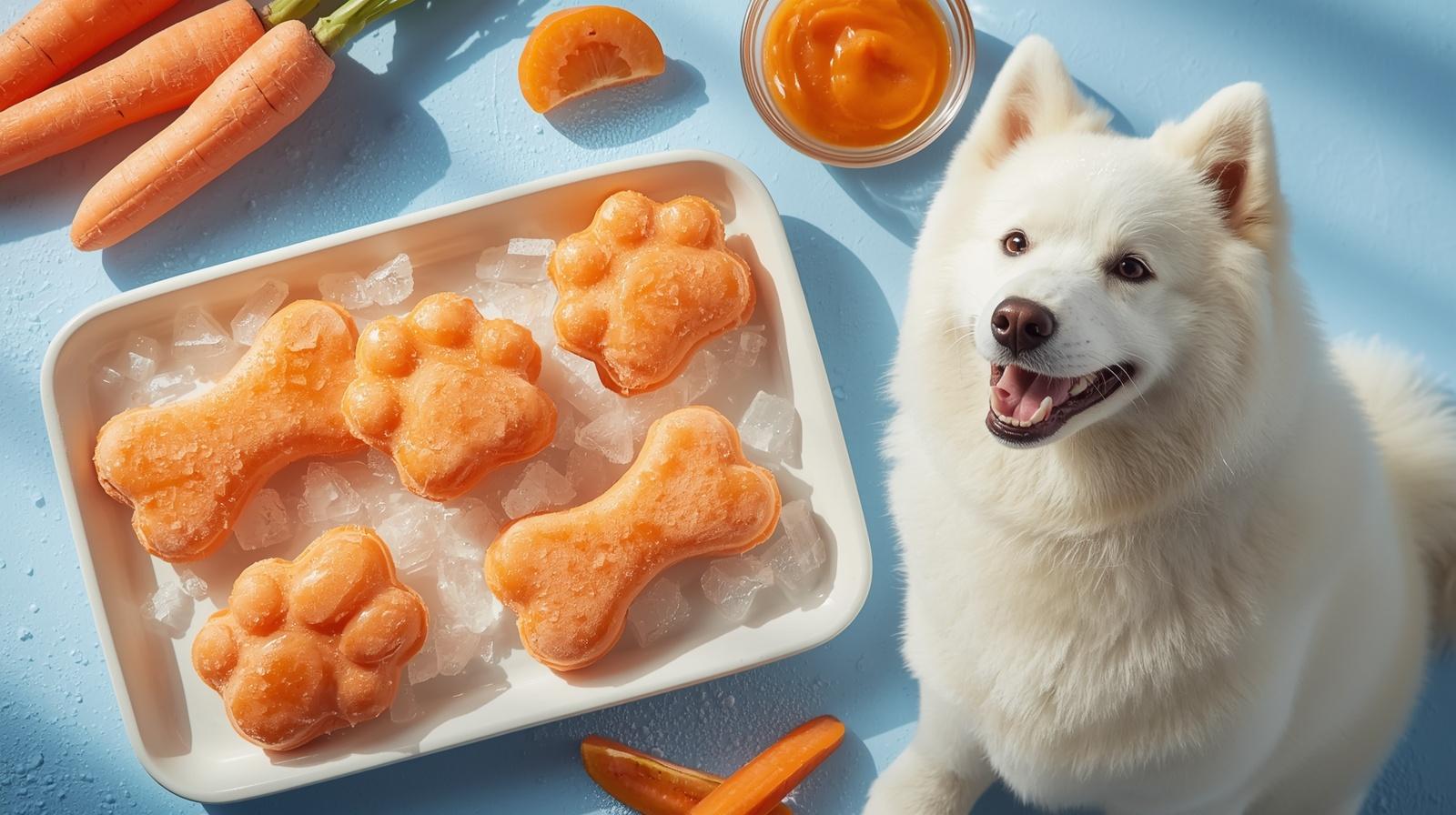
Looking for a tasty and healthy treat your dog will love? Homemade frozen carrot dog treats are the perfect solution. They’re easy to make, packed with nutrients, and great for keeping your furry friend cool on warm days. Plus, you’ll know exactly what’s going into every bite, which means no hidden additives or preservatives. Keep reading to discover a simple recipe that will make your dog’s tail wag with joy—and keep them coming back for more! Credit: fortheloveofcooking.net Ingredients For Carrot Dog Treats Homemade frozen carrot dog treats need simple, healthy ingredients. Each item helps keep your dog happy and cool. Using natural foods makes treats safe and tasty. Carrots are the star ingredient. They add crunch and vitamins dogs enjoy. Other ingredients help bind and flavor the treats. Choose items that are good for dogs. Avoid anything harmful or hard to digest. These treats are great for warm days and training time. Carrots Carrots are fresh and full of vitamins. They help with your dog’s teeth and digestion. Use raw or cooked carrots, chopped small or pureed. Plain Greek Yogurt Greek yogurt adds creaminess and protein. Pick unsweetened and unflavored yogurt. It helps bind the ingredients and cools your dog down. Peanut Butter Peanut butter adds flavor dogs love. Choose natural peanut butter with no salt or sugar. It also provides healthy fats and protein. Honey Honey gives a touch of natural sweetness. It is safe in small amounts. Use it to make treats a bit tastier and more appealing. Water Water helps mix all ingredients evenly. It makes the mixture easier to freeze. Use fresh, clean water for the best results. Credit: pawsomerecipes.com Preparing The Carrots Carrots are the main ingredient in frozen dog treats. Preparing them well keeps the treats tasty and safe. Clean carrots remove dirt and germs. Cutting carrots into small pieces helps them freeze better. Freshness matters. Choose firm, bright carrots without spots. This makes the treats crunchy and healthy for your dog. Washing The Carrots Start by rinsing carrots under cold water. Use a vegetable brush to scrub off dirt. Clean carrots keep bacteria away. Avoid soap or chemicals. A good rinse is enough. Peeling The Carrots Peeling removes the outer skin. It makes the carrots softer and easier to eat. Use a vegetable peeler or a small knife. Peel thinly to keep most nutrients. Cutting Into Dog-friendly Sizes Cut carrots into bite-sized pieces. Small chunks freeze faster and fit better in your dog’s mouth. Use a sharp knife or kitchen scissors. Make sure pieces are safe to chew. Mixing The Treat Base Mixing the treat base is an important step in making homemade frozen carrot dog treats. This step brings all the ingredients together. It creates a smooth mixture that freezes well and tastes great for your dog. Using the right tools and methods makes mixing easier. A good mix ensures the treats hold their shape and have a nice texture. Let’s explore how to mix the base properly. Gathering Fresh Ingredients Start with fresh carrots. Peel and chop them into small pieces. Fresh carrots give natural sweetness and nutrients. Use plain yogurt or unsweetened applesauce to add moisture. These ingredients help bind the mixture. Avoid using anything with added sugar or salt. Choosing The Right Mixing Bowl Pick a large bowl to mix ingredients comfortably. A deep bowl stops splashes and mess. Use a bowl made of glass or stainless steel. These materials are easy to clean and safe for food. Blending Ingredients Smoothly Use a blender or food processor for smooth mixing. Start by blending carrots until finely chopped. Add yogurt or applesauce slowly while blending. Mix until the texture is creamy and even. Avoid lumps for easy freezing and better taste. Adjusting Consistency For Freezing The mixture should be thick but not too stiff. Add a little water or more yogurt to thin it. If too runny, add a bit of oat flour or ground oats. This helps the treats keep their shape after freezing. Shaping And Portioning Treats Shaping and portioning treats is a key step in making homemade frozen carrot dog treats. It helps keep the treats uniform and easy to store. Proper shaping also makes treats more appealing for your dog. Portioning ensures each treat is the right size for your pet’s needs. This step saves time and reduces waste. Using simple tools can make shaping and portioning easier. Small cookie cutters, ice cube trays, or silicone molds work well. They help create neat shapes and consistent sizes. This way, every treat is ready to freeze and serve. Choosing The Right Shape Pick shapes that are easy to eat. Small, flat shapes work best. They freeze quickly and thaw fast. Avoid thick or large shapes that take too long to freeze. Simple shapes like circles or squares are ideal. They are easy to portion and handle. Measuring Portions For Your Dog Portion size depends on your dog’s weight and diet. Small dogs need smaller treats. Large dogs can have bigger portions. Use a kitchen scale or measuring spoons. This helps keep portions consistent. Consistent portions support healthy feeding habits. Using Molds And Trays Silicone molds and ice cube trays help shape treats quickly. They hold the mixture in place while freezing. Choose molds that are easy to clean. Non-stick molds release treats without breaking them. Trays with small compartments keep portions uniform. Freezing Techniques Freezing homemade carrot dog treats keeps them fresh and tasty for longer. Proper freezing stops the treats from sticking together. It also preserves the nutrients and crunch dogs love. Here are some simple freezing techniques to try at home. Use A Single Layer Freeze Place the carrot treats in one layer on a baking sheet. Make sure they do not touch each other. Freeze them for a few hours until hard. Then, transfer the treats to a freezer bag or container. This method keeps treats separate and easy to grab. Wrap Treats Properly Wrap each treat in plastic wrap or wax … Read more
Homemade Banana Oatmeal Dog Treats: Easy Healthy Recipe

Homemade Banana Oatmeal Dog Treats

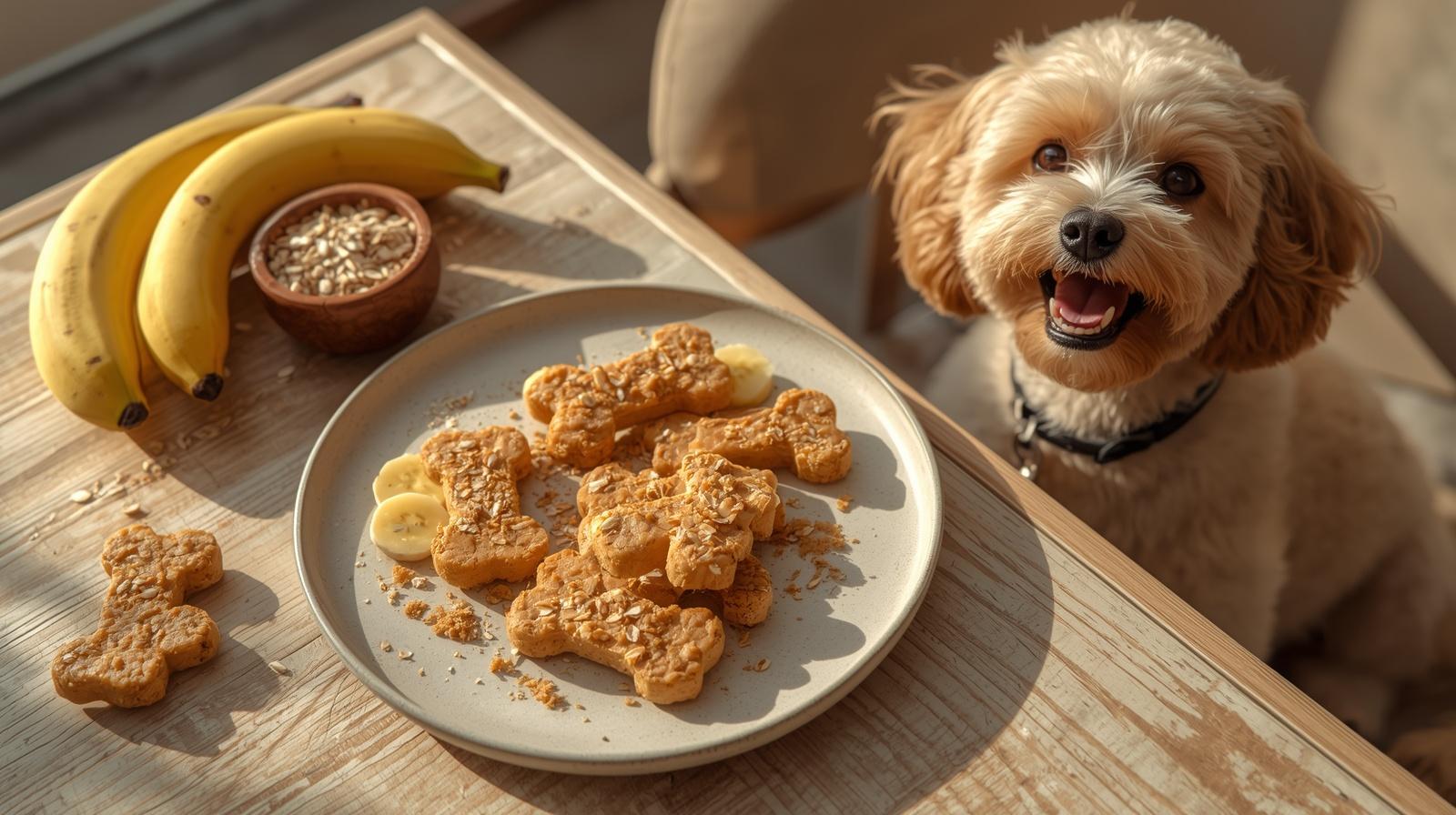
If you love giving your dog tasty and healthy treats, you’re going to want to try homemade banana oatmeal dog treats. These simple snacks are made with natural ingredients you probably already have in your kitchen. Not only are they delicious, but they’re also packed with nutrients that support your dog’s health. Imagine the joy on your furry friend’s face when you offer them a treat you made just for them. Keep reading, and you’ll discover an easy recipe that will make your dog’s tail wag every time! Benefits Of Banana Oat Treats Banana oat treats offer a healthy snack option for dogs. These treats combine natural ingredients that support your dog’s health. They are easy to make and full of nutrients dogs need. Giving your dog these treats can improve their digestion and energy. Many dog owners want safe, wholesome treats. Banana oat treats fit this need perfectly. They avoid harmful additives and focus on simple, good ingredients. This makes them a smart choice for daily rewards. Nutritional Value For Dogs Bananas provide potassium, which helps muscles and nerves. Oats add fiber, promoting good digestion. Both ingredients supply vitamins that boost immunity. These treats give energy without unhealthy sugars. They support a strong heart and healthy skin. Allergy-friendly Ingredients Many dogs have allergies to common treats. Banana oat treats use ingredients less likely to cause reactions. They avoid wheat, dairy, and artificial flavors. This makes them gentle on sensitive stomachs. A safe choice for dogs with food allergies. Credit: www.threeolivesbranch.com Essential Ingredients Making homemade banana oatmeal dog treats is simple and healthy. The right ingredients make all the difference. These treats need few items but each plays a key role. Choosing the best ingredients ensures your dog enjoys tasty, safe snacks. Fresh and natural components help keep your pet healthy. Below are the essential ingredients for these treats. Choosing Ripe Bananas Ripe bananas add natural sweetness and moisture. They are soft and easy to mash. Overripe bananas with brown spots work best. Avoid green or very hard bananas. They can be tough to blend and less tasty for dogs. Types Of Oats To Use Oats provide fiber and nutrients in the treats. Rolled oats are ideal for texture and nutrition. Quick oats work too but may change the treat’s feel. Avoid instant oats with added flavors or sugar. Plain, natural oats keep treats healthy and simple. Additional Healthy Additions Some extras improve flavor and nutrition. A spoon of natural peanut butter adds protein and taste. Plain pumpkin puree supports digestion and is gentle on stomachs. Ground flaxseed or chia seeds offer omega-3 fats. Avoid salt, sugar, or artificial ingredients. Step-by-step Recipe Making homemade banana oatmeal dog treats is simple and fun. This step-by-step guide helps you create healthy snacks for your dog. Follow each step carefully for best results. Fresh ingredients and basic tools are all you need. These treats are soft, tasty, and good for dogs with sensitive stomachs. Let’s begin the easy process. Preparing The Mixture Start by mashing two ripe bananas in a large bowl. Add one cup of rolled oats to the bananas. Mix well until the oats absorb the banana moisture. Add one tablespoon of peanut butter for extra flavor. Stir until all ingredients form a thick dough. Avoid adding sugar or salt as dogs do not need them. Shaping The Treats Lightly flour your work surface with oats to prevent sticking. Take small portions of dough and roll into balls. Flatten each ball gently to form small discs. Use cookie cutters for fun shapes if desired. Keep treats bite-sized for easy chewing and portion control. Baking Tips Preheat the oven to 350°F (175°C). Place treats on a baking sheet lined with parchment paper. Bake for 15 to 20 minutes until golden and firm. Let treats cool completely before serving. Store in an airtight container for up to one week. Avoid overbaking to keep treats soft and chewy. Credit: www.floraandvino.com Storage And Shelf Life Storing homemade banana oatmeal dog treats properly keeps them fresh and tasty. Proper storage stops the treats from going bad too fast. Knowing how long these treats last helps you avoid waste. It also ensures your dog gets healthy snacks every time. Best Storage Methods Use an airtight container to store the treats. This keeps air and moisture out. Store the container in a cool, dry place. Avoid direct sunlight or heat sources. For longer storage, place treats in the refrigerator. This helps keep them fresh and firm. You can also freeze treats for extended freshness. Use a freezer-safe bag or container. Thaw frozen treats before giving them to your dog. How Long Treats Last Fresh homemade banana oatmeal dog treats last about one week. Refrigerated treats can last up to two weeks. Frozen treats stay fresh for up to three months. Always check for signs of spoilage before feeding. Look for mold, strange smells, or soft spots. Throw away any treats that look or smell off. This keeps your dog safe and healthy. Safety Tips For Homemade Dog Treats Making homemade banana oatmeal dog treats is fun and healthy. Safety matters most to keep dogs happy and well. Using safe ingredients and proper serving sizes avoids health problems. Follow these tips to make treats safe and tasty for your dog. Avoiding Harmful Ingredients Some foods are unsafe for dogs. Avoid chocolate, raisins, grapes, and onions. Use simple ingredients like ripe bananas and oats. Skip sugar, salt, and artificial flavors. Always check if an ingredient is safe before adding it. Portion Control Too many treats can upset your dog’s stomach. Small treats are better for training and rewards. Limit treats to 10% of your dog’s daily calories. Watch your dog’s weight and health closely. Treats should support a balanced diet, not replace meals. Credit: www.threeolivesbranch.com Frequently Asked Questions What Ingredients Are Needed For Banana Oatmeal Dog Treats? You need ripe bananas, rolled oats, and optional peanut butter. These natural ingredients create a healthy, tasty treat for dogs. Avoid harmful … Read more

DIY Farmers Dog Food Recipes: Easy Fresh Meals at Home

DIY Farmers Dog Food Recipes

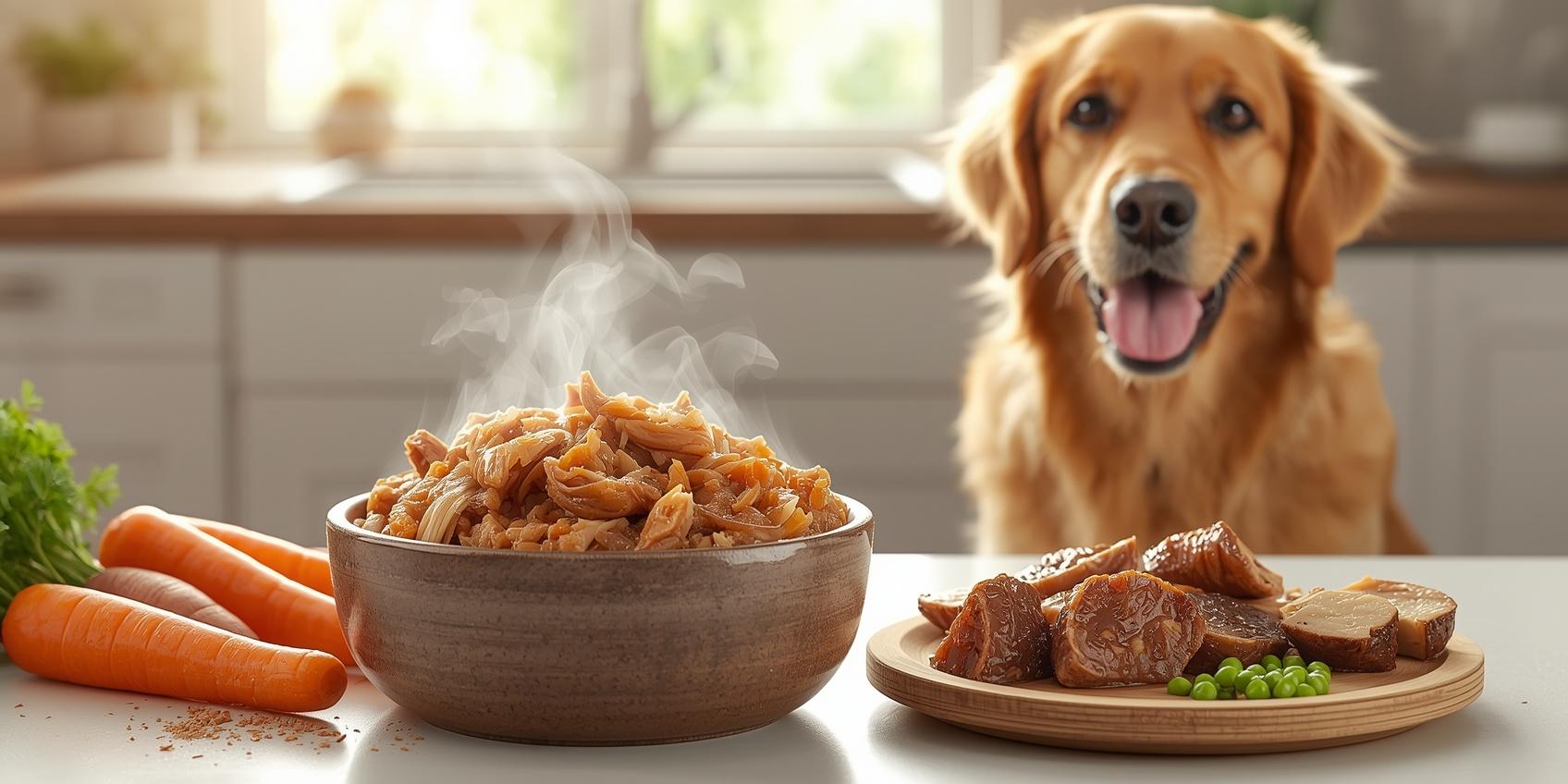
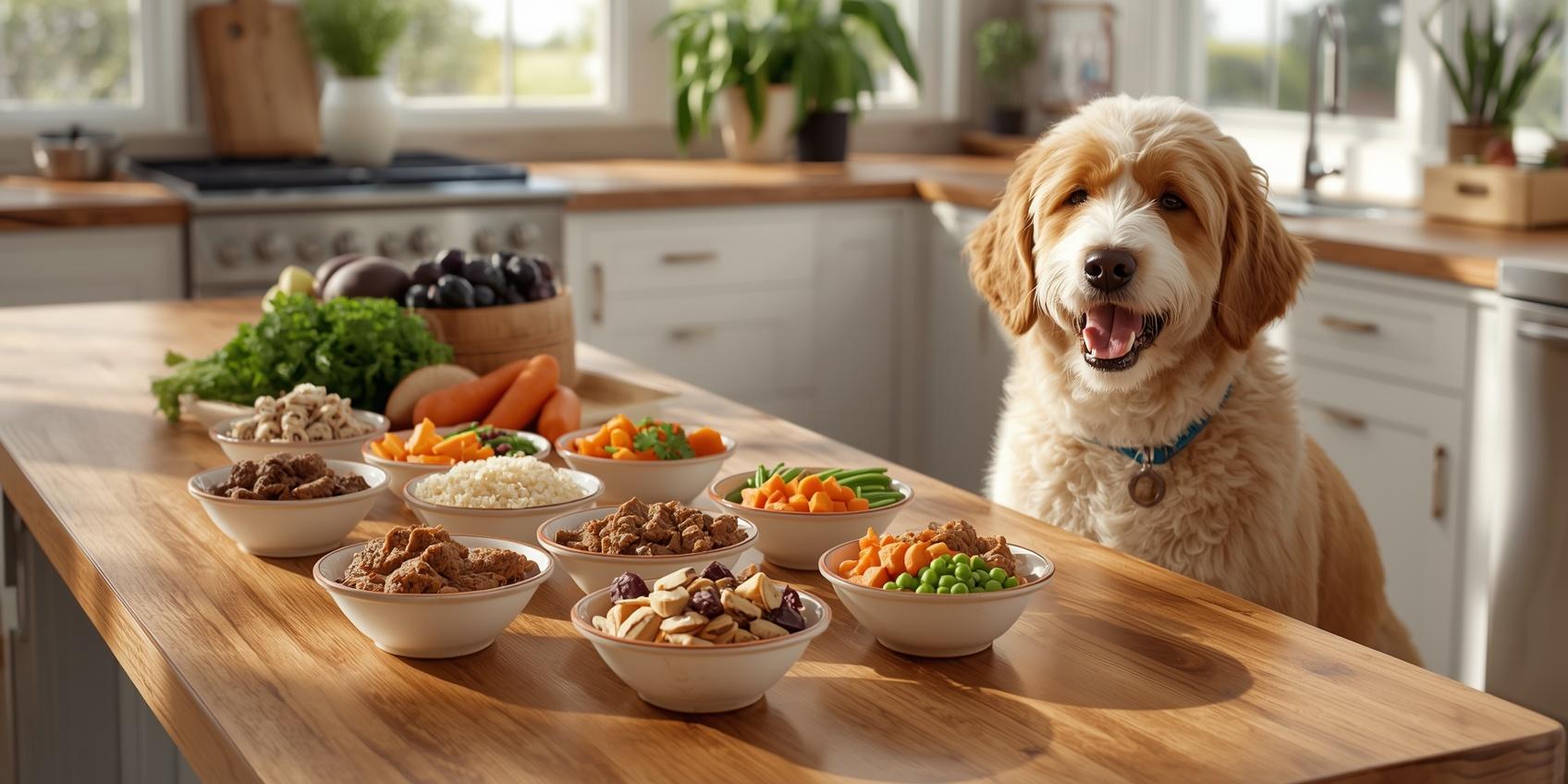
Are you looking for a way to give your dog healthier, tastier meals right at home? Making your own dog food can be easier than you think, and it lets you control exactly what goes into your furry friend’s bowl. With DIY farmers dog food recipes, you can use fresh, natural ingredients that provide the nutrients your dog needs to stay strong and happy. Keep reading, and you’ll discover simple recipes and tips that will make your dog’s mealtime something both of you will look forward to. Credit: www.youtube.com Benefits Of Homemade Dog Food Making food at home for your dog has many benefits. It helps you give your dog healthy meals made from fresh ingredients. You know exactly what goes into every dish. This way, you can avoid harmful additives and fillers found in some store-bought foods. Homemade dog food can also suit your dog’s specific needs. Whether your dog has allergies or special dietary needs, you can prepare meals that fit perfectly. It is a simple way to support your dog’s health and happiness. Nutritional Advantages Homemade dog food offers excellent nutrition. You can include fresh meats, vegetables, and grains. These ingredients provide essential vitamins and minerals your dog needs. The meals have fewer preservatives and fillers than commercial food. This leads to better digestion and energy. Cost Savings Preparing dog food at home saves money. Buying ingredients in bulk is cheaper than buying special pet food. You can plan meals to use leftovers and reduce waste. Homemade food often costs less per serving. This helps manage your budget without sacrificing quality. Control Over Ingredients Making food yourself means full control over ingredients. You avoid artificial colors, flavors, and harmful chemicals. You can choose organic or natural products. This is especially important if your dog has allergies or food sensitivities. Knowing what your dog eats brings peace of mind. Credit: stellanspice.com Essential Ingredients For Dog Meals Creating homemade dog food needs careful choice of ingredients. Each meal should give your dog the right fuel to stay healthy and happy. Balanced meals support strong muscles, good energy, and a shiny coat. Essential ingredients include proteins, carbohydrates, vitamins, and minerals. These parts work together to keep your dog active and well. Knowing what to use helps you prepare tasty and nutritious meals. Proteins To Include Proteins build and repair your dog’s body tissues. Good sources are chicken, turkey, beef, and fish. Eggs and cottage cheese also offer quality protein. Always cook meats well to avoid bacteria. Lean cuts help keep your dog fit and healthy. Healthy Carbohydrates Carbohydrates provide energy for daily activities. Brown rice, sweet potatoes, and oats are great choices. These carbs digest slowly and keep dogs full longer. Avoid white rice and bread, which add little nutrition. Vegetables like peas and carrots also add fiber and vitamins. Vitamins And Minerals Vitamins and minerals support your dog’s immune system and bones. Add leafy greens like spinach or kale for vitamins A and C. Fish oil or flaxseed oil gives healthy omega fats. Calcium from crushed eggshells or yogurt helps strong teeth and bones. Balance is key for a healthy diet. Popular Diy Dog Food Recipes Many pet owners choose to prepare homemade meals for their dogs. DIY dog food recipes offer control over ingredients and nutrition. These recipes often use fresh, simple foods that dogs love. Below are some popular recipes that balance taste and health. Chicken And Rice Mix This recipe uses lean chicken and plain rice. Chicken provides protein for muscle growth. Rice is easy to digest and gives energy. Add carrots or peas for vitamins and fiber. Cook chicken thoroughly and mix all ingredients well. Serve in small portions, adjusting for your dog’s size. Beef And Vegetable Stew Beef is rich in iron and protein. Combine beef with potatoes, carrots, and green beans. These vegetables add essential vitamins and minerals. Boil the beef until tender and chop vegetables finely. Simmer together for a soft, tasty meal. Let it cool before feeding your dog. Turkey And Sweet Potato Blend Turkey is a lean meat, great for sensitive stomachs. Sweet potatoes provide fiber and vitamins A and C. Cook turkey fully and mash the sweet potatoes. Mix them with a little green bean or pumpkin puree. This blend is gentle and nutritious for dogs of all ages. Meal Preparation Tips Preparing homemade dog food requires care and attention. Following meal preparation tips helps keep your dog’s meals safe and healthy. Proper planning makes cooking easier and ensures balanced nutrition. Portion Sizes For Different Breeds Dogs need different portion sizes based on their breed and weight. Small breeds need less food than large breeds. Adjust portions according to activity level and age. Overfeeding can cause weight gain and health issues. Use a kitchen scale or measuring cup for accuracy. Divide daily food into two or three meals. Cooking Methods To Preserve Nutrients Choose cooking methods that keep nutrients intact. Steaming and boiling help retain vitamins and minerals. Avoid frying or overcooking food. Light cooking breaks down tough fibers, making food easier to digest. Use fresh ingredients to boost nutrient content. Cool food quickly to prevent bacteria growth. Storage And Shelf Life Store homemade dog food safely to avoid spoilage. Use airtight containers for storage. Refrigerate meals for up to three days. Freeze larger batches for up to two weeks. Label containers with dates for easy tracking. Thaw frozen food in the refrigerator before serving. Safety Precautions Making your own dog food can be healthy and rewarding. Safety matters most to keep your dog well. Careful steps protect your dog from harm and illness. Always follow safety tips when preparing meals. Avoiding Harmful Ingredients Some foods are unsafe for dogs. Chocolate, onions, garlic, and grapes cause sickness. Avoid artificial sweeteners like xylitol. Keep bones small and cooked to prevent choking. Use fresh, clean ingredients only. Allergy Awareness Dogs can have food allergies. Watch for itching, swelling, or upset stomach. Introduce new foods slowly to spot reactions. Keep a … Read more

Best Homemade Wet Dog Food Recipe: Easy Nutritious Meals

Best Homemade Wet Dog Food Recipe

If you want to give your dog a meal that’s healthy, tasty, and made with love, you’re in the right place. Choosing the best homemade wet dog food recipe means you control every ingredient, ensuring your furry friend gets the nutrition they deserve. Imagine your dog eagerly eating every bite, tail wagging happily, knowing you made it just for them. Keep reading, and you’ll discover a simple, delicious recipe that will make mealtime the highlight of your dog’s day. Ingredients Needed Choosing the right ingredients is key for a healthy homemade wet dog food recipe. Each ingredient plays an important role in your dog’s nutrition. Using fresh and natural items helps keep your dog strong and happy. This section lists the main ingredients needed for a balanced meal. Protein Sources Protein is vital for muscle growth and energy. Use lean meats like chicken, turkey, or beef. Fish like salmon or whitefish adds good fats and protein. Eggs provide essential amino acids. Avoid processed meats or those with added salt. Vegetables And Fruits Vegetables add fiber and vitamins. Carrots, peas, and green beans are great choices. Sweet potatoes offer good carbohydrates and fiber. Fruits like apples or blueberries provide antioxidants. Avoid grapes, raisins, onions, and garlic as they are harmful. Grains And Carbs Grains give energy and help digestion. Brown rice, oats, or quinoa work well. These grains are easy to digest and nutritious. Avoid wheat or corn if your dog has allergies. Keep grain portions moderate for balanced meals. Supplements And Additives Supplements help complete nutrition. Add fish oil for omega-3 fatty acids. Calcium powder supports bone health. Probiotics aid digestion. Use only vet-approved supplements. Avoid artificial preservatives or flavorings. Credit: hutchpaving.com Preparation Steps Making homemade wet dog food is simple and rewarding. Preparing it carefully ensures your dog enjoys a tasty, healthy meal. Follow these clear steps for the best results. Cooking Proteins Choose lean meats like chicken, beef, or turkey. Cut the meat into small pieces for easy cooking. Cook the meat thoroughly to kill bacteria. Boil, bake, or lightly pan-fry without oil or seasoning. Let the meat cool before mixing. Preparing Vegetables Select dog-safe vegetables like carrots, peas, or green beans. Wash them well to remove dirt and chemicals. Chop vegetables into small, bite-sized pieces. Steam or boil the vegetables until soft. Avoid adding salt, spices, or butter. Mixing Ingredients Combine the cooked meat and vegetables in a large bowl. Add a small amount of cooked rice or oats for fiber. Mix everything gently until evenly blended. Make sure the food is cool before serving. Check the texture; it should be soft and moist. Storing The Food Place the homemade dog food in airtight containers. Store in the refrigerator for up to three days. For longer storage, freeze in small portions. Thaw frozen food in the fridge before feeding. Always check the smell and look before giving it to your dog. Nutritional Benefits Homemade wet dog food offers many nutritional benefits for your pet. It gives control over ingredients and quality. Fresh, natural foods support your dog’s health better than many store-bought options. Feeding homemade meals can improve digestion and energy levels. Dogs enjoy the taste and texture too. Let’s explore the key nutritional benefits in detail. Balanced Diet For Dogs A balanced diet includes proteins, fats, and carbohydrates. Homemade recipes allow precise portioning of each nutrient. This balance supports muscle growth and energy. Fresh vegetables provide fiber for good digestion. No unnecessary fillers or artificial additives. Your dog gets a well-rounded meal every time. Essential Nutrients Essential nutrients include vitamins, minerals, and amino acids. Homemade dog food can include fresh meats rich in protein. Vegetables add important vitamins like A, C, and K. Healthy fats come from oils or fish, helping skin and coat health. You control salt and sugar levels to keep meals safe. Health Improvements Many dogs show better health with homemade meals. Improved digestion and less allergy symptoms are common. Shiny coats and stronger muscles appear after weeks. Homemade food supports immune system function too. It can help maintain healthy weight and energy. Overall, your dog feels happier and more active. Safety Tips Making wet dog food at home can be healthy and tasty for your dog. Safety matters most. Follow these tips to keep your dog safe and well-fed. Good habits prevent illness and allergic reactions. Read on for key safety points. Avoiding Harmful Ingredients Some foods are dangerous for dogs. Avoid chocolate, onions, garlic, grapes, and raisins. These can cause sickness or worse. Use only dog-safe ingredients. Check every new ingredient before adding it. Always choose fresh, clean foods without chemicals. Proper Food Handling Wash your hands and utensils before cooking. Keep raw meat separate from other foods. Cook meat thoroughly to kill germs. Store homemade food in the fridge for no more than three days. Freeze leftovers to keep them fresh longer. Use clean containers to avoid contamination. Allergy Considerations Watch for signs of allergies like itching or upset stomach. Introduce new ingredients slowly and one at a time. If your dog shows any reaction, stop feeding that ingredient. Consult your vet to identify and avoid allergens. Keep a food diary to track what your dog eats. Customizing Recipes Customizing homemade wet dog food recipes allows you to meet your dog’s unique needs. Each dog differs in size, taste, and health requirements. Tailoring recipes keeps your dog happy and healthy. It also makes mealtime more exciting and nutritious. Adjusting For Dog Size Small dogs need less food than large dogs. Adjust portions based on your dog’s weight and activity level. Use smaller pieces for tiny dogs to help easy chewing. Large dogs may need more protein and calories for energy. Measure ingredients carefully to avoid overfeeding or underfeeding. Flavor Variations Try different proteins like chicken, beef, or fish to add variety. Mix in vegetables such as carrots, peas, or sweet potatoes for extra nutrients. Change herbs like parsley or basil for a fresh taste. Watch for any allergies or … Read more

Homemade Blueberry Dog Treats: Easy Healthy Recipe Dogs Love

Homemade Blueberry Dog Treats

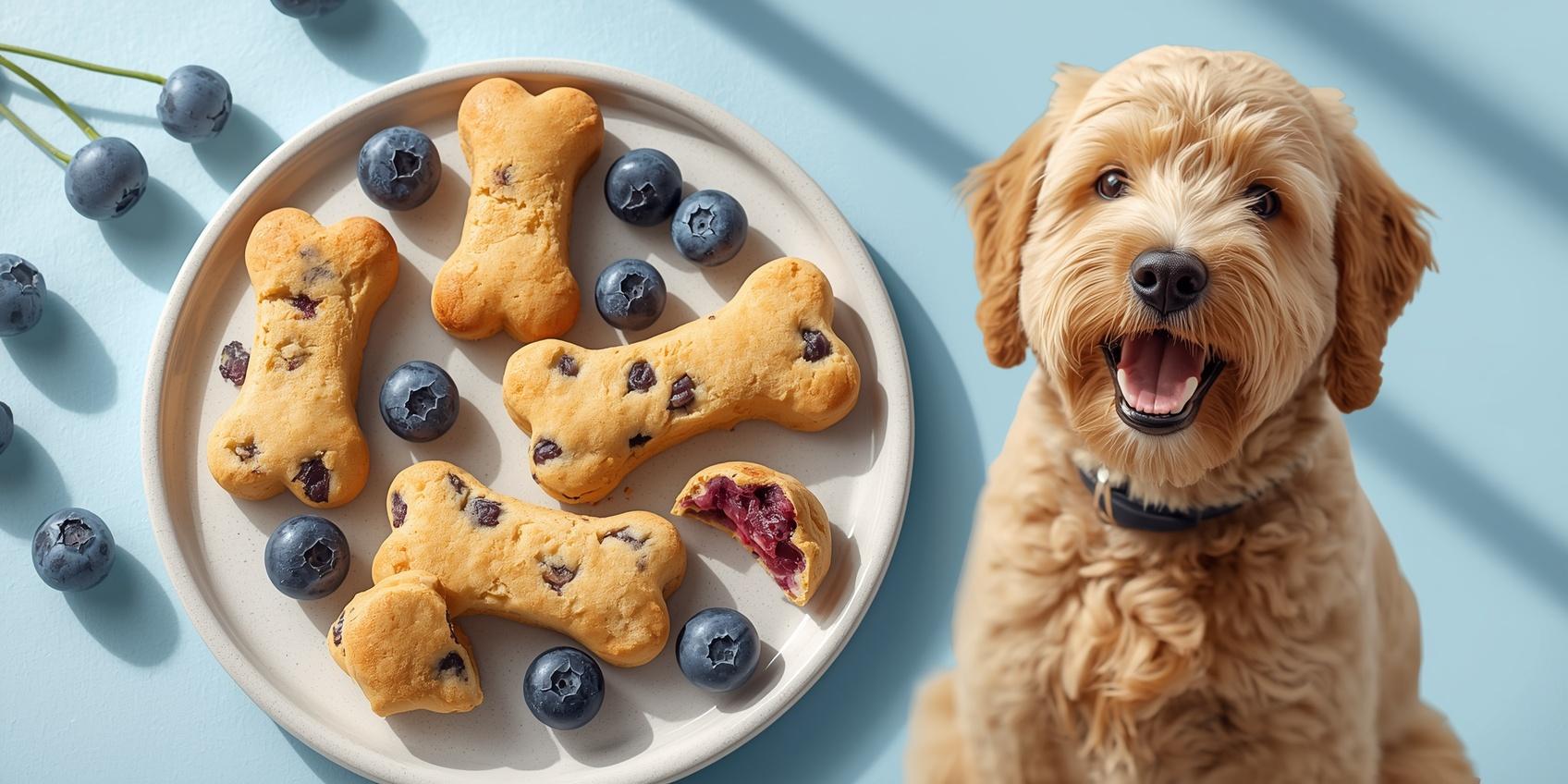
If you want to spoil your furry friend with something healthy and delicious, homemade blueberry dog treats are the perfect choice. These treats are not only tasty but packed with nutrients that support your dog’s health. Imagine giving your pup a snack that’s free from preservatives and full of natural goodness—wouldn’t that make you feel great? Keep reading, and you’ll discover how easy it is to make these treats at home, plus tips to keep your dog tail-wagging happy every time. Benefits Of Blueberries For Dogs Blueberries are a tasty and healthy treat for dogs. These small fruits offer many benefits that help keep dogs happy and strong. Feeding homemade blueberry dog treats can be a smart way to support your pet’s health naturally. Nutritional Value Blueberries contain important vitamins like vitamin C and vitamin K. They also have fiber, which supports digestion. These nutrients help maintain healthy skin and a strong immune system. Low in calories, blueberries make a great snack for dogs of all sizes. Antioxidant Properties Blueberries are rich in antioxidants. These compounds protect cells from damage caused by harmful molecules. Antioxidants support brain health and may slow aging effects. Feeding blueberries helps your dog stay active and alert longer. Improved Digestion Fiber in blueberries aids digestion by promoting healthy bowel movements. It helps prevent constipation and keeps the gut clean. A healthy digestive system means your dog absorbs nutrients better. This supports overall wellness and energy levels. Credit: southern-bytes.com Ingredients For Homemade Treats Making homemade blueberry dog treats starts with the right ingredients. Each component matters for your dog’s health and taste. Using safe and fresh items ensures tasty and healthy snacks. Simple ingredients create delicious treats your dog will love. Fresh Vs Frozen Blueberries Fresh blueberries have a sweet, natural flavor. They add moisture and nutrients to treats. Frozen blueberries keep their nutrients well too. Thaw them before use to avoid extra moisture. Both options are safe and healthy for dogs. Dog-safe Baking Ingredients Use whole wheat or oat flour for a healthy base. Avoid wheat if your dog has allergies. Natural peanut butter adds flavor without harmful sugars or salts. Plain yogurt or applesauce works as a binder. Do not use chocolate, xylitol, or artificial sweeteners. Optional Add-ins Add ground flaxseed for omega-3 fatty acids. Small amounts of grated carrot or pumpkin boost vitamins. A pinch of cinnamon can improve flavor and digestion. Keep add-ins simple and dog-friendly to avoid upset stomachs. Step-by-step Recipe Making blueberry dog treats at home is simple and fun. This step-by-step recipe guides you through each part of the process. Your dog will love these healthy, tasty snacks. Let’s start with the basics. Preparing The Blueberries Use fresh or frozen blueberries for this recipe. Rinse them well under cold water. Drain the berries to remove excess water. If frozen, let them thaw completely before use. This helps keep the dough from getting too wet. Mixing The Dough In a large bowl, combine flour, oats, and baking powder. Add mashed bananas or pumpkin for moisture. Stir in the blueberries gently to avoid crushing. Mix until the ingredients form a firm dough. Add a little water if the dough feels dry. Shaping The Treats Lightly flour your work surface and rolling pin. Roll the dough to about 1/4 inch thick. Use cookie cutters or a knife to cut shapes. Place the shapes on a baking sheet lined with parchment paper. Leave space between each treat for even baking. Baking Instructions Preheat your oven to 350°F (175°C). Bake the treats for 20 to 25 minutes. Check them often to avoid over-browning. Let the treats cool completely before serving. Store them in an airtight container for freshness. Credit: www.pookspantry.com Storage And Shelf Life Storing homemade blueberry dog treats properly keeps them fresh and tasty. Good storage also helps maintain their nutrients and texture. Knowing how to store treats extends their shelf life and prevents waste. These treats usually last a few days at room temperature. Warmer weather can shorten this time. Proper storage methods help keep the treats safe for your dog. Refrigeration Tips Store the treats in an airtight container or a resealable bag. Place them in the refrigerator to keep them fresh longer. Refrigerated treats can last up to two weeks. Avoid moisture to prevent mold growth. Let treats cool completely before refrigerating. Freezing Options Freezing is great for long-term storage. Use a freezer-safe container or bag to protect treats from freezer burn. Frozen treats stay good for up to three months. Thaw treats in the fridge before giving them to your dog. Avoid refreezing thawed treats to keep quality. Serving Suggestions Serving homemade blueberry dog treats is fun and rewarding. These treats are healthy and tasty for your dog. Knowing the right portion size keeps your dog safe and happy. Choosing the right moments to give treats helps build good habits. Portion Sizes Small dogs need fewer treats than big dogs. One or two small treats per day is enough for most dogs. For puppies, give even smaller pieces to avoid choking. Watch your dog’s weight and adjust treats if needed. Treats should not replace regular meals. Occasions For Treats Use blueberry treats for training sessions to encourage good behavior. Reward your dog after exercise or a walk. Give treats during playtime to keep your dog excited. Special days like birthdays or holidays are perfect for treats. Treats also help calm your dog during stressful times. Credit: twolittlecavaliers.com Safety Tips And Precautions Making homemade blueberry dog treats is fun and healthy. Safety is very important. Dogs have different needs than humans. Some ingredients can hurt them. Always check before feeding your dog new treats. Careful preparation keeps your pet safe and happy. Allergy Awareness Dogs can have allergies to food. Watch for signs like itching or swelling. Start with a small amount of treat. Wait a day or two to see any reaction. Stop feeding if your dog shows any problem. Consult a vet for allergies or bad reactions. … Read more

Things Cavaliers Love: Ultimate Guide to Make Your Pup Happy

Things Cavaliers Love

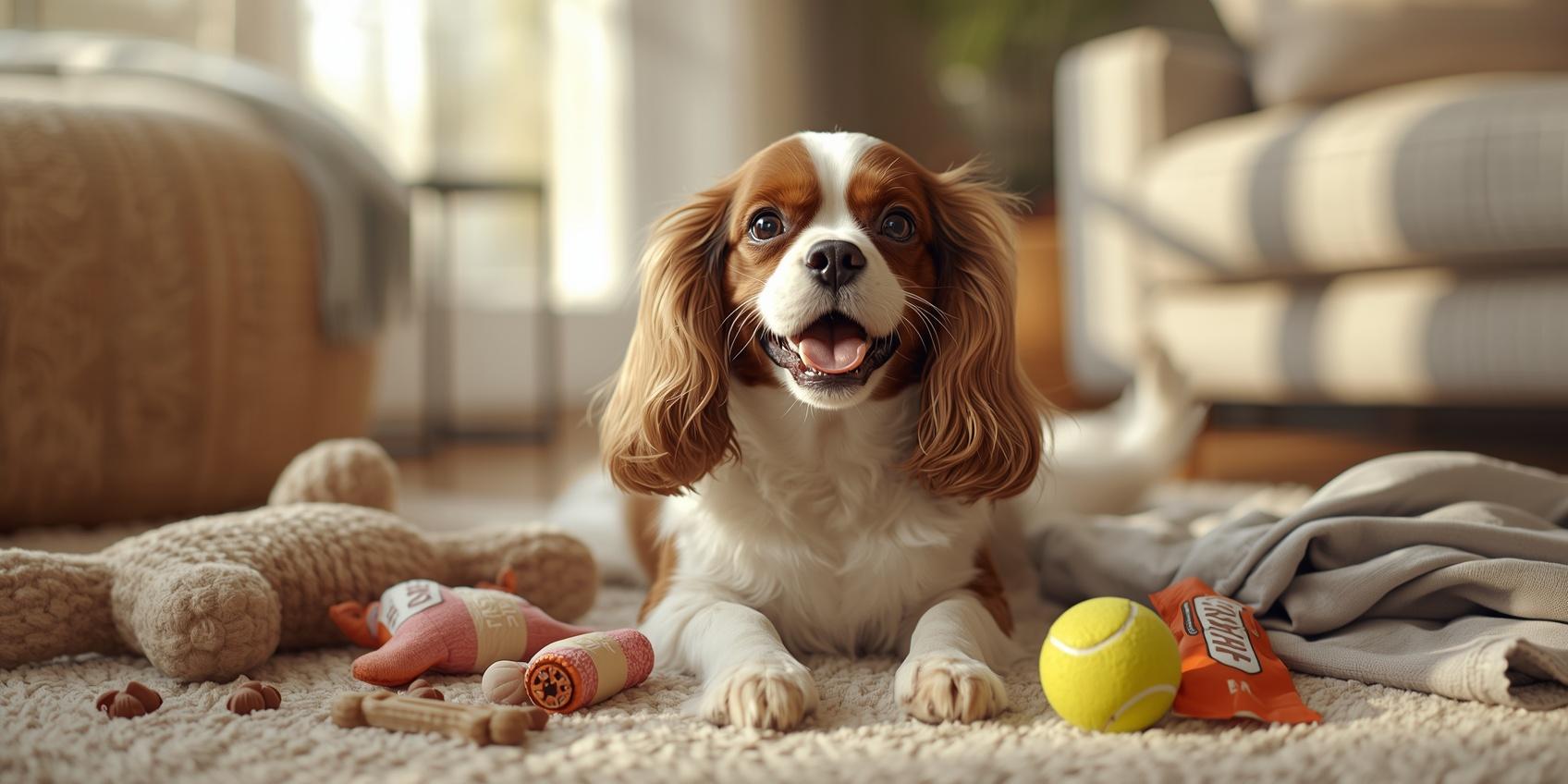
If you have a Cavalier King Charles Spaniel, you know these dogs have a way of stealing your heart. But what really makes them happy? Understanding what kind of things Cavaliers love, also can help you build a stronger bond with your furry friend. From favorite toys to special treats, your Cavalier’s joy comes from simple things that you can easily provide. Keep reading to discover the little secrets that will make your dog’s tail wag faster and your days brighter. Credit: www.reddit.com Favorite Toys Things Cavaliers love – toys that keep them busy and happy. Toys help them stay active and calm. They enjoy toys that suit their playful and gentle nature. Chew Toys Chew toys satisfy Cavaliers’ need to bite and chew. These toys keep their teeth strong and clean. They like chew toys made of rubber or nylon. Chew toys prevent boredom and stop chewing on furniture. Durable chew toys last longer and hold their interest. Interactive Toys Interactive toys challenge Cavaliers’ minds and bodies. Puzzle toys hide treats to find and solve. These toys keep their brains sharp and focused. Fetch toys encourage running and jumping. Playing with interactive toys builds a strong bond. Soft Plushies Soft plushies offer comfort and fun for Cavaliers. They enjoy carrying and cuddling soft toys. Plush toys with squeakers make playtime exciting. These toys help reduce anxiety and loneliness. Soft plushies are perfect for gentle play and naps. Preferred Activities Cavaliers enjoy activities that match their gentle and playful nature. They love spending time with their owners and staying active. These preferred activities help keep them happy and healthy. Short Walks Cavaliers enjoy short walks outside. A quick stroll in the park brightens their day. They like to explore smells and sights without getting too tired. These walks provide good exercise and mental stimulation. Playing Fetch Playing fetch is a favorite game for Cavaliers. They love chasing after balls or toys. This activity keeps them active and sharp. It also strengthens the bond between dog and owner. Cuddle Time Cavaliers are known for loving cuddle time. They enjoy sitting close and feeling safe. Soft pets and warm laps make them happy. This quiet time helps them relax and feel loved. Favorite Foods Cavaliers have a special love for food. Their favorite treats can brighten their day. Knowing what they enjoy helps keep them happy and healthy. They enjoy a mix of healthy snacks, human foods, and special diets. Each type suits different needs and tastes. Understanding these categories makes feeding your Cavalier easier. Healthy Treats Cavaliers enjoy crunchy vegetables like carrots and green beans. These low-calorie snacks are good for their teeth. Small pieces of apple or blueberries also make tasty treats. Avoid giving too many to prevent stomach upset. Natural dog biscuits with simple ingredients work well too. Human Snacks Some Cavaliers like plain cooked chicken or turkey. These meats are a great protein source. Small amounts of cheese or yogurt can be a nice treat. Avoid anything salty, spicy, or sugary. Always remove bones and skin before feeding. Fresh fruits like banana slices are safe in moderation. Special Diets Some Cavaliers need special food for allergies or health issues. Grain-free or hypoallergenic dog food suits sensitive stomachs. Veterinary diets help with weight control or joint health. Always follow your vet’s advice on diet changes. Consistency in feeding helps maintain their health. Comfort Spots Cavaliers adore finding special places where they feel safe and calm. These comfort spots help them relax and enjoy quiet moments. Their favorite spots show how much they love warmth and closeness. Understanding these spots helps owners give Cavaliers a happy home. Cozy Beds Soft beds are a top choice for Cavaliers. They love beds with plush cushions that support their small bodies. A cozy bed gives them a sense of security and rest. Many Cavaliers enjoy curling up in beds that feel like a gentle hug. Sunny Windowsills Warm sunlight is a big comfort for Cavaliers. They often sit on windowsills to soak up the sun’s rays. The warmth helps them feel calm and happy. Watching outside from this spot also keeps them entertained and curious. Lap Sitting Cavaliers love sitting on their owner’s lap. This spot is perfect for feeling close and loved. Lap sitting creates a strong bond between dog and owner. It also makes Cavaliers feel safe and content during quiet times. Social Preferences Cavaliers have special social preferences that shape their daily lives. They enjoy being close to others and thrive on gentle, calm interactions. Their social needs are simple but important for their happiness. Understanding these needs helps you care for your Cavalier better. Family Interaction Cavaliers love spending time with their family members. They enjoy sitting near you and joining family activities. These dogs feel safe and happy when surrounded by loved ones. Regular attention and gentle petting make them feel cherished. They often follow family members from room to room. Meeting Other Dogs Cavaliers usually like meeting other dogs. They are friendly and enjoy calm playtime with new dog friends. They prefer gentle dogs who do not act too rough. Slow introductions help them feel comfortable and safe. Socializing helps Cavaliers stay happy and confident. Quiet Time Cavaliers need quiet time to relax and rest. They enjoy peaceful spots where they can nap undisturbed. Quiet moments help them recharge after play or walks. A calm environment reduces their stress and keeps them calm. Quiet time is essential for their well-being. Grooming Likes Cavaliers enjoy grooming time more than many dogs. It helps them feel calm and loved. Regular grooming keeps their coat shiny and healthy. It also stops tangles and skin problems. They like gentle care. This makes grooming a bonding moment. Small tasks like brushing, bathing, and ear cleaning are favorites. Each helps keep your Cavalier happy and clean. Brushing Sessions Cavaliers love brushing because it feels good on their skin. Use a soft brush to avoid pulling hair. Brushing removes loose fur and stops … Read more

Homemade Soft Dog Food Recipe: Easy Nutritious Meals for Pups

Homemade Soft Dog Food Recipe

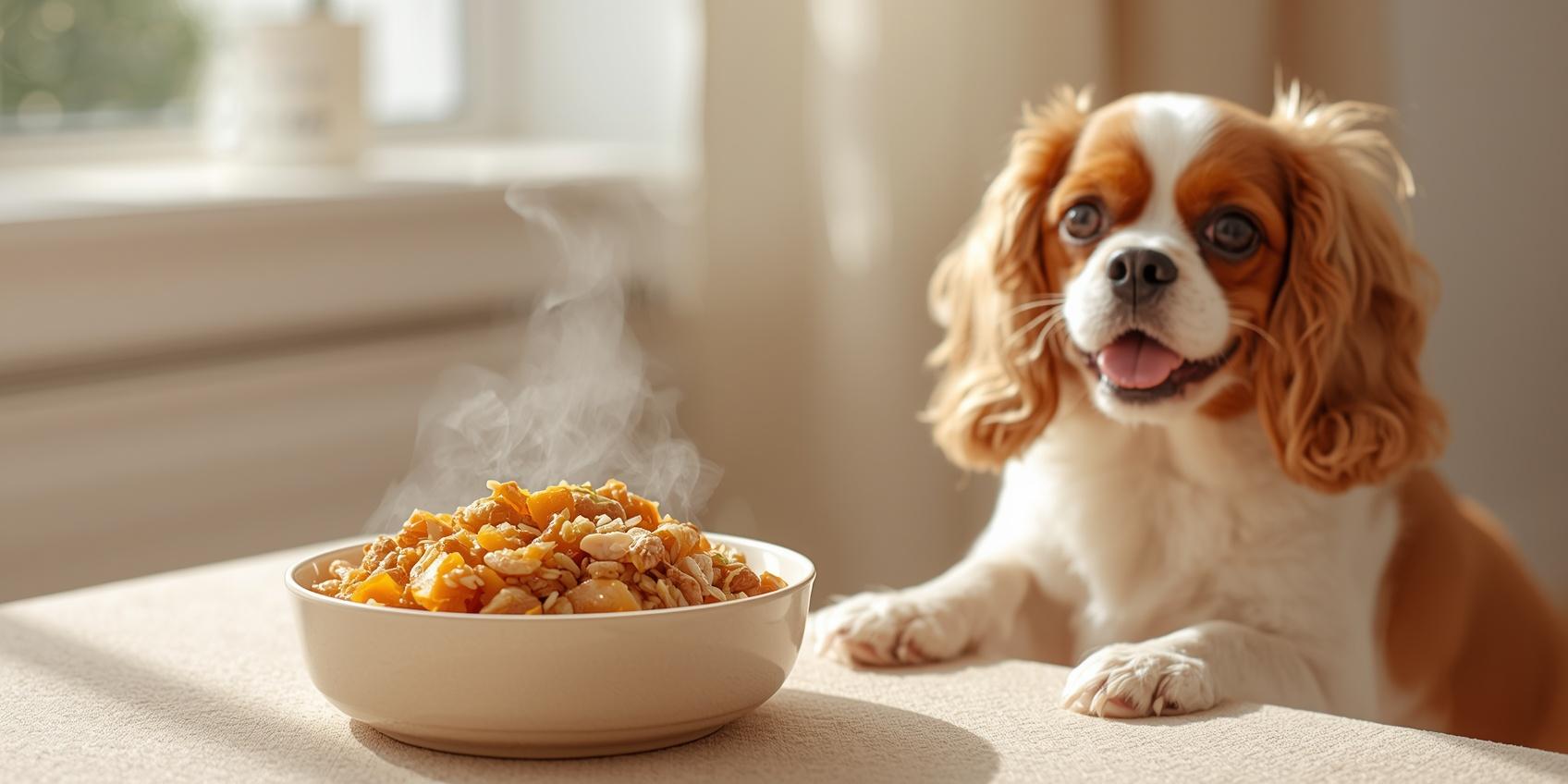
If you want to give your dog a meal that’s both healthy and delicious, making homemade soft dog food recipe is a great choice. You know your furry friend deserves the best, and preparing food at home lets you control exactly what goes into their bowl. Soft dog food is easy for dogs to eat and digest, especially for puppies, seniors, or dogs with dental issues. You’ll find a simple recipe that uses everyday ingredients to keep your dog happy and well-nourished. Keep reading, and you’ll discover how easy it is to make a tasty meal your dog will love! Benefits Of Soft Dog Food Soft dog food offers many benefits for your pet’s health and happiness. It is easy to eat and digest. Many dogs find it tastier than dry kibble. Soft food can improve hydration since it contains more moisture. This helps dogs stay healthy and active. Homemade soft dog food lets you control ingredients. You can avoid harmful additives and fillers. This helps dogs with allergies or sensitive stomachs. Fresh ingredients provide better nutrition. Your dog gets vitamins and minerals from real food. Improved Digestion And Nutrient Absorption Soft food breaks down easily in the stomach. This reduces digestive stress. Nutrients absorb faster and better. Dogs with weak digestion benefit the most. It can prevent constipation and stomach discomfort. Better Hydration For Healthier Skin And Coat Soft dog food contains more water than dry food. This keeps dogs hydrated throughout the day. Proper hydration supports healthy skin and shiny fur. It lowers risks of urinary tract problems too. Ideal For Older Dogs And Puppies Soft food is gentle on teeth and gums. Older dogs with dental issues can eat comfortably. Puppies find it easier to chew and swallow. This supports their growth and development. Encourages Picky Eaters To Enjoy Meals Soft food often smells stronger and tastes better. This attracts picky dogs to eat more. It helps maintain a healthy weight and energy level. Feeding time becomes less stressful for owners and pets. Essential Ingredients Creating soft homemade dog food starts with choosing the right ingredients. Each component plays a key role in your dog’s health and happiness. Balanced meals help keep your dog strong and full of energy. Proteins For Dogs Proteins build muscles and support body functions. Good sources include chicken, turkey, beef, and fish. Cook the meat thoroughly to avoid bacteria. Eggs are also an excellent protein option. Avoid processed meats or those with added spices. Healthy Carbohydrates Carbohydrates give dogs energy for their daily activities. Rice, sweet potatoes, and oats work well in soft dog food. Cook these ingredients until soft for easy digestion. Avoid adding salt or sugar to keep it healthy. Vegetables And Fruits Vegetables add vitamins and fiber to your dog’s diet. Carrots, peas, and green beans are safe and nutritious. Apples and blueberries offer natural antioxidants. Remove seeds and cores from fruits before feeding. Supplements And Additives Supplements help meet nutritional needs dogs may miss. Fish oil provides omega-3 fatty acids for a shiny coat. Calcium supports strong bones and teeth. Use supplements in small amounts and follow vet advice. Step-by-step Cooking Process The step-by-step cooking process makes homemade soft dog food simple and clear. Follow each step carefully for the best results. This guide helps you prepare fresh, healthy meals for your dog. It covers everything from ingredient prep to final mixing. Preparing Ingredients Start by gathering fresh ingredients. Use lean meats like chicken or beef. Include vegetables such as carrots and peas. Wash all vegetables well. Cut meat into small, even pieces. Prepare grains like rice or oats as needed. Keep everything ready before cooking. Cooking Techniques Cook meat thoroughly to remove all bacteria. Boil or steam vegetables to keep nutrients. Avoid frying or using oil. Cook grains until soft and fully done. Use low heat for gentle cooking. Stir occasionally to avoid sticking. Let ingredients cool before mixing. Blending And Mixing Place cooked ingredients in a blender or food processor. Blend until the food reaches a soft texture. Add water or broth for easier blending. Mix well to combine all flavors. Check the consistency; it should be smooth but not too runny. Serve in small portions or store in the fridge. Credit: mudpuddlesandmotherhood.com Storage And Shelf Life Storing homemade soft dog food properly keeps it fresh and safe for your pet. Knowing the right storage methods prevents spoilage and waste. It also helps keep the food tasty and nutritious for your dog. Refrigeration Tips Store the dog food in an airtight container to stop air and moisture. Keep the container in the coldest part of the fridge, not the door. Use the food within three to four days to ensure freshness. Always check for bad smells or mold before feeding. Cool the food to room temperature before serving to your dog. Freezing Guidelines Divide the dog food into small portions before freezing. Use freezer-safe containers or bags to avoid freezer burn. Label each portion with the date to track storage time. Frozen dog food lasts up to three months without losing quality. Thaw the food in the fridge overnight before use. Do not refreeze thawed dog food to keep it safe. Feeding Tips And Portion Control Feeding your dog homemade soft food needs care and attention. Proper portion control keeps your dog healthy and happy. Too much food can cause weight gain. Too little food may lead to nutrient gaps. Understanding the right amount helps maintain your dog’s ideal weight. Feeding tips also improve digestion and energy levels. Consistency in feeding time and portions supports good habits. Calculate The Right Portion Size Start by knowing your dog’s weight and activity level. Use these to find daily calorie needs. Divide the calories into two or three meals. Weigh the food to match calorie count. Avoid guessing portions to prevent overfeeding. Feed Balanced Meals Ensure each meal has protein, carbs, and fats. Vegetables add fiber and vitamins. Avoid too many treats or human food. Balanced meals support … Read more

Pumpkin Waffle Treats for Dogs: Easy Healthy Recipe Pups Love

Pumpkin Waffle Treats for Dogs

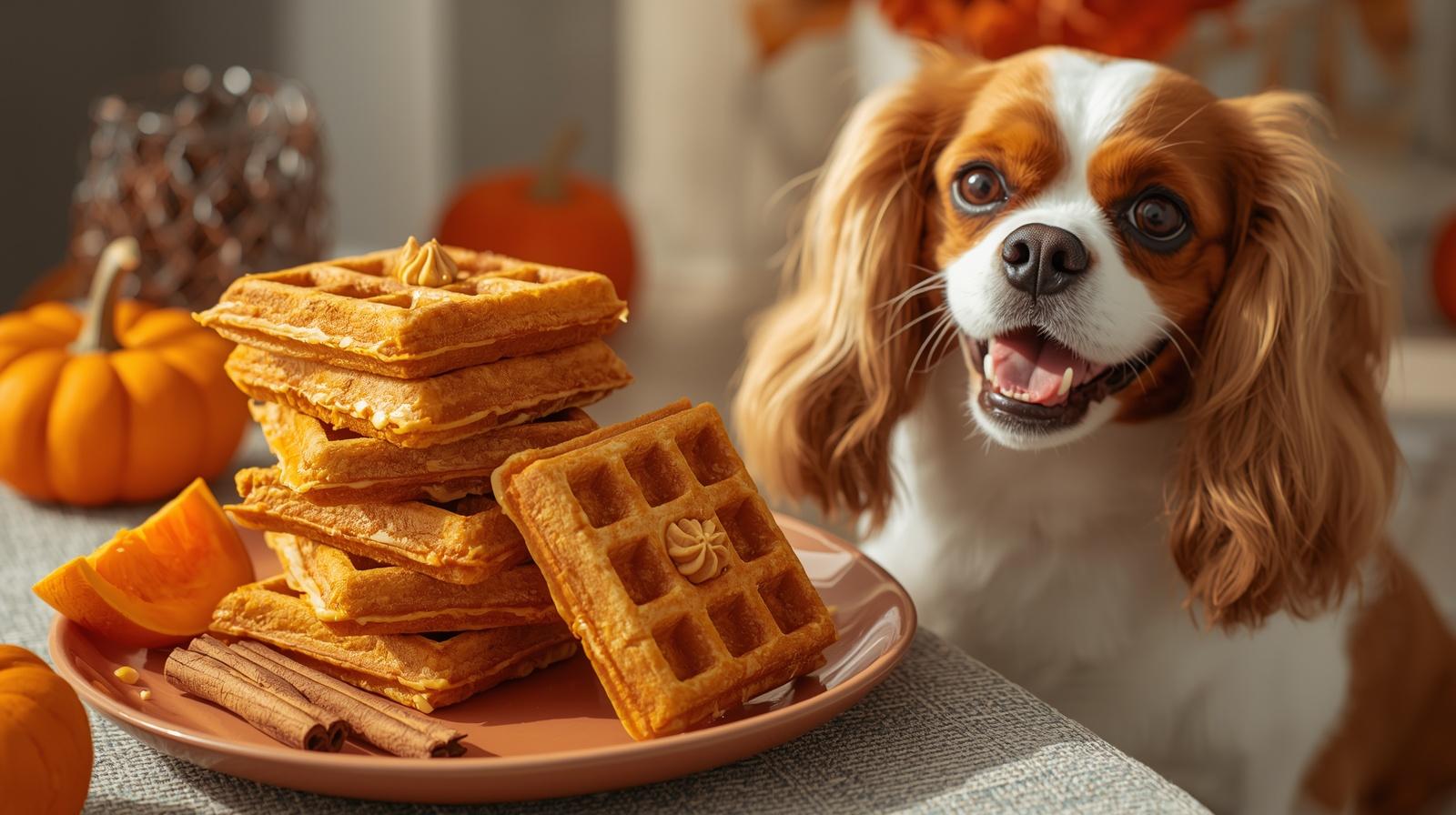
If you love spoiling your furry friend with tasty treats, you’re going to want to try pumpkin waffle treats for dogs. These treats are not only delicious but also packed with healthy ingredients that support your dog’s well-being. Imagine giving your pup a snack that tastes great and helps keep their tummy happy. Ready to learn how to make these easy, wholesome waffles that your dog will beg for? Keep reading, because your dog’s new favorite treat is just a few steps away! Benefits Of Pumpkin For Dogs Pumpkin is a superfood for dogs. It offers many health benefits that support your pet’s well-being. Including pumpkin in treats like waffles makes snack time healthy and tasty. This section explains how pumpkin helps dogs stay healthy. Nutritional Value Pumpkin is full of vitamins and minerals. It has vitamin A, which is good for eyes. Vitamin C helps keep the immune system strong. Pumpkin also contains potassium, which supports muscle function. Low in calories, it is a great snack for dogs. Digestive Health Pumpkin contains fiber that aids digestion. It helps regulate bowel movements and prevents constipation. Pumpkin can soothe upset stomachs and diarrhea. The fiber keeps the gut healthy and clean. Dogs often feel better after eating pumpkin. Immune Support Antioxidants in pumpkin protect cells from damage. This boosts the immune system’s ability to fight illness. Vitamin C and beta-carotene help reduce inflammation. A strong immune system keeps dogs active and happy. Pumpkin supports long-term health and wellness. Credit: www.youtube.com Choosing Dog-friendly Ingredients Choosing dog-friendly ingredients for pumpkin waffle treats is important for your pet’s health. Dogs have different dietary needs than humans. Some ingredients that are safe for people can harm dogs. Using the right ingredients keeps treats tasty and safe. Always pick natural, simple ingredients. Avoid anything with chemicals or artificial flavors. This ensures your dog enjoys the treat without stomach problems. Quality ingredients also help your dog stay energetic and healthy. Safe Flours And Sweeteners Use flours like oat, rice, or coconut flour. These are gentle on your dog’s stomach. Avoid wheat flour if your dog has allergies. Sweeten treats with pure pumpkin or a small amount of honey. Never use sugar or artificial sweeteners like xylitol. Xylitol is toxic and can cause serious harm. Avoiding Harmful Additives Stay clear of ingredients with preservatives and dyes. These can cause allergies or upset your dog’s digestion. Avoid chocolate, raisins, grapes, and nuts. These are dangerous for dogs. Stick to fresh, whole ingredients for the best results. Always check labels to keep treats healthy and safe. Basic Pumpkin Waffle Recipe Pumpkin waffle treats are a fun and healthy snack for your dog. This basic pumpkin waffle recipe uses simple ingredients that are safe for dogs. It is easy to make and perfect for beginners. Your dog will love the natural pumpkin flavor and soft texture. Let’s explore how to make these tasty treats step by step. Required Ingredients Step-by-step Preparation Credit: www.traderjoes.com Customizing Flavors And Toppings Customizing flavors and toppings makes pumpkin waffle treats special for dogs. You can create unique tastes that your dog will enjoy. This also helps keep treats healthy and safe. Small changes make big differences in flavor and nutrition. Try simple spices and toppings that dogs like. Keep everything dog-safe and natural. Your furry friend will love these tasty variations. Adding Dog-safe Spices Spices add flavor without harmful effects. Cinnamon is a favorite and safe in small amounts. It adds warmth and a sweet smell. Ginger helps with digestion and adds a mild spice. Turmeric supports joints and gives a bright color. Avoid nutmeg and cloves; they are toxic to dogs. Always use spices in tiny amounts to keep treats gentle. Healthy Topping Ideas Top pumpkin waffles with healthy, dog-friendly options. Plain yogurt adds creaminess and probiotics. Small pieces of apple or banana give natural sweetness. A spoonful of peanut butter adds protein and flavor. Use unsweetened, xylitol-free peanut butter only. Sprinkle flaxseeds or chia seeds for extra nutrients. Avoid toppings with sugar, chocolate, or artificial ingredients. Serving Tips And Portion Sizes Serving pumpkin waffle treats to your dog can be a fun and healthy way to show love. It is important to serve them in the right amounts. Overfeeding treats may lead to weight gain or upset stomachs. Understanding proper portion sizes helps keep your dog happy and healthy. How Often To Treat Limit pumpkin waffle treats to two or three times a week. Too many treats can cause digestive problems. Use treats as a reward during training or special moments. Treats should not replace your dog’s regular meals. Always watch your dog’s reaction after giving a new treat. Storage Recommendations Store pumpkin waffle treats in an airtight container. Keep them in a cool, dry place to stay fresh. Avoid direct sunlight or heat that can spoil treats. Refrigerate leftovers to extend shelf life. Discard any treats that show signs of mold or smell bad. Common Allergies And Precautions Pumpkin waffle treats are tasty snacks for dogs. They contain natural ingredients but can cause allergies. Knowing common allergies and taking precautions keeps your dog safe. Watch your dog’s reactions carefully. Some dogs may react to new foods. Understanding signs of allergies helps you act fast. Avoid ingredients that cause problems. Always introduce treats slowly and in small amounts. This way, you can see if your dog has any trouble. Identifying Allergic Reactions Allergic reactions vary from mild to serious. Look for itching, redness, or swelling on your dog’s skin. Vomiting or diarrhea can also signal allergies. Sneezing, coughing, or trouble breathing are warning signs. Changes in behavior or energy levels might appear too. Check your dog after each new treat. When To Consult A Vet Contact your vet if symptoms worsen or last long. Sudden swelling or breathing difficulty needs urgent care. If vomiting and diarrhea continue, seek help quickly. Your vet can test for allergies and advise the best treatment. Do not give more treats until you get advice. Early action prevents … Read more

Dehydrated Banana Dog Treats: Easy Healthy Snack Recipe

Dehydrated Banana Dog Treats

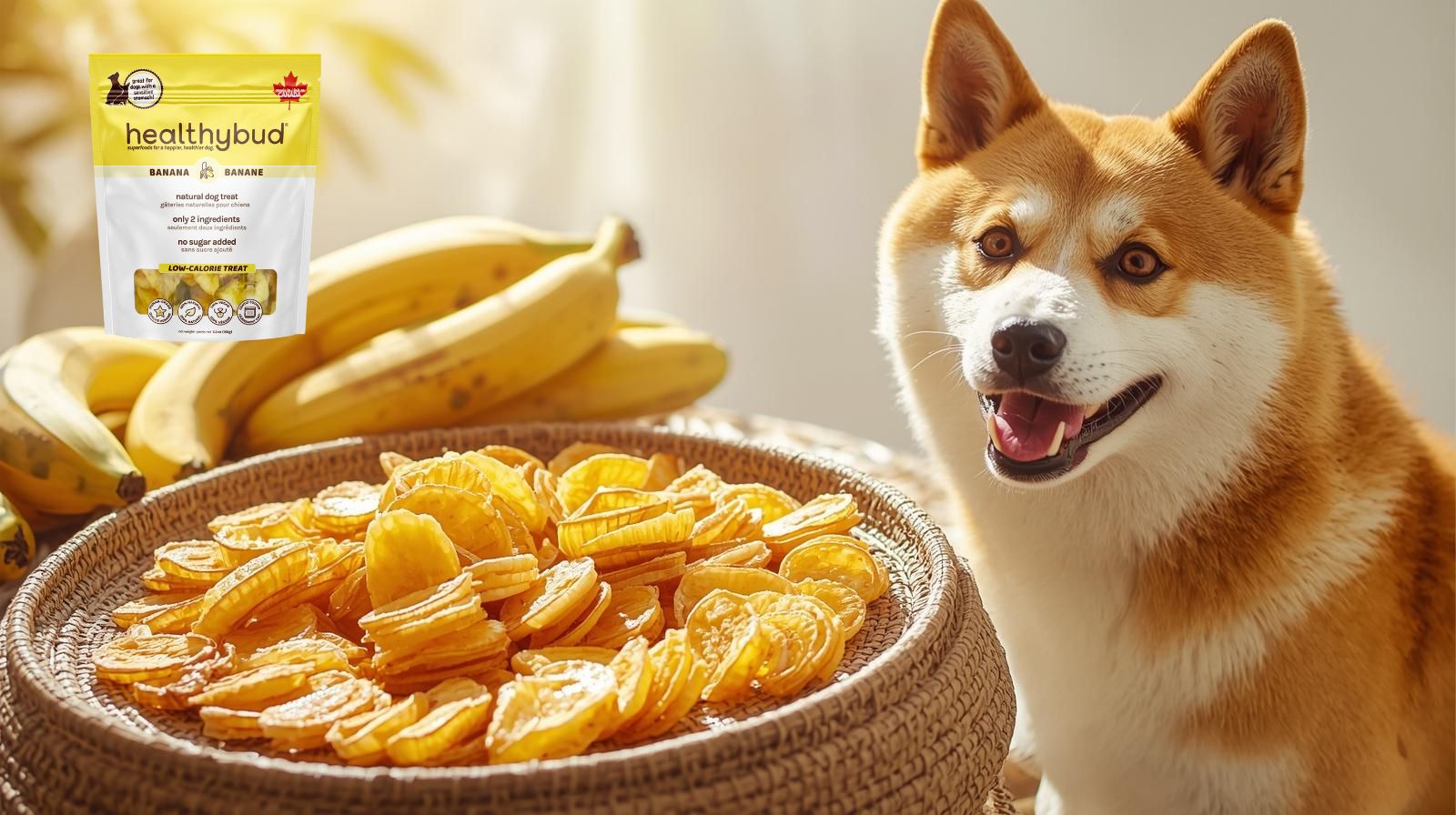
If you want to give your dog a healthy and tasty snack, dehydrated banana dog treats are a perfect choice. These treats are simple, natural, and packed with nutrients your furry friend will love. Imagine rewarding your dog with something that’s not only delicious but also good for their digestion and energy. Keep reading to discover how these easy-to-make treats can improve your dog’s snack time and why they might become your pup’s new favorite! Benefits Of Banana Treats Dehydrated banana dog treats offer many health benefits for your pet. These treats are simple yet nutritious snacks dogs enjoy. They provide essential nutrients that support your dog’s well-being. Banana treats are a smart choice for pet owners who want natural and healthy options. These treats help maintain good digestion and provide energy. Dogs love the sweet taste without added sugars. Nutritional Value For Dogs Bananas contain vitamins like B6 and C that help dogs stay healthy. They provide potassium, which supports muscle function. Fiber in bananas aids digestion and keeps your dog’s tummy happy. Low in fat and calories, banana treats suit dogs of all sizes. Natural Ingredients Only Dehydrated banana treats use only pure bananas. No preservatives, chemicals, or artificial flavors are added. This keeps treats safe and wholesome. Natural ingredients reduce allergy risks and promote overall health. Your dog gets a clean, simple snack every time. Safe Snack Alternative Banana treats are a safe alternative to sugary or processed snacks. They help control weight and avoid harmful additives. These treats are easy to digest and gentle on sensitive stomachs. Perfect for training or rewarding good behavior without guilt. ➡️ Shop the full Healthybud collection on 🛒 Amazon. Click Here ➔ Credit: www.dhgate.com Choosing The Right Bananas Choosing the right bananas is key for making healthy dehydrated dog treats. The quality of bananas affects taste and nutrition. Picking the best bananas helps create treats your dog will enjoy and benefit from. Pay attention to ripeness, source, and ingredients. These factors make a big difference in your dog’s snack time. Ripeness Levels Bananas have different ripeness stages. Green bananas are firm and less sweet. Yellow bananas with brown spots are soft and very sweet. For dog treats, slightly ripe bananas work best. They are easy to chew and taste good. Too ripe bananas can be mushy and less appealing when dried. Organic Vs Conventional Organic bananas grow without synthetic chemicals. Conventional bananas may have pesticide residues. Choose organic bananas if possible. They are safer for your dog’s health. Organic bananas also tend to have better flavor. This makes your homemade dog treats more natural and wholesome. Avoiding Additives Buy bananas without stickers or wax coatings. Some bananas have added chemicals to keep them fresh. These can be harmful to dogs. Always wash bananas well before using. Avoid bananas treated with preservatives or artificial sprays. Clean, natural bananas ensure safe and healthy treats. Preparation Steps Preparing dehydrated banana dog treats is simple and fun. It starts with a few easy steps. Each step helps keep the bananas tasty and safe for your dog. Follow these steps for the best results. Washing And Peeling Wash bananas gently to remove dirt and dust. Use clean water only. Peel the bananas completely to avoid any skin. The peel is hard and not good for dogs. Slicing Techniques Cut bananas into thin, even slices. Thin slices dry faster and evenly. Use a sharp knife or a mandoline slicer. Try to keep slices about 1/4 inch thick. Optional Seasonings Sprinkle a tiny pinch of cinnamon for flavor. Avoid salt, sugar, or any spices. Cinnamon is safe and adds a nice smell. Keep it very light to protect your dog’s health. Dehydration Methods Dehydrating bananas makes tasty, healthy dog treats. Removing moisture keeps the treats fresh longer. Several methods dry bananas safely and well. Each method has pros and cons. Choose the best way for your needs. Using A Food Dehydrator A food dehydrator is the easiest tool. It dries bananas evenly at low heat. Slice bananas thin for quick drying. Arrange slices in a single layer on trays. Set temperature to 135°F (57°C). Dry for 6 to 12 hours. Check often to avoid over-drying. Oven Drying Tips Oven drying works well without special tools. Use the lowest oven temperature, about 140°F (60°C). Place banana slices on a baking sheet lined with parchment. Leave the oven door slightly open for air flow. Flip slices every hour for even drying. Drying time takes 2 to 4 hours. Watch closely to prevent burning. Sun Drying Considerations Sun drying is natural and cheap. Choose a hot, dry day with little humidity. Place banana slices on a clean screen or tray. Cover with fine mesh to keep bugs away. Bring treats inside at night to avoid moisture. Sun drying can take 1 to 3 days. It may not dry as evenly as other methods. Storage And Shelf Life Dehydrated banana dog treats last longer than fresh ones. Proper storage keeps them tasty and safe for your pet. Storing these treats the right way helps keep their flavor and crunch. Follow simple tips for best results. Proper Containers Use airtight containers to store dehydrated banana treats. Glass jars or plastic containers with tight lids work well. Avoid containers that let air in. Seal containers after each use to keep treats fresh. Avoiding Moisture Moisture causes treats to spoil quickly. Keep treats dry at all times. Store them in a cool, dry place away from water. Do not store in damp areas like near sinks or refrigerators. Shelf Life Expectations Dehydrated banana dog treats last about two weeks at room temperature. In airtight containers, they can last up to one month. Refrigerating treats can extend shelf life to two months. Always check for signs of mold or smell changes before giving treats to your dog. Credit: mpg-eg.com Feeding Guidelines Dehydrated banana dog treats are a healthy snack choice. Feeding them properly keeps your dog safe and happy. Follow clear guidelines to give … Read more

Celebrity Cavalier King Charles Spaniels: Famous Owners Revealed

Celebrity Cavalier King Charles Spaniels

Are you curious about which celebrities have fallen in love with the charming Cavalier King Charles Spaniel? These adorable dogs aren’t just popular for their sweet looks—they have a way of winning hearts everywhere, especially in Hollywood. If you want to discover which famous faces share their lives with these lovable pups, keep reading. You’ll be surprised how many stars trust the Cavalier King Charles Spaniel to bring joy, comfort, and style into their busy lives. Ready to find out who’s part of this furry fan club? Let’s dive in! Celebrity Cavalier King Charles Spaniels . . . . Credit: www.nickiswift.com Famous Owners Cavalier King Charles Spaniels have long been favorites among the rich and famous. Their friendly nature and elegant looks attract many celebrities. These dogs appear alongside stars in photos and public events. They add charm and warmth to any home. Many well-known people choose Cavaliers as their pets. These dogs fit perfectly into busy and glamorous lives. They offer comfort and companionship in every moment. Hollywood Stars Several Hollywood actors own Cavalier King Charles Spaniels. Their gentle nature suits actors who need calm company. Actress Reese Witherspoon often shares moments with her Cavalier. Hugh Jackman also adores this breed for its sweet personality. These dogs help stars relax after long workdays. Musicians And Celebrities Musicians find Cavaliers loyal and loving. Taylor Swift has been seen with her Cavalier, showing their close bond. Other singers and celebrities choose Cavaliers for their friendly and playful traits. These dogs bring joy and peace amid busy tours and events. Royal Connections The breed has deep ties to royalty. Named after King Charles II of England, Cavaliers were royal favorites. Today, some royal families still keep these dogs. Their history and grace match the regal lifestyle perfectly. Royals appreciate their gentle and affectionate nature. Credit: people.com Breed Traits The Celebrity Cavalier King Charles Spaniel is a beloved breed known for charm and grace. These dogs have special traits that make them popular with many stars. Their friendly nature and beautiful looks catch many eyes. Understanding their breed traits helps explain why they are adored worldwide. Personality And Temperament Cavalier King Charles Spaniels are gentle and loving dogs. They enjoy being near people and children. These dogs are calm but playful, making them great family pets. They adapt well to new places and meet new friends easily. Their friendly attitude makes them good companions for all ages. Appearance And Size This breed has silky, medium-length fur that shines. Their ears are long and feathered, adding to their charm. They usually weigh between 13 to 18 pounds. Their height ranges from 12 to 13 inches at the shoulder. Their expressive eyes and soft face make them hard to resist. Health And Lifespan Cavalier King Charles Spaniels live about 10 to 14 years. They need regular vet check-ups to stay healthy. Common health issues include heart problems and ear infections. A good diet and daily exercise help keep them fit. Early care can improve their quality of life and longevity. Training And Care Celebrity Cavalier King Charles Spaniels need special training and care. These dogs are smart but gentle. They respond well to kind and clear commands. Consistency helps them learn fast. Their friendly nature makes training easier, but patience is key. Proper care keeps these dogs happy and healthy. Daily attention to their needs builds a strong bond. Grooming, exercise, and good food play big roles. Each part helps the dog stay active and joyful. Grooming Tips Brush your Cavalier’s coat every day. Their long fur can tangle easily. Use a soft brush to avoid hurting their skin. Clean their ears weekly to prevent infections. Trim nails regularly to keep paws healthy. Bathing once a month keeps them fresh. Exercise Needs Cavaliers enjoy short walks twice a day. Playtime helps them burn energy. Avoid hard exercise because they have delicate bones. Gentle games like fetch or tug are perfect. Mental activities like puzzle toys keep their minds sharp. Diet And Nutrition Feed high-quality dog food for good health. Choose food made for small breeds. Keep portions small to avoid weight gain. Fresh water must be available at all times. Avoid giving human food that can harm them. Media Appearances Cavalier King Charles Spaniels often steal the spotlight in movies, TV, and online. Their charming looks and gentle nature make them perfect for many roles. These dogs have become favorite stars in different media formats. They bring warmth and fun to screens big and small. Movies And Tv Shows Cavalier King Charles Spaniels appear in many films and TV series. They often play loyal pets to main characters. These dogs add a touch of sweetness to scenes. Their expressive eyes and soft fur catch viewers’ attention. Some movies use them to show friendship and trust. They fit well in family stories and comedies. Social Media Stars Many Cavaliers have their own social media pages. Fans love following their daily adventures and cute moments. These dogs often have thousands of followers. Their photos and videos get many likes and shares. Owners post about training, playtime, and naps. This keeps fans connected and entertained. Advertising Campaigns Brands use Cavalier King Charles Spaniels in ads to attract attention. Their friendly appearance makes products feel trustworthy. These dogs appear in commercials for pet food, toys, and even fashion. Their presence creates a warm, happy mood. People remember ads better when a cute dog stars in them. Why Celebrities Choose Cavaliers Celebrities often choose Cavalier King Charles Spaniels for many good reasons. These small dogs bring joy and calm to busy lives. They fit well with the fast pace and public life of famous people. Their sweet nature and charming looks make them popular among stars. Let’s explore why Cavaliers are the top choice for many celebrities. Companionship Benefits Cavaliers are gentle and loving pets. They enjoy being close to their owners all the time. These dogs are great friends and reduce stress. Celebrities find comfort in their calm … Read more